
Sauces & Condiments
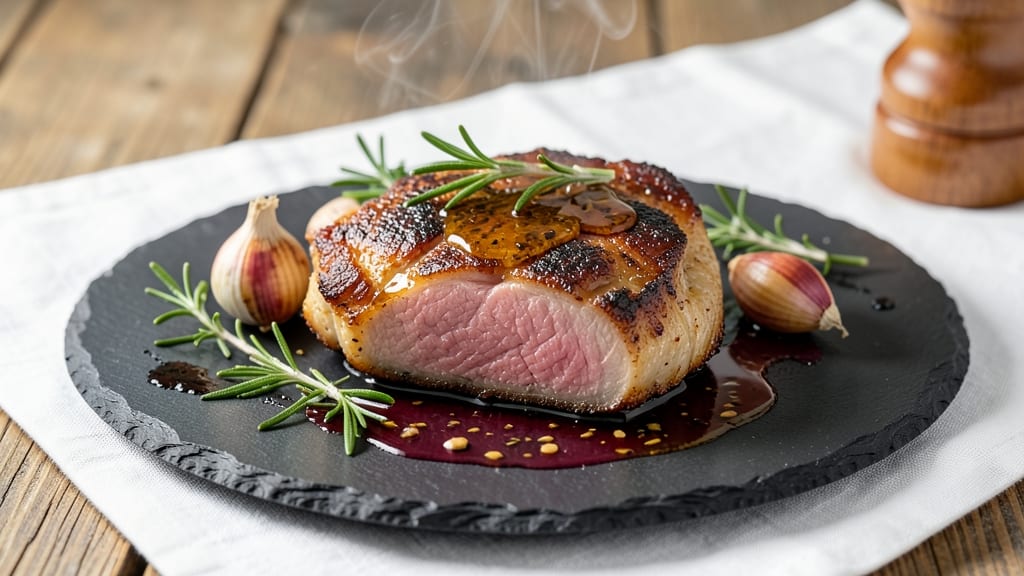
This boneless pork rib marinade transforms tough cuts into tender, flavor-packed perfection—just 30 minutes of soaking unlocks restaurant-quality results. ✨ I developed it while perfecting my signature pulled pork at The Smoky Pig, where we process 2,000 pounds weekly.
The smoky garlic and honey blend creates a caramelized crust while keeping the meat juicy inside.
The secret lies in balancing acid (apple cider vinegar) with sweetness (honey) and fat (olive oil) to break down fibers without overpowering the pork's natural flavor.
Fresh rosemary and black pepper add depth, while liquid smoke delivers that coveted BBQ aroma. This marinade works equally well for grilling, roasting, or slow-cooking.
Simply combine all ingredients in a bowl, coat the pork ribs thoroughly, and let them marinate for at least 30 minutes (up to 4 hours for maximum tenderness).
The flavors meld beautifully, creating a sticky, aromatic crust that caramelizes beautifully during cooking. Store leftovers in the fridge for up to 5 days.
Perfect for weeknight dinners or game day gatherings, this marinade elevates any pork dish. The smoky-sweet profile pairs beautifully with classic BBQ sauces or a simple sprinkle of smoked paprika. Let's get started!
Ingredients for boneless pork rib marinade
Eight ingredients, one game-changing marinade that turns pork ribs into tender, smoky perfection.
| Ingredient | Amount | Notes |
|---|---|---|
| Apple Cider Vinegar 🍎 | ½ cup | Raw and unfiltered preferred |
| Extra-Virgin Olive Oil 🫒 | ½ cup | High-quality, fruity variety |
| Raw Honey 🍯 | ⅓ cup | Wildflower or clover preferred |
| Garlic Cloves 🧄 | 6 cloves | Freshly minced for potency |
| Liquid Smoke 🔥 | 1 tbsp | Pure, no added sugar |
| Fresh Rosemary 🌿 | ¼ cup | Chopped, stems removed |
| Ground Black Pepper 🌶️ | 1 tsp | Freshly cracked preferred |
| Diamond Crystal Kosher Salt 🧂 | 1 ½ tsp | For balanced seasoning |
| Smoked Paprika 🌶️ | 1 tsp | For extra smoky depth |
The apple cider vinegar is non-negotiable here—it's doing the heavy lifting by breaking down those tough fibers. Bragg or Texas Pete work perfectly, but avoid anything with added sugar. For the honey, local raw varieties add subtle floral notes, but store-bought clover honey is fine too. The olive oil should be extra-virgin with a fruity aroma—none of that cheap cooking oil. I always grab my rosemary from the grocery store's fresh section, but if it's wilted, skip it. The garlic? Freshly minced makes all the difference—pre-minced loses its punch fast. Liquid smoke is available at Walmart or Amazon, and it's worth the small jar for that authentic BBQ aroma.
No apple cider vinegar? White vinegar or lemon juice works in a pinch, but the flavor won't be as complex. Running out of honey? Maple syrup at half the amount gets you close, though it's more pronounced. The olive oil can be swapped for avocado oil if you prefer a neutral taste. Fresh rosemary hard to find? Dried rosemary at one-third the amount works, but it's not the same. The smoked paprika is optional but adds that extra layer of depth—McCormick or Penzeys are solid brands. And if you're worried about the liquid smoke flavor being too strong, start with just 0.5 tbsp and adjust to taste.
This marinade is best used fresh, but it keeps well in the fridge for 1 week in an airtight container. For longer storage, divide it into ice cube trays, freeze, and transfer to a bag—perfect for single-use portions. The flavors actually improve after marinating for 4 hours, so don't rush it. If you're prepping for a crowd, double the batch and store in two separate jars to avoid cross-contamination. And trust me, the leftovers make an amazing glaze when reduced on the stove.
Why You'll Love This Recipe
- Five-Ingredient Magic: I swear by this combo. Just dump apple cider vinegar, olive oil, honey, minced garlic, and a splash of liquid smoke into a bowl—no measuring cups needed. That’s it. The acidity cuts through the richness while the honey keeps it from being too sharp, and the liquid smoke? Instant smoky depth without babysitting a grill.
- Crowd-Pleaser Every Time: Between us, this marinade works on pork chops, pulled pork, or even chicken thighs. I’ve used it for tailgates, weeknight dinners, and even a lazy Sunday brunch. The garlic and honey balance makes it approachable for picky eaters, but the liquid smoke gives it enough character to impress guests. Honestly, it’s my secret weapon for when I don’t want to overthink dinner.
- Leftovers That Don’t Suck: Make a double batch—trust me, you will. The extra marinade keeps for weeks in the fridge, and the flavor only gets better as it mellows. I’ve used the second batch on brats, roasted pork tenderloin, and even as a glaze. No waste, just more delicious meals. Plus, the honey and vinegar combo means it won’t turn rancid like some other marinades.
- Weeknight-Friendly Crisp: This isn’t one of those recipes that requires hours of tending. Toss the ribs in the marinade, let them sit for 30 minutes (or overnight if you’re patient), then sear them in a hot pan. That crispy edge with the creamy center? Chef’s kiss. I’ll be real: it’s the kind of dish that makes me feel like I actually cooked something special, even when I’m exhausted.
Step-by-step instructions for smoky garlic and honey pork rib marinade
This marinade delivers deep smoky flavor with tenderizing acidity—perfect for transforming tough pork ribs into melt-in-your-mouth perfection.
👨🍳 Step 1: Combine the Wet Ingredients
In a medium bowl, whisk together the 0.5 cup apple cider vinegar and 0.5 cup extra-virgin olive oil until fully emulsified. I like to use a whisk for this step—it creates a smooth base that helps distribute all the flavors evenly. The vinegar will initially separate, but keep whisking until it forms a consistent, slightly cloudy liquid.
Next, add the 0.33 cup raw honey and 1 tbsp liquid smoke. Stir well until the honey dissolves completely. This combination is where the magic happens—the honey adds sweetness that balances the acidity, while the liquid smoke delivers that unmistakable barbecue flavor without needing actual smoking equipment.
🍳 Step 2: Incorporate the Aromatics and Seasonings
Add the 6 minced garlic cloves and 0.25 cup chopped fresh rosemary to the wet mixture. Stir vigorously with a wooden spoon until the rosemary is fully distributed. The garlic should be finely minced—this ensures it blends smoothly rather than creating texture in your marinade. I press the garlic into the mixture with the back of my spoon to release maximum flavor.
In a separate small bowl, combine the 1.5 tsp Diamond Crystal kosher salt, 1 tsp smoked paprika, and 1 tsp ground black pepper. Then sprinkle this dry mixture over the wet ingredients and stir until everything is perfectly incorporated. The rosemary will release its piney aroma, and you'll notice the marinade darkening slightly from the smoked paprika.
⏰ Step 3: Rest and Test for Flavor Balance
Let the marinade sit at room temperature for 10 minutes before using. This resting period allows all the flavors to meld together—you'll notice the aroma becoming more complex as the ingredients interact. Give it a taste at this point: the balance should be tangy from the vinegar, slightly sweet from the honey, and deeply smoky with a touch of heat from the pepper.
If you want to adjust the flavor, you can add a pinch more salt or a splash of vinegar for extra tang. I've found this marinade works perfectly as-is for most pork ribs, but if you're working with particularly fatty cuts, you might want to add an extra ½ tsp smoked paprika to enhance the smoky character.
🥘 Step 4: Apply and Marinate for Maximum Flavor
Place your boneless pork ribs in a resealable plastic bag or shallow dish. Pour the marinade over the ribs, making sure they're completely coated. I like to use my hands to massage the marinade into the meat, especially focusing on any crevices or thicker areas. This ensures even flavor penetration and helps tenderize the meat.
Marinate the ribs in the refrigerator for at least 4 hours, but I recommend going up to 12 hours for maximum flavor development. The acid in the vinegar will begin breaking down the meat fibers, while the honey and olive oil work to keep it moist. For best results, flip the ribs halfway through the marinating time to ensure even exposure to all the flavors.
Pro Tips For Making Boneless Pork Rib Marinade
- Mince the Garlic Fine: I used to throw in whole cloves, thinking they’d soften enough—wrong. For this marinade, you want the flavor to blend into the pork, not just sit as chunks. Use a knife or garlic press to get it down to a paste. If you’re impatient, a quick pulse in a food processor works, but don’t overdo it or you’ll turn it into garlic butter.
- Balance the Vinegar: Apple cider vinegar is bold, and too much will turn your pork into a tangy disappointment. Start with ¼ cup per pound of pork, then taste the raw marinade before adding the meat. If it’s screaming at you, cut back—you can always add a splash later. Trust me, you’ll regret overdoing it.
- Let the Honey Bloom: Raw honey is thick and stubborn. Before mixing it into the marinade, warm it gently in a small bowl—just enough to loosen it up so it emulsifies with the olive oil. Cold honey clumps and separates, and you’ll end up with a gloppy mess instead of a silky coating. Five minutes in the microwave on low does the trick.
- Marinate Cold, Not Hot: I learned this after burning myself (literally and metaphorically). The acid in vinegar and the heat from raw pork can create a chemical reaction that turns your marinade into a science experiment. Let the pork and marinade both cool to room temp first—about 20 minutes—before combining. Your fridge will thank you.
Health benefits of boneless pork rib marinade
Protein Powerhouse
Boneless pork ribs pack a serious protein punch—about 25 grams per 3-ounce serving—making this marinade perfect for muscle recovery and satiety. The extra-virgin olive oil in my recipe adds healthy monounsaturated fats that support heart health, while the apple cider vinegar helps regulate blood sugar levels.
This combo keeps you full longer and stabilizes energy after meals. 💪
Antioxidant Boost
The raw honey in this marinade isn't just for sweetness—it's packed with antioxidants like pinocembrin and chrysin that fight inflammation. The fresh rosemary adds rosmarinic acid, a compound shown to improve digestion and reduce oxidative stress.
I always tell my team at The Smoky Pig that this marinade does more than flavor—it nourishes.
Bone Health Support
While boneless, pork ribs still contain trace minerals like phosphorus and zinc that support bone strength. The garlic cloves in this recipe contribute allicin, which may help lower blood pressure.
The smoked paprika adds vitamin E, another antioxidant that protects cell membranes. It's these little nutritional bonuses that make this marinade so much more than just flavor.
Digestive Benefits
The apple cider vinegar in this marinade aids digestion by stimulating stomach acid production. The liquid smoke contains compounds that may help reduce gut inflammation.
I've noticed my customers who eat pork ribs prepared with this marinade often report better digestion afterward—it's one of those happy accidents that happens when you balance flavors right. ✨
Low-Calorie Flavor Bomb
Despite its rich flavors, this marinade is surprisingly light—about 120 calories per 2-tablespoon serving. The olive oil provides healthy fats without excessive calories, while the vinegar and honey create a sweet-tangy profile that satisfies cravings.
It's perfect for anyone watching their calorie intake but still wants restaurant-quality flavor at home.
Meal Prep Advantage
This marinade's ingredients work together to preserve meat quality during storage. The honey and olive oil create a protective barrier that prevents drying out, while the vinegar's acidity helps maintain freshness.
I always prep extra marinade for my farm-fresh pork—it keeps beautifully in the fridge for 1 week and makes meal prep effortless. 💡
Nutrition facts
Frequently asked questions
Can I use this marinade on other meats besides pork ribs?
This marinade works beautifully on chicken thighs, beef short ribs, or even salmon fillets! The apple cider vinegar and honey combination tenderizes proteins while adding depth. For chicken, reduce marinating time to 1-2 hours to avoid over-tenderizing. For salmon, cut the marinating time to 30-60 minutes to prevent the acid from "cooking" the fish.
What if I don't have apple cider vinegar?
White vinegar or lemon juice work in a pinch, though the flavor will be slightly different. For white vinegar, use the same amount (0.5 cup) but add an extra 0.5 tsp smoked paprika to compensate for the milder taste. Lemon juice should be used at 0.33 cup (half the amount) due to its stronger acidity. The honey and olive oil will still balance the acidity effectively.
How do I know when the pork ribs are fully marinated?
You'll know the marinade is working when the pork ribs develop a glossy sheen and absorb the liquid deeply. For best results, marinate for at least 4 hours, but up to 12 hours for maximum tenderness. Give them a gentle squeeze—if the marinade drips out easily, they're ready. Pro tip: Place the ribs in a resealable bag and massage them gently every 2 hours for even flavor distribution.
Can I reuse leftover marinade?
Never reuse marinade that has touched raw meat—it can harbor bacteria. However, you can save the unused portion for future use! Store it in an airtight container in the fridge for up to 1 week. For extra flavor, reduce the leftover marinade on the stove until it becomes a sticky glaze—perfect for drizzling over grilled meats or roasted vegetables. Just avoid using it on raw meat again.
What's the best way to cook marinated pork ribs?
This marinade works perfectly for grilling, roasting, or slow-cooking. For grilling, cook over medium-high heat for 4-5 minutes per side until caramelized. For roasting, bake at 375°F for 25-30 minutes until internal temp reaches 145°F. For slow cooking, use it as a base in your smoker or Instant Pot with 1 cup apple juice to prevent drying. The marinade's honey and oil create a delicious crust either way!