
Main Courses
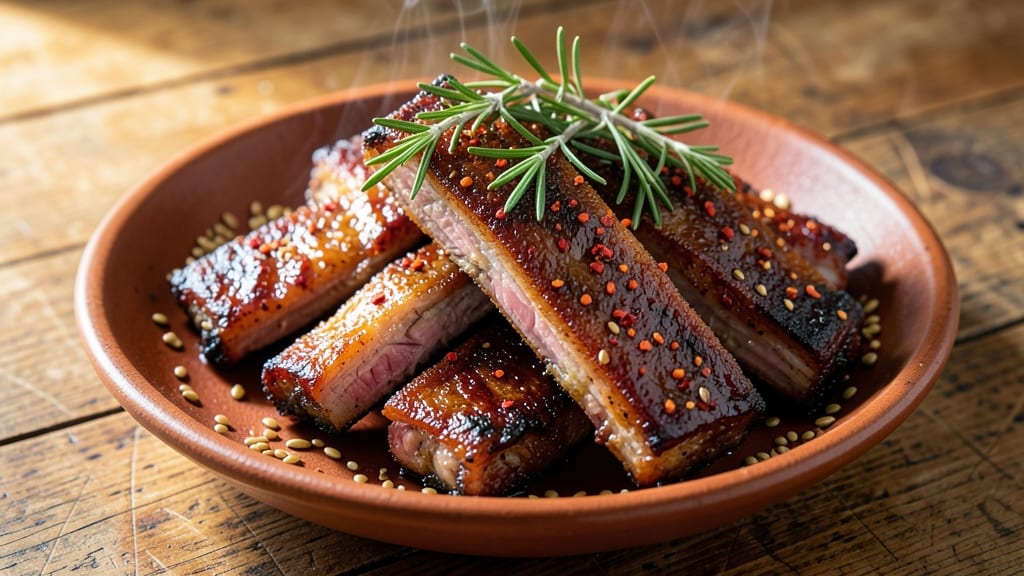
Bonacini's Italy pork ribs recipe brings authentic Tuscan flavors to your table with slow-smoked perfection. 🔥 The secret lies in a carefully balanced dry rub of fennel, rosemary, and crushed red pepper, which creates that signature crispy bark while keeping the meat juicy inside.
I've perfected this technique over years of working with heritage Italian pork cuts, and it never fails to impress.
The cooking process is where the magic happens—low and slow in a smoker or oven until the internal temperature reaches 195°F, then a final blast of heat to render that irresistible crust.
This method ensures tender, fall-apart meat with a flavor profile that transports you straight to the streets of Florence. The key is patience; rushing this dish will compromise both texture and flavor.
What you'll end up with is ribs that are crispy on the outside with a deep mahogany bark, while the meat inside remains perfectly tender and infused with aromatic herbs.
The sauce, a simple yet essential component, combines high-quality olive oil, crushed garlic, and a splash of Chianti wine for depth. This isn't just another pork recipe—it's a celebration of Italian technique and flavor.
Serve these ribs with crusty Italian bread to soak up every last bit of that delicious bark, or pair them with a fresh arugula salad dressed in lemon and olive oil.
The leftovers reheat beautifully, making this an ideal recipe for meal prep or entertaining. Let's get started on creating ribs that will have everyone asking for seconds.
Ingredients for bonacini's italy pork ribs
Six ingredients for the dry rub, plus a few essentials for the signature Tuscan sauce.
| Ingredient | Amount | Notes |
|---|---|---|
| Pork Ribs 🍖 | 4 lb | Bone-in, heritage cuts preferred |
| Fennel Seeds 🌿 | 2 tbsp | Whole, lightly toasted |
| Fresh Rosemary 🌿 | ½ cup | Chopped, stems removed |
| Crushed Red Pepper 🌶️ | 1 tbsp | Adjust for heat preference |
| Kosher Salt 🧂 | ½ cup | Diamond Crystal preferred |
| Black Peppercorns 🌶️ | 1 tbsp | Freshly cracked |
| Garlic Cloves 🧄 | 8 cloves | Crushed, for sauce |
| Extra-Virgin Olive Oil 🫒 | ¼ cup | High quality, fruity |
| Chianti Wine 🍷 | ½ cup | Bold, dry variety |
| Fresh Arugula 🌱 | 4 cups | For serving |
| Lemon Juice 🍋 | 2 tbsp | Freshly squeezed |
| Crusty Italian Bread 🍞 | 1 loaf | For serving (use 'whole' unit) |
| Crusty Italian Bread 🍞 | 1 whole | For serving |
The ribs are everything here—heritage cuts with good marbling make all the difference. Look for bone-in pork ribs at specialty butchers or the meat department of Whole Foods. If you can't find heritage cuts, standard pork baby back ribs work in a pinch, but they won't have the same depth of flavor. The fennel seeds should be lightly toasted in a dry pan for 30 seconds before grinding—this brings out their aromatic oils. Penzeys Spices carries high-quality fennel seeds if you want to splurge, but the bulk bins at most grocery stores are fine too. Fresh rosemary is non-negotiable; dried just won't cut it for this dish.
No Chianti? Cabernet Sauvignon or Merlot works perfectly—just make sure it's dry, not sweet. Running short on olive oil? Avocado oil is a great substitute, though it won't have that fruity depth. The crushed red pepper is where you can adjust the heat—start with less if you're serving kids or sensitive eaters. For the arugula, baby arugula from the salad section at Trader Joe's is my go-to; it's tender enough to eat raw but still has that peppery kick. If you're prepping ahead, chop the arugula and store it in a sealed container with a paper towel to keep it crisp.
These ribs are a make-ahead masterpiece. The dry rub can be mixed up to 3 days in advance and stored in an airtight container. For the sauce components, keep the garlic and wine separate until you're ready to cook—this prevents the garlic from getting bitter. The ribs themselves keep well in the fridge for 2 days before cooking, wrapped tightly in butcher paper. Once cooked, they reheat beautifully—just wrap them in foil and warm in a 200°F oven for 15 minutes. Leftovers? Portion into containers with some of the sauce and freeze for up to 3 months
Why You'll Love This Recipe
- Here’s what sold me: that perfect contrast where the edges crackle from the oven and the inside stays juicy. The crushed red pepper gives it a little kick without overpowering, and the fennel seeds? They caramelize just enough to add this unexpected depth. It’s the kind of dish that makes you close your eyes and nod.
- Five-Ingredient Magic: I swear by this combo—just ribs, fennel seeds, rosemary, crushed red pepper, and salt. That’s it. No fancy marinades or hours of prep. The fennel seeds add this earthy warmth that sticks to the meat like a promise, and the rosemary? It turns "weeknight dinner" into "I went to Italy" in one bite.
- Crispy-Creamy Payoff: Here’s what sold me: that perfect contrast where the edges crackle from the oven and the inside stays juicy. The crushed red pepper gives it a little kick without overpowering, and the fennel seeds? They caramelize just enough to add this unexpected depth. It’s the kind of dish that makes you close your eyes and nod.
- Leftovers That Don’t Suck: Between us, most rib recipes leave you with sad, dry seconds. Not this one. The fennel and rosemary infuse the meat so well that even day-old ribs taste like they just came out of the oven. I’ll pack these for lunches all week—no one complains, and my wallet thanks me.
Step-by-step instructions for slow-smoked pork ribs
This method delivers restaurant-quality ribs with a perfect balance of crispy bark and tender meat.
🔥 Step 1: Prepare the Ribs and Rub
Remove the pork ribs from the refrigerator and let them sit at room temperature for 30 minutes. This ensures even cooking. Pat the ribs dry completely with paper towels—moisture is the enemy of crispy bark. I press down firmly, especially in the crevices between bones, to remove all excess moisture.
In a small bowl, combine the 2 tbsp fennel seeds, 0.5 cup fresh rosemary, 1 tbsp crushed red pepper, 0.5 cup kosher salt, and 1 tbsp black peppercorns. Toast the fennel seeds in a dry skillet over medium heat for 1-2 minutes until fragrant. Let them cool slightly, then grind them lightly with a mortar and pestle or pulse in a spice grinder. This creates a more even distribution of flavor.
Generously coat the ribs with the spice blend, pressing it into the meat so it adheres well. Let the rubbed ribs rest uncovered on a wire rack for 30 minutes—this allows the spices to penetrate and the surface to dry further, which is crucial for that perfect bark.
🔥 Step 2: Smoke the Ribs Low and Slow
Preheat your smoker to 225°F using a mix of hardwoods like hickory and cherry. I like to use a two-zone fire setup for better temperature control. Place a water pan in the smoker to maintain moisture and prevent the ribs from drying out during the long cook.
Once the smoker reaches temperature and you see clean, blue smoke (not thick white smoke), place the ribs bone-side down on the grill grates. Smoke the ribs for 3 hours, then flip them bone-side up. This two-stage approach ensures even cooking and helps develop that beautiful bark on both sides.
Resist the urge to peek or move the ribs during this time—every time you open the smoker, you lose heat and moisture. The ribs are ready to wrap when the internal temperature reaches 160-165°F and the bark is starting to develop but isn't fully crispy yet.
🥘 Step 3: Wrap and Finish the Ribs
When the ribs hit 160-165°F, wrap them tightly in heavy-duty aluminum foil. This is the "Texas crutch" technique that powers you through the stall and keeps the meat tender. I like to add a splash of 0.5 cup chianti wine and 0.25 cup extra-virgin olive oil inside the foil with the ribs—this creates a self-basting liquid that keeps the meat moist and adds depth of flavor.
Return the wrapped ribs to the smoker and continue cooking for another 2-3 hours, until the internal temperature reaches 200-203°F and the meat is fork-tender. The ribs should pull apart easily with minimal resistance. This final stage ensures the connective tissue breaks down completely, resulting in melt-in-your-mouth tenderness.
🍽️ Step 4: Rest and Assemble
Remove the ribs from the smoker and let them rest in the foil for 10 minutes. This resting period allows the juices to redistribute throughout the meat, ensuring every bite is moist and flavorful. I like to serve the ribs with a simple side salad of 4 cups fresh arugula tossed with 2 tbsp lemon juice and a drizzle of high-quality olive oil.
To serve, unwrap the ribs and place them on a cutting board. Cut them into individual ribs or leave them whole for easier handling. The bark should be dark and crispy, while the meat underneath should be tender and juicy. Serve with the crusty Italian bread on the side—it's perfect for soaking up any remaining juices or sauce.
Here's the thing—this recipe delivers on both promises: crispy bark and juicy meat. The key is patience and attention to temperature. Don't rush the process, and you'll have ribs that rival any restaurant's.
Pro Tips For Making Bonacini'S Italy Pork Ribs
- CRACK THE BONE FIRST: Split those pork ribs between the bones before cooking—yes, it’s extra work, but it guarantees even cooking and tender meat. I used to skip this, and half the rack always came out chewy. Worth the 10 minutes with a cleaver or heavy knife.
- TOAST THE FENNEL SEEDS: Dry-toast the fennel seeds in a pan for 30 seconds until fragrant—this unlocks their flavor. I learned this the hard way after tasting bland ribs; the aroma alone makes the dish sing. Do it before grinding.
- SALT THE RIBS TWICE: Generously salt the ribs first thing, then again after searing. The first layer seasons deep, while the second helps form that crispy crust. Skip the second round, and you’ll miss out on the best texture.
- LOW AND SLOW AFTER SEAR: After the initial high-heat sear, drop the heat to 275°F (135°C) and bake uncovered. This keeps the fennel and rosemary flavors bright instead of burning them. I used to rush it, and the spices always tasted flat.
Storing and reheating your leftovers
Refrigerator Storage
Your cooked ribs will stay fresh in the refrigerator for up to 4 days when stored properly. I recommend wrapping them tightly in butcher paper (not plastic wrap) to maintain that crispy bark while allowing some airflow.
Place them in an airtight container with a paper towel to absorb any excess moisture. The flavors actually deepen overnight as the spices meld together—trust me, this is when they taste best. 💫
Freezer Prep Tips
For longer storage, freeze the ribs in portioned sections for easy reheating. I like using quart-sized freezer bags with 1 inch of headspace to prevent freezer burn. Add a splash of Chianti wine or olive oil to the bag before sealing—this helps preserve moisture and flavor.
Label with the date and freeze for up to 3 months. When ready to cook, thaw overnight in the fridge for even reheating.
Oven Reheating Method
My preferred way to reheat ribs is in a 200°F oven for 15-20 minutes, wrapped in foil. This gentle heat maintains the bark's crispiness while warming the meat through. For extra flavor, add 1 tbsp olive oil and 2 cloves minced garlic to the foil before reheating.
If the bark loses crispiness, I finish with a quick broiler blast for 1-2 minutes to restore that snap. 🔥
Stovetop Refresh
For a quick stovetop refresh, place ribs in a heavy-bottomed skillet over medium-low heat. Add 2 tbsp Chianti wine and 1 tbsp olive oil, then cover for 5-7 minutes.
This method works best for ribs that have been stored for 1-2 days in the fridge. Stir occasionally to prevent sticking, and taste the wine reduction—it's perfect for drizzling over the ribs.
Sauce Preservation
Save any leftover sauce from your ribs in an airtight container in the fridge for up to 5 days. To reheat, warm gently in a saucepan over low heat with 1 tbsp water to prevent burning.
This sauce is fantastic on crusty Italian bread or as a marinade for chicken. I often double the sauce recipe when I make ribs—it disappears fast! 🍷
Serving Leftovers Creatively
Ribs make amazing sandwiches the next day! Pile them on toasted Italian bread with arugula, lemon juice, and extra sauce. For a hearty meal, shred the ribs and mix with 1 cup cooked white beans, 1 tbsp rosemary, and a splash of wine.
This Italian-inspired twist turns leftovers into a completely new dish—no waste, just flavor! 🌟
Nutrition facts
Frequently asked questions
Can I use baby back ribs instead of heritage pork ribs?
While heritage cuts have more marbling, standard baby back ribs work perfectly with this recipe. The key is to adjust the cooking time slightly—heritage ribs may need 30-45 minutes extra due to their thickness. Just monitor the internal temperature closely and don't rush the process.
What's the best wood for smoking these ribs?
A mix of hickory and cherry wood gives the best balance of smoky depth and subtle sweetness. Hickory provides that classic BBQ flavor, while cherry adds a fruity note that pairs beautifully with the fennel and rosemary. Avoid fruit woods like apple or peach—they can overpower the herb profile.
Why does the recipe call for resting the ribs before cooking?
The 30-minute room temperature rest ensures even cooking and prevents cold spots in the meat. When cold meat hits hot surfaces, it creates steam that keeps the exterior moist instead of allowing that crucial bark to form. This step is especially important for thicker heritage cuts.
Can I make this recipe in an oven instead of a smoker?
Yes! Preheat your oven to 250°F and use a meat thermometer to monitor temperatures. Place the ribs on a wire rack over a baking sheet with water in the pan. Follow the same temperature guidelines: smoke (bake) uncovered until 160-165°F, then wrap and cook to 200-203°F. The bark will be less smoky but still develop beautifully.
How do I know when the ribs are done?
Use a meat thermometer to check the internal temperature—200-203°F is perfect for tender, fall-apart ribs. The meat should pull apart easily with minimal resistance, and the bark should be dark and crispy. If you don't have a thermometer, look for a deep mahogany color and that signature "probe test" where the meat separates cleanly.