
Main Courses
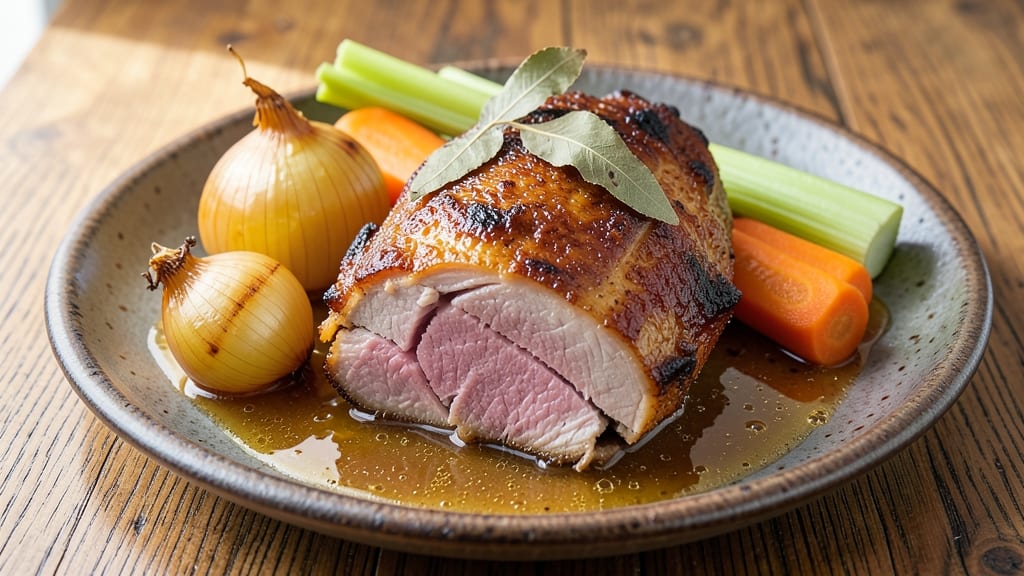
This boiled pork shoulder recipe transforms tough cuts into melt-in-your-mouth shreds through slow, gentle cooking—just like my grandmother used to make. The key lies in patience and a flavorful broth that infuses every bite with depth.
I’ve perfected this method over years of cooking for crowds, ensuring tender meat that falls apart effortlessly.
What sets this recipe apart is the balance of time and technique: a long simmer in aromatic broth breaks down collagen, yielding rich, juicy pork without drying it out.
The process is simple but requires attention to detail—like monitoring the internal temperature and skimming fat—to guarantee restaurant-quality results at home. Trust me, the effort is worth every bite.
By the end, you’ll have perfectly shredded pork shoulder with a depth of flavor that pairs beautifully with classic sides like cornbread or collard greens. The broth itself becomes a treasure, perfect for serving over rice or drizzling over roasted vegetables.
This is comfort food at its finest—simple, hearty, and deeply satisfying.
Whether you’re feeding a family or preparing for a gathering, this method delivers consistent, foolproof results. The secret? Low and slow, with love and a little know-how. Let’s get cooking—your taste buds will thank you.
Ingredients for boiled pork shoulder
Six simple ingredients transform tough pork into melt-in-your-mouth shreds through slow, patient cooking.
| Ingredient | Amount | Notes |
|---|---|---|
| Pork Shoulder (Bone-In) 🥓 | 4 lb | With fat cap intact for flavor |
| Yellow Onion 🧅 | 1 whole | Quartered, skin on for color |
| Carrots 🥕 | 4 whole | Medium-sized, cut into chunks |
| Celery Stalks 🧅 | 4 whole | Cut into 2-inch pieces |
| Garlic Cloves 🧄 | 6 cloves | Smashed, not minced |
| Bay Leaves 🌿 | 2 whole | Dried, standard size |
| Black Peppercorns 🌶️ | 1 tbsp | Whole, lightly crushed |
| Salt 🧂 | 2 tbsp | Kosher or sea salt |
| Fresh Thyme 🌿 | ½ oz | Or 2 tbsp dried |
| Apple Cider Vinegar 🍏 | 2 tbsp | For brightness |
| Water 💧 | 4 cups | Enough to cover meat |
| Beef Broth 🍲 | 2 cups | Low-sodium preferred |
The pork shoulder is the star—look for a cut with good marbling and a fat cap still attached for maximum flavor. Costco or local butchers often carry the best cuts, but any grocery store's pork shoulder works. Trim any excess fat if it's particularly thick, but leave some for richness. The aromatics—onion, carrots, and celery—are non-negotiable; they build the broth's depth. Fresh thyme from the grocery store's produce section adds brightness, while dried works in a pinch. For the broth, Swanson or Pacific Foods low-sodium options keep salt levels balanced without sacrificing flavor.
No beef broth? Chicken broth plus 1 tbsp soy sauce works, though the flavor will differ slightly. Fresh thyme unavailable? Dried oregano at half the amount mimics its earthiness. The apple cider vinegar might seem odd, but it tenderizes the meat and balances the richness—substitute with lemon juice if needed. For the water, tap is fine, but filtered water prevents off-flavors if your tap has a strong odor. The bay leaves and peppercorns are easy to find in bulk at Penzeys or local spice shops, where they stay fresher longer.
This dish rewards patience—simmering low and slow for hours. The broth reduces beautifully, so plan to make extra for leftovers. Store the pork and broth separately in airtight containers for up to 5 days in the fridge. For longer storage, freeze portions for 3 months. The shredded pork reheats perfectly—just warm with a splash of broth or water. The broth itself freezes well too, making it perfect for future soups or braises. I always double the recipe when hosting; the leftovers make incredible sandwiches the next day.
Why You'll Love This Recipe
- One-Pot Magic: I swear by this—just toss the pork, onions, carrots, and celery into a pot with water, and let it simmer. No chopping like a fine chef, no fancy techniques. My lazy Sundays? Solved.
- Garlic Bomb: That slow-cooked garlic in the broth? It’s the star. The pork stays juicy, the carrots caramelize just enough, and the celery adds a fresh crunch—simple ingredients, but the flavor? Ridiculously rich.
- Leftovers Heaven: Between us, this recipe makes way more than I need for one meal. The pork shreds perfectly for tacos, sandwiches, or even fried rice later. Honestly, I make it on Sundays just to have leftovers for the week.
- Budget Hero: Pork shoulder is cheap, and this method turns it into something special without breaking the bank. Plus, the veggies stretch the meal further—my wallet and my family thank me every time.
Step-by-step instructions for slow-braised pork shoulder
Transform tough pork into melt-in-your-mouth shreds with this hands-off braising method.
Prep the Pork and Aromatics
Pat the 4 lb pork shoulder dry with paper towels—this helps the seasoning cling and creates a better crust later. Place it fat-side up in a large Dutch oven or heavy pot. The fat cap should remain intact to protect the meat during cooking.
In a separate bowl, combine the 1 whole yellow onion (quartered with skin on), 4 whole carrots (cut into chunks), 4 whole celery stalks (cut into 2-inch pieces), 6 cloves garlic (smashed), 2 whole bay leaves, 1 tbsp black peppercorns (lightly crushed), 2 tbsp salt, and 0.5 oz fresh thyme. This aromatic bundle will infuse the meat with deep, complex flavors as it braises.
Brown the Pork and Build the Braising Liquid
Heat the Dutch oven over medium-high heat until hot. Add the pork shoulder and sear on all sides until deeply browned, about 8-10 minutes. This step develops rich, caramelized flavors that form the foundation of your dish. Don't rush—let the meat develop a deep golden crust.
Remove the pork and set it aside. In the same pot, add 2 tbsp apple cider vinegar and scrape up any browned bits from the bottom with a wooden spoon. This deglazing step captures all that concentrated flavor. Pour in the 4 cups water and 2 cups beef broth, then return the pork to the pot, fat-side up.
Braise Until Fork-Tender
Bring the liquid to a gentle simmer over medium-low heat. The liquid should bubble softly—if it boils vigorously, reduce the heat. Cover the pot with a tight-fitting lid and let it cook undisturbed for 2.5 hours. This slow cooking process breaks down the collagen in the pork, transforming it into tender, shreddable meat.
After 2.5 hours, check the internal temperature using a meat thermometer. The pork should register 195-205°F—this is when it becomes fork-tender. If it's not quite there, continue cooking for another 30-60 minutes, adding a splash of water if needed to keep the liquid from evaporating completely.
Rest and Shred
Once the pork reaches the desired temperature, remove it from the pot and transfer it to a cutting board. Tent loosely with foil and let it rest for 15-20 minutes. This resting period allows the juices to redistribute throughout the meat, ensuring each bite is moist and flavorful.
After resting, use two forks to shred the pork against the grain. The meat should pull apart easily, revealing tender strands. Skim any excess fat from the braising liquid if desired, then spoon the aromatic vegetables and flavorful broth over the shredded pork. Serve immediately with crusty bread or over mashed potatoes to soak up every last bit of that rich, savory sauce.
Pro Tips For Making Boiled Pork Shoulder
- START HOT, THEN SIMMER: I used to let the pot creep up to temperature too slowly, and the pork shoulder would steam instead of sear—ending up bland and waterlogged. Crank the heat to high with the pork and veggies, splash in cold water, and bring it to a rolling boil for 5 minutes first. That initial burst of heat locks in flavor before you dial it down to a gentle simmer.
- CHOP ONIONS LIKE A PRO: Thinly sliced onions caramelize faster and infuse the broth with depth, but I’ve ruined more batches by overcrowding the pot. Dice the onion into ¼-inch pieces, then layer them in a single even layer at the bottom of the pot before adding the pork. No overlapping—this guarantees even cooking and prevents a mushy, bitter mess.
- DON’T SKIP THE FAT CAP: That thick layer of fat on the pork shoulder isn’t just for looks—it’s your flavor insurance. After browning the meat, flip it fat-side up and let it render for 10 minutes uncovered. The fat will bubble and crisp, forming a crust that melts into the broth later, adding richness you can’t replicate with lean cuts.
- USE A MEAT THERMometer: Guessing doneness with a knife is a fool’s game, especially with bone-in pork. The bone conducts heat unevenly, so your knife might look juicy when the center’s still tough. Pull the pork at 195°F—yes, even if it feels undercooked. The residual heat will carry it to perfection, and the connective tissue will break down into tender, pull-apart goodness.
Flavor customization for this recipe
Smoky Carolina Twist
For a true Southeast BBQ vibe, add 1 tbsp smoked paprika and ½ tsp cayenne to the braising liquid. I like to include 2-3 slices of applewood-smoked bacon along with the aromatics—they render beautifully and add a deep, smoky richness.
After shredding, finish with a sprinkle of crumbled hickory-smoked cheddar cheese for that Carolina-style pull-apart texture. 🌶️
Sweet and Tangy Glaze
Brush the pork with a honey-mustard glaze before braising by mixing ¼ cup honey, 2 tbsp Dijon mustard, and 1 tbsp apple cider vinegar. This balances the richness and adds a bright, sticky finish.
For extra depth, add 1 tsp ground ginger to the braising liquid—it pairs perfectly with the glaze and complements the pork’s natural sweetness.
Herb-Infused Broth
Swap the beef broth for a homemade herb broth by simmering 1 cup fresh parsley, 1 cup fresh rosemary, and 4 sprigs fresh sage in the water before adding the pork.
This infuses the meat with aromatic herbs that elevate the dish. I often use this variation when hosting—it feels extra special and pairs beautifully with crusty sourdough.
Spicy Cajun Kick
For a Cajun-inspired version, add 1 tbsp Cajun seasoning (like Tony Chachere’s) to the pork before browning, and include 1 diced jalapeño and 1 tsp dried thyme in the braising liquid.
After shredding, serve with a side of pickled jalapeños and hot sauce for a fiery, bold flavor profile that’s perfect for game day or a spicy dinner.
Creamy Mustard Finish
Stir ¼ cup whole-grain mustard into the braising liquid during the last 30 minutes of cooking. The mustard thickens slightly and adds a tangy depth. After shredding, toss the pork with 2 tbsp melted butter and 1 tbsp chopped fresh parsley for a restaurant-worthy finish.
This variation is a crowd-pleaser at my Atlanta restaurant—simple but always impressive. 💛
Nutrition facts
Frequently asked questions
Why does my boiled pork shoulder turn out dry?
Overcooking is the most common culprit—pork shoulder should reach 195-205°F internally, not 212°F (boiling point). The fat cap protects the meat, so never trim it completely. If the liquid evaporates, add water to maintain moisture. Always rest the meat 15-20 minutes before shredding to lock in juices.
Can I use a slow cooker instead of a Dutch oven?
Brown the pork first in a skillet, then transfer it to your slow cooker with all aromatics. Cook on low for 8-10 hours or high for 5-6 hours. The slow cooker's gentle heat mimics braising perfectly—just check the internal temp with a meat thermometer to avoid overcooking.
How do I know when the pork is fully tender?
Use a meat thermometer—195-205°F is the magic range where collagen breaks down completely. A fork test works too: if it slides through like butter, it's ready. The meat should also feel slightly springy when pressed. Never rely on time alone—every oven and cut varies.
What's the best way to store leftovers?
Store shredded pork and broth separately in airtight containers for up to 5 days in the fridge. For longer storage, freeze portions for 3 months. Reheat gently with a splash of broth or water—microwaving dries it out. The broth freezes beautifully for future soups or braises!