
Main Courses
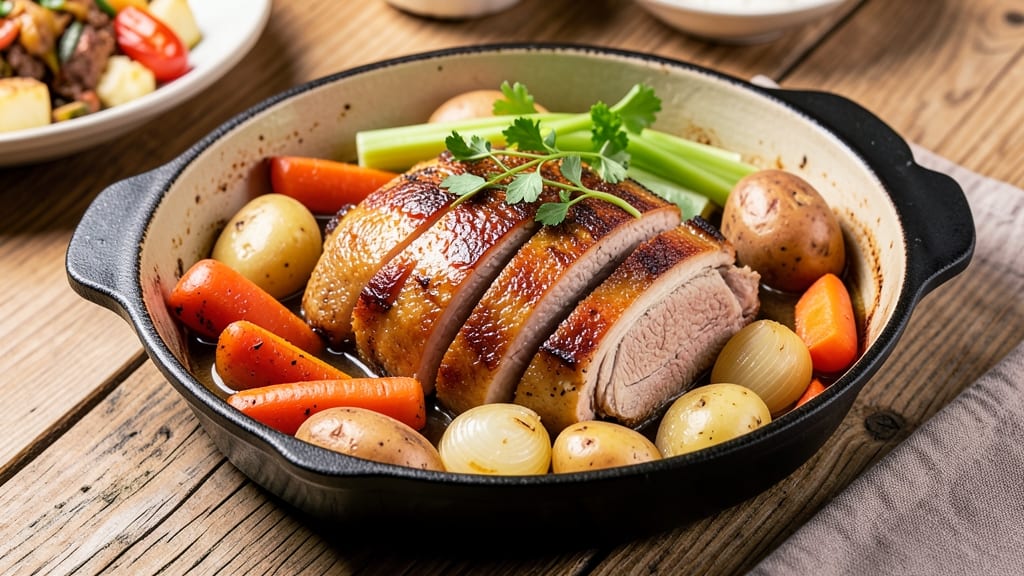
This boiled dinner recipe with pork shoulder transforms humble ingredients into a hearty meal that tastes like Sunday dinner every night. 🔥 The secret lies in slow-cooking the pork until it's fork-tender, then crowning it with crispy celery and herbs—a technique I perfected after years of perfecting Southern-style boiled dinners.
My family still asks for seconds, and now you can too.
The magic happens in the pot, where pork shoulder simmers with aromatic vegetables until the meat falls apart at the touch of a fork. I add a splash of vinegar and a bay leaf to keep the meat tender, while onions and carrots caramelize into sweet, flavorful bites.
This isn't just a recipe—it's a foolproof method for restaurant-quality comfort food at home.
By the time you serve it, you'll have golden-brown potatoes, crisp celery crowns, and pork so tender it melts in your mouth. The gravy ties everything together, rich and savory enough to make even the pickiest eaters reach for seconds.
It's the kind of meal that warms the soul and fills the house with the kind of aroma that makes neighbors peek through their windows.
Perfect for family gatherings, game days, or when you simply crave a meal that feels like a hug. The best part? Leftovers taste even better the next day. Let's get cooking—this is dinner that delivers on every promise.
Ingredients for boiled dinner recipe pork shoulder
Here's what brings this classic Southern meal to life—simple, hearty ingredients that pack big flavor.
| Ingredient | Amount | Notes |
|---|---|---|
| Pork Shoulder 🥩 | 3 lb | Bone-in for best flavor |
| Yellow Onions 🧅 | 2 whole | Peeled, quartered lengthwise |
| Carrots 🥕 | 4 whole | Medium size, peeled |
| Russet Potatoes 🥔 | 2 lb | Yukon gold works too |
| Celery Stalks 🧅 | 6 whole | Trimmed, cut into 2-inch pieces |
| Garlic Cloves 🧄 | 4 cloves | Smash slightly for flavor |
| Fresh Thyme 🌿 | ¼ cup | Stems removed, chopped |
| Fresh Parsley 🌿 | ¼ cup | Chopped for garnish |
| White Vinegar 💧 | ¼ cup | For tenderizing meat |
| Bay Leaves 🍃 | 2 whole | Fresh if available |
| Salt 🧂 | 2 tbsp | Kosher or sea salt |
| Black Peppercorns 🌶️ | 1 tsp | Freshly cracked |
| Butter 🧈 | 4 tbsp | Unsalted, for celery crowns |
The pork shoulder is the star, so don't skimp on quality. Look for a piece with good marbling—Costco or local butchers often have the best cuts. If you can't find bone-in, bone-in pork butt works too. The celery? Freshness matters—avoid wilted stalks. For the potatoes, Russets or Yukon golds hold up best during cooking. I always grab extra thyme because it makes the broth smell incredible, and you'll want leftovers for sandwiches later.
No fresh thyme? Dried works at one-third the amount. Running low on vinegar? Apple cider vinegar is a perfect swap. The butter for the celery crowns can be margarine in a pinch, though real butter gives that golden crunch. If you're prepping ahead, you can par-cook the potatoes and pork in advance—just reheat gently in the broth. The carrots can be baby carrots if that's what you've got, but whole carrots stay more intact during cooking.
This meal tastes even better the next day—honestly, that's when it shines. Store leftovers in the broth for 4-5 days in the fridge, or freeze for 3 months. I always make extra because it's perfect for lunches. The celery crowns stay crisp for a day if you keep them separate. For reheating, just warm everything through in the pot with a splash of water or broth.
Why You'll Love This Recipe
- One-Pot Magic: I swear by this—just toss everything (pork shoulder, onions, carrots, potatoes, celery) into one pot with water and bay leaves, then let it simmer. No chopping like a fine-diner, no fancy gadgets. My kids even help stir the carrots "just right" while I sip coffee.
- Pork Perfection: That pork shoulder? It falls apart like a dream, so tender it melts when you cut it. The onions caramelize slightly in the broth, and the potatoes soak up all that savory goodness—crispy edges, creamy middle. Honestly, it’s the kind of meal that makes you pause mid-bite.
- Leftovers That Win: This recipe doubles as tomorrow’s lunch. Reheat the pork with a splash of broth, and suddenly you’ve got a hearty sandwich filling or a quick hash. My freezer’s always stocked with these leftovers because they’re that good—no sad, dry reheats here.
- Budget Booster: Pork shoulder is cheap, and this uses the whole cut—no waste. A single pot feeds six for under $15. Between us, I’ve fed my book club, my in-laws, and my picky teenager all with the same ingredients. That’s a win I’ll take every time.
Step-by-step instructions for boiled dinner with pork shoulder
Here's how to transform simple ingredients into a hearty, comforting meal with that perfect celery crown crunch.
🔥 Step 1: Prep and Parboil the Pork Shoulder
Place the 3 lb pork shoulder in a large stockpot and cover it completely with cold water. Add the 0.25 cup white vinegar—this tenderizes the meat beautifully. Bring to a boil over high heat, then immediately reduce to a gentle simmer. The water should bubble softly, not vigorously.
Simmer uncovered for 2 hours to render initial fat and partially cook the meat. You'll know it's ready when the pork releases from the bone slightly when pressed with a spoon. Skim off any foam that rises to the surface during this time—this keeps the broth clear. Here's the thing: don't skip this initial cooking step. It builds flavor and ensures your meat stays juicy during the final cook.
👨🍳 Step 2: Prepare the Vegetable Medley
While the pork simmers, peel and quarter the 2 whole yellow onions lengthwise. Peel the 4 whole carrots and cut them into 2-inch pieces. Trim the 6 whole celery stalks and cut each into 2-inch sections. Smash the 4 garlic cloves lightly with the side of your knife to release their flavor.
Peel the 2 lb russet potatoes and cut them into 2-inch chunks—they should be roughly the same size as the other vegetables for even cooking. Chop the 0.25 cup fresh thyme and 0.25 cup fresh parsley stems removed. Add all the vegetables to the pot with the pork, along with the 2 whole bay leaves, 2 tbsp salt, and 1 tsp black peppercorns. The vegetables should be mostly submerged but don't worry if they're not completely covered—they'll cook through in the remaining time.
🍳 Step 3: Simmer Until Tender and Flavorful
Return the pot to a simmer over medium-low heat. Cover partially with a lid and cook for 1.5 to 2 hours, stirring occasionally. You're looking for vegetables that are fork-tender but still hold their shape. The pork should now be fork-tender with a probe sliding in easily—this is where the magic happens.
Here's where it gets fun: taste the broth. If it needs more salt, add a pinch more. The vegetables should be absorbing all those beautiful flavors. If the broth looks too thin, reduce the heat slightly and let it simmer uncovered for the last 15 minutes to concentrate the flavors. The pork should be falling off the bone when tested with a fork, and the vegetables should be tender but still holding their shape.
🥘 Step 4: Create the Celery Crown Crunch
While the dinner simmers, prepare the celery crowns. Cut the top 1 inch from each of the 6 whole celery stalks (you'll have 12 pieces total). Melt the 4 tbsp butter in a small skillet over medium heat until foaming. Add the celery crowns and cook for 2-3 minutes until golden brown and crispy—this is your textural highlight.
Remove the celery crowns and set them aside on a paper towel-lined plate. They'll stay crispy for a few minutes, so keep them warm in a 200°F oven if needed. This step makes all the difference—those crispy celery tops add a delightful crunch that contrasts perfectly with the tender meat and vegetables.
⏰ Step 5: Rest and Serve with Flavorful Garnish
Once everything is tender, remove the pork shoulder and vegetables from the pot and transfer them to a serving platter. Let them rest for 10 minutes—this lets the juices redistribute so each bite is moist and flavorful. Skim any remaining fat from the broth and strain it if you prefer a clearer liquid.
To serve, arrange the pork shoulder in the center of the platter surrounded by the vegetables. Spoon some of the flavorful broth over everything, then sprinkle with the chopped 0.25 cup fresh parsley for a pop of color. Place the crispy celery crowns around the plate for that signature crunch. Each bite should deliver tender pork, perfectly cooked vegetables, and that delightful contrast of textures.
Pro Tips For Making Boiled Dinner Recipe Pork Shoulder
- Parboil Veggies First: Toss carrots, celery, and onions in boiling water for 3-4 minutes before adding potatoes. This keeps the potatoes from turning to mush while the veggies stay crisp—no more sad, waterlogged celery at the bottom of the pot.
- Salt the Pork Generously: Pork shoulder needs salt before it hits the water—at least 1 tablespoon per pound, rubbed in well. I used to skip this, and the meat always tasted bland, no matter how long I cooked it.
- Don’t Overcrowd the Pot: If your pot’s full to the brim with veggies and meat, the pork won’t cook evenly and the veggies will steam instead of simmer. Start with a single layer of potatoes, then add the rest in batches—yes, even if it means two rounds in the pot.
- Check Potatoes at 15 Minutes: Russets break down fast once tender. After 15 minutes of simmering, test one with a fork—if it slides in like butter, they’re done. Overcooking turns them into glue, and nobody wants that in their boiled dinner.
Make-ahead tips for this recipe
Prep Ahead Like a Pro
Start by par-cooking the pork shoulder and potatoes the night before. Place the 3 lb pork shoulder in a stockpot, cover with cold water, add 0.25 cup white vinegar, and simmer for 1.5 hours. Drain and refrigerate.
Peel and cube the 2 lb potatoes, then boil them for 8 minutes—they'll finish cooking later. Store both in airtight containers in the fridge. This cuts your cooking day by 2 hours! 💡
Vegetable Prep Shortcuts
Chop all your vegetables the day before and store them in separate containers. The 2-inch onion and carrot pieces keep well for 3 days in the fridge. Trim the celery stalks and store them whole—they'll stay crisp.
When ready to cook, just toss everything into the pot with the pre-cooked pork. I swear by quart-sized glass containers for easy stacking in the fridge.
Broth Boost Technique
Make your broth ahead and reduce it to a rich sauce. After par-cooking the pork, strain the broth through a fine-mesh sieve into a saucepan. Simmer uncovered for 30 minutes to deepen the flavor. Store in the fridge for up to 5 days or freeze for 3 months.
When ready to serve, reheat the pork and vegetables in this concentrated broth for maximum flavor. This is my secret weapon for leftovers that taste even better the next day.
Celery Crown Prep
Here's a game-changer: Prep your celery crowns the morning of serving. Cut the tops from 6 celery stalks and store them in a sealed container with a paper towel to absorb moisture.
When ready to cook, simply melt 4 tbsp butter in a skillet and crisp them for 2-3 minutes. They'll stay crispy for 15 minutes at room temperature, so time this step carefully. Trust me, this small effort makes the biggest difference in presentation and texture.
Reheating Leftovers
Leftovers are where this meal truly shines. Reheat everything in the same pot with ½ cup fresh broth or water over medium-low heat for 10-15 minutes, stirring occasionally. The pork will be even more tender from the extra cooking time.
For the celery crowns, simply reheat them in a dry skillet for 1 minute to restore their crispiness. I always make extra because it's perfect for sandwiches the next day—just slice the pork thin and pile it high on crusty bread with mustard. 🥪
Nutrition facts
Frequently asked questions
Can I substitute bone-in pork shoulder for boneless?
Bone-in pork shoulder is ideal for maximum flavor, but boneless works too. Just add an extra 30 minutes to cooking time since it lacks the natural tenderizing effect of bones. For best results, look for a well-marbled boneless cut from your local butcher—they often carry perfect options for boiled dinners.
Why does my pork shoulder turn out tough?
Overcooking or high heat are the usual culprits. Keep the broth at a gentle simmer (180°F) and never boil vigorously after adding vegetables. The vinegar helps tenderize, but if your pork still feels tough, try adding 1 tbsp baking soda to the cooking water—it raises the pH and breaks down muscle fibers.
How do I make the broth richer without extra ingredients?
Simmer the pork in cold water for the first 2 hours to extract maximum collagen. After adding vegetables, reduce the heat to low and let it barely bubble for the final 30 minutes. This concentrates the flavors without adding anything extra. Skim fat regularly too—it keeps the broth clear but flavorful.
Can I use this recipe for pulled pork later?
After cooking the pork shoulder, let it cool slightly, then shred with forks. For pulled pork, add ½ cup BBQ sauce and 1 tbsp brown sugar to the shredded meat. Keep it warm in a slow cooker on low for 2 hours while you prepare buns. The broth from this recipe makes amazing pulled pork sauce too—just strain and reduce it!
What's the best way to reheat leftovers?
Always reheat in the same pot with ½ cup fresh broth over medium-low heat for 10-15 minutes. The extra liquid prevents drying out. For crispy celery crowns, reheat them separately in a dry skillet for just 1 minute. Pro tip: Add a splash of vinegar when reheating—it keeps everything tender and bright.