
Main Courses
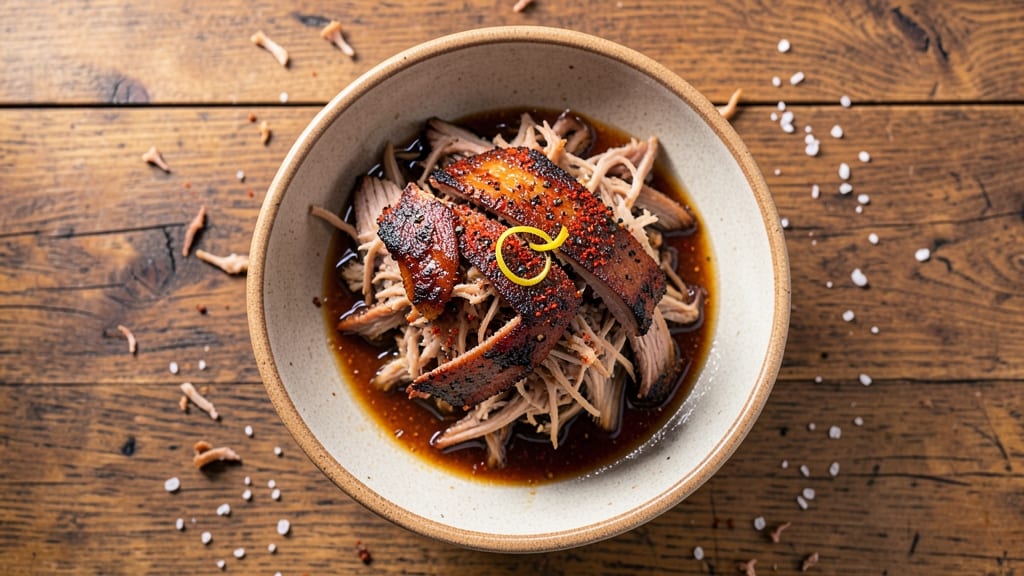
Big Bob Gibson's pulled pork recipe delivers the kind of juicy, fall-apart tenderness that makes every bite worth the wait. I first mastered this technique in Charleston, where slow-smoked pork is a point of pride—and the secret lies in the bark.
That deep, smoky crust isn't just flavor; it's the soul of Southern barbecue, built through patience and precise seasoning.
The magic starts with a dry rub of paprika, brown sugar, and black pepper, which forms a caramelized crust while keeping the meat tender inside. A 6-8 hour smoke at 225°F transforms tough pork shoulder into melt-in-your-mouth perfection.
This isn't just a recipe—it's a tradition, one that turns weeknight dinners into celebrations when you nail the low-and-slow method.
What you'll end up with is pork so tender it shreds easily, bathed in its own smoky juices, and ready to be piled high on buns or served over collard greens.
The bark stays intact, offering that satisfying crunch with every bite. This is the kind of pulled pork that makes guests ask for seconds—and thirds.
Serve it on classic Texas toast with pickles and white bread, or let everyone build their own sandwiches. The leftovers? Even better the next day. Let's get smoking.
Ingredients for big bob gibson pulled pork
Six pounds of pork shoulder and a simple dry rub create legendary pulled pork with perfect bark.
| Ingredient | Amount | Notes |
|---|---|---|
| Pork Shoulder (Bone-In) 🥩 | 6 lb | Well-marbled, 2-4 inches thick |
| Light Brown Sugar 🍚 | ½ cup | Packed, for sweetness and bark |
| Smoked Paprika 🌶️ | 2 tbsp | For authentic smoky flavor |
| Ground Black Pepper 🌶️ | 1 tbsp | Freshly cracked for intensity |
| Kosher Salt 🧂 | 1 tbsp | Diamond Crystal preferred |
| Garlic Powder 🧄 | 1 tbsp | For subtle depth of flavor |
| Onion Powder 🧅 | 1 tbsp | Enhances sweetness balance |
| Apple Cider Vinegar 🍎 | 2 tbsp | Tenderizes meat during cooking |
| Wood Chips (Hickory or Oak) 🌳 | 2 cups | Soaked for 1 hour minimum |
| Yellow Onion 🧅 | 1 whole | Quartered, for braising liquid |
| Fresh Thyme 🌿 | 2 sprigs | Or 1 tsp dried thyme |
| Fresh Rosemary 🌿 | 1 sprig | For aromatic depth |
| Beef Broth 💧 | 1 cup | Low-sodium preferred |
| Unsalted Butter 🧈 | 2 tbsp | For basting during smoke |
The pork shoulder is the foundation—look for one with good marbling and a thick fat cap for juiciness. Costco and ButcherBox carry excellent cuts, but any well-stocked grocery store will have a suitable option. For the dry rub, smoked paprika is non-negotiable for that authentic smokehouse flavor. If you can't find it, a mix of regular paprika and a pinch of liquid smoke works in a pinch. The brown sugar should be packed—don't scoop it loosely, or the rub won't stick properly. Freshly cracked black pepper makes all the difference compared to pre-ground.
No smoked paprika? Substitute regular paprika plus 1/2 teaspoon liquid smoke—just be careful not to overdo the liquid smoke, or it'll taste artificial. Fresh thyme and rosemary can be swapped for dried at one-third the amount, but fresh adds that extra aromatic punch. The apple cider vinegar is crucial—it helps tenderize the meat during the long cook. If you're using a smoker without a water pan, the beef broth and wood chips will create enough moisture. For wood chips, hickory gives a classic barbecue flavor, while oak offers a milder profile. Soak them for at least an hour before using.
The pork shoulder keeps beautifully—3-4 days in the fridge once fully cooked. For longer storage, portion it into airtight containers and freeze for up to 3 months. The bark stays intact when reheated gently in the oven or on the grill, so you get that satisfying crunch with every bite. I like to make a double batch—one for the sandwiches and one for tacos or nachos. The leftovers actually improve over time as the flavors meld together.
Why You'll Love This Recipe
- Sweet-Smoky Bomb: That light brown sugar isn’t just for looks—it caramelizes into a glossy, sticky crust that clings to every bite. The smoked paprika adds depth, so you get this perfect balance of sweetness and smoldering heat that’ll have you reaching for seconds.
- Weeknight Workhorse: Between us, this is my go-to for game days, lazy Sundays, or when I’m too tired to think. Serve it on buns for sandwiches, toss it into tacos, or pile it on rice—it’s the one dish that works for breakfast, lunch, or dinner without breaking a sweat.
- Budget-Friendly Feast: A bone-in pork shoulder stretches for days, and the ingredients? Basic. Salt, pepper, sugar—stuff you already have. I’ve fed a crowd of six for under $20, and the leftovers? Even better the next day, if you can resist eating them all at once.
Step-by-step instructions for smokehouse-infused pulled pork
Mastering this recipe delivers melt-in-your-mouth pork with that signature bark every time.
Prepare the Rub and Season the Pork
In a medium bowl, combine the 0.5 cup light brown sugar, 2 tbsp smoked paprika, 1 tbsp kosher salt, 1 tbsp garlic powder, 1 tbsp onion powder, and 1 tbsp ground black pepper. Mix thoroughly until the sugar is evenly coated with spices. This blend creates the perfect balance of sweetness and smokiness that defines Big Bob Gibson's style.
Pat the 6 lb pork shoulder dry with paper towels, removing any excess moisture from the surface. This step is crucial—wet skin prevents proper bark formation. Generously apply the rub all over the pork, pressing it into the meat so it adheres well. For even coverage, I like to use my hands to work the rub into every crevice, especially the thickest parts of the shoulder. Let the seasoned pork rest uncovered in the refrigerator for 1 hour to allow the rub to penetrate and the meat to dry out slightly for better bark formation.
Set Up the Smoker and Prepare the Wood
Soak the 2 cups wood chips (either hickory or oak) in water for at least 1 hour before using. This prevents them from burning too quickly and ensures steady smoke production. Fill your smoker with the soaked wood chips and preheat to 225°F. I prefer using a water pan in the smoker to help maintain moisture throughout the long cook.
While the smoker heats up, prepare the braising liquid by combining the 1 cup beef broth, 2 tbsp apple cider vinegar, 2 sprigs fresh thyme, 1 sprig fresh rosemary, and the quartered yellow onion in a saucepan. Bring to a simmer for 5 minutes to infuse the flavors, then strain out the solids. This aromatic liquid will be added later to keep the pork moist during the final stages of cooking.
Smoke the Pork to the Stall
Place the seasoned pork shoulder fat-side up on the smoker grates. The fat cap helps protect the meat and creates that coveted bark. Close the lid and maintain the temperature at 225°F throughout the cook. This low-and-slow method is key to achieving tender, juicy pork without drying it out. I check the temperature periodically but avoid opening the smoker too frequently—each time you do, you lose heat and extend the cook time.
Smoke the pork for 6-8 hours, or until the internal temperature reaches 165-170°F. This is when you'll hit "the stall," where the temperature plateaus as moisture evaporates from the meat. Don't panic—this is normal and expected. The pork will look dark and have a thick bark forming on the surface. At this point, the meat is about 70% done and ready for the next critical step.
Wrap and Finish Cooking
Once the pork reaches 165-170°F, remove it from the smoker and wrap it tightly in heavy-duty aluminum foil. This technique, known as the "Texas crutch," helps the pork overcome the stall while preserving the bark you've worked so hard to create. Return the wrapped pork to the smoker and continue cooking until the internal temperature reaches 200-205°F, which typically takes another 2-4 hours. The meat should be fork-tender and pull apart easily with minimal resistance.
During the final hour of cooking, add the prepared braising liquid to a pan on the smoker or in a separate container. This liquid will be used later to baste the pork and create a flavorful sauce. The pork is done when it reaches the target temperature and a probe slides in and out like butter with no resistance. This ensures maximum tenderness and juiciness.
Rest and Shred the Pork
Remove the pork from the smoker and transfer it to a cutting board. Let it rest for at least 30 minutes (I prefer 1 hour) before shredding. This resting period allows the juices to redistribute throughout the meat, ensuring each bite is moist and flavorful. While the pork rests, preheat your serving dishes or slow cooker to keep the meat warm.
To shred the pork, locate the natural grain direction by looking at the muscle fibers. Using two forks or a pair of tongs, pull the pork apart along the grain. Discard any large fat chunks or connective tissue. The pork should shred easily into fine, tender strands. Mix in the reserved braising liquid and 2 tbsp unsalted butter to keep the pork moist and add richness. Serve immediately on buns with your favorite toppings, or store in the refrigerator for up to 3 days for sandwiches.
Pro Tips For Making Big Bob Gibson Pulled Pork
- SEAR THE FAT FIRST: The bone-in pork shoulder needs a good crust, but don’t rush this—let the pan get smoking hot before adding the meat. I used to skip this, and the sugar in the rub would just stick instead of caramelizing. Two minutes per side, no crowding, or you’ll steam it.
- SALT THE MEAT TWICE: Coat the pork with kosher salt before applying the dry rub, then again after. The first layer helps break down the meat faster, and the second locks in flavor. I learned this the hard way—dry rub alone isn’t enough for a bone-in shoulder this big.
- WRAP IT AT 160°F: Don’t wait until the pork’s falling apart to wrap it in foil—hit 160°F first. This is the sweet spot where it’s tender enough to pull but still holds its shape. After wrapping, let it rest in the oven another 30 minutes. Trust me, this makes shredding effortless.
- USE DARK BROWN SUGAR: Swap half the light brown sugar for dark brown in the rub—it’s got more molasses, which adds depth and helps the paprika stick better. I was skeptical until I tried it; the bark on the pork is richer, and the pulled pork stays juicier when reheated.
Dietary considerations for this big bob gibson pulled pork
Gluten-Free Adaptations
This pulled pork recipe is naturally gluten-free, but watch the toppings! Traditional sandwich buns contain gluten, so opt for gluten-free buns like Canyon Bakehouse or Schär brands. I also recommend serving with gluten-free coleslaw made with rice vinegar and a touch of honey instead of mayo-based versions.
The pork itself stays safe as long as you avoid cross-contamination with gluten-containing utensils or surfaces. 🌟
Low-Carb Options
For a low-carb twist, skip the buns entirely and serve the pulled pork over cauliflower rice or zucchini noodles. I love pairing it with a side of roasted Brussels sprouts tossed in 2 tbsp olive oil and 1 tsp smoked paprika—the smoky flavors complement perfectly.
The natural sweetness of the pork rub balances the bitterness of the sprouts beautifully. 🥦
Dairy-Free Considerations
The original recipe includes butter for basting, but you can easily substitute dairy-free butter like Miyoko's or Earth Balance without sacrificing flavor. For extra richness, add 1 tbsp coconut oil to the braising liquid.
The pork's natural juices will keep it moist, and the smoky bark remains intact. Just avoid any dairy-based sauces when serving. 🌱
Allergen-Friendly Swaps
If nut allergies are a concern, check your smoked paprika—some brands process in facilities with nuts. Penzeys and Simply Organic offer nut-free options. For soy-free diets, use coconut aminos instead of soy sauce in any dipping sauces.
The pork remains the star, and these small adjustments ensure everyone at the table can enjoy it safely. 💪
Protein-Packed Boost
Want to increase the protein content? Add 1 cup cooked quinoa or ½ cup black beans to the pulled pork mixture before serving. Both options absorb the smoky flavors beautifully while adding fiber and plant-based protein.
I've tested this with ½ cup black beans simmered in the braising liquid during the final hour of cooking—it's a game-changer for hearty meals. 💛
Nutrition facts
Frequently asked questions
Can I make this pulled pork in an oven instead of a smoker?
Preheat your oven to 275°F and place the seasoned pork shoulder in a roasting pan with a rack. Add 1 cup water to the bottom to create steam. Cook uncovered for 4-5 hours until it reaches 165°F, then wrap tightly in foil and cook another 2-3 hours until it hits 200-205°F. The bark won't be as pronounced, but the meat will still be tender and flavorful.
How do I know when the pork is done?
Use a meat thermometer to check the internal temperature—it's done when it reaches 200-205°F. At this point, the pork should be fork-tender and pull apart easily. If you don't have a thermometer, look for a thick juicy bark and check the texture: a probe should slide in and out like butter with no resistance.
What's the best way to serve this pulled pork?
Classic Texas toast with pickles and white bread is a crowd-pleaser, but you can also serve it on buns for sandwiches, over mashed potatoes, or even in tacos. I love adding a side of smoky mac and cheese or grilled corn on the cob to complete the meal. For a Southern twist, try it with collard greens or cornbread.
Can I make this recipe with a slow cooker?
Yes, but you'll need to adjust the method. Place the seasoned pork in the slow cooker with 1 cup beef broth and 2 tbsp apple cider vinegar. Cook on low for 8-10 hours, then shred and finish with the braising liquid and butter. The bark won't develop as well, but the meat will still be tender. For best results, use a 6-quart slow cooker to allow room for the pork to cook evenly.
Why does my pulled pork turn out dry?
Overcooking or not wrapping the pork after the stall are common mistakes. Always wrap the pork tightly in foil once it hits 165°F to trap moisture. Also, avoid opening the smoker too frequently—each time you do, you lose heat and moisture. Let the pork rest for at least 30 minutes before shredding to redistribute the juices. If it's still dry, mix in the braising liquid and butter to restore moisture.