
Main Courses
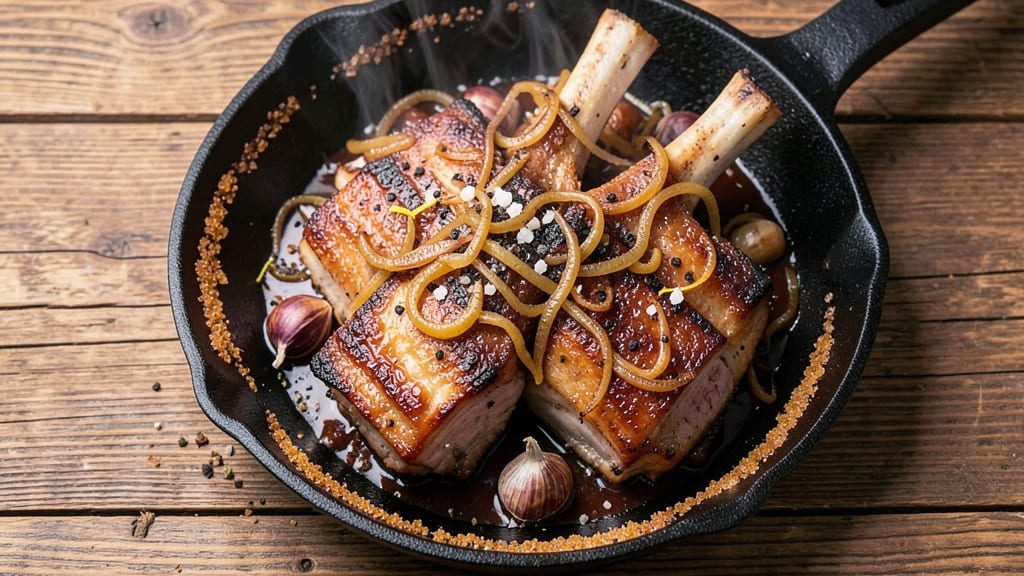
This bone-in pork shoulder country-style ribs recipe delivers the kind of fall-apart tenderness and smoky bark that turns weeknight dinners into showstopping meals. I developed it during a particularly busy week when I needed a method that would transform tough pork into melt-in-your-mouth perfection without requiring constant attention.
The secret lies in low-and-slow cooking that breaks down the connective tissue while building that coveted crust.
What sets this recipe apart is the balance of technique and simplicity. No fancy equipment needed—just time, patience, and a few key steps that ensure restaurant-quality results at home. We'll focus on proper temperature control, bark development, and the art of slicing to showcase that tender meat underneath.
This is the kind of dish that gets passed around the table and disappears quickly, leaving everyone asking for seconds.
The process begins with a simple dry rub that enhances the pork's natural flavors, followed by a slow cook that transforms tough cuts into something luxurious. By the time you're done, you'll have ribs that are tender enough to pull apart with a fork while maintaining that beautiful, crispy exterior.
The aroma alone will have your kitchen filled with anticipation long before the meal is ready.
Perfect for family gatherings, game days, or when you want to impress guests without spending hours in the kitchen. The method scales beautifully, so whether you're feeding four or twelve, this recipe delivers consistent, professional-quality results.
Let's get started on creating ribs that will have everyone raving about your cooking skills.
Ingredients for bone in pork shoulder country style ribs
Pork shoulder, aromatic spices, and time—these are the pillars of restaurant-quality country ribs.
| Ingredient | Amount | Notes |
|---|---|---|
| Bone-In Pork Shoulder 🍖 | 4 lb | With bone and fat cap intact |
| Yellow Onion 🧅 | 1 whole | Sliced into wedges |
| Garlic Cloves 🧄 | 6 cloves | Smashed but not minced |
| Brown Sugar 🍚 | ½ cup | Packed lightly |
| Smoked Paprika 🌶️ | 2 tbsp | For deep smoky flavor |
| Ground Black Pepper 🌶️ | 1 ½ tbsp | Freshly cracked |
| Kosher Salt 🧂 | 2 tbsp | Diamond Crystal preferred |
| Apple Cider Vinegar 🍎 | ¼ cup | For tangy bark |
| Honey 🍯 | ¼ cup | Wildflower preferred |
| Wooden Pickling Spices 🌿 | 1 package | Bay leaves, peppercorns, mustard seeds |
| Yellow Mustard Seeds 🌶️ | 1 tbsp | Whole seeds only |
| Black Peppercorns 🌶️ | 1 tbsp | Whole, lightly crushed |
| Fresh Thyme Sprigs 🌿 | 4 sprigs | Or 1 tsp dried thyme |
| Unsalted Butter 🧈 | ½ cup | Cold and cubed |
The pork shoulder is where this magic starts. Look for a well-marbled cut with a thick fat cap—this is what creates that beautiful bark and keeps the meat juicy. Costco and Whole Foods carry excellent bone-in cuts, but your local butcher can trim it perfectly if you ask. The fat cap should be at least 1/4-inch thick; if it's thinner, don't worry—just add a little extra butter to the rub. For the spices, Penzeys has fantastic smoked paprika, but the regular grocery store stuff works too. Just make sure it's labeled 'smoked'—not sweet paprika. The wooden pickling spices package includes bay leaves, peppercorns, and mustard seeds—everything you need for that authentic country flavor.
No smoked paprika? Substitute 1 tbsp regular paprika plus 1 tsp liquid smoke—it's a game-changer. Running low on apple cider vinegar? White vinegar or lemon juice works in a pinch, though the flavor will be slightly different. The honey can be swapped for maple syrup if you prefer, but trust me on the wildflower variety—it's richer. For the thyme, fresh is ideal, but dried works at one-third the amount. If you're making this ahead, prep the rub ingredients in a ziplock bag—it keeps for 2 weeks in the pantry. The butter should be cold when you add it to the rub; if it's melted, chill it for 20 minutes before mixing.
This rub stays potent for 3 months in an airtight container. The pork shoulder itself can be prepped a day ahead—just store it uncovered in the fridge to dry the surface slightly, which helps the bark develop. For leftovers, ribs reheat beautifully wrapped in foil in a 350°F oven for 15 minutes. I always make a double batch—one for dinner and one for sandwiches the next day. The leftovers actually taste better because the flavors meld even more overnight. Store any extra rub in a small jar in a cool, dark place for your next project.
Why You'll Love This Recipe
- Fewer Ingredients, Bigger Bang: The pantry staples here—smoked paprika, brown sugar, even that one onion sitting in your fridge—are all you need. No fancy rubs or secret sauces, just the kind of honest flavor that makes you wonder why you ever bought anything else.
- Caramelized Magic: That brown sugar isn’t just sweet—it turns the edges into sticky, crackling perfection while the bone-in keeps the meat juicy. Honestly, the first time I bit into it, I nearly dropped the fork.
- Budget-Friendly Feast: A whole pork shoulder feeds six for less than takeout, and the bones? I toss them in the freezer for future stocks. Between us, this is how I stretch my grocery budget without sacrificing taste.
Step-by-step instructions for bone-in pork shoulder country-style ribs
Here's the method that delivers fall-apart tenderness and a perfect smoky bark every time.
Prepare the Dry Rub for Maximum Flavor
In a medium bowl, combine the 0.5 cup brown sugar, 2 tablespoons smoked paprika, 1.5 tablespoons ground black pepper, and 2 tablespoons kosher salt. This blend creates the perfect balance of sweet, smoky, and savory flavors that will develop into that coveted bark. Use your fingers to break up any clumps in the brown sugar—this ensures even distribution when you apply it later.
Add the 1 tablespoon yellow mustard seeds and 1 tablespoon black peppercorns to the mixture. These whole spices add texture and subtle heat that ground spices can't match. Stir everything together until thoroughly combined—you should see a fine, even powder with visible specks of whole spices. This is your dry rub, and it's the foundation of those beautiful ribs.
Create the Wet Glaze for Sticky, Smoky Bark
In a separate small bowl, whisk together the 0.25 cup apple cider vinegar and 0.25 cup honey until fully combined. This tangy-sweet glaze is what creates that signature sticky bark while keeping the meat tender. The acidity from the vinegar helps break down collagen, while the honey adds caramelization and depth of flavor.
Add the 4 sprigs fresh thyme and the contents of 1 package wooden pickling spices to the vinegar-honey mixture. Gently stir to distribute the spices—you don't want to crush them completely, just enough to release their aromatic oils. This infusion will permeate the meat during the cooking process, creating layers of complex flavor.
Season and Rest the Pork Shoulder
Pat the 4 lb bone-in pork shoulder completely dry with paper towels—this is crucial for developing that crispy bark. Generously coat all sides with the dry rub mixture, pressing it into the meat so it adheres well. Pay special attention to the bone and fat cap areas, as these tend to collect moisture and need extra seasoning.
Next, apply the wet glaze mixture all over the rubbed pork shoulder, making sure to get into all the nooks and crannies. Place the seasoned pork on a wire rack set over a baking sheet to allow air circulation on all sides. Cover loosely with plastic wrap and refrigerate for at least 4 hours or overnight—this resting period allows the rub to penetrate deeply and the flavors to meld together.
Cook Low and Slow for Perfect Tenderness
Preheat your oven to 275°F. Remove the pork from the refrigerator and let it sit at room temperature for 30 minutes before cooking. Place the pork shoulder fat-side up on the wire rack and insert a meat thermometer into the thickest part of the meat, avoiding the bone.
Cook the pork for 6 hours or until the internal temperature reaches 195°F. This low-and-slow method is key to achieving that melt-in-your-mouth tenderness. The fat will render beautifully, basting the meat continuously. Every 30 minutes, spoon any accumulated juices from the baking sheet over the top of the pork—this helps create that glossy, caramelized bark.
Rest and Serve for Maximum Juiciness
Once the pork reaches 195°F, remove it from the oven and transfer it to a cutting board. Tent loosely with aluminum foil and let it rest for at least 30 minutes—this crucial resting period allows the juices to redistribute throughout the meat. If you cut into it too soon, all those precious juices will run out, leaving you with dry meat.
While the pork rests, melt the 0.5 cup unsalted butter in a small saucepan over low heat. Add the 1 whole yellow onion, sliced into wedges, and the 6 cloves garlic, smashed but not minced. Cook gently for 10-12 minutes until the onion is caramelized and the garlic is fragrant. This butter-basted onion and garlic mixture makes an excellent accompaniment to your ribs.
Slice the pork shoulder against the grain into ½-inch thick pieces and serve immediately with the caramelized onion and garlic butter. Each bite should offer a perfect balance of tender meat, smoky bark, and sweet-savory glaze—this is what makes country-style ribs truly special.
Pro Tips For Making Bone In Pork Shoulder Country Style Ribs
- CRANK THE HEAT FIRST: Start your pork shoulder in a screaming-hot pan—no need to simmer gently. The initial sear locks in flavor and tightens the skin, so it doesn’t turn to mush later. I used to low-and-slow from the start, and the ribs stayed greasy and bland. Two minutes per side, high heat, until deep brown.
- CHOP ONIONS COARSELY: Skip the fine dice—big, uneven chunks of onion caramelize faster and add texture. They’ll soften into the ribs without turning to paste, which actually makes the sauce richer. (Yes, even if it looks messy. Your future self will notice.)
- DON’T RUSH THE REST: After cooking, tent the ribs with foil and let them sit for at least 10 minutes. The meat keeps cooking off the heat, and the juices redistribute so every bite is moist. I learned this the hard way—cutting too soon always leaves dry edges.
- USE WET PAPER TOWELS: Wrap the cooked ribs in damp paper towels for the last 5 minutes. The steam keeps them tender while the dry surface crisps up. Sounds weird, but it works—no more soggy ribs when you slice. (Your guests won’t even ask how you did it.)
Perfect pairings for these flavors
Classic Southern Sides
Nothing complements these country-style ribs better than classic Southern sides. I love serving them with creamy mac and cheese—the richness balances the smoky flavors perfectly.
Use sharp cheddar and Gruyère for depth, and finish with a sprinkle of smoked paprika to tie into the ribs' seasoning. 🧀 For a lighter option, try collard greens slow-cooked with apple cider vinegar and brown sugar—it mirrors the ribs' sweet-savory profile.
Cornbread with honey butter is a must—its slight sweetness cuts through the richness. I make mine with stone-ground cornmeal for texture, and brush it with wildflower honey butter while warm. The contrast of warm, buttery cornbread against tender ribs is pure Southern magic. For a heartier option, baked beans with brown sugar and molasses add another layer of depth to the meal.
Pickled Vegetables
Bright, tangy pickles cut through the richness beautifully. My go-to is quick-pickled red onions—thinly sliced onions in apple cider vinegar, honey, and a pinch of cayenne.
For a full spread, add pickled jalapeños and dill spears for crunch and heat. The acidity from the vinegar also helps cleanse your palate between bites of rich pork.
For a more substantial side, try pickled watermelon rind—it's a Southern staple that adds a refreshing crunch. Thinly slice watermelon rind, pack it into a jar with vinegar, sugar, and mustard seeds, then let it sit for 24 hours before serving.
The sweet-tangy flavor pairs wonderfully with the smoky ribs and balances the meal beautifully. 🍉
Drink Pairings
For a true Southern experience, serve these ribs with sweet tea—the classic pairing that enhances the smoky flavors. I like mine lightly sweetened with honey and a splash of lemon juice for brightness.
For a non-alcoholic option, sparkling lemonade with a hint of mint adds a refreshing contrast to the richness.
If you're serving alcohol, bourbon is the obvious choice—its caramel notes complement the ribs' sweet-savory profile. I recommend a small glass of bourbon neat or in a bourbon old-fashioned with a orange twist.
For beer lovers, a light lager like Miller Lite or Coors Light keeps the meal balanced without overpowering the flavors. 🍺
Garnishes and Finishing Touches
Before serving, garnish the ribs with fresh thyme sprigs and a sprinkle of flaky sea salt to elevate the presentation. The thyme ties back to the recipe's seasoning, while the salt enhances the smoky flavors.
For extra flair, drizzle each plate with a honey-mustard glaze—just mix 2 tablespoons honey with 1 tablespoon Dijon mustard and reduce it slightly over low heat.
Don't forget the caramelized onion and garlic butter from the recipe—it makes an excellent sauce for dipping or drizzling over the ribs. The sweetness of the onions and the richness of the butter add another layer of flavor that ties everything together.
Serve with warm buttered dinner rolls for soaking up any extra juices or sauce. 🥖
Nutrition facts
Frequently asked questions
Why do I need to rest the pork shoulder after cooking?
Resting the pork for 30 minutes after reaching 195°F is critical because it allows the juices to redistribute throughout the meat. If you slice too soon, all those precious juices will escape, leaving you with dry meat. This step ensures every bite is tender and flavorful. Think of it as letting the meat "settle" before serving—just like how good wine needs time to breathe!
Can I use a different cut of pork for this recipe?
While bone-in pork shoulder is ideal, you can use bone-in pork butt or even a bone-in pork picnic shoulder. The key is choosing a cut with a good fat cap (1/4-inch thick) and connective tissue. Avoid lean cuts like tenderloin—they won't have the same tenderness or bark. If you're unsure, ask your butcher for a well-marbled cut with bone.
What's the best way to slice these ribs for serving?
Slice the pork shoulder against the grain into ½-inch thick pieces for maximum tenderness. Look for the long muscle fibers and cut perpendicular to them. This shortens the fibers, making each bite easier to chew and more flavorful. For a rustic presentation, leave some pieces connected to the bone. Use a sharp knife and cut slowly for clean slices.
Can I make these ribs in a slow cooker instead of the oven?
Place the seasoned pork in your slow cooker and cook on Low for 8-10 hours or High for 5-6 hours, adding ½ cup apple juice or broth to the bottom to create steam. The bark won't be as crispy as oven-cooked, but the meat will still be incredibly tender. For extra bark, finish in a 400°F oven for 15-20 minutes before resting.
How do I store leftovers and reheat them properly?
Store leftovers in an airtight container in the fridge for up to 4 days or freeze for 3 months. To reheat, wrap slices in foil and warm in a 350°F oven for 15 minutes or until heated through. For extra crispiness, broil for 2-3 minutes at the end. Leftovers actually taste better the next day as flavors meld further!