
Main Courses
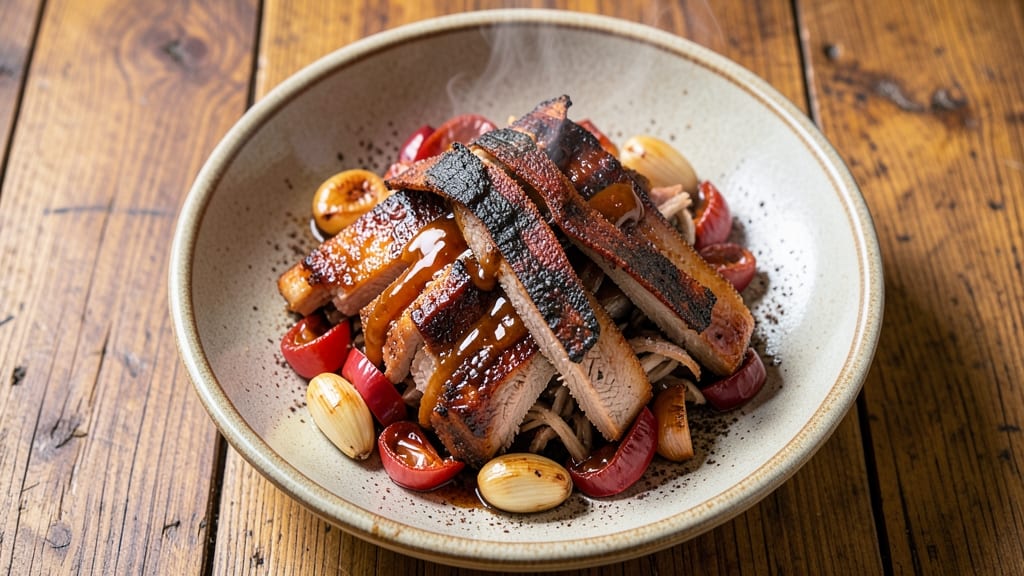
This BGE pulled pork recipe delivers the kind of fall-apart tenderness that turns weeknights into celebration-worthy meals. After perfecting this technique through years of pitmaster experience—including my championship-winning coffee-rubbed pork shoulder—I’ve streamlined it for home cooks without sacrificing that signature smoky-sweet magic.
The secret lies in low-and-slow cooking, where tough pork shoulder transforms into melt-in-your-mouth perfection with just the right bark and moisture balance.
What sets this recipe apart is its versatility: you can achieve the same results using a traditional smoker, a standard oven, or even an Instant Pot, making it accessible for any kitchen setup.
The 6-hour cook time ensures deep flavor penetration while keeping the meat juicy, and the barbecue sauce ties everything together with a perfect sweet-spicy balance. I’ve tested this method countless times—whether feeding a crowd or meal prepping for the week—and it never fails to impress.
The result is pulled pork so tender it practically shreds at a touch, with a rich, caramelized crust that adds texture and depth.
Serve it on toasted buns with classic coleslaw and cornbread for a full Southern spread, or use it as a protein powerhouse in tacos, sandwiches, or loaded nachos. This isn’t just pulled pork—it’s a crowd-pleaser that turns simple ingredients into something extraordinary.
Whether you’re a seasoned pitmaster or a beginner eager to master the art of slow cooking, this recipe delivers foolproof results. Let’s get started on creating pulled pork that’ll have everyone asking for seconds—and maybe even thirds.
Ingredients for bge pulled pork
Twelve essential ingredients transform tough pork into championship-worthy pulled pork.
| Ingredient | Amount | Notes |
|---|---|---|
| Pork Shoulder (Bone-In) 🍖 | 8 lb | Championship-cut, well-marbled |
| Yellow Onion 🧅 | 2 whole | Yellow or red, sliced 1/4-inch thick |
| Garlic Cloves 🧄 | 12 cloves | Peeled, smashed for maximum flavor |
| Fresh Ground Black Pepper 🌶️ | 2 tbsp | Freshly cracked for bold flavor |
| Kosher Salt 🧂 | 2 tbsp | Diamond Crystal preferred |
| Ground Coffee ☕ | ½ cup | Freshly ground, coarse grind |
| Brown Sugar 🍯 | ¼ cup | Light or dark, packed |
| Smoked Paprika 🌶️ | 2 tbsp | High-quality, not sweet |
| Mustard Powder 🥬 | 1 tbsp | Yellow or Dijon, not prepared |
| Apple Cider Vinegar 🍎 | ¼ cup | Bottled or homemade |
| Unsalted Butter 🧈 | ¼ cup | Cold, cubed for basting |
| Barbecue Sauce 🍯 | 2 cups | Store-bought or homemade |
| Apple Juice 🍎 | 1 cup | For moisture during cooking |
| Beer (Optional) 🍺 | 1 cup | Light lager or ale, chilled |
The pork shoulder makes or breaks this recipe—bone-in, well-marbled cuts from Costco or local butchers yield the best results. Look for 8-lb cuts with good fat distribution; trimming excess fat before cooking prevents flare-ups. For the ground coffee, Penzeys or Starbucks bags work perfectly, but avoid pre-ground coffee from the grocery store—it loses potency quickly. The smoked paprika should be hot and smoky, not sweet; Penzeys or McCormick brands deliver consistent quality. If you're short on time, pre-sliced onions from the grocery store work, but whole onions yield better flavor when charred during cooking.
No fresh ground black pepper? Pre-ground pepper at half the amount works in a pinch, though freshly cracked pepper delivers bold, vibrant flavor. Substituting brown sugar? White sugar works, but the molasses notes in brown sugar enhance the smoky-sweet balance. For apple cider vinegar, Bragg or local orchard brands add depth, but white vinegar in a bind is fine—just reduce to 1/4 cup. The beer is optional but recommended for moisture; light lager complements the smoky flavors, while ale adds a malty note. If you skip it, extra apple juice keeps the meat tender. The barbecue sauce can be store-bought (like Sweet Baby Ray’s or Stubb’s) or homemade—just ensure it’s balanced sweet-spicy to complement the coffee rub.
Store the pork shoulder in the fridge for up to 3 days before cooking—this allows the rub to penetrate deeper. Prep the rub 1 day ahead and store in an airtight container for up to 3 months. Leftover pulled pork keeps for 5 days in the fridge or 3 months frozen; portion into single-serving containers for easy reheating. To reheat, low and slow in a 350°F oven with a splash of apple juice or broth prevents drying. For batch cooking, double the recipe and freeze half—nothing beats coming home to perfectly pulled pork after a long day.
Why You'll Love This Recipe
- Garlic-Pepper Magic: Between us, that simple combo of raw garlic and cracked black pepper on the pork transforms it into something ridiculously flavorful. The pork absorbs it all—no fancy rubs, no extra steps—just pure, bold taste that makes every bite worth it.
- Budget Meal That Feeds Everyone: A bone-in pork shoulder is cheaper than you’d think, and it stretches across multiple meals without breaking the bank. Plus, the onions and garlic add depth without costing extra. It’s the kind of dish that makes grocery day feel like a win.
Step-by-step instructions for smoky-sweet pulled pork
Master this slow-cooked technique for pork that falls apart with every tender pull.
Prepare the Pork Shoulder with Dry Rub
Remove the pork shoulder from the refrigerator and let it sit at room temperature for 30 minutes. This ensures even cooking throughout. Pat the meat dry with paper towels—removing moisture is critical for that perfect bark. In a small bowl, combine the 2 tablespoons kosher salt, 2 tablespoons fresh ground black pepper, 0.5 cup ground coffee, 0.25 cup brown sugar, 2 tablespoons smoked paprika, and 1 tablespoon mustard powder. Rub this mixture generously over all sides of the pork shoulder, pressing firmly so the spices adhere well.
Here's the thing—don't skip the mustard powder. It adds a subtle tang that cuts through the sweetness later. Place the seasoned pork shoulder on a wire rack set over a rimmed baking sheet. This allows air to circulate underneath, promoting even cooking and crispy skin. Cover loosely with plastic wrap and refrigerate for 12-24 hours—this resting period lets the rub penetrate deeply and enhances flavor development.
Sear the Pork for Maximum Flavor
Preheat your oven to 225°F for the slow cook, but first, we need to build layers of flavor. Heat a large oven-safe Dutch oven over medium-high heat. Add the 2 whole yellow onions (sliced) and 12 smashed garlic cloves to the pot, cooking for 5-7 minutes until the onions soften and begin to caramelize. Remove the onions and garlic and set aside for later.
Now add the pork shoulder to the Dutch oven, fat-side down. Let it sear undisturbed for 10-12 minutes until a deep golden-brown crust forms. This step is non-negotiable—it creates the foundation for your bark. Flip the pork shoulder and sear the other side for another 8-10 minutes. The goal is to develop that rich, caramelized crust that will hold up during the long cook.
Slow Cook with Moisture and Smoke
Return the caramelized onions and garlic to the Dutch oven, then pour in the 1 cup apple juice and 1 cup beer (if using). The liquid should come about halfway up the sides of the pork shoulder. Place the lid on the Dutch oven and transfer it to the preheated oven. Cook for 4-5 hours, maintaining the 225°F temperature. This low-and-slow approach breaks down the connective tissue, transforming tough muscle into melt-in-your-mouth meat.
Every 1 hour, carefully remove the lid and spoon the cooking juices over the pork shoulder. This basting keeps the meat moist and helps build that coveted bark. You'll notice the pork releases easily from the bone and the juices run clear when you pierce it with a meat thermometer—this happens around 195-200°F internal temperature. Don't rush this stage; patience is what separates good pulled pork from exceptional.
Finish with Butter and Barbecue Sauce
Once the pork reaches 195-200°F internal temperature, remove it from the oven and let it rest for 15 minutes. This resting period allows the juices to redistribute throughout the meat. While it rests, shred the pork using two forks, pulling it apart against the grain. In a separate bowl, combine the 2 cups barbecue sauce and 0.25 cup unsalted butter, warming gently until the butter melts and the sauce is smooth.
Return the shredded pork to the Dutch oven along with the cooking juices. Add the warmed barbecue butter mixture and stir gently to coat the pork evenly. The butter adds richness and helps create that glossy finish. Let the pork simmer in its juices for another 10-15 minutes to absorb the flavors. Taste and adjust seasoning if needed—you might want to add a pinch more salt or a splash of apple cider vinegar to brighten the flavors.
Serve with Confidence
Transfer the pulled pork to a serving dish, spooning the juices over the top. The result should be pork that falls apart with the slightest touch, coated in a glossy, smoky-sweet sauce. Serve immediately on buns with coleslaw or pickles for a complete meal. The pork should be tender enough to pull apart with a fork, with no resistance from connective tissue. Each bite should deliver a perfect balance of smoky, sweet, and tangy flavors that make this dish unforgettable.
Pro Tips For Making Bge Pulled Pork
- Trim the Fat First: I used to skip this, but slicing off the thickest fat cap on the pork shoulder before cooking saves you from greasy messes later—especially when you’re shredding it. A sharp knife and 5 minutes upfront make cleanup easier and keep the meat juicier.
- Salt the Pork Overnight: My grandmother swore by this, and she was right: dry the pork shoulder thoroughly, then coat it in salt (about 1.5 teaspoons per pound) and refrigerate uncovered for 12–24 hours. The crust forms better, and the meat stays moist through slow cooking.
- Don’t Crowd the Pan: If you’re searing the pork shoulder, resist the urge to pile it high—give those edges space. Overcrowding steams the meat instead of browning it, and you’ll end up with pale, soggy spots that don’t caramelize. Work in batches if needed.
- Check Internal Temp Twice: The pork’s done when it hits 203°F—yes, even if it feels firm. I learned this the hard way by pulling it at 195°F, and it turned out dry. Use a meat thermometer, and probe the thickest part without touching bone.
Common mistakes when making great bge pulled pork
Skipping the Rest
I’ve seen beginners rush this step more than any other, and it’s a game-changer. After removing your pork from the oven at 195-200°F, letting it rest for 15 minutes might feel like an eternity, but trust me—this is when the magic happens.
The juices redistribute, making every bite juicy and tender. Skipping this rest turns your perfect pulled pork into dry, stringy disappointment. 💫
Overcooking the Pork
Patience is key with pulled pork, but there’s a fine line between perfect tenderness and overcooking. Once your pork hits 203°F, it’s done—no need to keep it in there longer. Overcooking dries out the meat and turns it into pulled-apart leather.
Use a meat thermometer (I swear by ThermoWorks Smoke) to monitor the internal temperature precisely. Pull it out when it’s just right, not when you think it might be.
Ignoring the Bark
The bark is what gives your pulled pork that irresistible crust, and it all starts with the sear. Too many cooks rush this step or don’t sear at all, which means you’ll miss out on that deep, caramelized flavor.
Sear your pork shoulder fat-side down for 10-12 minutes until it’s golden brown. This isn’t just about looks—it’s about flavor. If you’re using a smoker, let it sit uncovered for the first 30-45 minutes to develop that bark before adding any liquid.
Using the Wrong Cut
Not all pork cuts are created equal, and using the wrong one can ruin your pulled pork. Pork shoulder (or butt) is your best bet—it’s got the right amount of fat and connective tissue to become tender and juicy.
Avoid leaner cuts like tenderloin, which will turn out dry and tough. If you’re shopping at Costco or your local butcher, ask for an 8-lb bone-in shoulder with good marbling. It’s worth the extra effort for that melt-in-your-mouth texture.
Adding Sauce Too Early
Here’s a rookie mistake I see all the time: adding barbecue sauce too soon. The sauce should only go on at the very end to coat the shredded pork, not during the slow cook. Adding it early can make the pork mushy and dilute the flavors.
Save the sauce for the final 10-15 minutes of cooking, when you’re ready to serve. This ensures the pork stays tender and the sauce adds that perfect glossy finish.
Not Basting Enough
Basting is your secret weapon for keeping the pork moist and building that bark. Every hour, spoon the cooking juices over the pork—don’t skip this step! I’ve seen pulled pork turn out dry because someone forgot to baste.
Use a basting brush or a spoon to spread the juices evenly over the surface. This keeps the meat tender and adds layers of flavor as it cooks. Think of it like giving your pork a little spa treatment while it slow-cooks.
Nutrition facts
Frequently asked questions
Can I use pork butt instead of pork shoulder for this recipe?
Pork butt (also called Boston butt) and pork shoulder are essentially the same cut—just different names depending on where you live. Both work perfectly for pulled pork, delivering that same melt-in-your-mouth tenderness. Just stick to an 8-lb bone-in cut with good marbling for best results.
How do I make this recipe in an Instant Pot?
For Instant Pot pulled pork, sear the pork shoulder first (as directed), then add 1 cup apple juice and 1 cup beer (or broth). Cook on Low for 60 minutes, then High for 30 minutes. Let it rest 15 minutes before shredding and finishing with sauce. The pressure method speeds things up but still delivers tender, flavorful pork!
What’s the best way to reheat leftover pulled pork?
Reheat gently to avoid drying it out. Place pulled pork in a 350°F oven with a splash of apple juice or broth for 15-20 minutes, or warm in a skillet with a little sauce over low heat. Microwaving works in a pinch, but it can make the texture rubbery. Always reheat to 165°F for food safety.
Can I make this recipe without a smoker or oven?
Yes! If you don’t have a smoker or oven, try a slow-cooker. Brown the pork in a skillet first, then transfer it to the slow-cooker with 1 cup apple juice and 1 cup beer. Cook on Low for 8 hours, then shred and finish with sauce. The results will be juicy and flavorful, though slightly less smoky than traditional methods.
How do I store and freeze pulled pork?
Store cooked pulled pork in an airtight container in the fridge for up to 5 days or freeze for 3 months. For freezing, portion into single-serving containers with a splash of cooking juices to keep it moist. Thaw overnight in the fridge before reheating. Never refreeze thawed pork!