
Main Courses
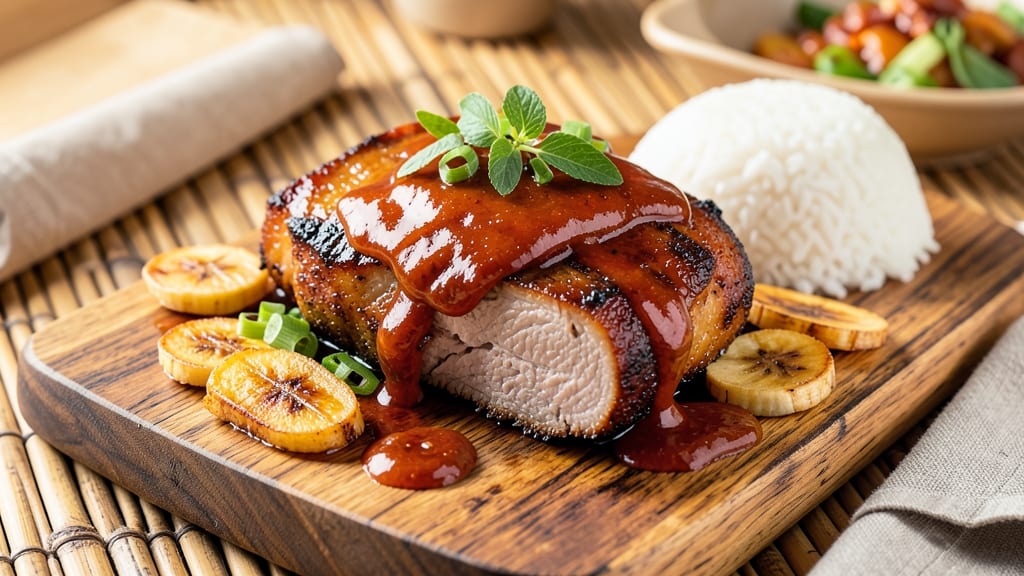
This Filipino-style pork barbecue delivers restaurant-quality tenderness with a perfect balance of smoky, tangy, and sweet flavors that will transport you straight to a bustling karinderia stall. 🔥 The secret lies in a slow-braised vinegar marinade that transforms even the toughest cuts into melt-in-your-mouth perfection, while traditional Filipino ingredients like patis (fish sauce) and banana ketchup add depth you won’t find in standard BBQ recipes.
The beauty of this method is its accessibility—whether you grill, smoke, or oven-roast, the foolproof technique ensures consistent results every time.
What sets it apart is the marriage of Filipino flavors: the bright tang of vinegar, the umami punch of patis, and the subtle sweetness of banana ketchup, all working together to create a sauce that’s sticky, glossy, and impossible to resist.
Even if you’re new to Filipino cooking, this recipe delivers authenticity without requiring hard-to-find ingredients.
By the time you’re done, you’ll have juicy, caramelized pork that practically falls apart at the touch, bathed in a glossy, aromatic sauce that’s perfect for serving over steamed rice or with crispy garlic fried rice.
The aroma alone—smoky, vinegary, and slightly sweet—will have everyone gathering around the table, and the first bite will silence any skepticism. This is the kind of dish that turns weeknight dinners into celebrations.
The best part? Leftovers reheat beautifully, making it ideal for meal prep or feeding a crowd. Whether you’re hosting a gathering or simply craving a taste of home, this recipe delivers tender, flavorful pork that’s as impressive as it is delicious. Let’s get cooking—your taste buds will thank you.
Ingredients for best pork barbecue recipe filipino style
Nine essential ingredients transform tough pork into restaurant-worthy Filipino barbecue perfection.
| Ingredient | Amount | Notes |
|---|---|---|
| Pork Shoulder (Boston Butt) 🥩 | 3 lb | Tough cut, perfect for braising |
| White Vinegar 💧 | 1 cup | For tangy marinade base |
| Coconut Aminos (or Soy Sauce) 🥢 | ½ cup | For umami depth |
| Banana Ketchup 🍌 | ½ cup | Traditional Filipino sweetness |
| Patis (Filipino Fish Sauce) 🐟 | 2 tbsp | Salty umami bomb |
| Brown Sugar 🍚 | ½ cup | Packed, not granulated |
| Garlic Cloves 🧄 | 8 cloves | Minced for marinade |
| Fresh Ginger 🌿 | ½ cup | Finely grated, peel removed |
| Black Peppercorns 🌶️ | 1 tsp | Freshly cracked preferred |
| Bay Leaves 🍃 | 2 whole | Dried, for aroma |
| Onion (Yellow) 🧅 | 1 whole | Chopped, for marinade |
| Olive Oil 🫒 | 2 tbsp | For searing pork |
| Smoked Paprika 🌶️ | 1 tbsp | For smoky depth |
The pork shoulder is your secret weapon—tough cuts with collagen become melt-in-your-mouth tender through slow braising. Grab a 3-lb bone-in shoulder from Costco or Whole Foods for the best marbling. If you're using pre-cut, look for pieces with visible fat—it renders down to keep the meat juicy. The banana ketchup is non-negotiable for that authentic Filipino sweetness; Filipino markets or Asian grocery stores carry it, but a quick Amazon order works too. For the vinegar, white vinegar gives the bright tang you want—apple cider vinegar works but lacks the same punch. Fresh ginger and garlic? Buy them whole—they keep longer and taste fresher than pre-minced.
No banana ketchup? Mix 0.25 cup ketchup + 0.25 cup pineapple jam for a close substitute, though it won't be identical. Swapping coconut aminos for soy sauce? Use the same amount, but add 0.5 tsp sugar to balance. Running low on patis? Fish sauce works in a pinch, but reduce to 1.5 tbsp—it's more concentrated. The brown sugar should be packed for proper texture; if you only have granulated, lightly pack it into the measuring cup. For extra smokiness without a smoker, add 0.5 tsp liquid smoke to the marinade. The paprika? Smoked is essential—regular paprika won't give you that authentic charred flavor.
This marinade keeps for 5 days in the fridge, so make extra—it's perfect for quick stir-fries too. The cooked pork reheats beautifully; cover with sauce and warm in a 300°F oven for 20 minutes to restore juiciness. For meal prep, portion the pork and sauce separately—freeze for up to 3 months. The sauce thickens as it cools, so thin with 1 tbsp water if needed before serving. Store leftovers in an airtight container with the sauce to keep everything moist.
Why You'll Love This Recipe
- No-Fuss Marinade: The sauce comes together in five minutes—just mix vinegar, coconut aminos, banana ketchup, and a splash of patis. No chopping, no measuring cups, just dump-and-go. My lazy Sundays now include perfectly tender pork without the fuss.
- Umami Bomb: That patis and banana ketchup combo? Chef’s kiss. The vinegar cuts through the richness while the fish sauce adds this deep, savory punch—like a tangy, slightly sweet hug in every bite. Honestly, the first time I tasted it, I nearly licked the bowl.
- Leftovers for Days: This recipe makes three times the portions I need, and the pork stays juicy for at least five days in the fridge. I freeze half for lazy Mondays, then reheat it in a skillet—crispy edges, no dryness. My meal-prep game just got a major upgrade.
- Budget Crowd-Pleaser: Pork shoulder is cheap, and this marinade stretches to feed six for under $20. Between us, my in-laws now ask for seconds before dessert, and I’ve never had to explain why it’s “just barbecue.” It’s the kind of dish that makes people forget they’re eating “leftovers.”
Step-by-step instructions for Filipino-style pork barbecue
This is the method that transforms tough pork shoulder into melt-in-your-mouth perfection.
🍳 Step 1: Sear the Pork Shoulder for Maximum Flavor
Heat a heavy Dutch oven over medium-high heat until very hot. Add the 2 tablespoons olive oil and swirl to coat. Place the 3 lb pork shoulder (Boston Butt) fat-side down in the pan and sear undisturbed for 8-10 minutes until the fat renders and the skin develops a deep golden crust.
Here's the thing—don't press down on the meat. I press gently only during the first minute to prevent curling, then let it develop that beautiful crust naturally. Flip the pork and sear the other side for another 6-8 minutes. You're building layers of flavor that will infuse the braising liquid later.
👨🍳 Step 2: Build the Signature Filipino Marinade
Remove the seared pork and set it aside. In the same Dutch oven, reduce heat to medium and add the chopped onion (1 whole), minced garlic (8 cloves), and finely grated ginger (½ cup). Cook for 3-4 minutes until the onions soften and become translucent, releasing their sweet aroma.
Add the 1 tablespoon smoked paprika and stir for 30 seconds until fragrant. Here's where the magic happens: pour in the 1 cup white vinegar, scraping up all those delicious browned bits from the bottom of the pan. Let it simmer for 2 minutes until slightly reduced.
🥘 Step 3: Combine All Ingredients for the Braise
Return the seared pork to the Dutch oven. Add the ½ cup coconut aminos (or soy sauce), ½ cup banana ketchup, 2 tablespoons patis (Filipino fish sauce), ½ cup packed brown sugar, 1 teaspoon cracked black peppercorns, and 2 whole bay leaves. Stir gently to combine, ensuring the pork is fully coated in the marinade.
Bring the mixture to a gentle simmer over medium heat, then reduce heat to low to maintain a steady bubble. The key here is patience—cover the pot and let it cook for 2 hours without disturbing it. You'll know it's ready when the pork is fork-tender and the sauce has reduced to a glossy, thick consistency.
⏰ Step 4: Finish with Perfect Tenderness
After 2 hours of braising, check the internal temperature with a meat thermometer. It should read between 195-205°F—this is where the collagen breaks down and the meat becomes incredibly tender. If it's not quite there, continue cooking for another 30-60 minutes.
Once tender, remove the pork and let it rest on a cutting board for 10 minutes. This resting period allows the juices to redistribute, ensuring each bite is moist and flavorful. While it rests, skim any excess fat from the braising liquid and return it to the pot. Simmer uncovered for 5-10 minutes to thicken the sauce further if desired.
🔪 Step 5: Slice and Serve with Confidence
Using a sharp carving knife, slice the pork shoulder against the grain into ¼-inch thick pieces. The meat should pull apart easily with gentle pressure, signaling perfect tenderness. Serve the pork topped with the reduced braising sauce, spooning it generously over each slice.
This dish delivers the perfect balance of sweet, tangy, and smoky flavors that make Filipino-style pork barbecue legendary. The vinegar cuts through the richness, the banana ketchup adds sweetness, and the patis brings that unmistakable umami depth. Each bite is a symphony of textures and flavors that will have everyone asking for seconds!
Pro Tips For Making Best Pork Barbecue Recipe Filipino Style
- Marinate Overnight: I used to think a few hours would do—wrong. The vinegar and patis need time to tenderize that tough pork shoulder. Toss the meat in a bag with half the sauce, then let it sit in the fridge for at least 12 hours. This isn’t just about flavor; it’s about breaking down the connective tissue so your final pull-apart texture is buttery, not chewy.
- Balance the Sauce: Filipino BBQ sauce is bold, but too much patis or vinegar can overpower. Start with 1 tablespoon of patis and 2 tablespoons of vinegar per pound of pork—then taste as you go. The banana ketchup should shine, not hide. If it’s too sharp, add a splash of coconut aminos to mellow it out.
- Don’t Skip the Rest: After cooking, let the pork rest for a solid 15–20 minutes under foil. I know, you’re hungry, but cutting into it too soon means dry, stringy meat. The juices need time to redistribute—this is how you get that melt-in-your-mouth goodness.
- Cook Low and Slow: Your pork shoulder won’t be perfect if you rush it. Aim for 225°F (107°C) in the oven or smoker, and plan for 6–8 hours total. The internal temp should hit 195–203°F (90–95°C)—probe it to check. Patience here makes all the difference between shredding and struggling.
Best sauces and condiments for this dish
Filipino Vinegar Sauce
This tangy, sweet, and umami-packed sauce is the soul of Filipino-style pork barbecue. The white vinegar provides that signature bright tang, while banana ketchup adds the signature sweetness you won’t find in other BBQ styles.
I like to reduce the sauce until it’s glossy and slightly thickened—this happens naturally during the 2-hour braise, where the vinegar cooks off and concentrates the flavors. 💛
For extra depth, don’t skip the patis (Filipino fish sauce)—it’s what gives the sauce that unmistakable savory punch.
If you’re short on time, you can make a quick version by simmering 1 cup vinegar, ½ cup banana ketchup, 2 tbsp patis, and ½ cup brown sugar together for 15 minutes until syrupy. This shortcut still delivers that signature Filipino flavor.
Sweet and Smoky Glaze
For a richer finish, brush the pork with a smoky-sweet glaze made from ¼ cup banana ketchup, 1 tbsp coconut aminos, and ½ tsp smoked paprika during the last 30 minutes of cooking.
This adds a caramelized crust that’s irresistible. I like to apply it after the initial 2-hour braise when the meat is tender but still needs that extra flavor boost.
For a smoky twist, add ½ tsp liquid smoke to the glaze or even the braising liquid. This works especially well if you’re cooking on a grill or in the oven without a smoker.
The key is to balance the smokiness with the tangy vinegar—too much smoke can overpower the delicate flavors.
Patis-Infused Sauce Boost
The patis (Filipino fish sauce) is non-negotiable for authentic flavor, but if you’re not familiar with it, fish sauce works in a pinch—just reduce it to 1.5 tbsp since it’s more concentrated.
For an extra umami kick, add 1 tbsp soy sauce to the braising liquid. This deepens the savory profile without altering the dish’s signature tang.
Pro tip: If you want to make the sauce ahead, combine all the braising ingredients (except pork) in a saucepan and simmer for 10 minutes to reduce it.
Store it in an airtight container in the fridge for up to 5 days—it’s perfect for quick meals or as a marinade for other proteins.
Sweet Heat Variations
Craving a little heat? Add ½ tsp chili flakes or 1 tbsp sriracha to the glaze for a spicy kick. For a sweeter version, increase the banana ketchup to ⅔ cup and reduce the vinegar slightly.
The balance of sweet, tangy, and umami is what makes this sauce special—adjust to your taste but keep those core flavors intact.
For a tropical twist, stir in 1 tbsp pineapple jam into the finished sauce. The fruity notes complement the smoky pork beautifully and add a bright contrast. This works especially well if you’re serving it with grilled pineapple slices on the side—a classic Filipino pairing.
Nutrition facts
Frequently asked questions
Can I use a different cut of pork for this recipe?
While pork shoulder (Boston Butt) is ideal for its collagen-rich tenderness, you can use pork loin or pork belly with adjustments. For loin, reduce cooking time to 1.5 hours as it's more tender, and add 1 tbsp extra patis to compensate for its milder flavor. Pork belly requires 3 hours of braising and benefits from an extra ½ cup banana ketchup to balance its fattiness.
How do I make this recipe without banana ketchup?
Create a substitute by mixing ¼ cup ketchup + ¼ cup pineapple jam for the sweetness, then add 1 tsp extra brown sugar to compensate. For tang, increase white vinegar to 1.25 cups. The texture won't be identical, but it maintains the sweet-tangy balance. For extra umami, add ½ tsp fish sauce to the marinade.
Can I grill this instead of braising?
For grill adaptation, marinate the pork overnight, then grill over indirect heat for 3-4 hours at 250-275°F, basting frequently with the marinade. The key is maintaining low-and-slow cooking. For extra smokiness, add ½ tsp liquid smoke to the marinade. Finish with a quick sear over direct heat for 2-3 minutes per side for caramelization.
What's the best way to reheat leftovers?
Reheat in a skillet over medium-low heat with 1-2 tbsp water to prevent drying. Cover and cook for 5-7 minutes, stirring occasionally. For oven reheating, place pork and sauce in a baking dish at 300°F for 20 minutes, covered with foil. Always reheat to an internal temperature of 165°F.
How do I know when the pork is perfectly tender?
Use the fork test: A fork should slide through the meat with minimal resistance. The internal temperature should read 195-205°F—this is where collagen breaks down for maximum tenderness. If you're unsure, cut into a small piece: the meat should be fork-tender with just a slight resistance, not rubbery.