
Main Courses
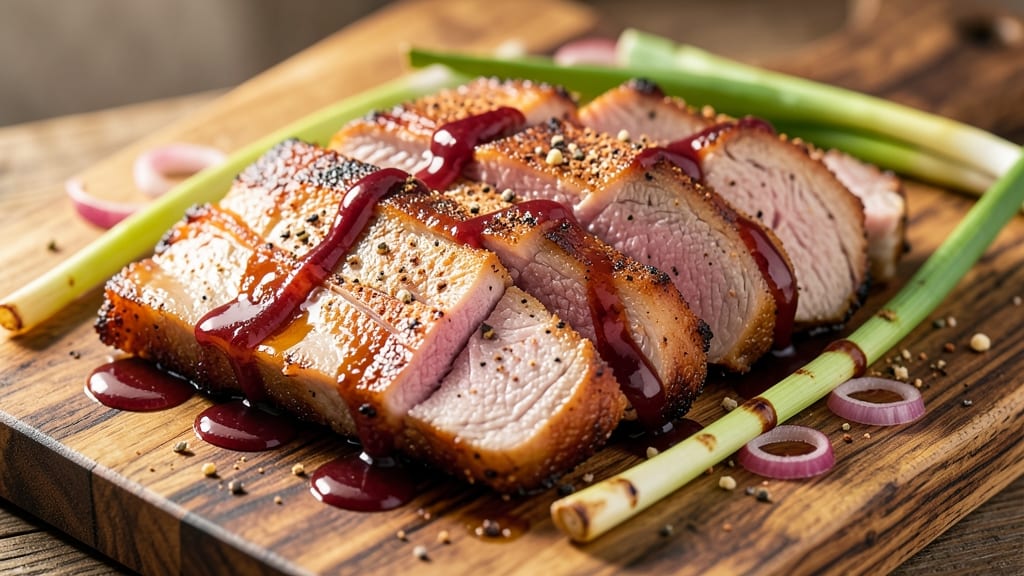
This barbecue pork belly slices recipe delivers the perfect balance of crispy, crackling fat and melt-in-your-mouth tender meat—exactly what makes pork belly irresistible. I've perfected this technique over years of pitmaster competitions, where the difference between good and legendary pork belly often comes down to fat control and timing. The secret lies in rendering that fat slowly while keeping the meat juicy, then finishing with high heat for that coveted bark.
What sets this recipe apart is the two-stage cooking process: first, a low-and-slow render to separate the fat from the meat, then a quick sear to create that prized crispy exterior.
I use a simple five-ingredient rub that enhances the pork's natural sweetness without overpowering it—just enough salt, pepper, garlic powder, and a touch of smoked paprika for depth. The key is patience; rushing this process will leave you with greasy slices instead of restaurant-quality bites.
By the time you're done, you'll have slices that are crispy on the edges and juicy in the center, with fat that's rendered but not wasted—perfect for stacking on buns, wrapping in lettuce, or serving alongside pickled vegetables.
The aroma alone will have everyone gathering around your grill, and the first bite delivers that satisfying contrast of textures and flavors that pork belly lovers crave.
This method works equally well on charcoal grills, wood-fired smokers, or even in your oven with a little creativity. The technique translates to other fatty cuts too—think spare ribs or even chicken thighs.
Let's get started on creating pork belly slices that'll have your guests asking for seconds before they even finish their first.
Ingredients for barbecue pork belly slices
Five ingredients transform raw pork belly into crispy, melty perfection—no shortcuts, just technique.
| Ingredient | Amount | Notes |
|---|---|---|
| Pork Belly 🐖 | 2 lb | Skin-on, cut into 1-inch slices |
| Kosher Salt 🧂 | 1 ½ tbsp | Diamond Crystal preferred |
| Freshly Ground Black Pepper 🌶️ | 1 tsp | Cracked peppercorns preferred |
| Garlic Powder 🧄 | 1 tbsp | Freshly ground preferred |
| Smoked Paprika 🌶️ | 1 tsp | Spanish paprika for depth |
| High-Smoke-Point Oil 🫒 | 2 tbsp | Avocado or grapeseed oil |
| Apple Cider Vinegar 🍎 | 1 tbsp | For tenderizing (optional) |
| Fresh Rosemary 🌿 | 2 sprigs | For aroma during render |
| Fresh Thyme 🌿 | 2 sprigs | For aroma during render |
| Butcher's Twine 🧵 | 1 piece | For securing slices |
| Wood Chips 🌳 | 1 cup | Hickory or apple preferred |
| Charcoal or Hardwood Chunks 🔥 | 2 lb | For heat source |
Pork belly is the star, so source high-quality cuts—ask your butcher for thick slices with good marbling. Costco or specialty meat counters often have ideal pieces. The skin should be thick and unbroken for that prized crackling. If your pork belly has a thin skin, skip the vinegar—it can make it too tender. For the rub, Penzeys or bulk bins at Whole Foods give the best quality spices. The garlic powder should be fresh (no dusty jars)—if it smells stale, toss it. Rosemary and thyme add depth during the slow render, so grab fresh sprigs from the grocery store's produce section.
No smoked paprika? Substitute regular paprika plus a pinch of liquid smoke—but don't overdo it. Running out of apple cider vinegar? White vinegar works in a pinch, though it's less flavorful. For the oil, vegetable oil is fine if you're in a bind, but high-smoke-point oils handle the heat better. The wood chips can be store-bought or gathered from your backyard—just make sure they're dry. If you're cooking indoors, apple or cherry wood chips add subtle sweetness. The butcher's twine is non-negotiable for securing slices—regular string won't hold up to the heat.
Pork belly keeps best in the fridge for 3 days before cooking, but the fat starts rendering after 24 hours. Store it uncovered on a wire rack to prevent sogginess. Once cooked, these slices reheat beautifully—just 5 minutes at 300°F wrapped in foil. For leftovers, slice and store in an airtight container with the fat on top to keep everything moist. The rendered fat? Save it for roasting potatoes or frying eggs—it's liquid gold. If you're making extra, freeze slices in a single layer before bagging for up to 3 months
Why You'll Love This Recipe
- Foolproof Prep: Honestly, this recipe takes less effort than ordering takeout. Slice the pork belly, toss it with salt, pepper, and those simple spices—garlic powder and smoked paprika—and you’re done. No marinating, no fussing, just hands-off roasting until it’s crispy and golden.
- Smoky Magic: That crispy crack with the tender, melt-in-your-mouth center? Chef’s kiss. The smoked paprika and garlic powder give it a deep, savory punch that’s addictive—like a hug from a BBQ pit, but without the hours of babysitting.
- Weeknight Wonder: Between us, this is my go-to when I’m too tired to plan. Serve it over rice, toss it in a sandwich, or just eat it straight with a fork—it works for lunch, dinner, or even a late-night snack. (Yes, even on a Tuesday night.)
- Budget-Friendly Luxury: Pork belly might sound fancy, but a few slices go a long way. The spices are cheap, the method is simple, and the leftovers? They’re just as good reheated the next day. My wallet—and my taste buds—thank me every time.
Step-by-step instructions for crispy pork belly slices
Transform that fatty, flavorful pork belly into irresistible slices with perfect crispy bark and melt-in-your-mouth tenderness.
Prepare and Season the Pork Belly
Start by slicing the 2 lb pork belly into 1-inch thick slices. I like to cut against the grain for maximum tenderness later. Pat each slice completely dry with paper towels—this is crucial for crispy bark. Any moisture trapped in the fat will steam instead of crisp.
In a small bowl, mix together the 1.5 tbsp kosher salt, 1 tsp freshly ground black pepper, 1 tbsp garlic powder, and 1 tsp smoked paprika. Rub this mixture generously over both sides of each pork belly slice, pressing it into the meat so it adheres well. The salt will draw out moisture and create that perfect crust, while the spices add depth of flavor.
Place the seasoned slices on a wire rack set over a baking sheet. This allows air to circulate on all sides, preventing soggy spots. Let them sit at room temperature for 30 minutes before cooking—this ensures even cooking and better bark formation.
Build the Smoker and Preheat
While the pork belly rests, set up your smoker using 2 lb charcoal or hardwood chunks and 1 cup wood chips (hickory or apple work beautifully). I like to use a two-zone fire method: place the charcoal on one side and the wood chips on the other to maintain even heat and smoke. Light the charcoal and let it burn until it's covered with a thin layer of white ash.
Preheat your smoker to 225°F. This low-and-slow temperature is key for rendering the fat slowly while keeping the meat tender. Once the smoker reaches temperature and you see clean, blue smoke (not thick white smoke), you're ready to cook. The smoke should be visible but not overwhelming—just enough to infuse that delicious smoky flavor without overpowering the meat.
Smoke the Pork Belly to Rendered Perfection
Place the pork belly slices on the smoker grates, fat-side up. Close the lid and smoke for 2 hours. During this time, the fat will begin to render out, creating a pool of liquid in the pan below. This rendered fat is what will baste the meat and create that coveted crispy bark. Resist the urge to peek—every time you open the lid, you lose heat and extend the cooking time.
After 2 hours, flip the slices over and smoke for another 1 hour. You'll know they're ready when the internal temperature reaches 160°F and the bark is a deep, golden brown. The slices should pull away from the bone slightly when you lift them with tongs, but they'll still be tender. If the bark isn't crispy enough, you can increase the heat slightly to 250°F for the last 30 minutes to finish it off.
Crisp the Bark and Rest the Meat
Once the pork belly slices are cooked to 160°F internally and have a deep bark, transfer them to a broiler-safe pan. Broil on high heat for 3-5 minutes, watching closely to ensure the bark doesn't burn. You're looking for a deep mahogany color and a crispy texture that snaps when you press it gently with tongs. This high-heat finish seals in the juices and creates that perfect contrast of textures.
Let the pork belly slices rest for 10 minutes before serving. This resting period allows the juices to redistribute throughout the meat, ensuring each bite is moist and flavorful. During this time, you can use the rendered fat from the smoker to make a quick pan sauce—simply heat it in a skillet and whisk in 1 tbsp apple cider vinegar for a tangy finish.
Slice and Serve with Confidence
Using a sharp knife, slice the pork belly slices into ½-inch thick pieces, cutting against the grain for maximum tenderness. Arrange them on a platter, drizzle with any remaining rendered fat, and garnish with the 2 sprigs fresh rosemary and 2 sprigs fresh thyme for a pop of color and aroma. Serve immediately with your favorite sides—pickled vegetables, crusty bread, or a simple green salad to balance the richness.
Each slice should deliver a perfect harmony of textures: a crispy, crackling bark that gives way to juicy, melt-in-your-mouth pork with layers of smoky, garlicky flavor. The secret to success lies in patience—smoking low and slow ensures the fat renders properly, while the final broil creates that irresistible crispiness. Trust the process, and you'll have restaurant-quality pork belly slices every time.
Pro Tips For Making Barbecue Pork Belly Slices
- Sear First, Smoke Later: Pork belly’s fat renders like crazy—start with a screaming-hot cast-iron or grill for 3-4 minutes per side until the crust is deep golden. I learned this the hard way: skipping the sear means the fat pools instead of crisping, and you end up with soggy slices. Let the meat hit 150°F before you even think about adding the smoked paprika mix.
- Score the Fat, Not the Meat: Use a sharp knife to cut shallow slits (about ¼-inch deep) across the fat cap in a crosshatch pattern—this guarantees even cooking and extra crispy edges. I was skeptical until I tried it: the slices stay intact while the fat renders perfectly, and you avoid the "greasy mess" moment when the skin peels off mid-slice.
- Salt in Layers, Not Dumps: Don’t just salt once. Start with a heavy dry rub of kosher salt 12 hours ahead (yes, even if you’re impatient), then re-season with garlic powder and smoked paprika right before cooking. The first salt breaks down the proteins; the second lock in flavor. I skip this when I’m lazy, and the slices taste noticeably flatter.
- Rest Under Foil, Not Air: Pull the pork belly off the heat at 195°F and wrap it tightly in foil for 15 minutes before slicing. The residual heat finishes cooking while the fat redistributes—no more dry, stringy slices. I used to rest it on a rack, and the edges always turned out sad. Foil keeps everything juicy.
Best sauces and condiments for this barbecue pork belly slices
Classic BBQ Sauce Pairing
My go-to is a tangy, slightly sweet vinegar-based BBQ sauce with a touch of heat—think Sweet Baby Ray's Original or a homemade version with apple cider vinegar, ketchup, and brown sugar.
The acidity cuts through the richness of the pork belly while the smoky notes complement the bark. For extra depth, I brush on a thin layer just before serving, letting it caramelize slightly on the grill. 🍯
Spicy Sriracha Glaze
When I want to kick things up, I mix 2 tbsp sriracha, 1 tbsp honey, and 1 tsp soy sauce into a glaze. Heat it in a small saucepan until it thickens slightly, then brush it over the pork belly slices during the last 5 minutes of broiling.
The heat from the glaze intensifies the crispy bark while adding a sweet-spicy contrast that balances the smoky flavors. Trust me, this glaze turns good pork belly into unforgettable pork belly. 🌶️
Honey Butter Sauce
For a creamy, crowd-pleasing option, I melt ¼ cup unsalted butter with 2 tbsp honey and a pinch of salt. Drizzle this warm sauce over the sliced pork belly just before serving—it adds a luxurious richness that pairs beautifully with the crispy edges.
The honey also enhances the natural sweetness of the pork, while the butter ties everything together. I often serve this with crusty sourdough to soak up every last drop. 🍯
Pickled Vegetable Topping
Bright, tangy pickled vegetables like radishes, carrots, and red onions cut through the richness of the pork belly.
I make a quick pickle with 1 cup apple cider vinegar, 1 tbsp sugar, and 1 tsp salt, letting the veggies marinate for at least 30 minutes before serving. The acidity balances the fat, and the crunch adds texture contrast.
Plus, it’s a great way to use up garden-fresh veggies. 🥕
Smoked Paprika Oil
For a simple but flavorful finish, I heat ¼ cup high-smoke-point oil (like avocado or grapeseed) with 1 tsp smoked paprika and a pinch of cayenne pepper until fragrant. Drizzle this over the sliced pork belly just before serving—it enhances the smoky flavors without overpowering them.
The oil also adds a silky texture that complements the crispy bark. I keep a bottle of this in my fridge for quick flavor boosts. 🌶️
Mustard Cream Sauce
When I’m feeling fancy, I whip up a Dijon mustard cream sauce by mixing 2 tbsp sour cream, 1 tbsp Dijon mustard, and a splash of lemon juice. The tangy, slightly bitter notes elevate the pork belly’s richness, while the creaminess adds a luxurious touch.
I serve this sauce on the side for dipping or drizzling over the slices. It’s especially great with crusty bread or steamed greens. 🥄
Nutrition facts
Frequently asked questions
Can I use pork belly with the skin removed for this recipe?
The skin is essential for that prized crispy bark! If your pork belly comes skinless, try wrapping it tightly in butcher's paper before cooking—this creates a similar crispy exterior. For best results, look for thick-cut pork belly with intact skin from specialty butchers or Costco. The skin should be thick and unbroken to render properly and develop that crackling texture.
How do I know when the pork belly slices are fully cooked?
Use a meat thermometer to check for 160°F internal temperature in the thickest part of the meat. The slices should also pull away from the bone slightly and have a deep golden-brown bark. If the bark isn't crispy enough at this temperature, increase the heat to 250°F for the last 30 minutes to finish it off. Never rely on color alone—fat can mask doneness.
What's the best way to store leftover pork belly slices?
Store slices in an airtight container with the rendered fat on top to keep everything moist. They'll keep in the fridge for 3 days and reheat beautifully at 300°F for 5 minutes wrapped in foil. For longer storage, freeze slices in a single layer before bagging for up to 3 months. The fat stays delicious too—save it for roasting potatoes or frying eggs!
Can I cook pork belly slices in the oven instead of on a smoker?
Preheat your oven to 250°F and place the pork belly slices on a wire rack over a baking sheet. Cook for 2-2.5 hours, flipping halfway, until the internal temperature reaches 160°F. Finish with a 5-minute broil for crispy bark. For smoky flavor, add wood chips to a foil packet on the oven rack or use a smoker box.
Why did my pork belly slices turn out greasy instead of crispy?
Greasy results usually happen when the fat renders too quickly. Slow down the process by cooking at 225°F for longer, and