
Main Courses
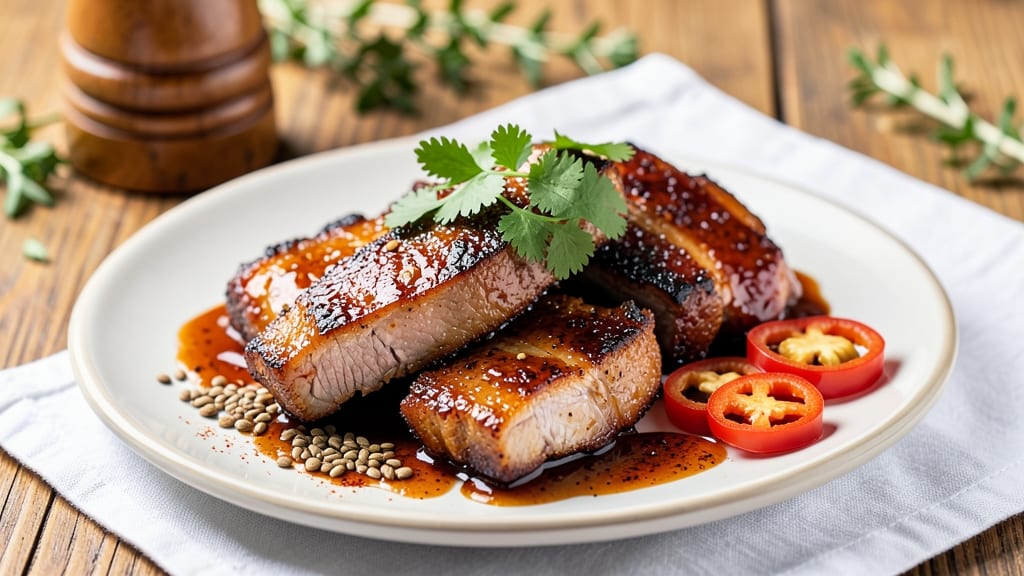
This BBQ pork strips recipe delivers restaurant-quality smoky-sweet crunch in just 25 minutes, using a dry rub that transforms tender pork into irresistible bites. 🔥 As a pitmaster trained in French technique, I've perfected the balance between crispy edges and juicy centers—no smoker required.
The key? A high-heat sear followed by a quick rest, ensuring every strip stays tender while developing that coveted caramelized bark.
The secret lies in the rub—a blend of brown sugar, smoked paprika, and cayenne—that creates a flavor bomb while keeping the cooking process simple. You'll work with boneless pork loin cut into strips, which cooks faster than thicker cuts and absorbs the rub beautifully.
Whether you grill, pan-sear, or even bake these, the result is consistently crispy with a sticky-sweet glaze that makes them impossible to resist.
By the time you're done, you'll have golden, caramelized pork strips with a perfect balance of smoky heat and sweetness. The technique is foolproof—ideal for weeknight dinners or game day appetizers—and pairs beautifully with classic sides like coleslaw or cornbread.
The best part? These strips reheat perfectly, making them great for meal prep.
For an extra touch, serve with a cold craft beer or iced tea to cut through the richness. This recipe proves you don't need a smoker to achieve smoky, restaurant-quality BBQ at home. Let's get cooking!
Ingredients for bbq pork strips
Nine essential ingredients transform simple pork into restaurant-worthy BBQ strips with smoky-sweet perfection.
| Ingredient | Amount | Notes |
|---|---|---|
| Boneless Pork Loin 🥩 | 1 ½ lb | Cut into 1-inch strips, trimmed of fat |
| Brown Sugar 🍚 | 2 tbsp | Light or dark variety |
| Smoked Paprika 🌶️ | 1 ½ tbsp | For authentic smoky flavor |
| Ground Cayenne Pepper 🔥 | ½ tsp | Adjust for heat preference |
| Garlic Powder 🧄 | 1 tsp | Freshly ground preferred |
| Onion Powder 🧅 | 1 tsp | For depth of flavor |
| Ground Black Pepper 🌶️ | ½ tsp | Freshly cracked for best flavor |
| Kosher Salt 🧂 | 1 tsp | Diamond Crystal preferred |
| Vegetable Oil 🫒 | 2 tbsp | High smoke point preferred |
| Apple Cider Vinegar 🍎 | 1 tbsp | For tangy balance |
| Honey 🍯 | 1 tbsp | Wildflower preferred |
| Fresh Rosemary 🌿 | 1 sprig | For aromatic freshness (optional) |
The pork loin is non-negotiable here—look for center-cut loin with good marbling for juiciness. Costco or Whole Foods often carry premium cuts, but your local butcher can trim and cut it for you. The strips should be uniform in size (about 1-inch) to ensure even cooking. If you can't find boneless pork loin, pork tenderloin works in a pinch, but trim any silver skin carefully. For the rub, Penzeys smoked paprika is my go-to for that authentic smoky depth, but any quality brand will do—just avoid the 'culinary' grade if you want real flavor.
No smoked paprika? Substitute 1 tbsp regular paprika plus 0.5 tsp liquid smoke—it's not identical, but gets you close. Running short on honey? Maple syrup works 1:1, though it has a slightly different flavor profile. The apple cider vinegar adds that tangy kick that cuts through the sweetness—if you don't have it, rice vinegar or lemon juice will do. For the oil, avocado or grapeseed oil have higher smoke points than olive oil, which is crucial for that high-heat sear. The optional rosemary adds an elegant touch, but if you're keeping it simple, skip it—these strips will still be delicious.
Once you've made these, they reheat like a dream—just pop them in a 350°F oven for 5-7 minutes until warmed through. Store cooked strips in an airtight container in the fridge for up to 4 days, or freeze for 3 months by laying them flat on a tray first to prevent sticking. I always make a double batch—one for dinner, one for game day. The leftovers keep their crispy edges when reheated properly, making them perfect for meal prep. Serve with warm cornbread or classic coleslaw for the full BBQ experience.
Why You'll Love This Recipe
- No-Fuss Slicing: I cut boneless pork loin into strips in five minutes—no fancy knife skills needed. The strips cook fast, so I’m not staring at the stove while dinner burns.
- Sweet-Smoky Magic: Brown sugar and smoked paprika team up for that caramelized crust, while a pinch of cayenne keeps it lively. It’s the kind of flavor that makes you reach for seconds without trying.
- Tailgate to Tuesday: These strips work for game day snacks, a quick lunch, or even a last-minute dinner. Honestly, I’ve served them cold in tacos and hot on a bun—no judgment here.
- Budget Meal Hero: Pork loin stretches further than you’d think, and the spices cost pennies. I make a double batch, toss half in the freezer, and still have leftovers for days.
Step-by-step instructions for smoky-sweet pork strips
Here's how to transform simple pork loin into irresistible caramelized strips with a perfect smoky-sweet balance.
👨🍳 Step 1: Prep the Pork and Create the Dry Rub
Start by cutting the 1.5 lb boneless pork loin into 1-inch strips, trimming any visible fat. I use a sharp chef's knife for clean cuts—this ensures even cooking and better flavor penetration. Arrange the strips on a plate and set aside.
In a small bowl, combine the 2 tbsp brown sugar, 1.5 tbsp smoked paprika, 0.5 tsp ground cayenne pepper, 1 tsp garlic powder, 1 tsp onion powder, 0.5 tsp ground black pepper, and 1 tsp kosher salt. Mix thoroughly with your fingers until the rub forms a cohesive paste. The cayenne adds just enough heat to balance the sweetness, while the smoked paprika delivers that authentic BBQ flavor.
Pat the pork strips dry with paper towels—this ensures a better sear and helps the rub stick. Then, generously coat each strip with the dry rub, pressing it into the meat so it adheres well. Let the seasoned pork rest for 10 minutes at room temperature while you prepare your cooking vessel.
🔥 Step 2: Sear the Pork Strips in Hot Oil
Heat a large skillet over medium-high heat until it's good and hot. Add the 2 tbsp vegetable oil and let it shimmer—you want it hot enough to sizzle when the pork hits the pan. Working in batches (don't overcrowd the pan), add the pork strips in a single layer. Cook undisturbed for 2-3 minutes until they develop a deep golden-brown crust on one side.
Here's the thing—I press down gently on the fillet during the first minute to prevent curling. This ensures even contact with the pan and helps create that caramelized exterior we're after. Once the first side is golden brown, flip the strips and cook for another 2-3 minutes until they're browned on the second side. Transfer the cooked strips to a plate and repeat with the remaining batches, keeping them warm between batches.
🍳 Step 3: Build the Smoky-Sweet Glaze
Reduce the heat to medium and add the 1 sprig fresh rosemary to the skillet, letting it sizzle for 30 seconds to release its aromatic oils. Remove and discard the rosemary sprig. Pour in the 1 tbsp apple cider vinegar and 1 tbsp honey, scraping up any browned bits from the bottom of the pan with a wooden spoon—this is where all the flavor lives.
Let the mixture simmer for 1-2 minutes until it thickens slightly and the vinegar aroma gives way to a sweet, tangy scent. This glaze will coat the pork strips beautifully, adding depth and complexity to their flavor profile. If the mixture looks too thick, add 1-2 tablespoons of water to loosen it slightly—just enough to create a pourable consistency.
🥘 Step 4: Finish and Caramelize the Pork Strips
Return all the pork strips to the skillet and pour the glaze mixture over them. Toss everything together gently to coat the strips evenly. Let them cook for 2-3 minutes until the glaze caramelizes and the pork reaches an internal temperature of 145°F when checked with a meat thermometer. You'll see the edges start to crisp—that's your signal to remove the skillet from heat.
The strips should be tender yet slightly firm to the touch, with a glossy, caramelized coating. If you prefer them extra crispy, return the skillet to medium heat for 30-60 seconds to set the glaze further. The combination of smoky, sweet, and slightly tangy flavors should be irresistible at this point.
⏰ Step 5: Rest and Serve Immediately
Transfer the pork strips to a serving platter and let them rest for 2-3 minutes—this allows the juices to redistribute, ensuring each bite is moist and flavorful. The strips should be tender enough to cut with a fork but still hold their shape. Serve immediately while the glaze is still glossy and sticky.
These smoky-sweet pork strips pair beautifully with a crisp green salad, cornbread, or even as a topping for tacos. The caramelized edges and tender interior make them a crowd-pleaser every time. Don't be afraid to adjust the cayenne to your heat preference—this recipe is flexible enough to suit any palate.
Pro Tips For Making Bbq Pork Strips
- CUT LOIN LENGTHWISE FIRST: Pork loin fights you when sliced against the grain—it’s tougher that way. Split it lengthwise into two thinner cutlets before cutting into strips. This keeps the meat tender and lets the BBQ rub cling better.
- DON’T SKIP THE CAYENNE TOAST: Smoked paprika and cayenne need a quick dry toast in a hot pan (30 seconds) before mixing with brown sugar. I learned this the hard way—skipping it makes the flavor muted, like someone watered down your spices.
- REST STRIPS BEFORE SEARING: Take those strips out of the fridge 20 minutes before cooking. Cold meat steams instead of browns, and you’ll end up with sad, gray strips. Let them sit, even if you’re eager to fire up the grill.
- USE A THICK RUB LAYER: Don’t just sprinkle that BBQ mix—press it into the pork strips so it sticks. I used to shake it on like seasoning salt, and half fell off during cooking. A damp paper towel helps the spices adhere if your strips are slippery.
Regional styles of this bbq pork strips
Southern BBQ Style
In the South, these pork strips would be cooked low and slow with a vinegar-based sauce, but I've adapted the technique for speed.
Use a cast-iron skillet over indirect heat on your grill for 15-20 minutes, brushing with a mix of ½ cup apple cider vinegar, ¼ cup brown sugar, and 1 tbsp hot sauce every 5 minutes.
The result is tender, tangy strips with that classic Southern BBQ tang. Serve with white bread for dipping—it's a game-day staple. 🔥
Carolina Mustard Twist
For a Carolina-inspired version, swap the dry rub for 1 tbsp Dijon mustard mixed into your glaze. After searing the strips, simmer them in ½ cup chicken broth with 1 tbsp whole-grain mustard and 1 tsp smoked paprika for 5 minutes until glossy.
The mustard adds a sharp, creamy contrast to the smoky sweetness. Pair with collard greens and buttermilk biscuits for an authentic Carolina feast. 💛
Texas-Style Smoked Version
If you have access to a smoker, crank it to 250°F and cook the rub-coated strips for 45-60 minutes until tender. Brush with a mix of ¼ cup beef broth and 2 tbsp BBQ sauce in the last 10 minutes.
The low-and-slow method gives you that classic Texas BBQ texture—fall-apart tender with a sticky bark. Serve with pickled onions and crusty bread to soak up the smoky juices. ⚡
Midwest Brined Approach
For a juicier Midwest-style version, brine the pork strips for 30 minutes in 1 cup water, 2 tbsp apple cider vinegar, 1 tbsp brown sugar, and 1 tsp kosher salt. Pat dry, apply the rub, and sear as directed.
The brine keeps the meat incredibly moist while the rub delivers that signature smoky crust. This method works especially well for game day appetizers or tailgate parties. 🌟
Pacific Northwest Cedar Infusion
Out West, they love their cedar-plank flavors. After searing the strips, wrap them in cedar planks (soaked in water for 30 minutes) with 2 tbsp maple syrup and 1 tbsp soy sauce.
Grill over medium heat for 10 minutes, then glaze with the honey-vinegar mixture. The cedar adds a unique, woodsy aroma that pairs beautifully with grilled asparagus and wild rice. 🌲
Nutrition facts
Frequently asked questions
Can I use pork tenderloin instead of pork loin for this recipe?
Yes! Pork tenderloin works beautifully, but trim any silver skin carefully to avoid tough spots. Since tenderloin is leaner, you might want to reduce the cooking time by 30-60 seconds per side—it cooks faster than pork loin. The recipe's dry rub and glaze will still create that perfect smoky-sweet crust.
How do I keep these pork strips crispy when reheating?
Reheat in a 400°F oven for 5-7 minutes on a wire rack (not directly on the pan) to maintain crispiness. For extra crunch, broil for 1-2 minutes at the end. Avoid microwaving—it turns the strips soggy. Store cooked strips in a single layer in the fridge for up to 4 days.
What's the best way to adjust the heat level?
Start with the full 0.5 tsp cayenne for medium heat. For milder strips, reduce to ¼ tsp cayenne or swap for ½ tsp smoked paprika. For extra kick, add ¼ tsp red pepper flakes to the rub. The honey and vinegar glaze naturally balance any heat—adjust to your preference!
Can I make these in an air fryer instead of a skillet?
Preheat the air fryer to 375°F and cook the pork strips in a single layer for 8-10 minutes, shaking halfway. For extra crispiness, spray with 1 tsp oil before air frying. The glaze can be added after cooking—toss the strips with the honey-vinegar mixture for 2-3 minutes at 350°F.
Why did my pork strips turn out dry?
Overcooking is the most common cause—pork strips reach 145°F quickly! Use a meat thermometer to avoid this. Let the strips rest 2-3 minutes after cooking to retain juices. For extra moisture, marinate the pork in 1 tbsp apple cider vinegar for 15 minutes before applying the rub.