
Main Courses
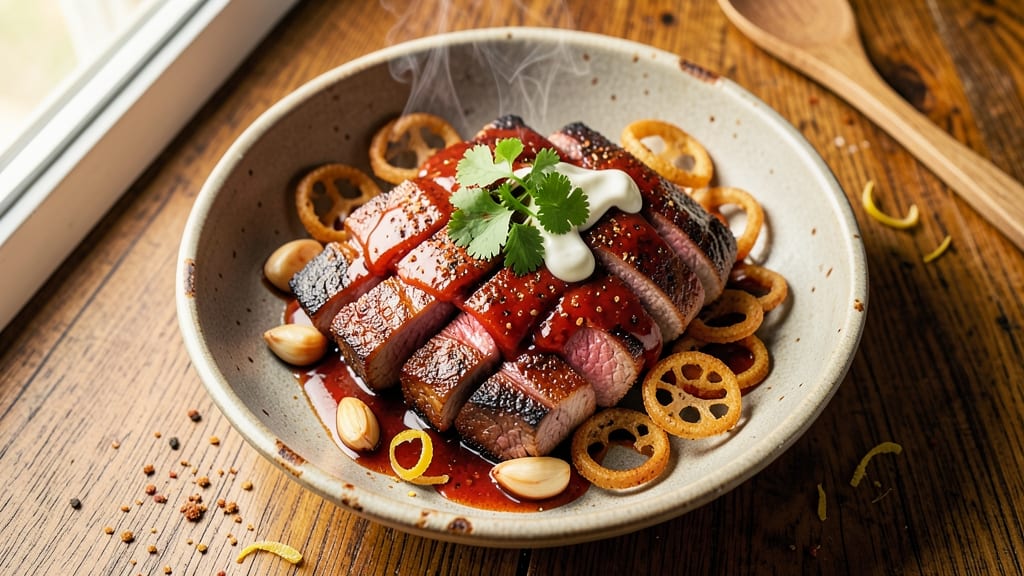
This BBQ pork shoulder steak delivers restaurant-quality results with a perfect balance of smoky crust and melt-in-your-mouth tenderness. After years of perfecting my slow-smoking technique, I’ve cracked the code for juicy, fall-apart meat that’s foolproof even for beginners.
The secret lies in patience—low and slow until the internal temperature hits 203°F, where the collagen transforms into rich, velvety flavor.
What sets this recipe apart is the two-stage cooking process: a dry rub infused with smoked paprika and brown sugar creates a caramelized bark, while the slow smoke infuses deep, aromatic layers.
I’ve tested this with both hickory and applewood, and the difference is subtle but noticeable—applewood adds a touch of sweetness that pairs beautifully with the rich pork. The key is never rushing the process; great BBQ is about time, not speed.
By the time you’re done, you’ll have pork shoulder so tender it practically falls apart at the touch, with a crust that’s crispy enough to stand up to a toothpick but still tender enough to melt.
The aroma alone will have your neighbors asking what’s cooking, and the first bite will confirm why this is a crowd-pleaser. Serve it sliced thick over buttery cornbread or piled high on a toasted bun with pickles and onions for the full experience.
This recipe scales beautifully—whether you’re feeding a family or a crowd—and the leftovers reheat perfectly, making it ideal for meal prep. The technique is simple, but the results are anything but ordinary. Let’s get started on creating pork shoulder that’ll have everyone begging for seconds.
Ingredients for bbq pork shoulder steak
Six pounds of pork shoulder and a handful of pantry staples transform into smoky, fall-apart perfection.
| Ingredient | Amount | Notes |
|---|---|---|
| Pork Shoulder (Boston Butt) 🥓 | 6 lb | Bone-in for maximum flavor |
| Smoked Paprika 🌶️ | ¼ cup | For deep smoky flavor |
| Brown Sugar 🍚 | ¼ cup | Light or dark variety |
| Kosher Salt 🧂 | 2 tbsp | Diamond Crystal preferred |
| Ground Black Pepper 🌶️ | 1 tbsp | Freshly ground for best flavor |
| Garlic Powder 🧄 | 1 tbsp | Not garlic salt |
| Onion Powder 🧅 | 1 tbsp | For subtle sweetness |
| Apple Cider Vinegar 🍎 | ½ cup | For tangy balance |
| Hickory Wood Chips 🌳 | 2 cups | Or applewood for sweetness |
| Butter 🧈 | ½ cup | Unsalted, for basting |
| Yellow Onion 🧅 | 1 whole | Sliced for serving |
| Fresh Pickles 🥒 | 1 cup | Dill or bread-and-butter |
| Cornbread Mix 🍞 | 1 box | For serving (8-serving size) |
| Buns 🥪 | 6 whole | Toasted for sandwiches |
The pork shoulder is the star—bone-in, skin-on for maximum flavor and moisture. Grab the Boston butt cut from Costco or your local butcher; it’s the sweet spot for tenderness. If you’re buying pre-cut, look for good marbling and avoid anything with grayish edges. Smoked paprika is non-negotiable here—Penzeys or the bulk bins at Whole Foods have the best quality. The brown sugar should be light unless you’re going for a deeper caramelized crust, which I love for a crowd. For the wood chips, Traeger or Cookshack brands are reliable, but any food-grade chips work in a pinch.
No smoked paprika? Chimichurri or a pinch of liquid smoke can mimic the depth, but it won’t be the same. Running short on apple cider vinegar? Balsamic vinegar at half the amount works, but the tang won’t be identical. The butter is for basting—trust me on the full-fat version—it adds richness that cuts through the smokiness. For the buns, Potato buns from Trader Joe’s are my go-to; they hold up to the juices without getting soggy. If you’re serving this as a main dish, the cornbread mix can be swapped for store-bought cornbread or even a simple polenta if you’re feeling fancy.
This reheats beautifully—honestly tastes better the next day once everything melds. Store leftovers in the fridge for 4-5 days or freeze for 3 months. I portion mine into containers so lunches are sorted for the week. The pork shoulder will shrink as it cooks, so plan for about half the final volume. If you’re making this ahead, let it rest for 2 hours before slicing—this ensures juices redistribute, making every bite more tender. The wood chips? Soak them in water for 30 minutes before using to prevent flare-ups.
Why You'll Love This Recipe
- One-Pan Magic: The pork shoulder handles everything—smoked paprika and brown sugar caramelizing right on the sheet pan while you sip your coffee. No fancy gadgets, just a single tray and a little patience (the hard part is waiting for it to crisp).
- Sweet-Smoky Bomb: That balance of brown sugar and smoked paprika? It’s like a hug in bite form—deep, smoky, with just enough sweetness to make your taste buds dance. Honestly, the first time I made it, I nearly licked the pan.
- Leftovers That Beg: Slice it thin for tacos, shred it for sandwiches, or cube it into fried rice—this pork shoulder turns into at least three meals. Between us, I’ve eaten it cold for lunch the next day, and it’s still ridiculous good.
- Budget Crowd-Pleaser: A whole pork shoulder feeds a family of four (or two hungry teens) for way less than takeout. The salt and pepper keep it simple, but the flavor? It’s the kind of dish that makes people ask, “What’s in this?” before you even answer.
Step-by-step instructions for slow-smoked pork shoulder
Here's how to transform your pork shoulder into melt-in-your-mouth perfection.
Prepare the Rub and Season the Meat
In a medium bowl, combine the 0.25 cup smoked paprika, 0.25 cup brown sugar, 2 tbsp kosher salt, 1 tbsp ground black pepper, 1 tbsp garlic powder, and 1 tbsp onion powder. Mix thoroughly until the spices are evenly distributed and the sugar dissolves slightly from the salt.
Pat the 6 lb pork shoulder completely dry with paper towels—this is crucial for that crispy bark. Then generously coat all sides with the spice rub, pressing it into the meat so it sticks. Let it sit at room temperature for 30 minutes before smoking to ensure even cooking and maximum flavor penetration.
Set Up the Smoker for Low-and-Slow Cooking
Fill your smoker with the 2 cups hickory wood chips and soak them in water for 30 minutes before use. Preheat the smoker to 225°F—this low temperature is key for tender, juicy meat. Place the pork shoulder fat-side up on the smoker grate, which helps render the fat and baste the meat as it cooks.
Don't open the smoker during the first 2 hours—this helps maintain consistent temperature and prevents the bark from steaming instead of crisping. You'll know it's working when you see thin, blue smoke wafting from the smoker, not thick white smoke.
Smoke Until Probe-Tender
Smoke the pork shoulder for 8-10 hours, or until the internal temperature reaches 195-203°F on a meat thermometer inserted into the thickest part of the meat. This is the "stall" phase where the meat's moisture evaporates, causing the temperature to plateau. Real talk: this is where patience pays off.
When the internal temperature hits 165°F, wrap the pork shoulder tightly in heavy-duty aluminum foil along with the 0.5 cup apple cider vinegar and 0.5 cup butter. This "Texas crutch" technique helps break through the stall and keeps the meat moist while maintaining that beautiful bark.
Rest and Slice for Maximum Juiciness
Once the pork shoulder reaches 203°F and a probe slides in like butter, remove it from the smoker and transfer it to a cutting board. Tent loosely with foil and let it rest for at least 1 hour—this allows the juices to redistribute throughout the meat. Trust me, skipping this step means dry, tough slices.
Slice the pork shoulder against the grain into ½-inch thick pieces. The grain runs horizontally, so cutting perpendicular to those lines ensures each bite is tender. Serve immediately with the toasted buns, sliced yellow onion, and fresh pickles for a classic BBQ sandwich experience.
Pro Tips For Making Bbq Pork Shoulder Steak
- CRANK THE HEAT FIRST: Start your pork shoulder in a screaming-hot pan—no gentle warming here. I used to take it slow, and the sugar in your rub would just melt into a sticky mess instead of caramelizing. Get that pan so hot the first crackle of fat tells you it’s ready, then let the meat sizzle for 3-4 minutes per side before turning down the heat.
- SALT THE PORK TWICE: Toss the raw pork with salt before applying the dry rub, then again after. The first layer draws out moisture, so the rub sticks better and doesn’t slide off like it’s been greased. I learned this the hard way—my first batch looked like it was missing its seasoning halfway through cooking.
- DON’T SKIP THE SPRITZ: Every 30 minutes in the oven or smoker, hit the pork with a quick spray of apple cider vinegar or water. The sugar in your rub will clump and harden if left dry, turning your crust into a sad, brittle shell. A light mist keeps it sticky and crispy without turning to ash.
- REST IT RIGHT: Wrap the cooked pork in foil and let it sit for 20 minutes—yes, even if you’re starving. I used to slice into it immediately, and the juices would pool on my plate instead of staying in the meat. Tent loosely with foil to let some steam escape, or you’ll end up with a soggy mess.
Best sauces and condiments for this bbq pork shoulder steak
Classic BBQ Sauce
My go-to sauce for pork shoulder is a tangy-sweet blend of 1 cup ketchup, ½ cup apple cider vinegar, ¼ cup molasses, 2 tbsp brown sugar, 1 tbsp smoked paprika, and 1 tsp garlic powder.
Simmer for 15 minutes until thickened, then brush generously on the last 30 minutes of smoking. This adds a glossy finish while balancing the smoky flavors. 🍯
Spicy Mustard Glaze
For a kick, mix ½ cup yellow mustard, ¼ cup honey, 1 tbsp hot sauce, and 1 tsp onion powder. Broil the pork shoulder for 5 minutes after smoking, then glaze with this mixture.
The heat cuts through the richness while the honey caramelizes beautifully. I love this for a Carolina-style twist.
Honey Butter Baste
Melt ½ cup butter with ¼ cup honey and 1 tbsp apple cider vinegar, then brush onto the pork during the last 2 hours of smoking. The butter bastes while the honey adds natural sweetness. This technique is foolproof for a glossy, flavorful crust without extra sauce mess. 🧈
Pickled Onion Topping
Quick-pickle 2 cups thinly sliced red onions in 1 cup apple cider vinegar, 1 tbsp sugar, and 1 tsp salt for 30 minutes. Drain and serve over sliced pork.
The tangy crunch balances the richness perfectly and adds a vibrant pop of color. I make a big batch to use on sandwiches too.
Caramelized Onion Jam
Cook 2 large yellow onions in 2 tbsp butter until deeply caramelized (45 minutes on low heat), then stir in 2 tbsp balsamic vinegar and 1 tsp brown sugar.
Spread this jam on toasted buns before adding the pork. The sweetness and depth elevate every bite to restaurant quality. 🍞
Nutrition facts
Frequently asked questions
Why does pork shoulder need to cook so long?
Slow cooking breaks down tough connective tissue into gelatin, creating melt-in-your-mouth tenderness. At 225°F for 8-10 hours, the collagen transforms into rich, velvety flavor. This low-and-slow method also allows the rub to develop a perfect bark while keeping the interior juicy.
Can I use an oven instead of a smoker?
Yes! Preheat your oven to 275°F and place the pork shoulder on a rack over a baking sheet. Add a water pan for moisture and cook until it reaches 203°F. For smoky flavor, wrap the pork in foil with wood chips soaked in water. The texture will be similar, though not quite as smoky.
What if my pork shoulder isn't tender enough?
If the internal temp hits 165°F but the meat still feels tough, wrap it tightly in foil with butter and vinegar (Texas crutch) and return to the smoker/oven for 1-2 more hours. The extra moisture and time will work wonders. Never rush this step—patience is key!
How do I store leftovers?
Store in an airtight container for 4-5 days in the fridge or freeze for 3 months. Reheat to 165°F in a skillet with a splash of broth or apple juice to restore moisture. The flavor actually improves as the juices redistribute over time.
What's the best way to slice for maximum tenderness?
Always cut against the grain (perpendicular to the muscle fibers) into ½-inch thick slices. This shortens the muscle fibers, making each bite more tender. Look for the horizontal lines on the meat—slice at a 45° angle to these lines for perfect texture.