
Main Courses
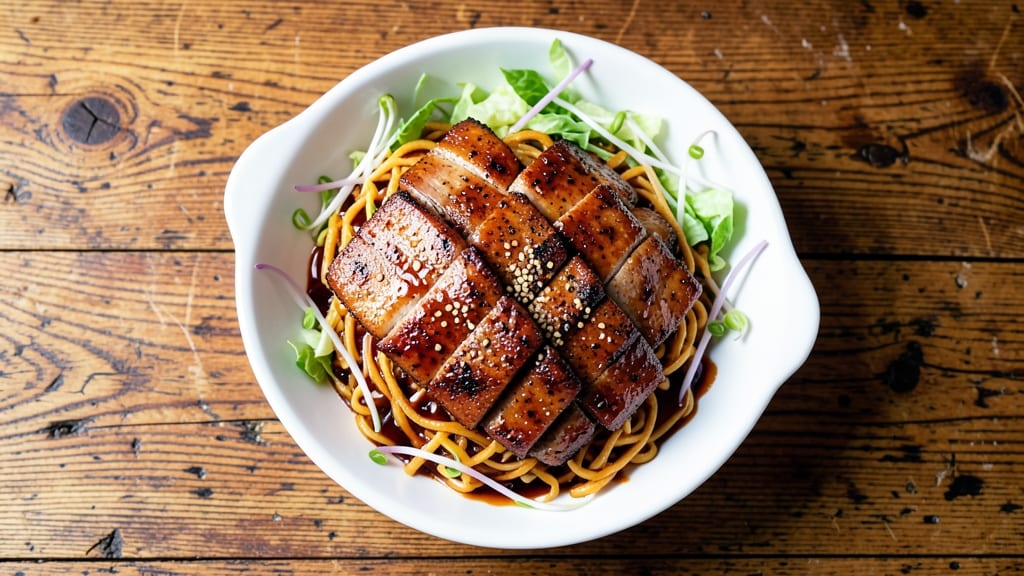
This BBQ pork chow mein recipe transforms a classic takeout favorite into a restaurant-quality dish with crispy noodles and smoky-sweet pork that'll have everyone reaching for seconds.
The secret lies in marinating the pork with a bold BBQ rub and rendering it low-and-slow for tender, flavorful slices, then stir-frying with chow mein noodles until they're golden and perfectly chewy.
I developed this recipe after years of perfecting both my pitmaster techniques and French knife skills—because great chow mein deserves both smoky depth and precise execution.
The magic happens in two stages: first, the pork gets a deep marinade with brown sugar, smoked paprika, and liquid smoke that caramelizes into a sticky glaze when cooked.
Meanwhile, the chow mein noodles get tossed in a wok with garlic, ginger, and a splash of soy sauce to build that classic umami base.
What sets this apart is the crispy texture—achieved by stir-frying the noodles at high heat until they develop those coveted wok-hei char marks while staying tender inside.
When it comes together, you'll have a plate that looks as impressive as it tastes: vibrant green onions, bright red bell peppers, and those irresistibly crispy noodles all wrapped around tender, saucy pork slices. The smoky-sweet BBQ glaze ties everything together with just the right balance of heat and sweetness.
This isn't just chow mein—it's a dish that brings the smoky flavors of my pitmaster roots together with the precision of my French training.
Perfect for weeknight dinners or impressing guests, this recipe scales beautifully and keeps well for leftovers. The technique is straightforward once you understand the key steps, but the results are anything but basic. Let's get cooking—your taste buds will thank you for the smoky-sweet crunch.
Ingredients for bbq pork chow mein
Smoky-sweet pork, crispy noodles, and vibrant stir-fry veggies—this chow mein delivers restaurant-quality crunch and depth.
| Ingredient | Amount | Notes |
|---|---|---|
| Pork Shoulder (Bone-In) 🥩 | 1 ½ lb | Cut into 1/2-inch slices, trimmed of fat |
| Chow Mein Noodles 🍜 | 8 oz | Fresh or dried, dried soaked 8-10 mins |
| Brown Sugar 🍯 | ½ cup | Packed, light brown preferred |
| Smoked Paprika 🌶️ | 2 tbsp | High-quality for smoky depth |
| Liquid Smoke 💨 | 1 tbsp | Adjust for desired smokiness |
| Soy Sauce 🍶 | ⅓ cup | Light or dark, high-quality |
| Garlic Cloves 🧄 | 6 cloves | Minced, for marinade and stir-fry |
| Fresh Ginger 🌿 | 2 tbsp | Finely minced, peeled |
| Red Bell Pepper 🍅 | 1 whole | Thinly sliced, seeds removed |
| Green Onions 🧅 | 4 whole | Thinly sliced, white and green parts |
| Sesame Oil 🫒 | 1 tbsp | Toasted, for aroma |
| Vegetable Oil 🫒 | ¼ cup | High smoke point for stir-fry |
| Cornstarch 🌾 | 2 tbsp | For crispy noodles |
| Black Pepper 🌶️ | ½ tsp | Freshly ground, for pork |
| Salt 🧂 | 1 ½ tsp | Kosher or sea salt |
The pork shoulder is your secret weapon here. Look for well-marbled cuts at your butcher or the meat department—Costco or Whole Foods often have great options. Bone-in adds flavor, but boneless works too if you're short on time. Cut it against the grain for tender slices. For the smoked paprika, Penzeys or Gourmet Garden brands deliver that authentic smoky punch. Fresh ginger? Peel it last-minute—it dries out fast if prepped too early. The red bell pepper should be firm and vibrant; Trader Joe's often has perfect ones at great prices.
No smoked paprika? Substitute 1 tbsp chipotle powder plus 1 tsp regular paprika—it's not identical, but gets you close. Running low on liquid smoke? Add 1/2 tsp smoked salt to the marinade. The chow mein noodles can be fresh or dried—just soak dried ones 8-10 minutes in warm water. For extra crispiness, toss them with cornstarch before stir-frying. The sesame oil is non-negotiable for that authentic aroma—no substitute tastes the same, so grab a small bottle if you don't have one.
Marinate the pork for at least 4 hours (overnight is better)—the flavors meld beautifully. Store leftovers in an airtight container for 3-4 days, but honestly? This tastes even better reheated. The noodles lose crispiness when refrigerated, so eat within 2 days or freeze portions without sauce. For a quick weeknight hack, prep the marinade and chop veggies ahead—the pork can marinate while you're at work.
Why You'll Love This Recipe
- One-Pan Magic: The pork shoulder cooks right alongside the noodles—no extra pots, no fuss. Just toss everything in one skillet, let the liquid smoke and brown sugar work their magic, and boom. Done.
- Smoky Sweet Addiction: That combo of smoked paprika and liquid smoke? It’s like a BBQ festival in your mouth. The brown sugar caramelizes just enough to make every bite taste like a little reward—especially when the pork gets tender and falls apart.
- Lunchbox Hero: Between us, this is my go-to for meal prep. The noodles hold up perfectly, and the pork stays juicy even after reheating. Pack it cold or warm it up—either way, it’s a hit with kids (or adults who act like kids).
- Budget Stretch: Pork shoulder is cheap, and it renders so much fat that you’ll have enough for two meals. Plus, the smoky flavors make it feel fancy without breaking the bank. Honestly, it’s the kind of dish that makes grocery day less stressful.
Step-by-step instructions for BBQ pork chow mein
Here's how to create a perfectly balanced stir-fry with smoky-sweet pork and crispy noodles.
Marinate and Prepare the Pork
In a large bowl, combine the 1.5 lb pork shoulder cut into ½-inch slices, 0.5 cup packed brown sugar, 2 tbsp smoked paprika, 1 tbsp liquid smoke, ⅓ cup soy sauce, 0.5 tsp black pepper, and 1.5 tsp salt. Mix thoroughly until the pork is evenly coated and the marinade clings to each slice. Cover and refrigerate for at least 2 hours—this allows the flavors to deeply penetrate the meat.
While the pork marinates, prepare the vegetables. Thinly slice the 1 whole red bell pepper into strips and slice the 4 whole green onions into ½-inch pieces, separating the white and green parts. Finely mince the 6 cloves garlic and 2 tbsp fresh ginger. These aromatics will form the flavor base of your stir-fry, so take your time to get them uniformly minced.
Cook the Pork to Perfect Tenderness
Heat 0.25 cup vegetable oil in a large wok or skillet over medium-high heat until shimmering. Working in batches to avoid overcrowding, add the marinated pork and cook for 4-5 minutes per side until golden brown and cooked through to an internal temperature of 160°F. The pork should release easily from the pan—if it sticks, your oil isn't hot enough.
Remove the cooked pork from the pan and set aside on a plate. Don't drain the rendered fat—this is where all the flavor lives. Add the minced garlic and ginger to the same pan and stir-fry for 30 seconds until fragrant. Immediately add the sliced red bell pepper and stir-fry for 2 minutes until slightly softened but still vibrant in color. This quick cooking preserves the vegetables' texture while building layer upon layer of flavor.
Prepare the Noodles for Crispy Perfection
Cook the 8 oz chow mein noodles according to package instructions, but here's the trick: drain them and immediately rinse under cold water to stop the cooking process. Toss the noodles with 2 tbsp cornstarch and 1 tbsp toasted sesame oil until they're evenly coated. Spread them out on a baking sheet and let them dry for 10-15 minutes at room temperature—this is what creates that coveted crispy texture.
While the noodles dry, return the pork and vegetables to the pan. Add 1 tbsp sesame oil and toss everything together, letting the pork absorb those last bits of flavorful oil. The mixture should be hot but not smoking—you want to maintain the integrity of the pork and vegetables while ensuring everything is evenly coated.
Combine and Finish with Crispy Noodles
Increase the heat to high and add the dried noodles to the pan. Toss everything together vigorously for 2-3 minutes until the noodles are heated through and begin to crisp slightly at the edges. The high heat and cornstarch coating will create that satisfying crunch you're after. If the noodles seem too dry, add 1-2 tablespoons of water to create a light sauce that clings to everything.
Taste and adjust seasoning if needed—you might want to add a splash more soy sauce or a pinch of smoked paprika to intensify the flavors. Garnish with the sliced green onions, reserving some for garnish. Serve immediately while the noodles are crispy and the pork is juicy. The contrast of textures and the balance of sweet, smoky, and savory flavors make this dish truly special.
Pro Tips For Making Bbq Pork Chow Mein
- CRANK THE HEAT FIRST: That pork shoulder needs to sear hard before you even think about sauce—high heat for 3-4 minutes per side until it’s deep brown, not just pink. I used to rush this, and the meat ended up dry or tasting like it was cooked in its own juices. Once it’s browned, back off to medium-low for the braise.
- SALVAGE THE NOODLES: Chow mein noodles dry out fast once cooked—blanch them in boiling water for exactly 45 seconds, then shock in ice water for 30 seconds. This stops the cooking and keeps them from turning into mush when you toss them in the sauce later. Trust me, your stir-fry will thank you.
- DON’T SKIP THE REST: After braising the pork, let it sit covered for at least 15 minutes before shredding. The meat will hold together better, and the juices redistribute—no more dry, stringy pork. I learned this the hard way when I cut into it too soon and ended up with a sad, crumbly mess.
- UPGRADE THE SMOKE: Liquid smoke is your shortcut, but use it sparingly—start with 1 teaspoon, taste, then add more. Too much, and your BBQ flavor turns bitter. For extra depth, toast the smoked paprika in a dry pan for 30 seconds first—it intensifies the aroma without overpowering the dish.
Regional styles of these flavors
Southern Smokehouse Twist
In the American South, BBQ pork chow mein gets a smoky, vinegar-kissed upgrade using apple cider vinegar in the marinade. Swap 1 tbsp of the soy sauce for apple cider vinegar and add ½ tsp cayenne pepper—this creates a tangy-sweet glaze that caramelizes beautifully during cooking.
I first tried this version at a food truck in Nashville, and it became an instant favorite. Serve with extra hot sauce on the side for those who love a little kick. 🔥
Chinese-American Fusion
This classic version keeps the BBQ flavors but adds a touch of hoisin sauce to the stir-fry. After tossing the pork and veggies, stir in 1 tbsp hoisin and 1 tsp rice vinegar for a glossy, slightly sweet finish.
The Chinese-American take often includes water chestnuts for crunch—sauté ½ cup canned water chestnuts with the bell peppers. This version is a staple in many West Coast cities, where fusion cuisine thrives. 🌟
Hawaiian Tropical Style
Bring the flavors of Hawaii to your table by adding pineapple tidbits and a splash of teriyaki sauce. Toss ½ cup fresh pineapple chunks into the stir-fry during the final 1 minute of cooking, and drizzle with 1 tbsp teriyaki sauce after plating.
The sweetness of the pineapple balances the smoky pork perfectly, and the teriyaki adds a glossy sheen. This version is especially popular in Hawaii and mainland Asian-American restaurants. 🍍
Spicy Sichuan Kick
For a fiery twist, add Sichuan chili paste and dried chilies. Stir 1 tbsp Sichuan chili paste into the pork marinade and toss 4-5 dried red chilies (soaked in hot water for 10 minutes) into the stir-fry.
The numbing heat from the Sichuan paste pairs wonderfully with the smoky pork. Garnish with extra green onions and a sprinkle of toasted sesame seeds for texture. This version is a crowd-pleaser at spice-loving gatherings. 🌶️
Vegetarian Adaptation
Swap the pork for extra-firm tofu or mushrooms to create a vegetarian version. Press and cube 1 block tofu, then marinate in the same BBQ rub for 30 minutes. Stir-fry until golden, then proceed with the recipe as written.
For extra umami, add ½ cup shiitake mushrooms sliced into the stir-fry. The crispy noodles and smoky glaze still shine, making this a satisfying meat-free option. 💚
Nutrition facts
Frequently asked questions
Can I use chicken or beef instead of pork in this recipe?
Chicken thighs work beautifully with the same marinade, but use 1 lb boneless thighs cut into ½-inch strips and reduce cooking time to 3-4 minutes per side to avoid overcooking. For beef, opt for flank steak or sirloin sliced thinly against the grain—it needs just 2-3 minutes per side to stay tender. The crispy noodle technique remains identical!
How do I fix soggy noodles after reheating?
Soggy noodles happen when moisture gets trapped. To revive them, spread reheated noodles on a wire rack and broil for 1-2 minutes until crisp again. For leftovers, store components separately: pork/veggies in one container, noodles in another. When reheating, only toss the noodles with hot pork and a splash of water (1 tsp) to restore crispiness. Time-saving tip: Freeze cooked noodles on a tray first, then transfer to a bag—this preserves texture better.
What's the best way to make this gluten-free?
Replace regular soy sauce with tamari or coconut aminos (use ⅓ cup total). For chow mein noodles, choose gluten-free brands like Rice Noodles or Shirataki noodles (soak 10 minutes in warm water). The cornstarch coating is naturally gluten-free, but check all spice blends for hidden gluten. The smoky-sweet profile still shines through with these swaps!
Can I prep this ahead of time for meal prep?
Yes! Marinate pork and chop veggies 2 days ahead—store separately in airtight containers. Cook the pork 1 day ahead and refrigerate. On serving day, stir-fry the noodles fresh (they lose crispiness when pre-cooked) and toss with reheated pork. For assembly, keep components separate until the last minute to maintain texture. Portion into containers with 1 tbsp sauce per serving to prevent sogginess.
Why does my pork turn out dry?
Overcooking is the usual culprit—pork should reach 160°F internally, not higher. Use a meat thermometer for accuracy. For extra moisture, baste the pork with its marinade juices while cooking. The ½-inch slices should be uniform thickness to cook evenly. If using leaner cuts, add 1 tsp honey to the marinade to help retain juices.