
Main Courses
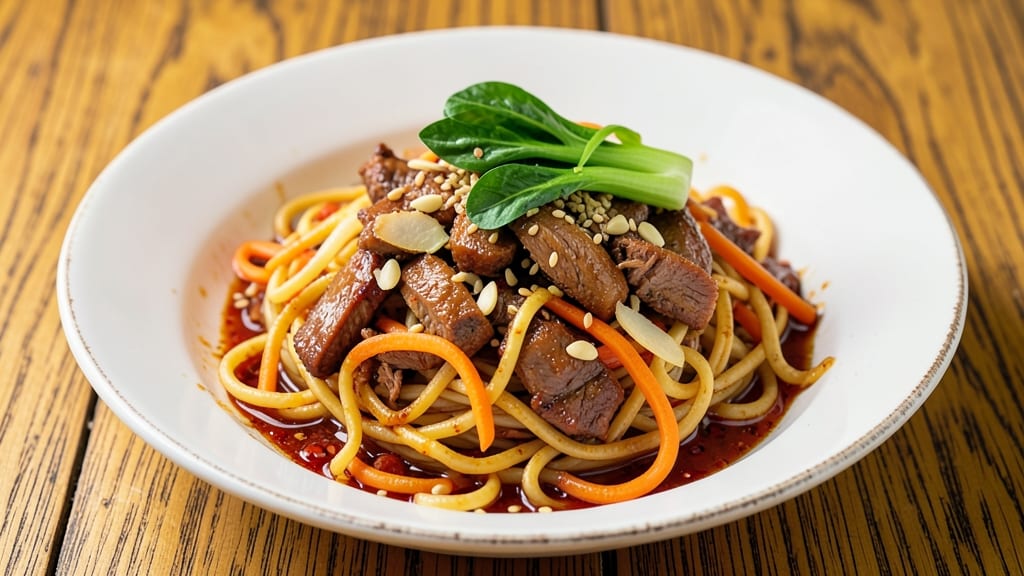
This BBQ pork lo mein recipe brings smoky-sweet Asian BBQ flavors to your stir-fry game with tender, caramelized pork and silky noodles. 🔥 After years of perfecting the balance between sweet and savory, I've created a dish that's quick enough for weeknights but impressive enough for dinner guests.
The secret lies in marinating the pork overnight in a blend of BBQ sauce and spices, then stir-frying it until it's perfectly tender and glazed.
The foundation of great lo mein is the noodles—wide, chewy egg noodles that absorb the rich BBQ sauce while maintaining their satisfying bite. We'll stir-fry them just until they're tender-crisp, then toss everything together with fresh vegetables and a touch of sesame oil for that authentic wok hei flavor.
This isn't your typical takeout version; it's restaurant-quality with a homemade touch that makes all the difference.
What you'll end up with is a dish that's packed with bold flavors and satisfying textures—crisp-tender pork, chewy noodles, and vibrant vegetables all coated in that sticky-sweet BBQ glaze.
The aroma alone will have everyone gathering around the table, and each bite delivers that perfect balance of sweet, smoky, and umami flavors. It's the kind of meal that feels special without requiring hours in the kitchen.
Serve it with pickled vegetables for acidity, fresh scallions for brightness, and a sprinkle of sesame seeds for texture. The leftovers reheat beautifully, making this an excellent meal prep option too. Let's get cooking—your taste buds are about to thank you!
Ingredients for bbq pork lo mein
Pantry staples plus a few fresh ingredients for that smoky-sweet BBQ lo mein flavor.
| Ingredient | Amount | Notes |
|---|---|---|
| Pork Shoulder 🐷 | 1 ½ lb | Boneless, cut into 1-inch cubes |
| Asian BBQ Sauce 🍯 | ¾ cup | Sweet and smoky, store-bought or homemade |
| Fresh Ginger 🌿 | 1 tbsp | Grated, fresh for best flavor |
| Garlic Cloves 🧄 | 4 cloves | Minced, fresh preferred |
| Egg Noodles 🍜 | 12 oz | Wide, chewy variety (lo mein noodles) |
| Baby Carrots 🥕 | 1 cup | Sliced into thin matchsticks |
| Bell Peppers 🌶️ | 1 whole | Red or green, sliced into strips |
| Green Onions 🧅 | 4 whole | White and green parts, sliced |
| Sesame Oil 🫒 | 1 tbsp | Toasted sesame oil for aroma |
| Vegetable Oil 🫒 | 2 tbsp | For stir-frying |
| Soy Sauce 🥢 | 1 tbsp | Light or dark soy sauce |
| Sesame Seeds 🌾 | 1 tbsp | Toasted, for garnish |
| Salt 🧂 | ½ tsp | Adjust to taste |
| Black Pepper 🌶️ | ¼ tsp | Freshly ground |
The pork shoulder is the star here—look for well-marbled cuts at Costco or your butcher shop. If you can't find pork shoulder, pork tenderloin works too, but cut it into smaller pieces so it cooks faster. The Asian BBQ sauce? Lee Kum Kee or Sweet & Sour brands are my go-tos, but any sweet-smoky sauce will do. Fresh ginger and garlic are non-negotiable for that authentic flavor—no powdered shortcuts here. The egg noodles should be the wide, chewy kind—Martini or King Noodle brands are perfect.
No sesame oil? Toasted peanut oil works in a pinch, though it won't have that same nutty aroma. Bell peppers can be swapped for broccoli florets if you're feeling different, and baby carrots can be swapped for snap peas or cabbage. The green onions are just for freshness—skip them if you're out, but don't skip the sesame seeds for garnish. They add that little crunch and flavor that makes it feel restaurant-quality. If you're prepping ahead, marinate the pork in the BBQ sauce overnight—it makes all the difference.
This dish reheats beautifully—just add a splash of water and warm through. Keeps for 3-4 days in the fridge, and freezes for 2 months if you want to meal prep. I always double the recipe because leftovers are just as good cold for lunch the next day. Store the sauce separately if you're freezing—just toss everything together when reheating.
Why You'll Love This Recipe
- Pork Falls Apart: I swear, that slow-cooked pork shoulder shreds so easily—just a fork and a little patience. The BBQ sauce clings to every bite like it’s been marinating for days, but honestly? You’re getting that deep, smoky flavor in half the time.
- Sweet-Savory Magic: That Asian BBQ sauce isn’t just sweet—it’s got a tangy kick that cuts through the richness of the pork. Add fresh ginger and garlic, and suddenly you’ve got a sauce that’s ridiculously addictive, even when it’s cold the next day.
- Lunchbox Hero: Between us, this is my go-to for packed lunches. Toss the noodles and pork into a container, and it stays fresh for days. My kids (and my husband) still ask for it—no complaints, just empty containers.
- Budget Stretch: Pork shoulder is cheap, and a jar of BBQ sauce goes a long way. One batch feeds four, and leftovers reheat like a dream. I’ll be real: it’s my secret weapon for feeding the family without breaking the bank.
Step-by-step instructions for BBQ pork lo mein
Here's how to make this smoky-sweet stir-fry with perfectly tender pork and chewy noodles.
🔥 Step 1: Cook the Pork Shoulder Until Tender and Caramelized
In a large skillet, heat 1 tablespoon vegetable oil over medium-high heat. Add the 1.5 lb pork shoulder cut into 1-inch cubes and cook undisturbed for 3-4 minutes until browned on all sides. This initial sear locks in juices and builds deep flavor.
Pour in the 0.75 cup Asian BBQ sauce and reduce heat to medium-low. Cover and simmer for 15-20 minutes, stirring occasionally, until the pork is fork-tender and the sauce has reduced by half. The pork should pull apart easily at this point—if not, give it another 5 minutes. Remove from the pan and set aside.
🍳 Step 2: Stir-Fry Vegetables Until Crisp-Tender
In the same skillet, add 1 tablespoon vegetable oil and heat over medium-high heat. Add the 1 cup baby carrots and 1 sliced bell pepper (strips) and stir-fry for 3-4 minutes until the carrots begin to soften but still have a slight bite. Add the 4 cloves minced garlic and 1 tbsp grated fresh ginger, cooking for 30 seconds until fragrant.
Push the vegetables to one side of the pan and add the 12 oz egg noodles (cooked according to package instructions, drained). Toss everything together for 1-2 minutes until the noodles are evenly coated and heated through. Here's the thing—don't overcrowd the pan or the vegetables will steam instead of crisp up.
🥘 Step 3: Combine Everything for Maximum Flavor
Return the cooked pork shoulder to the skillet along with any accumulated juices. Add 1 tbsp soy sauce and toss everything together for 2-3 minutes until the pork is heated through and the sauce clings to the noodles. The mixture should look glossy and well-coated—if it's too dry, add 1-2 tablespoons water to loosen it.
Taste and adjust seasoning with 0.5 tsp salt and 0.25 tsp black pepper if needed. The sauce should balance sweet, smoky, and slightly salty notes. If the noodles are still firm, let the dish sit covered for 1-2 minutes off the heat to absorb any remaining sauce.
🍽️ Step 4: Finish and Garnish for Restaurant-Quality Presentation
Drizzle with 1 tbsp sesame oil and toss gently to coat. Divide the lo mein among plates and garnish with 4 sliced green onions (white and green parts) and 1 tbsp toasted sesame seeds. The sesame oil adds that final aromatic punch that makes this dish taste like it came from your favorite Asian eatery.
Serve immediately while steaming hot. The noodles should be chewy but tender, the pork perfectly tender with a caramelized exterior, and the vegetables crisp-tender. Each bite delivers a perfect balance of smoky BBQ flavor, sweetness from the sauce, and the satisfying chew of fresh noodles.
Pro Tips For Making Bbq Pork Lo Mein
- SEAR THE PORK FIRST: Walk away after the first sear—don’t keep moving it around. Let that pork shoulder develop a deep, sticky crust in one spot for 3-4 minutes, then flip. I used to rush this, and the sauce just sat on top like a sad glaze instead of clinging like it belongs.
- JULIENNE THE GINGER: Thin, even matchsticks (about 1/8-inch thick) cook faster and blend smoother than chunks. Toss them into the wok after the pork’s seared but before the sauce hits—this way, they soften without turning to mush. (Yes, even if you’re impatient like me.)
- SALVAGE THE NOODLES: Boil them al dente (1 minute less than package says), then shock in ice water. Cold noodles won’t turn to glue when they hit the wok later, and they’ll soak up the BBQ sauce like a sponge instead of getting soggy. Trust me, your lo mein will thank you.
- DEGLAZE WITH BEER: After searing the pork, splash in ¼ cup of light beer or rice vinegar instead of water—it cuts through the caramelized bits and adds a subtle depth the BBQ sauce alone can’t. (Skip this? Your sauce will taste flat, even if you don’t notice why.)
Dietary considerations for this bbq pork lo mein
Gluten-Free Adaptations
To make this BBQ pork lo mein gluten-free, start with a gluten-free tamari or coconut aminos instead of soy sauce—it delivers the same umami punch without the gluten. Use a gluten-free Asian BBQ sauce like Kikkoman GF Teriyaki or Lee Kum Kee GF Sweet & Sour Sauce.
For extra security, check all spice blends and sesame oil labels for hidden gluten. The egg noodles are the trickiest part, but brands like King Noodle GF Egg Noodles or Rice Noodles work beautifully. 🌱
Low-Carb Swaps
For a lower-carb version, swap the egg noodles for shirataki noodles or zucchini noodles—both hold up well to stir-frying. If using zucchini, spiralize 2 medium zucchinis and pat them dry before cooking to prevent mushiness.
For extra protein, add shredded chicken or shrimp alongside the pork. The BBQ sauce remains the same, but reduce it slightly since you won’t have noodles to absorb the extra liquid.
Dairy-Free Considerations
This recipe is naturally dairy-free, but always double-check your Asian BBQ sauce for hidden dairy additives—some brands include whey. If you’re using a homemade sauce, ensure all ingredients like soy sauce and sesame oil are dairy-free.
Garnishes like sesame seeds and green onions are safe, but if you’re serving with a side of fried rice, opt for a dairy-free version using coconut oil or olive oil instead of butter.
Protein Alternatives
Want to make this vegetarian? Swap the pork for extra-firm tofu or mushrooms like shiitake or oyster. Press and marinate the tofu in the BBQ sauce overnight, then pan-fry until crispy.
For mushrooms, slice them thick and sear until deeply caramelized. Both options soak up the sauce beautifully, giving you that same smoky-sweet flavor without meat. 🌿
Allergen-Friendly Tips
For nut allergies, skip sesame oil and use avocado oil instead—it’s neutral but adds richness. If sesame seeds are an issue, garnish with toasted pumpkin seeds or crushed peanuts (if no nut allergies).
For shellfish allergies, avoid shrimp or scallops in low-carb swaps. Always keep a separate oil sprayer or clean skillet for allergen-free cooking to prevent cross-contamination. Safety first!
Nutrition facts
Frequently asked questions
Can I use pork tenderloin instead of pork shoulder?
Yes, but you'll need to adjust the cooking time. Pork tenderloin is leaner and cooks faster—cut it into ½-inch cubes and reduce the simmering time to 8-10 minutes instead of 15-20 minutes. The key is to keep it moist, so don't overcook it. For extra tenderness, marinate it for 1 hour instead of overnight.
How do I prevent the noodles from getting mushy?
Cook the noodles just until al dente (1-2 minutes less than package instructions), then drain and rinse briefly with cold water. This stops the cooking process. When stir-frying, work in batches if needed—overcrowding causes steaming instead of crisping. Toss the noodles with a little oil before adding them to the pan to create a barrier.
What if I don't have sesame oil?
Don't worry—you can substitute with toasted peanut oil or even a light drizzle of neutral oil like vegetable oil. For extra aroma, add a pinch of toasted sesame seeds directly to the pan during the final stir-fry. The flavor won't be identical, but it'll still taste delicious. The key is to add it at the very end to preserve its nutty punch.
Can I make this ahead of time?
Cook the pork and sauce completely, then refrigerate for up to 3 days. Store the noodles separately and cook them fresh when ready to serve. Reheat the pork mixture in a skillet with a splash of water, then toss with the freshly cooked noodles. For best texture, add the sesame oil and garnishes just before serving.
How can I make this spicier?
Add ½ teaspoon of chili flakes or 1 teaspoon of sriracha to the BBQ sauce during marinating. For extra heat, stir-fry ½ cup sliced jalapeños with the vegetables. If you like it smoky, add a pinch of smoked paprika to the pork marinade. Always taste as you go—you can adjust the heat level to your preference.