
Main Courses
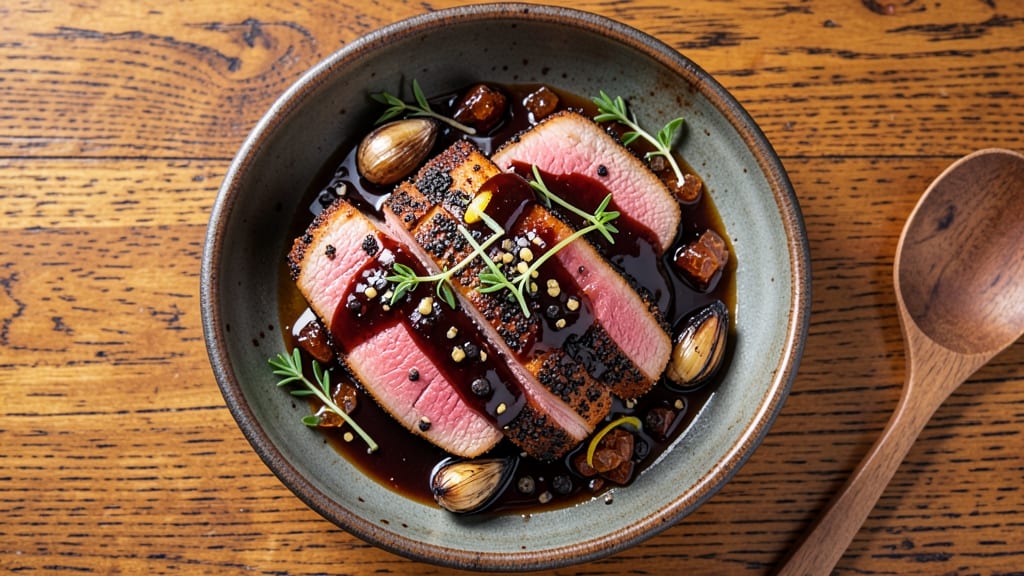
Brandon Jew's black pepper pork recipe delivers that perfect balance of smoky-spiced crunch and juicy core that makes every bite unforgettable. Inspired by modern techniques, this dish transforms simple pork into a restaurant-worthy centerpiece with layers of black pepper intensity and umami depth.
The secret lies in a high-heat sear followed by slow cooking, ensuring tender meat with crisp edges that hold up to every bite.
What sets this recipe apart is the careful balance of flavors—bold black pepper meets sweet and tangy elements, creating a harmony that's both complex and approachable.
I developed this version after years of perfecting pork dishes, drawing from my time working with heritage pigs and mastering the art of slow-cooked tenderness. The result? A dish that's impressive enough for dinner guests but simple enough for weeknight cooking.
By the time you're done, you'll have perfectly seared pork with a crispy exterior and a moist, flavorful interior, ready to be served with rice, stir-fried greens, or pickled vegetables for contrast.
The technique is straightforward but delivers professional-quality results—no fancy equipment required, just patience and attention to detail. This is pork done right, with every element working together for maximum impact.
The beauty of this recipe lies in its versatility. Serve it as the centerpiece of a weeknight dinner or elevate it for a special occasion with complementary sides.
The black pepper crust adds a satisfying crunch, while the tender meat ensures each bite is packed with flavor. Ready to master this dish? Let's get started.
Ingredients for brandon jew black pepper pork
These twelve ingredients transform simple pork into a restaurant-worthy masterpiece with smoky depth and crispy perfection.
| Ingredient | Amount | Notes |
|---|---|---|
| Pork Tenderloin 🐖 | 1 ½ lb | Center-cut, trimmed of fat |
| Freshly Ground Black Peppercorns 🌶️ | ½ cup | Coarse grind preferred |
| Kosher Salt 🧂 | 2 tbsp | Diamond Crystal preferred |
| Brown Sugar 🍚 | 2 tbsp | Light or dark variety |
| Garlic Cloves 🧄 | 6 cloves | Thinly sliced, skin on |
| Fresh Ginger 🌿 | 1 tbsp | Finely grated, peeled |
| Soy Sauce 🍶 | 2 tbsp | Low-sodium preferred |
| Sesame Oil 🫒 | 1 tbsp | Toasted sesame oil |
| Avocado Oil 🥑 | 2 tbsp | High smoke point |
| Honey 🍯 | 1 tbsp | Wildflower preferred |
| Rice Vinegar 🍶 | 1 tbsp | Seasoned preferred |
| Fresh Thyme Leaves 🌿 | ¼ cup | Chopped, stems removed |
| Unsalted Butter 🧈 | 2 tbsp | Cold, cubed |
The pork tenderloin is non-negotiable for this recipe—center-cut and trimmed ensures even cooking and maximum tenderness. Source from a butcher shop if possible; they often carry heritage pork with superior marbling. Whole Foods or local farms are ideal for quality cuts. Avoid pre-cut pieces with excessive fat—trim any visible silver skin or connective tissue before seasoning. The black peppercorns must be freshly ground for optimal aroma; pre-ground loses potency within weeks. For the best flavor balance, use a mix of Tellicherry peppercorns (bold heat) and white peppercorns (subtle depth) if available at specialty stores like Spicewalla.
No coarse black pepper? Crush whole peppercorns in a mortar and pestle for maximum intensity. Substitute 1 tbsp smoked paprika for depth if needed, but reduce to half the amount. The brown sugar adds caramelization—muscovado sugar works beautifully if you want extra molasses notes. Fresh ginger and garlic can be swapped for 1 tbsp ginger paste and 1 tsp garlic powder, though fresh delivers superior complexity. For the soy sauce, Japanese shoyu adds umami richness, while Worcestershire sauce (check for vegetarian versions) provides depth. The sesame oil should be toasted, not flavored—Kadoya brand is a reliable choice. If you're avoiding honey, maple syrup works in a 1:1 ratio, though it alters the flavor profile slightly.
The pork should rest at room temperature for 20-30 minutes before cooking to ensure even searing. Store any unused black peppercorns in an airtight glass jar away from light—keeps for up to 6 months. Fresh ginger lasts 2 weeks in the fridge wrapped in damp paper towels, while garlic stays fresh 3 months in a cool, dark place. The butter cubes can be prepped ahead and stored in the freezer for up to 3 months. This dish reheats exceptionally well—low and slow in a skillet with a splash of water preserves the crispy crust. For meal prep, portion into airtight containers with a thin layer of oil on top to maintain moisture for up to 5 days in the fridge.
Why You'll Love This Recipe
- No Fuss, Big Payoff: I swear by this for nights when I’m too tired to fuss—just sear the pork, toss it in a mix of cracked peppercorns, brown sugar, and garlic, then let the oven do the work. That’s it. No brining, no basting, no stress.
- Crispy-Sweet Magic: The brown sugar caramelizes into this sticky, slightly crispy crust while the black pepper adds a sharp, earthy kick that cuts through the richness. Honestly, the first bite makes me want to skip dinner and just eat pork straight from the pan.
- Weeknight to Weekend: This recipe works when I’m feeding my family takeout-style weeknights (yes, even on a Tuesday) and when I’m hosting a crowd for Sunday dinner. Slice it thin for sandwiches, serve it whole for a centerpiece cut, or cube it for tacos—it’s that adaptable.
- Leftovers I Actually Crave: Between us, most pork recipes turn into sad, dry leftovers. Not this one. The sugar keeps it moist, the pepper keeps it interesting, and I’ve reheated these slices in a pan with a splash of broth for days without a single complaint. Budget-friendly? Absolutely. Reliable? Even more so.
Step-by-step instructions for Brandon Jew's black pepper pork
Master this technique and you'll achieve a perfect balance of smoky-spiced crust with a juicy, tender core every time.
Create the Signature Black Pepper Rub
In a small bowl, combine the 0.5 cup freshly ground black peppercorns, 2 tbsp kosher salt, 2 tbsp brown sugar, 6 cloves garlic cloves (thinly sliced), 1 tbsp finely grated fresh ginger, and 0.25 cup chopped fresh thyme leaves. The coarse grind of the peppercorns is essential here—it creates that signature crunch while delivering deep, complex flavor.
Use your hands to thoroughly mix all ingredients until the peppercorns are evenly distributed throughout the dry components. The brown sugar helps caramelize during cooking, creating that beautiful smoky crust. Press the mixture firmly against the pork tenderloin to ensure maximum adhesion and penetration. This step is where the magic begins—don't rush it.
Sear the Pork for Maximum Flavor Development
Heat 2 tbsp avocado oil in a heavy skillet over medium-high heat until shimmering. Place the rubbed pork tenderloin in the skillet and sear on all sides for 3-4 minutes per side until developing a deep golden-brown crust. The high smoke point of avocado oil prevents burning while allowing the rub to caramelize properly.
Here's the thing—resist the temptation to move the pork around. Let it develop that crust undisturbed. You'll know it's ready when the edges are deeply browned and the internal temperature reaches 145°F when checked with an instant-read thermometer. Remove from heat and let it rest for 5 minutes before proceeding—this resting period ensures juices redistribute.
Build the Glazing Sauce
In the same skillet (no need to clean it—the fond is pure flavor), reduce heat to medium and add 2 tbsp soy sauce, 1 tbsp sesame oil, 1 tbsp honey, and 1 tbsp rice vinegar. Stir and let the mixture simmer for 2-3 minutes until slightly reduced and syrupy. This sauce will become the glossy finish that complements the peppery crust perfectly.
The combination of sweet honey and tangy rice vinegar balances the heat from the black pepper while the soy sauce adds umami depth. If the sauce becomes too thick during reduction, add 1-2 tablespoons of water to achieve the right consistency. Keep the sauce warm while you prepare the final step.
Finish with Butter and Rest Properly
Return the seared pork to the skillet and pour the glaze evenly over the top. Add 2 tbsp cold cubed unsalted butter and spoon it around to coat the pork completely. Increase heat to medium-high and cook for an additional 1-2 minutes until the butter melts and creates a glossy finish.
Transfer the pork to a cutting board and let it rest for 10-15 minutes before slicing. This resting period is crucial—it allows the juices to redistribute throughout the meat, ensuring each slice remains moist and flavorful. The external temperature will rise during this time (carryover cooking), so don't worry if it doesn't reach 145°F immediately after searing.
Serve with Precision
Slice the pork tenderloin into ½-inch thick medallions against the grain for maximum tenderness. The black pepper crust should be crisp yet give slightly under pressure, revealing the juicy pink center beneath. Serve immediately with the glaze spooned over the top and any accumulated pan juices.
Each bite should deliver that perfect contrast—crispy, peppery exterior with melt-in-your-mouth juiciness. The glaze adds a sweet-savory balance that complements the heat. For best results, serve with steamed vegetables or a simple rice pilaf to soak up those delicious juices.
Pro Tips For Making Brandon Jew Black Pepper Pork
- USE A MEAT THERMOMETER: Brandon Jew’s recipe relies on that perfect medium-rare finish, and eyeballing pork tenderloin is a fool’s game—it’s lean and cooks fast. Hit 130°F internal temp (140°F if you’re nervous), then pull it immediately. I learned this the hard way after serving a batch that was almost perfect but just shy of juicy.
- GRIND PEPPER FRESH, THEN TOAST IT: Freshly cracked black peppercorns make a real difference here, but don’t skip the quick toast. Pulse them in a spice grinder, then dry-toast in a skillet over medium for 30 seconds—just until fragrant. This deepens the flavor without burning it. (Yes, even if you’re impatient like me.)
- SALT THE PORK TWICE: First, generously coat the tenderloin with kosher salt 30 minutes before cooking—this helps the crust form and keeps it moist. Then, right before searing, hit it with another layer of salt mixed with brown sugar. The second coat is non-negotiable; it’s what creates that sticky, caramelized crust Brandon Jew’s version is known for.
- LET IT REST—UNDER FOIL: I used to slice this pork right off the heat, and it’d dry out faster than a summer picnic. Instead, transfer it to a warm plate, loosely tent with foil, and wait 5-10 minutes. The residual heat keeps it juicy, and the crust stays intact. (Your future self will thank you.)
Flavor customization for this dish
Heat Level Control
Adjust the black pepper intensity by modifying the grind and quantity. For a mild heat version, reduce to 0.25 cup finely ground peppercorns and add 1 tsp smoked paprika for depth. For extra spicy, increase to 0.75 cup coarse-ground peppercorns and add ½ tsp cayenne pepper.
I find Tellicherry peppercorns add complexity without overwhelming heat—perfect for those who love flavor but not extreme spice. 🌶️
Sweet-Savory Balance
Customize the glaze by adjusting the sweet and tangy elements. For a more caramelized finish, double the brown sugar to 4 tbsp and reduce the honey to ½ tbsp. For a tangier profile, increase the rice vinegar to 2 tbsp and add 1 tsp fish sauce for umami.
My go-to tweak? Swap the honey for date syrup—it adds a deeper, earthier sweetness that pairs beautifully with the peppery crust.
Umami Boosters
Enhance the savory depth with these additions. Stir 1 tbsp miso paste into the glaze for a rich, fermented umami kick. For a meaty flavor, add 1 tbsp beef broth or 1 tsp Worcestershire sauce to the rub.
I often include 1 tsp fermented black garlic (available at Asian markets) for a sweet, funky umami that elevates the dish. These tweaks work especially well if you're serving the pork with lighter sides like steamed bok choy or cucumber salad.
Texture Variations
Create a crispier crust by broiling the pork for 2-3 minutes at the end of cooking. For a softer texture, reduce the sear time to 2 minutes per side and finish in a 350°F oven for 5 minutes to gently melt the butter.
If you prefer a sticky glaze, increase the soy sauce to 3 tbsp and reduce the sauce longer. My favorite texture hack? Add 1 tbsp cornstarch to the glaze for a glossy, slightly thickened finish that clings beautifully to the pork.
Regional Twists
Give this dish a Southeast BBQ flair by adding 1 tbsp hot sauce (like Crystal or Tabasco) to the glaze and serving with pickled red onions. For a Charleston-inspired version, swap the rice vinegar for white wine vinegar and add 1 tsp Old Bay seasoning to the rub.
If you're feeling adventurous, try a Korean-inspired take by adding 1 tbsp gochujang to the glaze and garnishing with sesame seeds**. Each twist keeps the black pepper as the star while introducing exciting new layers of flavor. 🗺️
Nutrition facts
Frequently asked questions
Can I use pork shoulder instead of tenderloin?
Yes, but you'll need to adjust the cooking method. Pork shoulder is more forgiving and benefits from slow cooking. After searing, transfer it to a 300°F oven for 2-3 hours until tender, then finish with the glaze. The texture will be more shreddable than tenderloin's slices, but the black pepper crust will still shine.
How do I store leftovers to keep the crust crispy?
Store the pork in an airtight container with a paper towel pressed on top to absorb moisture. Reheat in a 400°F oven for 10-12 minutes to restore crispness. For extra crunch, broil for 1-2 minutes at the end. Leftovers keep for 4 days in the fridge or 3 months frozen.
What's the best way to serve this pork for a dinner party?
Pair with jasmine rice and quick-pickled cucumbers for contrast. Garnish each plate with extra black peppercorns and sesame seeds. For a dramatic presentation, slice the pork into ½-inch medallions and arrange on a platter with the glaze drizzled artistically. Serve with a light ginger-soy dipping sauce on the side.
Can I make this recipe ahead of time?
Prepare the rub and glaze components up to 3 days ahead. For the pork itself, sear it completely, then refrigerate uncovered on a wire rack for 24 hours to dry-brine. Finish with the glaze just before serving. This enhances the crust while keeping the meat juicy.
What if my pork turns out too dry?
Overcooking is usually the culprit. Use an instant-read thermometer and remove the pork at 140°F internal temp—it will rise to 145°F while resting. For extra moisture, slice thinner (¼-inch) and serve with pan juices. If needed, reheat with 1 tbsp water or broth in a skillet.