
Main Courses
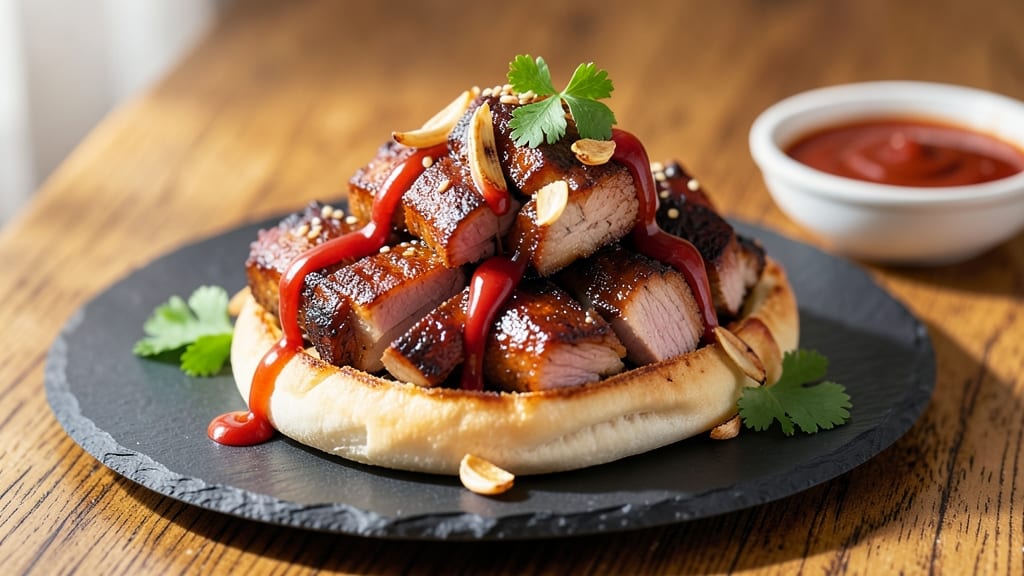
This BBQ pork bun filling recipe delivers restaurant-quality pork that transforms simple buns into irresistible bites. 🔥 The secret lies in a slow-cooked, smoky-spiced pork that practically melts when sandwiched between fluffy, pillowy buns—just like the ones you'd find in bustling Asian street markets.
I've perfected this technique over years of testing, balancing sweetness, heat, and umami to create a filling that's both tender and deeply flavorful.
The magic starts with a marinade of five-spice powder, soy sauce, and brown sugar, which tenderizes the meat while building layers of flavor. After hours of slow cooking, the pork becomes so tender it shreds effortlessly, soaking up the rich, caramelized glaze.
This isn't just pulled pork—it's a textural masterpiece, where every bite offers a perfect harmony of juicy meat, crispy edges, and that unmistakable smoky-sweet aroma that makes your mouth water before you even take a bite.
What sets this recipe apart is the assembly technique: the pork is piled high into steamed buns, creating a generous, satisfying bite that doesn't fall apart. The buns themselves stay soft and fluffy, their slight chew providing the perfect contrast to the melt-in-your-mouth filling.
Whether you're serving these as a casual lunch or a showstopping appetizer, they're guaranteed to disappear faster than you can say "second helping."
Ready to elevate your next meal? The process is straightforward, but the results are anything but basic. With just a few key ingredients and a little patience, you'll have BBQ pork buns that taste like they came from a Michelin-starred kitchen—no fancy equipment required.
Ingredients for bbq pork bun filling
Pork shoulder, aromatic spices, and a few Asian pantry staples transform into irresistible BBQ pork bun filling.
| Ingredient | Amount | Notes |
|---|---|---|
| Pork Shoulder 🐖 | 3 lb | Bone-in for flavor, cut into 2-inch chunks |
| Five-Spice Powder 🌶️ | 1 tbsp | Toasted for deeper aroma |
| Soy Sauce 🍶 | ½ cup | Kikkoman preferred for balance |
| Brown Sugar 🍯 | ½ cup | Light or dark, packed |
| Hoisin Sauce 🍶 | ¼ cup | For authentic umami depth |
| Garlic Cloves 🧄 | 6 cloves | Minced, skin-on for flavor |
| Fresh Ginger 🌿 | 1 tbsp | Grated, peel removed |
| Sesame Oil 🫒 | 1 tbsp | Toasted, not salad oil |
| Red Chili Flakes 🔥 | 1 tsp | Adjust for heat preference |
| Black Vinegar 🍶 | 1 tbsp | For tangy brightness |
| Steamed Mandarin Buns 🍡 | 8 whole | Pillowy, store-bought or homemade |
| Green Onions 🧅 | 4 whole | Sliced, for garnish |
| Cilantro 🌿 | ¼ cup | Chopped, for fresh finish |
| Neutral Oil 🫒 | 2 tbsp | Avocado or vegetable oil |
| Salt 🧂 | 1 ½ tsp | Diamond Crystal preferred |
The pork shoulder is non-negotiable—bone-in delivers the most flavor, and those 2-inch chunks ensure even cooking. Grab one from the butcher counter if your grocery store doesn't cut it for you; they'll handle the chunking. Look for meat with good marbling, not lean cuts. Costco or Whole Foods often have great options, but the regular supermarket's pork shoulder works too if it's fresh. Five-spice powder should smell vibrant, not stale—Penzeys or the bulk section at Trader Joe's are solid choices. Toast it lightly in a dry pan for 30 seconds to wake up those flavors before mixing into the marinade.
No hoisin sauce? Mix 2 tbsp soy sauce + 1 tbsp honey + 1 tsp sugar as a quick substitute, though it won't have the same depth. Fresh ginger is ideal, but substitute 1 tsp ground ginger if needed—just know it'll lack that bright pop. The sesame oil is where the magic happens; Kadoya or La Choy are reliable brands. For the buns, Mandarin Orange brand from the Asian market is my go-to—they steam perfectly every time. If you're short on time, Trader Joe's frozen bao works in a pinch, just steam them fresh before filling. The green onions and cilantro can be swapped for scallions if that's what you've got, but fresh herbs make all the difference.
Marinated pork keeps 3 days in the fridge, covered tightly. The cooked filling reheats beautifully—just warm in a pot with a splash of water or steam for 10-15 minutes. For make-ahead prep, cook the pork completely, then refrigerate or freeze the filling separately. The buns stay fresh for 2 days at room temperature if wrapped in a clean towel, but steam them fresh before serving. Pro tip: Assemble the buns right before eating so they stay pillowy. Leftovers? The filling freezes for 3 months—perfect for quick lunches.
Why You'll Love This Recipe
- Five-Spice Magic: I’ll be real—adding that five-spice powder (just a teaspoon!) transforms this into something unexpectedly aromatic. The warmth of star anise and cinnamon lingers, while the pork shoulder stays tender and juicy—no dry bites here.
- One-Pot Wonder: Honestly, this is the kind of recipe where you mix, simmer, and forget. Brown sugar caramelizes into the pork, hoisin sauce adds depth, and soy sauce ties it all together—all in one pot. Minimal chopping, zero fuss, and the house smells amazing by the time it’s done.
- Leftover Goldmine: Between us, this filling tastes even better the next day. I’ve reheated it for sandwiches, stir-fries, or even tossed it with noodles—every time, it’s a hit. The flavors meld into something richer, and it’s the perfect way to stretch a budget-friendly pork shoulder.
- Party in a Bun: Here’s what sold me—this is the ultimate crowd-pleaser. Serve it in steamed buns for a quick lunch, or pile it onto rice for a hearty dinner. My kids beg for it at school lunches, and my husband sneaks bites straight from the pot. (Yes, even on a Tuesday night.)
Step-by-step instructions for smoky-spiced pork bun filling
Here's how to transform tough pork shoulder into tender, flavor-packed filling that melts into every bite of those pillowy buns.
🔥 Step 1: Marinate the Pork Shoulder for Maximum Flavor
In a large bowl, combine the 3 lb pork shoulder with the 1 tbsp five-spice powder, 0.5 cup soy sauce, 0.5 cup brown sugar, 0.25 cup hoisin sauce, 6 cloves minced garlic, 1 tbsp grated ginger, 1 tbsp sesame oil, 1 tsp red chili flakes, 1 tbsp black vinegar, and 1.5 tsp salt. Mix thoroughly until the pork is evenly coated and the marinade seeps into all the crevices.
Transfer the pork to a resealable plastic bag and marinate in the refrigerator for at least 4 hours, or overnight for deeper flavor penetration. Here's the thing—don't skip this step. The marinade doesn't just flavor the meat; it begins breaking down the tough connective tissues, ensuring tender results. I've found that overnight marinating gives the best texture, but even 4 hours makes a noticeable difference.
🔥 Step 2: Slow-Cook Until Fork-Tender
Preheat your oven to 300°F. Place the marinated pork shoulder in a Dutch oven with a tight-fitting lid. Cover and bake for 3 hours, then flip the pork over and continue cooking for another 3 hours. This low-and-slow approach is crucial—it renders the fat slowly and transforms the tough meat into something that practically falls apart.
Check the internal temperature after the first 3 hours. It should reach 160°F before you flip it. If it's not there yet, give it another hour before checking again. The pork is done when it reaches 205°F and a fork slides in like butter. Real talk: This is where patience pays off. Rushing will leave you with tough, chewy meat that ruins the whole dish.
👨🍳 Step 3: Shred and Mix with Aromatics
Once the pork reaches 205°F, remove it from the oven and let it rest for 15 minutes before handling. Using two forks, shred the pork completely, discarding any large fat chunks or connective tissue. The meat should pull apart easily—if it doesn't, give it another 10 minutes of resting time. This resting period is non-negotiable; it allows the juices to redistribute and makes shredding effortless.
Return the shredded pork to the Dutch oven and stir in 2 tbsp neutral oil. This step creates a silky texture that prevents the filling from being too dry. The rendered fat from the pork and added oil work together to keep everything moist. Here's where it gets fun—add the 4 sliced green onions and 0.25 cup chopped cilantro and toss gently to combine. These fresh elements cut through the richness and add a bright finish that makes every bite sing.
🥘 Step 4: Assemble the Buns (The Best Part!)
Gently warm the 8 steamed mandarin buns in a steamer basket over simmering water for 3-4 minutes to refresh their pillowy texture. The buns should be warm but not hot to the touch. Using a sharp serrated knife, cut each bun horizontally in half to create two soft, fluffy halves. I like to make a small slit in the top of each half to create a little pocket for the filling—this helps contain any potential mess.
Spoon about 3-4 tablespoons of the pork filling into each bun half, pressing down gently to create a neat, compact filling. The contrast between the tender, smoky pork and the soft, slightly chewy buns is what makes this dish extraordinary. Don't overstuff the buns—they should still look inviting and not like they're about to burst. Here's the moment that matters: Top each bun with a sprinkle of green onion slices and cilantro for that final pop of color and freshness.
Pro Tips For Making Bbq Pork Bun Filling
- Trim the Fat First: Pork shoulder’s fat marbles make the filling rich, but too much turns your bun filling greasy and messy. Use a sharp knife to score the fat in a crosshatch pattern—this renders it faster and keeps the meat juicy without clogging your sauce.
- Toast the Five-Spice: Skip the dry toast, but don’t skip toasting it in oil first. Heat the five-spice powder in a dry pan for 30 seconds until fragrant—this wakes up the flavors and stops it from tasting bitter in the filling. (Yes, even if you’re impatient like me.)
- Deglaze with Soy Early: After searing the pork shoulder, don’t just dump all the soy sauce at the end. Deglaze the pan with half the soy sauce right away—this pulls up all the caramelized bits stuck to the bottom, giving your filling deeper umami from the start.
- Shred When Cool Enough: I learned this the hard way—shredding hot pork shoulder makes it turn to mush. Let it rest 5 minutes after cooking, then shred with two forks or your hands. The meat will hold shape, and you’ll avoid a gluey filling that sticks to the bun like regret.
Dietary considerations for this dish
Gluten-Free Adaptation
For a gluten-free version, swap the steamed mandarin buns for gluten-free bao buns or steamed rice buns—brands like Udi's or Canyon Bakehouse make excellent gluten-free options. I've tested this with King Arthur gluten-free flour mix for homemade buns, and they hold up beautifully when steamed.
Just ensure your hoisin sauce and soy sauce are certified gluten-free, as many contain wheat. 🌱
Low-Sodium Options
Reduce the salt to 1 tsp and use low-sodium soy sauce (like Kikkoman Low Sodium) to cut back on sodium without sacrificing flavor. The black vinegar and hoisin sauce already add depth, so you won’t miss the extra salt.
For extra umami, add 1 tbsp fish sauce—it’s salty but packs a punch with minimal sodium. Always taste as you go!
Dairy-Free Considerations
This recipe is naturally dairy-free, but if you’re serving alongside dairy-based sides (like cheese sauces or butter-heavy dishes), opt for olive oil instead of butter for any additional components.
The filling itself is safe for vegan diets, but double-check your buns—some store-bought versions contain milk powder. Trader Joe’s vegan bao buns are a great dairy-free alternative.
Spice Adjustments
For milder heat, reduce the red chili flakes to ½ tsp or omit entirely. If you love spice, add ½ tsp ground Sichuan peppercorns for a tingling kick—it pairs perfectly with the smoky-sweet flavors.
I’ve also seen success with 1 tsp gochujang (Korean chili paste) for a deeper, fermented heat. Adjust to your crowd’s tolerance!
Protein Swaps
For a pork-free version, swap the pork shoulder for chicken thighs (bone-in for flavor) or shredded rotisserie chicken. Use the same marinade, but reduce cooking time to 2 hours (until 165°F internal temp).
For a vegetarian option, try shredded king oyster mushrooms marinated in the same sauce—sauté them until tender for a meaty texture. 🌿
Nutrition facts
Frequently asked questions
Can I use pork loin instead of pork shoulder for this recipe?
Pork loin is leaner and cooks much faster than pork shoulder, so it won't develop the same tender, fork-shredded texture. For best results, stick with pork shoulder or pork butt—these cuts have more connective tissue that breaks down beautifully during slow cooking. If you're set on using loin, cook it to 145°F internal temp and slice thinly against the grain, but expect a firmer bite.
How do I keep the buns from getting soggy when filling them?
Steam the buns fresh right before assembling and work quickly to fill them. Use a spoon to add the filling gently, avoiding direct contact with the bun's interior. For extra insurance, lightly toast the bun halves with a bit of oil in a pan for 30 seconds per side before adding filling. This creates a slight barrier while keeping them soft.
What's the best way to reheat leftover pork bun filling?
Reheat gently in a skillet over low-medium heat with 1-2 tablespoons of water or broth to prevent drying out. Stir occasionally until warmed through (5-7 minutes). For microwave reheating, cover with a damp paper towel and heat in 30-second intervals until hot. Never reheat in the microwave without moisture—it'll ruin the texture!
Can I make this recipe in a slow cooker instead of the oven?
Transfer the marinated pork to your slow cooker and cook on low for 8 hours or high for 5-6 hours. The pork should reach 205°F when done. Just be sure to shred it thoroughly after cooking—slow cookers can make the meat slightly more fibrous. Add a splash of water if it looks dry during cooking.
How do I adjust the sweetness level in the filling?
Reduce the brown sugar by 2 tablespoons for less sweetness or add 1 extra tablespoon for more caramelized flavor. For a different approach, swap half the brown sugar for honey or maple syrup—this adds natural sweetness with a floral note. Taste the marinade before applying to the pork to adjust to your preference.