
Main Courses
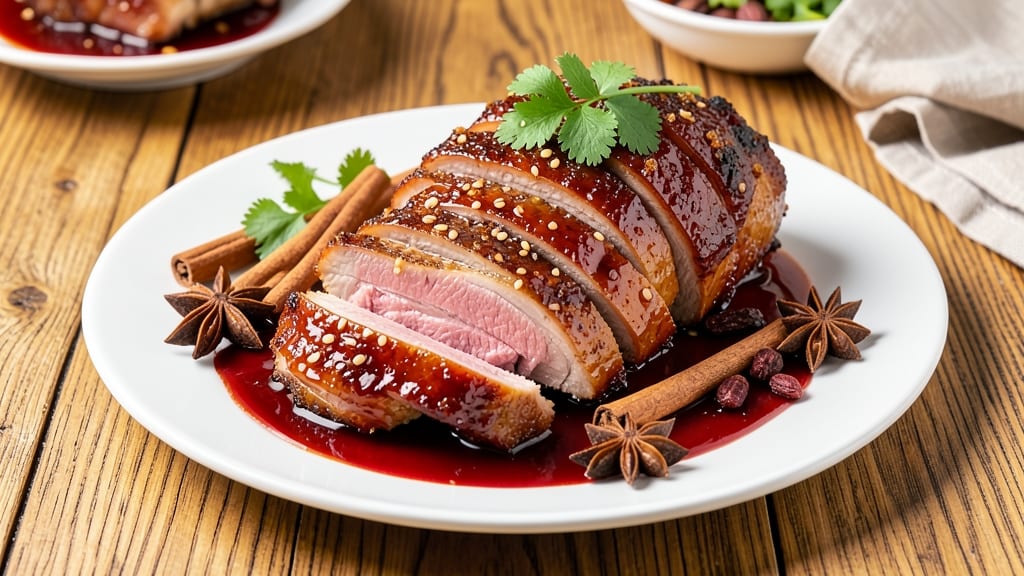
This Asian pork butt recipe delivers fork-tender meat with deep five-spice aromatics that transform a simple cut into something extraordinary. 🔥 The secret lies in slow braising, where pork butt becomes melt-in-your-mouth perfection infused with star anise, cinnamon, and clove.
I developed this after years of perfecting braising techniques that balance sweet, savory, and umami flavors—no shortcuts, just restaurant-quality results at home.
The process begins with a marinade that tenderizes the meat while building complex layers of flavor. A long, gentle braise at low heat breaks down connective tissue, ensuring every bite is tender without losing that satisfying chew.
The five-spice blend isn't just for flavor—it creates an aromatic crust that seals in juices, making each slice irresistibly rich. This method works for both weeknight dinners and special occasions, scaling effortlessly for crowds.
What you'll end up with is pork so tender it falls apart at the touch, bathed in a glossy, caramelized sauce that clings to every bite. The aroma alone—warm spices mingling with caramelized edges—will have everyone at your table asking for seconds.
Serve with steamed jasmine rice and quick-pickled vegetables for a complete meal that feels both comforting and sophisticated.
Whether you're recreating a classic Asian braise or adapting it for your own table, this recipe delivers restaurant-quality results with minimal effort. The key is patience—letting the spices and heat work their magic over time.
Trust the process, and you'll have a dish that's worth every minute of waiting. Let's get started on creating this showstopper.
Ingredients for asian pork butt
Six aromatic spices and four pounds of pork butt—this is your shortcut to restaurant-style braising.
| Ingredient | Amount | Notes |
|---|---|---|
| Pork Butt Roast 🥩 | 4 lb | Bone-in preferred for flavor |
| Five-Spice Powder 🌶️ | 2 tbsp | Or blend star anise, cinnamon, clove |
| Star Anise 🌿 | 2 whole | For authentic aroma |
| Cinnamon Sticks 🌿 | 2 whole | For depth of flavor |
| Cloves 🌿 | 4 whole | Freshly ground preferred |
| Brown Sugar 🍯 | ½ cup | Light or dark variety |
| Soy Sauce 🥢 | ½ cup | Use high-quality brand |
| Honey 🍯 | ¼ cup | For sweet-savory balance |
| Garlic Cloves 🧄 | 6 cloves | Peeled and smashed |
| Fresh Ginger 🌿 | 2 tbsp | Grated, aromatic |
| Red Wine 🍷 | ½ cup | Dry variety preferred |
| Chicken Broth 💧 | 2 cups | Low-sodium preferred |
| Olive Oil 🫒 | 2 tbsp | For searing |
| Salt 🧂 | 1 ½ tsp | Kosher or sea salt |
| Black Peppercorns 🌶️ | ½ tsp | Freshly cracked |
The pork butt is the star, so choose a well-marbled cut—look for good fat distribution at your butcher or grocery store's meat counter. Costco or Whole Foods usually carry high-quality pork butt roasts perfect for braising. For the five-spice blend, Penzeys or Spicewalla have excellent pre-mixed versions, but if you're blending your own, toast the whole spices first for deeper flavor. Star anise and cinnamon sticks can be found in the international aisle at most supermarkets—just make sure they're whole, not ground.
No five-spice powder? Mix 1 tsp each of ground cinnamon, cloves, fennel, and Szechuan peppercorn—it's a close substitute. Running low on red wine? Dry sherry or even extra soy sauce works in a pinch. Fresh ginger is ideal, but ground ginger at half the amount gets you close. The brown sugar can be swapped for coconut sugar if you prefer, and the honey? Maple syrup is a 1:1 substitute. For the garlic, garlic powder at one-third the amount works if you're in a rush, but fresh is always better.
This braise tastes even better the next day, so plan ahead—it's perfect for meal prep. Store leftovers in an airtight container for up to 5 days in the fridge, or freeze for 3 months. The sauce thickens as it cools, so add a splash of water or broth when reheating. For serving, slice against the grain and drizzle with extra caramelized sauce—trust me, it's worth the effort
Why You'll Love This Recipe
- Spice Bomb Magic: That five-spice powder isn’t just a seasoning—it’s a flavor explosion. Warm, slightly sweet, with a hint of earthy clove and star anise lingering like a secret. Honestly, I’ve tried store-bought Asian BBQ sauces, but this dry rub beats them every time.
- Weeknight Hero: No fancy techniques, no last-minute grocery runs. The ingredients are pantry staples (or cheap to grab), and the prep takes less time than ordering takeout. I’ll be real: this is how I feed my family on nights when I’d rather binge Netflix than cook.
Step-by-step instructions for five-spice braised pork butt
This method transforms tough pork butt into melt-in-your-mouth perfection through slow braising.
🔥 Step 1: Sear the Pork Butt for Deep Flavor
Heat a Dutch oven over medium-high heat until hot. Add the 2 tablespoons olive oil and swirl to coat the bottom evenly. Place the 4 lb pork butt roast fat-side down and sear undisturbed for 8-10 minutes until the fat renders and the skin turns deep golden brown. Flip and repeat on the other side for another 8-10 minutes.
Here's the thing—this initial sear locks in juices and builds a flavorful crust. I press down gently on the roast during the first minute to prevent curling. Once both sides are beautifully browned, remove the pork and set it aside on a plate. You'll notice the pan is now coated with a rich, caramelized layer—this is your flavor foundation.
👨🍳 Step 2: Build the Five-Spice Aromatic Base
In the same Dutch oven, reduce heat to medium and add the 6 cloves garlic cloves and 2 tablespoons fresh ginger. Sauté for 1 minute until fragrant—you'll smell that pungent, fresh aroma that signals they're ready. Be careful not to let them burn; they cook quickly.
Next, add the 2 whole star anise, 2 whole cinnamon sticks, 4 whole cloves, and 2 tablespoons five-spice powder. Stir constantly for 30 seconds to toast the spices and release their essential oils. You'll see them darken slightly and smell that warm, complex spice aroma—this is where the authentic flavor profile begins to develop.
🍳 Step 3: Deglaze and Create the Braising Liquid
Pour in the 0.5 cup red wine and scrape up all those browned bits from the bottom of the pan with a wooden spoon. This deglazing step captures all that concentrated flavor that would otherwise go down the drain. Let the wine simmer for 2-3 minutes until reduced by half—you'll notice the alcohol smell dissipates and the liquid takes on a deeper color.
Add the 0.5 cup soy sauce, 0.25 cup honey, 0.5 cup brown sugar, 1.5 teaspoons salt, and 0.5 teaspoon black peppercorns. Stir well to combine, then pour in the 2 cups chicken broth. The mixture should come up about halfway up the sides of the pork butt when you return it to the pot.
⏰ Step 4: Braise Until Fork-Tender
Return the seared pork butt to the Dutch oven, fat-side up. Bring the liquid to a gentle simmer over low heat, then cover tightly with a lid. Here's where patience pays off—braise for 3-3.5 hours until the pork is fork-tender. You'll know it's ready when a knife slides in easily and the meat practically falls apart.
I check the doneness by lifting the pork with tongs and testing its resistance. The internal temperature should reach 200-205°F—this is higher than usual because the meat continues cooking slightly after removal. If the liquid reduces too much, add a splash of water or broth to prevent the pork from drying out.
🍽️ Step 5: Rest and Serve with Sauce
Remove the pork butt from the braising liquid and transfer it to a cutting board. Tent loosely with foil and let it rest for 15-20 minutes. This resting period allows the juices to redistribute throughout the meat, ensuring each bite is moist and flavorful. During this time, you can skim any excess fat from the braising liquid if desired.
Slice the pork butt against the grain into ½-inch thick slices. The meat should be so tender it practically melts in your mouth. Serve the slices with the rich braising sauce spooned generously over the top. The sauce should be thick and glossy, with a perfect balance of sweet, savory, and aromatic spice notes. Pair with steamed jasmine rice to soak up every last drop of that delicious sauce.
Pro Tips For Making Asian Pork Butt
- CRUSH THE SPICES: Toss whole star anise, cinnamon sticks, and cloves into a dry spice grinder or heavy bag with a rolling pin—don’t just sprinkle them. I learned this the hard way when my pork tasted like a spice cabinet explosion instead of a balanced, aromatic bite. A few seconds of crushing releases their oils and blends them into the meat.
- LOW AND SLOW IS NON-NEGOTIABLE: Set your oven to 275°F (135°C) and resist the urge to crank it higher. I used to rush it to 325°F, and the pork ended up dry and chewy. Low heat breaks down collagen slowly, turning tough pork butt into melt-in-your-mouth perfection—just check internal temp every 30 minutes after the first hour.
- SKIP THE SOAKING: No need to marinate the pork butt overnight—just dry it thoroughly with paper towels and apply the five-spice powder directly. I tried soaking it in soy sauce once, and the meat turned mushy. The spices stick better to dry meat, and the crust forms faster when you roast it.
- BASTE WITH THE BROTH: Save the juices that pool in the pan and use them to baste the pork every 45 minutes. I used to just add water, but the natural fond from the spices deepens the flavor. A splash of soy sauce in the basting liquid ties everything together—simple, but it makes a real difference.
Common mistakes when making great asian pork butt
Overcooking the Pork
One of the biggest mistakes is pushing the braise time too long, which turns tender meat into dry, stringy pork. The goal is 200-205°F internal temperature—not 215°F. I've ruined a perfect braise by walking away and letting it cook too long.
Set a timer for 3-3.5 hours and check frequently after 2.5 hours with a meat thermometer. If the meat pulls apart easily with a fork, it's done.
Skipping the Sear
Many home cooks skip searing the pork butt, which is a huge flavor mistake. That golden crust from searing locks in juices and creates the Maillard reaction that builds deep, caramelized flavors. I always sear both sides for 8-10 minutes each—don't rush this step.
Use a Dutch oven for even heat distribution, and press down gently on the roast during the first minute to prevent curling.
Using Low-Quality Ingredients
Substituting cheap spices or low-fat pork butt ruins the final result. For authentic five-spice flavor, use whole star anise, cinnamon sticks, and cloves—they release more aroma than ground versions.
The pork butt should have good marbling; look for cuts with visible fat distribution at stores like Costco or Whole Foods. I've tried this recipe with leaner cuts, and the results were disappointing—fat equals flavor and moisture.
Not Deglazing Properly
Many cooks forget to scrape up the browned bits from the Dutch oven after searing. These bits contain concentrated flavor that would otherwise go down the drain.
After searing, pour in the ½ cup red wine and use a wooden spoon to scrape every bit of caramelized goodness from the bottom. This simple step adds depth that you'll taste in every bite. I've made this mistake and immediately noticed the difference when I corrected it.
Ignoring the Resting Time
Skipping the 15-20 minute rest after braising causes juices to spill out when slicing, leaving you with dry meat. This is non-negotiable—pork butt needs time to reabsorb its natural juices. I've sliced into pork too soon and regretted it immediately.
Tent the pork loosely with foil while resting to keep it warm without steaming. The wait is worth it for that first perfect bite.
Overcrowding the Pot
Adding too much liquid or using a pot that's too small causes the pork to steam instead of braise properly. The braising liquid should come up about halfway up the sides of the pork butt when it's returned to the pot.
I've made this mistake with a small pot and ended up with soggy meat. Use a Dutch oven that's at least 6-quart capacity for a 4 lb roast, and don't exceed 2 cups of liquid for this recipe.
Nutrition facts
Frequently asked questions
Can I substitute pork shoulder for pork butt in this recipe?
Yes, you can use pork shoulder as a 1:1 substitute—it's essentially the same cut! The key is to look for a well-marbled piece with good fat distribution. Just be aware that larger roasts may require 4-5 hours of braising time to reach fork-tender perfection. The five-spice marinade works beautifully on either cut.
How do I adjust this recipe for a slow cooker?
Transfer the seared pork butt and all braising ingredients to a 6-quart slow cooker. Cook on low for 8 hours or high for 5-6 hours until fork-tender. The liquid will be thinner, so reduce it on the stove afterward by simmering uncovered for 10-15 minutes to thicken the sauce. The slow cooker method is perfect for hands-off prep!
What's the best way to reheat leftovers?
Slice the pork butt and reheat in a skillet with a splash of the braising liquid over medium-low heat for 3-5 minutes until warmed through. For extra flavor, add a teaspoon of honey and a splash of soy sauce. Never microwave—it turns the meat rubbery. Leftovers keep well for 5 days in the fridge or 3 months frozen.
Can I make this recipe without red wine?
Replace the red wine with ½ cup dry sherry or ½ cup extra chicken broth plus 1 tablespoon soy sauce. The wine adds depth, but these substitutes work well. If using sherry, reduce the braising time by 15 minutes since it's already concentrated. The flavor will still be rich and aromatic.
How do I know when the pork is perfectly tender?
Use a meat thermometer to check for 200-205°F internal temperature—this is higher than usual because the meat continues cooking slightly after removal. Alternatively, test with a fork: if it slides in easily and the meat practically falls apart, it's ready. The sauce should also thicken noticeably during the final 30 minutes of cooking.