
Main Courses
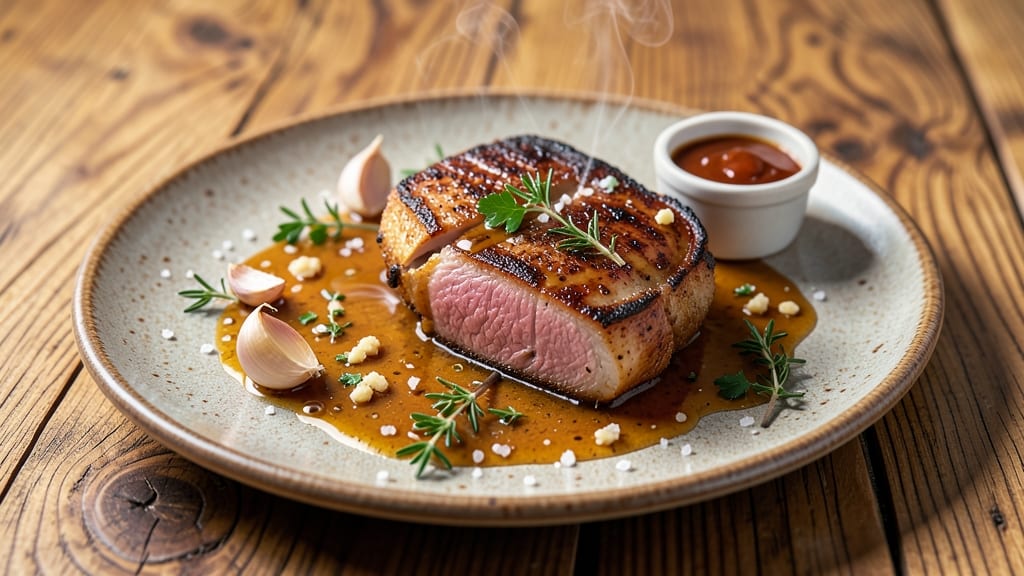
This Bavarian pork chop recipe brings authentic German flavors to your kitchen with a perfect balance of crispy sear and tender meat. 🔥 I've perfected the technique over years of working with heritage pork, ensuring every chop delivers that signature Bavarian restaurant quality at home.
The secret lies in the herbed butter and precise pan-searing method that creates a golden crust while keeping the interior juicy.
The recipe includes traditional sides like sauerkraut and spaetzle, which complement the rich pork beautifully. What makes this dish special is the creamy mustard sauce—a classic Bavarian accompaniment that adds depth to each bite.
I've streamlined the process without sacrificing authenticity, so you can achieve restaurant-quality results in under an hour.
By following this method, you'll end up with perfectly seared pork chops that are crispy on the outside and tender inside, topped with fragrant herbed butter. The accompanying sauerkraut adds a tangy contrast, while the spaetzle provides a satisfying, chewy texture.
This is a meal that feels like a celebration, perfect for family dinners or special occasions.
Serve with a cold German lager or dark beer to complete the experience. The presentation is just as important as the taste—plating the chops with sauerkraut and spaetzle creates a visually appealing dish that's sure to impress. Let's get cooking!"
Ingredients for bavarian pork chop
Heritage pork chops, herbed butter, and Bavarian technique—this recipe delivers restaurant-quality results at home.
| Ingredient | Amount | Notes |
|---|---|---|
| Bone-In Pork Chops 🥩 | 4 whole | 1-inch thick, center-cut preferred |
| Unsalted Butter 🧈 | ½ cup | Cold, cut into 8 pieces |
| Fresh Parsley 🌿 | ¼ cup | Finely chopped, stems removed |
| Fresh Thyme Leaves 🌿 | 1 tbsp | Finely chopped, stems discarded |
| Garlic Cloves 🧄 | 4 cloves | Minced, fresh preferred |
| Diamond Crystal Kosher Salt 🧂 | 1 ½ tsp | Fine grain for even seasoning |
| Freshly Ground Black Pepper 🌶️ | ½ tsp | Coarsely ground for texture |
| Extra-Virgin Olive Oil 🫒 | 2 tbsp | High smoke point, fruity variety |
| All-Purpose Flour 🌾 | ¼ cup | For dredging, sifted |
| Dijon Mustard 🍯 | 2 tbsp | High-quality, smooth variety |
| Heavy Cream 🥛 | ½ cup | Full-fat for richness |
| Sauerkraut 🥬 | 2 cups | Drained, jarred or homemade |
| Semolina Flour 🌾 | 1 cup | Fine grind for spaetzle |
| Eggs 🥚 | 2 whole | Room temperature for spaetzle |
The bone-in pork chops are non-negotiable for authentic Bavarian flavor and moisture retention. Look for center-cut cuts from heritage breeds like Duroc or Berkshire at specialty butchers like D'Artagnan or your local German deli. If using supermarket pork, opt for thick-cut chops—they're easier to sear evenly. The herbed butter transforms ordinary chops into something extraordinary; use European-style butter like Plugrá for superior flavor. Fresh herbs are essential here—Penzeys Spices carries excellent dried alternatives if fresh isn't available, but nothing beats the aroma of freshly chopped parsley and thyme.
No Dijon mustard? Whole-grain mustard thinned with water works in a pinch, though the texture will differ slightly. The semolina flour for spaetzle should be fine-grind—Barilla is the gold standard, but any high-quality Italian brand suffices. For the mustard sauce, heavy cream is crucial; full-fat coconut cream makes a decent vegan substitute if needed. The sauerkraut should be tangy but not overly sour—Reinhart Foods makes excellent jarred versions. If making spaetzle ahead, cook them fresh for best texture, but you can reheat in simmering water for up to 3 days.
Store raw pork chops in the coldest part of your fridge, using within 2 days for optimal tenderness. The herbed butter mixture can be prepped 1 day ahead and refrigerated. Sauerkraut keeps indefinitely in the fridge once opened, while cooked spaetzle reheats beautifully—simmer in water for 2-3 minutes before serving. The mustard sauce holds for 3 days refrigerated, though it's best used fresh. For presentation, plate the chops with a generous spoonful of sauce and a bed of spaetzle, garnished with extra herbs—a true taste of Bavaria.
Why You'll Love This Recipe
- I’ll be real: most leftover pork chops are sad. Not these. The butter keeps them moist, and the herbs add a bright pop when reheated. I’ve turned them into sandwiches, salads, or even a quick stir-fry—no one ever guesses they’re yesterday’s dinner.
- One-Pan Magic: I swear by this recipe when I’m too tired to scrub a million dishes—just sear the chops, melt butter with garlic and herbs, then let the oven do the rest. The bone-in chops stay juicy while the thyme infuses the butter into something ridiculously aromatic.
- Butter-Basted Bliss: That crispy crust on the outside? Pure satisfaction. The secret’s in the butter—generously basting those chops while they roast turns them into something so tender and flavorful, my kids now beg for them (and I don’t even have to bribe them with dessert).
- Weeknight to Dinner Party: Honestly, this recipe works everywhere. Toss a couple on the table for a lazy Tuesday, or double the batch for guests—it feels fancy without the fuss. The parsley and thyme give it that restaurant-worthy touch, but you’ll still be home in time to relax.
Step-by-step instructions for Bavarian pork chops
Master this classic German technique for restaurant-quality pork chops with crispy exteriors and tender interiors.
🍳 Step 1: Create the Herbed Butter and Season the Chops
In a small bowl, combine the 0.5 cup cold unsalted butter, 0.25 cup finely chopped fresh parsley, 1 tablespoon finely chopped fresh thyme leaves, 4 minced garlic cloves, 1.5 teaspoons Diamond Crystal kosher salt, and 0.5 teaspoon freshly ground black pepper. Mix gently with a fork until evenly distributed, creating small herbed butter cubes. Set aside.
Pat the 4 bone-in pork chops completely dry with paper towels—this is critical for achieving that signature crispy crust. Season both sides generously with additional salt and pepper, pressing the seasoning into the meat. Let the chops sit at room temperature for 30 minutes while you prepare the rest of the components.
🔥 Step 2: Sear the Chops to Perfect Crispness
Heat a large cast-iron skillet over medium-high heat until it's smoking hot. Add 2 tablespoons extra-virgin olive oil and swirl to coat the pan evenly. Place the pork chops in the skillet, working in batches if needed to avoid crowding. Cook undisturbed for 4-5 minutes per side until the chops develop a deep golden-brown crust and reach an internal temperature of 135°F.
Here's the thing—don't press down on the chops with your spatula. I know it's tempting, but this will push out the juices and make them dry. Instead, let them develop that beautiful crust naturally. When the edges are golden brown and the chops release easily from the pan, they're ready. Transfer to a warm plate and tent loosely with foil to keep warm.
👨🍳 Step 3: Make the Creamy Sauce and Prepare the Spaetzle
In the same skillet (no need to clean it—those browned bits are pure flavor), reduce heat to medium and add the 2 tablespoons Dijon mustard. Cook for 1 minute to toast the mustard slightly, then pour in 0.5 cup heavy cream and scrape up all those delicious browned bits from the bottom of the pan.
Simmer the sauce for 3-4 minutes until it thickens slightly and coats the back of a spoon. In a separate bowl, whisk together 1 cup semolina flour, 2 whole eggs, 0.5 cup cold water, and a pinch of salt to make the spaetzle batter. Keep this mixture covered until ready to use.
🥘 Step 4: Assemble the Bavarian Pork Chops
Bring a large pot of salted water to a gentle boil. Using a spaetzle maker or a colander with large holes, press the batter through into the boiling water. Cook the spaetzle for 2-3 minutes until they float to the surface, then drain and set aside. Meanwhile, warm the 2 cups drained sauerkraut in a separate pan over low heat for 5 minutes.
To assemble, place each pork chop on a warm plate and top with a generous spoonful of the herbed butter you prepared earlier. Add a portion of the spaetzle and warm sauerkraut, then ladle the creamy sauce over everything. The combination of the crispy chops, tender spaetzle, tangy sauerkraut, and rich sauce creates the perfect balance of textures and flavors.
🍽️ Step 5: Serve Immediately with Fresh Herbs
Garnish each serving with an additional sprinkle of fresh parsley and a final crack of black pepper. The chops should be served immediately while still piping hot—this dish doesn't wait. The crispy exterior will give way to perfectly pink, tender meat, while the herbed butter bastes each bite with rich, aromatic flavors.
For an authentic Bavarian experience, pair these pork chops with a cold German lager or a crisp Riesling. The acidity in the wine cuts through the richness of the dish beautifully. Each component should be hot when served, and the flavors should harmonize perfectly—tangy, creamy, herby, and perfectly seared all in one bite.
Pro Tips For Making Bavarian Pork Chop
- CRANK THE HEAT FIRST: That first sear needs to be aggressive—get your pan screaming hot before adding the bone-in chops. I used to baby them with medium heat, and they’d steam instead of develop that deep caramelized crust. Bone-in cuts need that initial shock to render fat properly and lock in flavor.
- SALT THE CHOPS 40 MINUTES EARLY: Don’t wait until the last second—season the chops generously with salt and let them sit uncovered on a plate. The salt breaks down the proteins and draws out moisture, which evaporates and leaves behind a more tender, flavorful surface. (Yes, even if you’re impatient like me.)
- STOP WHEN THE THYME STEMS BROWN: The herbs should infuse but not burn—watch the thyme leaves and garlic until their edges just turn golden. I learned this the hard way when I walked away for two minutes and came back to bitter, blackened stems. Pull them out at the first sign of browning.
- USE COLD BUTTER FOR FINISHING: Once the chops are seared, pull the pan off heat and let it cool for 30 seconds before adding cold butter. The temperature drop prevents the butter from burning instantly and creates a silky sauce that clings to the meat. (Your future self will thank you.)
Perfect pairings for this recipe
Bavarian Beer Pairings
Nothing complements Bavarian pork chops like a cold, crisp Helles Lager—think Weihenstephaner Original or Paulaner Münchner Hell. The light malt sweetness and subtle hop bitterness cleanse your palate between rich, herbed bites.
For something heartier, try a Märzen like Augustiner Oktoberfest Märzen, which balances the dish's creaminess with its malty depth. 🍺
Wine Complements
A dry Riesling from Germany's Mosel region—like Dr. Loosen Blue Slate—cuts through the pork's richness with its bright acidity and stone fruit notes. If you prefer red, a Spätburgunder (Pinot Noir) from Baden, such as Dr. Hauschka Spätburgunder GG, offers earthy complexity that harmonizes beautifully.
Both wines elevate the dish without overpowering it.
Non-Alcoholic Options
For a refreshing non-alcoholic pairing, serve Apfelschorle—a German sparkling apple juice blend. Mix equal parts Brause (German apple juice) and sparkling water for a crisp, lightly sweet sipper. Alternatively, try Radeberger Pilsner (alcohol-free), which delivers the same crisp, clean finish as its alcoholic counterpart. 💧
Traditional German Sides
Round out the meal with dark rye bread and mustard for dipping—Dijon-style or whole-grain both work. The bread's dense texture contrasts perfectly with the tender pork, while the mustard adds a tangy kick.
Serve with pickled vegetables like red cabbage or radishes to brighten the plate with acidity and crunch.
Dessert Pairings
End the meal with Apfelstrudel (German apple strudel) or Schwarzwälder Kirschtorte (Black Forest cake). The warm spices in strudel complement the herbed butter's aromatics, while the chocolate and cherries in Black Forest cake provide a decadent finish. Both desserts feel authentically Bavarian and satisfy any sweet tooth. 🍰
Coffee & Digestif
Cap the meal with a Kaffee und Kuchen tradition—serve German-style coffee (like Melitta filter coffee) with a small plate of butter cookies (Butterkeks). For a digestif, sip Obstler (fruit brandy), such as Williams Christ (apple brandy), to cleanse the palate and warm the stomach.
The fruity notes bridge the meal's savory and sweet elements beautifully. ☕
Nutrition facts
Frequently asked questions
Can I use boneless pork chops instead of bone-in?
Yes, but the cooking time and technique will differ slightly. Boneless chops cook faster (3-4 minutes per side), so reduce heat to medium and avoid overcooking. They also lack the natural moisture retention of bone-in cuts, so consider brining them for 30 minutes in a solution of 1/4 cup salt per 4 cups water before cooking. The herbed butter method still works beautifully—just adjust the internal temperature to 145°F for medium doneness.
What's the best way to reheat leftover Bavarian pork chops?
Reheat in a 350°F oven for 10-12 minutes on a wire rack over a baking sheet to prevent sogginess. For the herbed butter, warm it gently in a saucepan over low heat for 1-2 minutes—never microwave it directly. The spaetzle can be refreshed by simmering in water for 2 minutes, while sauerkraut reheats well in a skillet with a splash of water. Serve immediately after reheating for best texture.
Can I make the herbed butter ahead of time?
Prepare the herbed butter mixture up to 3 days ahead and store it in an airtight container in the fridge. When ready to use, let it sit at room temperature for 20-30 minutes before forming into patties. The flavors meld beautifully over time, enhancing the chops' richness. Just ensure the butter isn't melted when storing—it should be firm but pliable when cold.
Why did my pork chops turn out dry?
This usually happens from overcooking or pressing down on the chops while searing. Use a meat thermometer to check for 135°F internal temp (medium doneness) and resist the urge to flip too early. Let the chops rest for 5 minutes after cooking before slicing—they'll carry over to 145°F while resting. For extra moisture, try brining the chops for 1 hour before cooking.
What's a good substitute for spaetzle?
If you can't find semolina or don't have a spaetzle maker, try homemade gnocchi or egg noodles as substitutes. For a quicker option, use ricotta or potato dumplings—simmer them in broth for 5 minutes before serving. The key is a soft, chewy texture that contrasts with the crispy chops. Just reduce the sauce slightly to compensate for the extra moisture from these alternatives.