
Main Courses
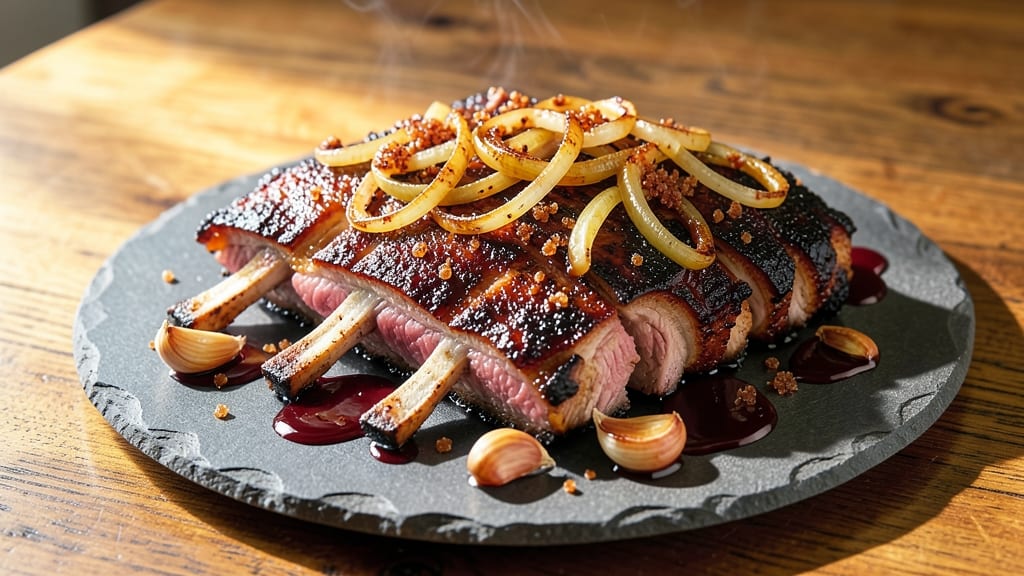
Barbecue pork rib roast transforms tough cuts into melt-in-mouth perfection—where smoky bark meets tender, juicy meat that falls apart at the touch of a fork. 🔥 As someone who grew up in a house where ribs were a weekly ritual, I know the difference between good and legendary: patience, the right wood, and a rub that sticks like gospel. This isn't just another rib recipe; it's the one that'll have your guests asking for seconds before dessert even arrives.
The secret lies in the 3-2-1 method—three hours of smoking, two hours wrapped in foil, and one final hour uncovered to form that prized bark. I've tested this technique countless times, and it never fails to deliver ribs so tender they practically dissolve.
The key ingredients? Quality pork ribs (baby back or St. Louis style), a dry rub packed with brown sugar and smoked paprika, and hickory or cherry wood for that unmistakable smoky depth. Trust me, the wait is worth every minute.
What you'll end up with is a platter of ribs that's equal parts restaurant-quality and home-cooked comfort. The exterior boasts a deep mahogany crust with just the right amount of char, while the meat inside is so tender it pulls apart effortlessly.
The flavors are complex—smoky, slightly sweet, with a perfect balance of heat from the spices. This isn't just dinner; it's an experience that turns ordinary weeknights into memorable feasts.
Serve with classic sides like creamy coleslaw and buttery cornbread to soak up every last bit of that delicious sauce. The best part? Leftovers reheat beautifully, making this the ultimate meal for feeding a crowd or prepping ahead.
Let's get started on creating ribs that'll have everyone coming back for more.
Ingredients for barbecue pork rib roast
Six pounds of ribs plus a handful of spices—this is where magic happens on the smoker.
| Ingredient | Amount | Notes |
|---|---|---|
| Pork Ribs (Baby Back or St. Louis Style) 🍖 | 6 lb | Meaty, bone-in cuts preferred |
| Yellow Onion 🧅 | 1 whole | Chopped for rub base |
| Garlic Cloves 🧄 | 8 cloves | Minced for rub |
| Brown Sugar 🍚 | ½ cup | Light or dark variety |
| Smoked Paprika 🌶️ | 2 tbsp | For deep smoky flavor |
| Kosher Salt 🧂 | 1 ½ tbsp | Diamond Crystal preferred |
| Ground Black Pepper 🌶️ | 1 tbsp | Freshly cracked |
| Ground Cumin 🌿 | 1 tbsp | Toasted for depth |
| Chili Powder 🔥 | 1 tbsp | Medium heat preferred |
| Apple Cider Vinegar 🍎 | ¼ cup | For tenderizing spray |
| Hickory Wood Chips 🌳 | 1 package | Unsoaked, for smoker |
| Butter 🧈 | ½ cup | Unsalted, softened |
| Apple Juice 🍎 | ½ cup | For wrapping phase |
The ribs are non-negotiable. Baby backs are leaner with more meat per bone, while St. Louis style have more surface area for bark. I always grab mine from Costco when I'm feeding a crowd, but the regular supermarket butcher section works too. Look for cuts with good marbling—the fat keeps them juicy. If you're buying frozen, thaw them overnight in the fridge, wrapped in a towel. The rub ingredients? Penzeys has the best smoked paprika, but any quality grocery store brand works. Toast your spices in a dry pan for 30 seconds to wake up their flavors—trust me, it makes a difference.
No smoked paprika? Regular paprika plus a pinch of cayenne gets you close. Running out of apple cider vinegar? Lemon juice works in a pinch. Want to skip the butter wrap? Extra apple juice or even beef broth keeps them moist. The wood chips are key—hickory gives classic smokiness, but cherry or pecan adds a sweeter note. If you're using a gas smoker, soak the wood chips in water for 30 minutes first. And for the love of ribs, don't skip the apple juice wrap—it's what makes them fall apart later.
Prep everything the night before—mix your rub, soak your wood chips, and let the ribs sit out for an hour before smoking so they're not icy cold. The ribs keep beautifully in the fridge for 2 days after cooking, wrapped tightly in foil. For leftovers, reheat in a 350°F oven for 10 minutes with a splash of apple juice to keep them moist. I always make a double batch because these disappear fast—freeze extras for up to 3 months in airtight containers.
Why You'll Love This Recipe
- One-Pan Magic: I swear by this recipe because it’s all about minimal cleanup. Toss the ribs, onions, and garlic on a sheet pan, slather on that smoky-sweet mix of brown sugar and paprika, and let the oven do the rest—no messy grill or extra pots to wash.
- Sweet-Smoky Bomb: That caramelized brown sugar crust? It’s the star. The ribs get sticky, tender perfection while the onions melt into golden bits, and the smoked paprika gives it this deep, smoky warmth that makes every bite feel like a hug.
- Game-Day Ready: Between us, this is my go-to for gatherings. It’s hearty enough for a crowd but simple enough that I’m not stressing over last-minute prep. Serve it with crusty bread, and suddenly you’ve got a showstopper that’s still easy to pull off.
- Leftovers That Don’t Suck: Honestly, I make this just so I can have ribs for days. The flavor only gets better as it sits—shred it for tacos, sandwiches, or even a loaded baked potato. And since ribs are budget-friendly, you’re not breaking the bank for seconds.
Step-by-step instructions for smoked pork rib roast
Here's how to transform tough ribs into melt-in-your-mouth perfection with a smoky crust you'll crave.
🔥 Step 1: Build the Ultimate Dry Rub
In a medium bowl, combine the chopped yellow onion, minced garlic cloves, all 0.5 cup brown sugar, 2 tbsp smoked paprika, 1.5 tbsp kosher salt, 1 tbsp ground black pepper, 1 tbsp ground cumin, and 1 tbsp chili powder. Mix thoroughly with your hands until the spices coat the onion and garlic completely—this ensures maximum flavor penetration.
I like to use my fingers here because it helps distribute the spices evenly. The onion and garlic act as flavor carriers, so we want them well-coated. Once everything is uniformly mixed, transfer the rub to a small bowl and set aside. This dry blend is the foundation of your ribs' incredible bark and tender interior.
👨🍳 Step 2: Prep and Apply the Rub Generously
Pat the 6 lb pork ribs completely dry with paper towels—this is critical for developing that perfect crust. Any moisture on the surface will prevent the rub from sticking and create steam instead of bark. Work in batches if needed, but don't rush this step.
Apply the rub to the ribs in two layers. First, press about half of the rub mixture all over the meat, making sure to get into the crevices between the bones. Then, let it sit for 15 minutes at room temperature. After this initial rest, add the remaining rub and press it in firmly. This two-step application ensures maximum flavor penetration and creates that coveted dark mahogany bark.
🔥 Step 3: Smoke the Ribs Low and Slow
Set up your smoker to maintain a steady 225°F using the hickory wood chips. I prefer a water pan in the smoker to help maintain moisture during the long cook. Place the ribs meat-side up on the smoker grates and close the lid tightly. Resist the urge to peek—every time you open the lid, you lose heat and moisture, adding valuable time to your cook.
Smoke the ribs for 4-5 hours until they reach an internal temperature of 165°F in the thickest part. You'll notice the ribs start to develop a dark crust around the 3-hour mark, but don't worry if it's not perfect yet. The key is patience—this slow cooking process breaks down the connective tissue, transforming tough meat into tender perfection.
🥘 Step 4: Wrap and Finish with Apple Magic
Once the ribs reach 165°F, it's time for the apple juice wrap that takes them to the next level. In a microwave-safe bowl, melt the 0.5 cup butter for 30 seconds until soft but not liquid. Then mix in the 0.5 cup apple juice until fully combined.
Remove the ribs from the smoker and wrap them tightly in heavy-duty aluminum foil. Pour the butter-apple juice mixture over the ribs, coating them completely. Seal the foil completely—this creates a steam environment that tenderizes the meat further. Return the wrapped ribs to the smoker and continue cooking for another 1-2 hours until the internal temperature reaches 203°F and the meat is fork-tender.
⏰ Step 5: Rest and Serve with Confidence
Transfer the ribs to a cutting board and let them rest for at least 15 minutes before serving. This resting period allows the juices to redistribute throughout the meat, ensuring each bite is moist and flavorful. I like to tent them loosely with foil during this time to keep them warm.
Unwrap the ribs and slice between the bones into individual ribs. The meat should pull apart easily with just a gentle tug, revealing that beautiful pink smoke ring beneath the dark bark. Serve immediately with extra sauce if desired—these ribs are at their peak tenderness right now and won't wait!
Pro Tips For Making Barbecue Pork Rib Roast
- CRANK THE HEAT FIRST: I learned this the hard way—starting ribs at 425°F (220°C) for the first 15 minutes sears the edges and caramelizes the brown sugar faster than any slow cook. After that, drop to 275°F (135°C) for even cooking, but that initial blast makes the crust stick like it’s supposed to.
- MINCE THAT GARLIC: Skip the whole cloves unless you want to chew mystery chunks. Pulse 4-5 cloves in a food processor until you’ve got a paste—it blends into the rub without clumping and coats every rib. (Yes, even if you’re impatient like me, this makes a real difference.)
- WRAP THEM TIGHT AT 180°F: Resist the urge to peek before internal temp hits 180°F (82°C). Once there, wrap ribs in foil with a splash of apple cider vinegar (or water) to steam them through—this locks in moisture better than any sauce. I used to check too early, and the edges dried out.
- USE A DARK PAN FOR CRUST: This isn’t the prettiest method, but it’s the tastiest. Brown the ribs in a black cast-iron skillet or dark stainless steel pan—it absorbs heat like crazy and gives the sugar a deeper, almost charred edge. (Your future self will thank you.)
Wine and beer pairings for barbecue pork rib roast
Smoky Red Wine
For ribs with deep smoky flavors, I always reach for a Zinfandel or Syrah from California—both have enough body to stand up to the rich, meaty flavors while their fruitiness cuts through the smokiness.
A 2018 Dry Creek Vineyard Zinfandel (around $25) is my go-to because its dark fruit and spice notes complement the hickory perfectly. Serve it slightly chilled to enhance the wine's acidity and balance the ribs' richness. 🍷
Fruity Beer Pairings
A Belgian-style witbier like Hoegaarden or St. Bernardus Witbier brings refreshing citrus and peppery notes that cleanse your palate between smoky bites. For something more robust, try a fruit-forward amber ale such as New Belgium Fat Tire, which pairs beautifully with the caramelized sweetness of the ribs.
Avoid heavy stouts—they'll overpower the delicate balance of flavors. 🍺
Light-Bodied Whites
If you prefer white wine, a crisp Viognier or Riesling works surprisingly well. I love a 2022 Domaine Zind-Humbrecht Riesling from Alsace—its bright acidity and hints of peach and honey contrast perfectly with the smoky bark.
For a budget-friendly option, Chardonnay with minimal oak (like La Crema) provides enough acidity to complement the ribs without competing. 🍷
Non-Alcoholic Options
Don't drink alcohol? No problem! Sparkling apple cider with a splash of ginger beer mimics the effervescence of wine while adding a zesty kick that pairs wonderfully with the ribs. For a more savory option, try sparkling water infused with cucumber and mint—it refreshes your palate between bites.
I often serve this at my backyard cookouts when I want to keep everyone included. 🍎
Regional Beer Specialties
If you're cooking in the South, try a local Texas-style amber ale like Lone Star Beer. For Midwest gatherings, a wheat beer such as Blue Moon adds a light, citrusy contrast.
On the West Coast, a hazy IPA like Modern Times can handle the smokiness—just serve it slightly chilled to tame its hop bitterness. 🌳
Nutrition facts
Frequently asked questions
Can I use baby back ribs instead of St. Louis style?
Baby back ribs are leaner with more meat per bone, making them perfect for this recipe. They'll produce slightly less bark but maintain incredible tenderness. The cooking time remains the same—just adjust the rub quantity slightly since baby backs have less surface area.
What's the best wood for smoking these ribs?
Hickory is my top choice for classic smoky flavor, but fruitwoods like cherry or pecan add sweetness. For a milder taste, try apple or mesquite. Avoid pine—it can taste bitter. Soak wood chips for gas smokers, but leave them dry for charcoal smokers.
Why do my ribs turn out tough instead of tender?
Most likely, they didn't reach the proper 203°F internal temperature or weren't rested. The 3-2-1 method is key—don't rush the process. Also check your smoker temperature; if it fluctuates above 250°F, the meat will dry out.
Can I make these ribs in an oven instead of a smoker?
Yes! Use a meat thermometer and maintain 225°F with a water pan. Cook uncovered for 2 hours, then wrap with butter/apple juice and bake another 1-2 hours. The bark won't be as pronounced, but the tenderness will be just as good.
How far ahead can I prepare the rub?
You can mix the dry rub up to 1 week ahead and store it in an airtight container. For best flavor, toast the spices fresh before using. The apple juice butter mixture should be made the day of cooking to prevent butter from separating.