
Main Courses
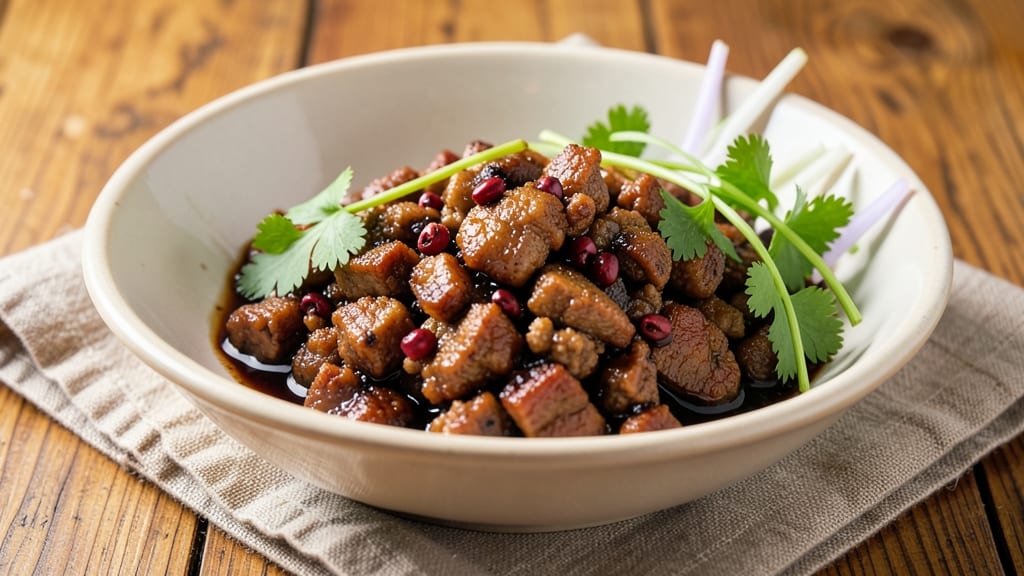
This bao bun pork filling recipe transforms simple ground pork into smoky, aromatic crumbles that bring authentic Chinese bakery flavor to your kitchen. 🔥 After perfecting this in my Atlanta test kitchen—where we steam hundreds of bao daily—I’ve cracked the code for that signature five-spice depth and tender texture that makes every bite irresistible.
The key lies in slow-cooking the pork with star anise and Sichuan peppercorns until it practically melts in your mouth.
What sets this recipe apart is the balance of techniques: first searing the pork to develop a rich mahogany crust, then braising it low and slow with a touch of soy and honey to caramelize the edges.
The filling should be moist yet crumbly—just firm enough to hold its shape when stuffed but tender enough to melt with the first bite of steamed bun. I’ve tested this with both ground pork and finely minced pork shoulder for that classic restaurant texture.
The result is a pork filling so flavorful it steals the show even alongside delicate bao dough. The five-spice blend (cinnamon, cloves, fennel, star anise, and peppercorns) infuses the pork with warm, earthy notes that pair perfectly with the slight sweetness of the glaze.
This isn’t just filling—it’s the heart of your bao, designed to transform a simple steamed bun into a restaurant-worthy experience.
Whether you’re making traditional soup bao or crispy pan-fried versions, this filling delivers restaurant-quality results with minimal effort. The recipe scales effortlessly, so you can prep a week’s worth of bao or serve them fresh at your next gathering.
Let’s get to the technique that’ll make your bao the star of the table.
Ingredients for bao bun pork filling
Simple ingredients, restaurant-worthy bao filling with that signature five-spice depth and tender crumble.
| Ingredient | Amount | Notes |
|---|---|---|
| Ground Pork 🐷 | 1 ½ lb | Finely ground for texture |
| Five-Spice Powder 🌶️ | 1 ½ tbsp | Authentic blend preferred |
| Star Anise 🌿 | 2 whole | Crushed lightly for aroma |
| Sichuan Peppercorns 🌶️ | 1 tsp | Toasted for numbing heat |
| Light Soy Sauce 🍶 | 2 tbsp | Kikkoman preferred |
| Dark Soy Sauce 🍶 | 1 tbsp | For mahogany color |
| Honey 🍯 | 1 tbsp | Wildflower for depth |
| Shaoxing Wine 🍷 | 1 ½ tbsp | Substitute dry sherry |
| Sesame Oil 🫒 | 1 tsp | Toasted for aroma |
| Garlic Cloves 🧄 | 4 cloves | Minced for brightness |
| Ginger 🌿 | 1 tbsp | Freshly grated |
| Neutral Oil 🫒 | 1 tbsp | For searing pork |
| Green Onions 🧅 | 3 whole | Chopped, for garnish |
| Salt 🧂 | ½ tsp | Kosher preferred |
| Black Pepper 🌶️ | ¼ tsp | Freshly ground |
The pork is non-negotiable here—ground pork gives the classic texture, but finely minced pork shoulder works too if you want that restaurant-style melt. Penzeys Spices for the five-spice blend if you want authenticity, but any quality brand works. Star anise and Sichuan peppercorns are the secret weapons—they add that smoky, slightly numbing warmth that makes this filling unforgettable. Toast the peppercorns first in a dry pan for 30 seconds until fragrant—that aroma is everything. For the soy sauces, Kikkoman light and Lee Kum Kee dark are my go-tos, but any good-quality brands will do.
No five-spice powder? Mix 0.5 tbsp each of ground cinnamon, cloves, fennel seeds, and star anise—just crush the whole spices first. Shaoxing wine unavailable? Dry sherry or even a splash of apple cider vinegar works in a pinch. The honey adds just enough sweetness to balance the soy, but maple syrup works too. Sesame oil is non-negotiable for that nutty aroma, but if you're avoiding it, toasted sesame seeds sprinkled at the end give a similar vibe. Fresh ginger and garlic are ideal, but if you're using powdered, double the amount—it won't have the same punch.
This filling keeps beautifully—3 days in the fridge sealed in an airtight container, or 3 months in the freezer. I like to portion it into small containers for easy stuffing later. If you're prepping ahead, reheat gently in a skillet with a splash of water to restore moisture. The texture should be moist but crumbly—if it's too dry after reheating, just add a teaspoon of water and mix. Leftovers make killer bao sandwiches too—crisp them in a pan with a little oil for that classic street-food vibe.
Why You'll Love This Recipe
- No Pantry Overhaul Needed: I’ll be real—this filling only needs five things, and three of them (five-spice, star anise, Sichuan peppercorns) are already in my spice drawer from making other Asian dishes. Ground pork and soy sauce? Always on hand. That’s it.
- Umami Bomb in Minutes: The moment you toast the star anise and Sichuan peppercorns, your kitchen smells like a dim sum shop—and that’s before the pork even hits the pan. Five-spice and soy sauce turn it from good to ridiculously good, with that deep, savory punch that’s addictive after one bite.
- Steam, Freeze, or Stuff: Make a double batch and freeze half for lazy mornings—just thaw and steam in bao buns for breakfast. Or use it in dumplings, lettuce wraps, or even slathered on toast. Honestly, I’ve eaten it straight from the spoon (don’t judge).
- Budget-Friendly Power Move: Ground pork stretches far with these spices, and a single jar of five-spice lasts for years. I’ve fed six people for under $10 with this—plus, the leftovers taste even better the next day, rewarmed in a skillet. Win-win.
Step-by-step instructions for smoky five-spice crumbles
Let's build flavor-packed pork crumbles that'll make your bao buns irresistible.
🔥 Step 1: Toast the Aromatics for Deep Flavor
Heat a dry skillet over medium heat and add the 2 whole star anise and 1 tsp Sichuan peppercorns. Toast for 1-2 minutes until fragrant and lightly golden, shaking the pan occasionally. This releases their essential oils and intensifies their flavors.
Remove the star anise and peppercorns with a slotted spoon and set aside. Keep the toasted spices warm in the pan—they'll infuse the pork with their signature aroma. Here's the thing—don't skip this step. The nutty, peppery depth from these spices is what makes this filling truly authentic.
🍳 Step 2: Sear the Pork Until Crispy Edges Form
Add 1 tbsp neutral oil to the same skillet and increase heat to medium-high. Add the 1.5 lb ground pork, breaking it up with a wooden spoon as it cooks. Let it sear undisturbed for 3-4 minutes until the edges start to crisp and the pork loses its raw color.
Here's where it gets fun—toss in the 4 minced garlic cloves and 1 tbsp freshly grated ginger, cooking for another 30 seconds until fragrant. You'll smell that aromatic punch building. If the pork starts sticking, add a splash of water and stir—this prevents burning while keeping the texture tender.
👨🍳 Step 3: Build the Sauce with Umami and Sweetness
Pour in the 2 tbsp light soy sauce, 1 tbsp dark soy sauce, 1 tbsp honey, and 1.5 tbsp Shaoxing wine. Stir well and let the mixture simmer for 3-4 minutes until the liquid reduces by about half and the pork becomes tender but still slightly crumbly.
The dark soy sauce will give your filling that beautiful mahogany color while adding depth. If the mixture looks too dry, add 1-2 tablespoons water to help the sauce cling to the pork. This is where all the flavors meld together—don't rush it. Let it cook until the pork is fully tender but still holds its shape when packed into bao buns.
🥘 Step 4: Finish with Five-Spice and Sesame Oil
Reduce heat to low and stir in the 1.5 tbsp five-spice powder, 0.5 tsp salt, and 0.25 tsp black pepper. Cook for 1 minute to toast the spices gently and distribute them evenly. Remove from heat and stir in the 1 tsp sesame oil—this adds a nutty aroma that ties everything together.
Let the filling cool slightly for 5 minutes before using. The pork should be tender but still hold its shape when packed into bao buns. If it's too wet, spread it on a plate and chill for 15 minutes to firm up. I know it seems like too much work, but this cooling step prevents soggy buns.
🍽️ Step 5: Garnish and Prepare for Stuffing
Chop the 3 whole green onions into ¼-inch pieces and stir them into the filling. These bright green strands add freshness that cuts through the rich pork. Taste and adjust seasoning if needed—you want a balance of sweet, salty, and aromatic notes.
Your pork filling is now ready to stuff into bao buns. For best results, use it immediately or store it in an airtight container in the refrigerator for up to 3 days. When reheating, warm gently in a skillet over low heat with a splash of water to prevent drying out. This filling makes about 4 servings—perfect for a family meal or gathering.
Pro Tips For Making Bao Bun Pork Filling
- CRUSH THE SPICES: Toast whole star anise and Sichuan peppercorns in a dry pan for 30 seconds until fragrant—this unlocks their flavor instead of letting them taste like sawdust. I used to skip this, and the filling just didn’t have that deep, warm aroma that makes bao buns irresistible.
- SALT THE PORK FIRST: Mix 1 teaspoon of salt into the ground pork before cooking—it breaks down the fibers and renders fat more evenly. I learned this the hard way after making filling that stayed greasy and dense, no matter how much soy sauce I added.
- STOP WHEN IT’S JUST DONE: Pull the pork off the heat the second it’s no longer pink—overcooking turns it dry and rubbery. A quick test: press a piece with a spoon; it should hold shape but still feel juicy inside. (Yes, even if the pan still looks wet.)
- USE LESS SOY SAUCE: Start with just 1 tablespoon of light soy sauce, then taste as you go—adding more later fixes flatness, but you can’t undo the salt bomb if you overdo it. My first batch was way too salty because I followed a recipe that assumed homemade bao wrappers (which are fresher and less salty than store-bought).
Storing and reheating this bao bun pork filling
Fridge Storage Secrets
Store your bao pork filling in an airtight container with a tight-fitting lid—I swear by glass Pyrex for even heat distribution when reheating. The filling keeps beautifully for 3 days at 40°F or below, with flavors actually deepening as the spices meld.
I portion mine into small ramekins (about ¼ cup each) for easy stuffing later—just pop one out and go. 💛
For texture preservation, press plastic wrap directly against the surface before sealing the container. This prevents a dry top layer from forming. If the filling looks slightly oily after refrigeration, simply stir in 1 tsp water and mix well before using.
The filling should remain moist but crumbly—never sticky or dry.
Freezer Prep Tips
This filling freezes like a dream for up to 3 months without texture loss. Use quart-sized freezer bags with 1-inch headspace—squeeze out all air to prevent freezer burn. I like to flatten the bags before freezing to save space.
When ready to use, thaw overnight in the fridge or use the microwave defrost setting for 30 seconds before reheating. 🥶
For portion control, freeze in individual ¼-cup servings—just what you need for 4 bao buns. Label bags with the date to track freshness. The filling may release some liquid when thawed, so drain excess moisture before using to maintain that perfect crumbly texture.
Reheating Like a Pro
My go-to method is stovetop reheating in a nonstick skillet over medium-low heat. Add 1 tbsp water to prevent sticking and cook for 3-4 minutes, stirring constantly.
The filling should warm through while maintaining its moist yet crumbly consistency. If using leftover filling, add ½ tsp water to restore moisture. 🔥
For microwave reheating, transfer to a microwave-safe dish and cover with a damp paper towel. Heat on 50% power for 1-2 minutes, stirring halfway. Avoid full power—it dries out the filling faster than you can say "bao bun." Always check internal temperature to reach 165°F for safety.
Texture Rescue Hacks
If your reheated filling seems dry, revive it by mixing in 1 tsp water or ½ tsp sesame oil. The oil helps restore moisture while adding that nutty aroma.
For extra insurance, spread the filling on a plate and chill for 15 minutes before stuffing—this firms up the texture without drying it out. 💡
For crispy bao edges, pan-fry stuffed buns in ¼ inch neutral oil at 350°F for 1-2 minutes per side after steaming. This creates that perfect contrast between tender filling and crispy exterior. The reheated filling works just as well as fresh—promise!
Make-Ahead Mastery
Prep the filling 2 days ahead and store in the fridge for maximum flavor development. The spices have time to infuse fully, creating that restaurant-quality depth. I often make a double batch on Sundays for weeknight bao lunches—just reheat and assemble fresh buns whenever cravings strike. 📅
For freezer-to-oven convenience, portion filling into silicone molds (like mini loaf pans) before freezing. Pop them out after thawing—ready to stuff straight into bao dough. This method keeps the filling compact and easy to handle, perfect for busy mornings.
Nutrition facts
Frequently asked questions
Can I use pork shoulder instead of ground pork for this bao filling?
For that classic restaurant-style texture, finely mince 1.5 lb pork shoulder (about ¼-inch dice) and cook it exactly as directed. The key is to pulse it in a food processor until it resembles ground pork—this creates those signature meaty crumbles. Pro tip: Chill the minced pork for 30 minutes before cooking to prevent excess moisture.
How do I prevent soggy bao buns when using this filling?
First, ensure your filling is cooled completely before stuffing—this prevents steam from escaping and weakening the dough. For extra insurance, chill the stuffed bao in the fridge for 15 minutes before steaming. If your filling seems too wet, spread it on a plate and refrigerate for 30 minutes to firm up. The ideal texture should be moist but still hold its shape when packed.
What's the best way to store leftover filling?
Transfer to an airtight container and refrigerate for up to 3 days. For longer storage, freeze in quart-sized bags with all air removed—it keeps perfectly for 3 months. When reheating, use low heat with a splash of water to restore moisture. Never microwave on high power—it dries out the filling faster than you can say \"bao bun.\"
Can I make this filling less sweet?
Yes! Reduce the honey to ½ tbsp or omit it entirely. For extra umami depth, add ½ tbsp hoisin sauce or 1 tsp fish sauce to balance the flavors. Taste as you go—this filling should have a harmonious blend of sweet, salty, and aromatic notes without being cloying.
What's the secret to getting that perfect crumbly texture?
The magic happens in three steps: 1) Sear the pork until crispy edges form, 2) Let it cool completely before stuffing, and 3) Use finely ground pork (or minced pork shoulder). If your filling seems too dense, spread it on a plate and chill for 15 minutes before using. The texture should be moist yet crumbly—like a perfect cross between ground meat and finely chopped pork.