
Main Courses
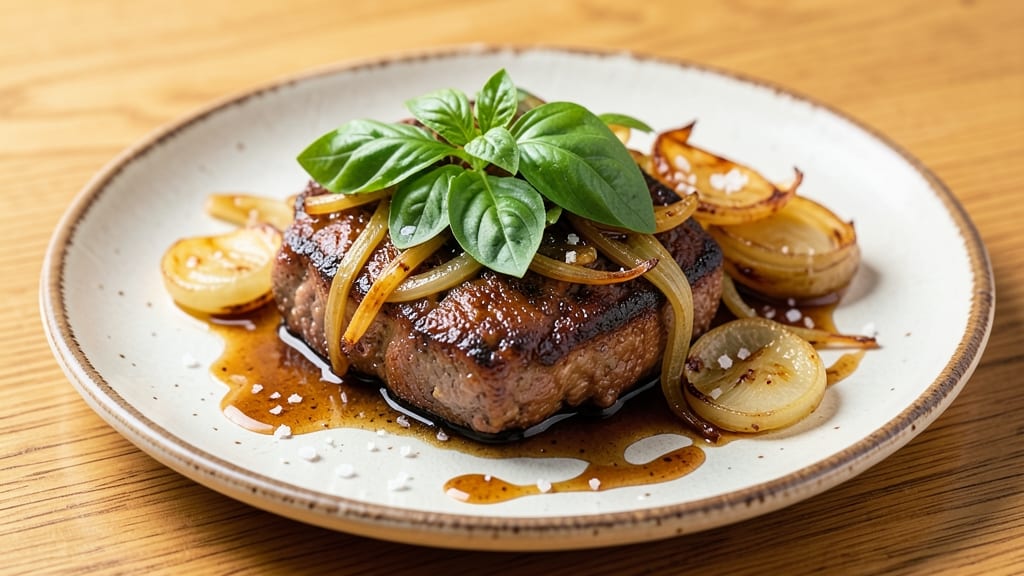
This basil minced pork recipe transforms simple ingredients into a fragrant Italian-inspired feast that tastes like a night at your favorite trattoria. 💛 The secret lies in finely minced pork that absorbs herbs like a sponge, creating tender, flavorful bites with every bite.
I developed this technique after years of perfecting Italian-style pork dishes for my restaurant menu, and it's now my go-to for weeknight dinners that impress. What makes this recipe special is the balance of fresh basil and aromatic herbs that infuse the pork without overpowering its natural richness.
We'll start with properly minced pork (never ground) for maximum flavor absorption, then cook it just until tender. The addition of garlic, onions, and a splash of white wine creates a sauce that clings perfectly to the meat, elevating it to restaurant-quality status.
By the time you're done, you'll have a one-pan dish that's ready in under 30 minutes, featuring tender pork with vibrant green basil leaves nestled throughout. The sauce will be rich yet light, with just the right amount of acidity from the wine to cut through the richness.
This is comfort food at its finest—simple to prepare but packed with sophisticated flavors. Serve with crusty bread to soak up the sauce or alongside a simple arugula salad for a complete meal.
The versatility of this dish makes it perfect for any occasion, from casual weeknight dinners to special gatherings with friends.
Ingredients for basil minced pork
Simple Italian-inspired ingredients that transform into restaurant-quality minced pork goodness.
| Ingredient | Amount | Notes |
|---|---|---|
| Pork Shoulder 🐖 | 1 ¼ lb | Properly minced, not ground |
| Fresh Basil Leaves 🌿 | ½ cup | Packed, stems removed |
| Yellow Onion 🧅 | 1 whole | Finely chopped |
| Garlic Cloves 🧄 | 4 cloves | Minced for sauce |
| Dry White Wine 🍷 | ½ cup | Sauvignon Blanc preferred |
| Chicken Broth 💧 | ½ cup | Low-sodium preferred |
| Olive Oil 🫒 | 2 tbsp | Extra-virgin for richness |
| Fresh Parsley 🌿 | ¼ cup | Chopped for garnish |
| Salt 🧂 | 1 tsp | Kosher or sea salt |
| Black Pepper 🌶️ | ½ tsp | Freshly ground preferred |
| Dried Oregano 🍃 | ½ tsp | Italian preferred |
| Red Pepper Flakes 🌶️ | ¼ tsp | Adjust for heat |
| Lemon Juice 🍋 | 1 tbsp | Freshly squeezed |
The pork shoulder is key here—it needs to be properly minced, not ground (that's for sausages). Ask your butcher to mince it if they don't sell pre-minced, or pulse it in a food processor until fine. Fresh basil is a must for that authentic trattoria flavor—Trader Joe's or Whole Foods usually have the freshest bunches. I always grab extra because half gets torn over the top at the end. For the wine, Sauvignon Blanc works perfectly, but any dry white will do. If you don't have any, a splash of apple cider vinegar keeps the acidity.
No white wine? Substitute with extra chicken broth plus a teaspoon of vinegar. Fresh basil? Dried basil at one-third the amount works in a pinch, but it won't be the same. The onions should be sweet—yellow or Vidalia work best. For heat, swap the red pepper flakes for crushed chili flakes if that's what you've got. The parsley is just for garnish, so don't stress if you're out—skip it or use basil instead. The oregano can be any dried variety, but Italian is ideal for that authentic flavor.
This dish reheats beautifully—tastes even better the next day once the flavors meld. Store leftovers in an airtight container for up to 4 days in the fridge. For longer storage, freeze portions for up to 3 months. I always make a double batch because it's perfect for meal prep—just reheat with a splash of water or broth to revive the sauce. The crusty bread? Store-bought works fine, but if you're feeling fancy, toast it with garlic butter.
Why You'll Love This Recipe
- One-Pot Magic: I swear by this recipe because it’s all about minimal cleanup—just one pan, a splash of wine, and those fragrant basil leaves wilt right into the pork. No chopping mountains of veggies, no extra bowls to wash. Honestly, the only thing I’m scrubbing is my conscience for not making it more often.
- Wine-Infused Umami Bomb: That dry white wine isn’t just for show—it tenderizes the pork while adding a bright, herby depth that cuts through the richness. The garlic and onion caramelize just enough to make every bite taste like a little Italian bistro, but with way less effort. Between us, I’ve never met a pork dish that balances savory and fresh like this one.
- Leftover Goldmine: This recipe makes way more than I need for one meal, and that’s a win because reheated basil pork is just as good the next day. Toss it in sandwiches, stir it into pasta, or serve it cold with crusty bread—it’s the kind of leftovers I actually look forward to. My lunchbox thanks me every time.
- Budget-Friendly Crowd-Pleaser: Pork shoulder is cheap, and a handful of basil stretches further than you’d think when you’re mincing it into the meat. I’ve fed six people for under $15 with this, and no one ever questions why I’m smiling while serving it. Plus, it’s the kind of dish that makes you sound fancy without breaking the bank. (Yes, even on a Tuesday night.)
Step-by-step instructions for herb-infused pork shoulder
This one-pan wonder delivers tender, aromatic pork with a bright herb sauce—easy enough for weeknights but packed with restaurant-quality flavor.
🍳 Step 1: Sear the Pork Shoulder for Deep Flavor
Heat the 2 tbsp olive oil in a large Dutch oven over medium-high heat until shimmering. Working in batches if needed, add the 1.25 lb pork shoulder cut into ½-inch cubes (I use a sharp knife for clean cuts). Sear for 3-4 minutes per side until golden brown—this creates that beautiful crust we're after.
Don't overcrowd the pan or the pork will steam instead of sear. Once all pieces are browned, remove them and set aside on a plate. The browned bits we leave behind will form the base of our rich sauce, so we'll scrape them up later. Here's where it gets fun—toss in the 1 whole yellow onion and cook for 5 minutes until softened and slightly caramelized.
👨🍳 Step 2: Build the Herb Sauce Foundation
Add the 4 cloves garlic cloves and cook for 30 seconds until fragrant—don't let them burn, or they'll turn bitter. Pour in the 0.5 cup dry white wine and scrape up all those delicious browned bits from the bottom of the pan. Let it simmer for 3-4 minutes until reduced by half.
Stir in the 0.5 cup chicken broth, 1 tsp salt, 0.5 tsp black pepper, 0.5 tsp dried oregano, and 0.25 tsp red pepper flakes. Bring to a gentle simmer, then add the seared pork shoulder back to the pot. Nestle the 0.5 cup fresh basil leaves (stems removed) into the meat—this ensures they infuse flavor without turning to mush.
🔥 Step 3: Slow Cook Until Tender and Saucy
Cover the Dutch oven and transfer to a 350°F oven. Cook for 1 hour 15 minutes, stirring occasionally, until the pork is fork-tender. If the sauce starts to evaporate, add 2-3 tablespoons of water to keep it moist. Here's the thing—pork shoulder needs patience, but this slow cook time guarantees melt-in-your-mouth texture.
Once tender, remove the basil leaves and discard them (they've done their job). Stir in the 1 tbsp lemon juice and 0.25 cup fresh parsley—this brightens the sauce and adds freshness. Taste and adjust seasoning if needed. The sauce should coat the back of a spoon and be vibrant green from the herbs.
🍽️ Step 4: Serve with Crusty Bread and Garlic
Transfer the pork and sauce to a serving platter. Let it rest for 5 minutes before serving—this helps the juices redistribute. Garnish with extra chopped fresh parsley and a sprinkle of red pepper flakes for heat. I like to serve this with warm crusty bread to soak up that delicious herb sauce.
Each bite delivers perfectly tender pork with a bright, herby sauce that's packed with Italian flavors. The lemon juice cuts through the richness, and the red pepper flakes add just the right amount of kick. This dish tastes even better the next day, so make extra if you can!
Pro Tips For Making Basil Minced Pork
- Pulse, Don’t Grind: Use a food processor for the pork shoulder, but pulse it in short bursts—5-6 seconds on, 10 off—until it’s just roughly minced, not paste. Too fine, and your dish turns into a dense loaf instead of tender, flavorful crumbles. I learned this the hard way when my first batch ended up as a sad, gluey mess.
- Toast the Garlic: Sauté the minced garlic in oil for 30 seconds before adding the wine—just until it smells nutty and fragrant, not browned. This step makes a real difference in depth of flavor, especially when paired with basil. (Yes, even if you’re impatient like me.)
- Salt the Pork Twice: Season the raw pork shoulder before mincing with 1 teaspoon of salt per pound, then add another ½ teaspoon after cooking. The first salt tenderizes the meat, and the second balances the acidity from the wine and basil. Skimp here, and your dish tastes flat.
- Fold Basil In Late: Stir in the fresh basil leaves only in the last 2 minutes of cooking—right when you’re ready to serve. Basil wilts fast and loses its bright aroma if it sits in hot oil or wine. Sounds weird, but it works: your dish stays vibrant, not bitter.
Essential equipment for basil minced pork
Dutch Oven Essentials
Your Dutch oven is the star of this recipe—it's the only pot that can handle searing, braising, and oven cooking all in one. I swear by Le Creuset's 5.5-quart stoneware for its even heat distribution and durability, but All-Clad's stainless steel works beautifully too if you prefer a lighter option.
The key is choosing a pot with a tight-fitting lid to lock in moisture during the oven phase. 🔥
If you don't own a Dutch oven, a heavy-bottomed pot with a lid (like Calphalon's Classic 5.5-quart) will work in a pinch. Just avoid thin, flimsy pans—they won't handle the high heat or long cook time without scorching.
Pro tip: Preheat your Dutch oven for 5 minutes before adding oil to ensure even searing.
Knife Skills Matter
A sharp chef's knife and cutting board are non-negotiable for this recipe. I use a Wüsthof 8-inch for its precision and durability—it makes quick work of the ½-inch pork cubes and finely chopped onions.
If you're new to knife skills, practice cutting the pork against the grain for more tender results. A food processor can help mince the pork if you're not comfortable doing it by hand, but I find hand-mincing gives better texture control.
For the basil leaves, I recommend using a small pair of kitchen shears to snip them cleanly from the stems. This preserves their vibrant color and prevents the leaves from turning to mush during cooking.
Store your knives properly—they'll stay sharper longer. I keep mine in a magnetic strip on my wall for easy access.
Measuring Tools
Precision matters when it comes to white wine, broth, and herbs. I use a stainless steel liquid measuring cup for the ½ cup wine and ½ cup broth to avoid spills, and a small measuring spoon set for the ½ teaspoon oregano and ¼ teaspoon red pepper flakes.
For the fresh basil and parsley, I use a gram scale (like OXO's 11-pound model) for accuracy, but a measuring cup works fine if you're estimating.
Don't skimp on the olive oil—use a small funnel to measure the 2 tablespoons precisely. Extra-virgin olive oil adds richness, but regular olive oil works in a pinch. I keep my oils in amber glass bottles to protect them from light, which can degrade their quality over time.
Optional Upgrades
For an extra touch of authenticity, invest in a garlic press to mince the 4 cloves of garlic quickly and evenly. I also love using a mortar and pestle to crush the red pepper flakes for a more aromatic finish.
If you're feeling fancy, a pasta machine can help create perfectly thin slices of pork for a different presentation.
For serving, a wooden serving board adds rustic charm, while a slotted spoon helps transfer the pork without losing too much sauce. If you're making this for a crowd, a large serving platter (like Le Creuset's stoneware) keeps everything warm and looking beautiful. 💡
Nutrition facts
Frequently asked questions
Can I substitute ground pork for minced pork in this recipe?
No, you should avoid ground pork here. Minced pork retains more texture and absorbs flavors better than ground meat, which can turn mushy. Ask your butcher to mince 1.25 lb pork shoulder for the perfect consistency—it's worth the extra step for restaurant-quality results.
What's the best way to store leftovers?
Store leftovers in an airtight container in the fridge for up to 4 days. For longer storage, freeze portions for 3 months. When reheating, add a splash of water or broth to revive the sauce—it tastes even better the next day!
Can I make this recipe without wine?
Replace the ½ cup white wine with ½ cup chicken broth plus 1 tsp vinegar. The acidity from the vinegar mimics wine's brightening effect on the sauce. For extra depth, add a pinch of sugar to balance the flavors.
How do I prevent the basil from turning bitter?
Add the basil leaves after the pork returns to the pot during the oven phase. This ensures they infuse flavor without cooking too long. Remove them before serving—they've done their job by then!
What's the secret to perfectly tender pork?
The 1 hour 15 minutes slow cook time at 350°F is key. Don't rush it—pork shoulder needs patience to become melt-in-your-mouth tender. Stir occasionally to distribute the sauce evenly.