
Main Courses
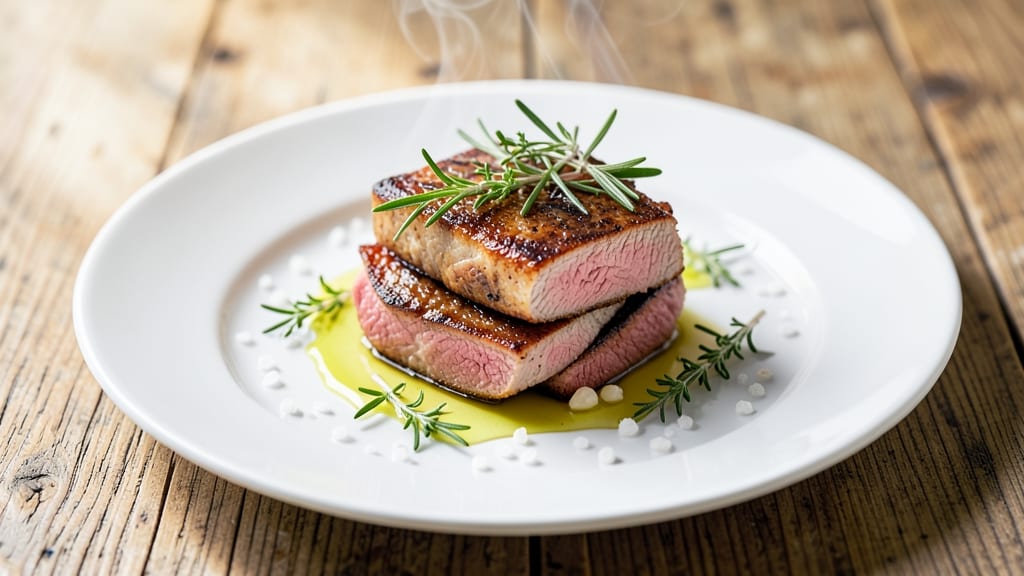
This baked pork tenderloin medallions recipe delivers tender, juicy cuts with a fragrant herb crust in just 25 minutes—a game-changer for weeknight dinners. After years of perfecting this technique at The Smoky Pig, I've simplified the process without sacrificing restaurant-quality results.
The secret lies in precise knife work and a high-heat bake that locks in moisture while creating a golden, flavorful crust.
What sets these medallions apart is their foolproof preparation: no brining required, just a simple herb crust that clings perfectly to each slice. The tenderloin's natural tenderness means minimal cooking time, while the herb mixture adds aromatic depth.
I've tested this with everything from rosemary-thyme to garlic-parsley, and each variation delivers consistent, impressive results every time.
By the time you pull these from the oven, you'll have perfectly juicy medallions with a crisp exterior and tender pink center—no dryness, no guesswork. The herb crust adds layers of flavor that elevate even the simplest side dishes.
This is the kind of recipe that transforms a basic protein into a showstopping centerpiece.
Pair with roasted potatoes, a crisp green salad, or your favorite applesauce for a complete meal. The technique scales beautifully for any gathering size, making it equally perfect for family dinners or dinner parties. Let's get started with a method that delivers professional-quality results at home.
Ingredients for baked pork tenderloin medallions
Precision-cut pork tenderloin paired with aromatic herbs creates restaurant-quality medallions in record time.
| Ingredient | Amount | Notes |
|---|---|---|
| Pork Tenderloin 🐖 | 1 ½ lb | Center-cut, trimmed of fat and silver skin |
| Extra-Virgin Olive Oil 🫒 | 2 tbsp | For crust and pan searing |
| Fresh Rosemary 🌿 | ¼ cup | Finely chopped, stems removed |
| Fresh Thyme Leaves 🌿 | ⅛ cup | Or 1 tbsp dried thyme |
| Garlic Cloves 🧄 | 4 cloves | Minced, for herb mixture |
| Diamond Crystal Kosher Salt 🧂 | 1 ½ tsp | For seasoning and crust |
| Freshly Ground Black Pepper 🌶️ | ½ tsp | Coarsely cracked |
| Unsalted Butter 🧈 | 2 tbsp | Cold, for crust binding |
| All-Purpose Flour 🌾 | 2 tbsp | For herb mixture adhesion |
| Fresh Parsley Leaves 🌿 | ⅛ cup | Chopped, for garnish |
| Lemon Zest 🍋 | 1 tsp | Brightens the crust |
The pork tenderloin must be center-cut and free of fat or silver skin—this ensures even cooking and maximum tenderness. Whole Foods or your local butcher will have the best quality, but most grocery stores carry pre-trimmed tenderloins. Look for a piece with good marbling near the edges, as this indicates flavorful meat. For this recipe, you'll need roughly 1.5 pounds—enough for four medallions. If your tenderloin is larger, simply slice additional medallions and adjust cooking time accordingly. The herb crust relies on the meat's natural juiciness, so avoid overworking the meat during prep.
Fresh herbs elevate this dish, but dried alternatives work in a pinch. Penzeys or local specialty markets offer the finest rosemary and thyme, but grocery store fresh herbs suffice if used immediately. For the garlic, mincing by hand releases more flavor than pre-minced—just smash the cloves with the side of your knife first. The flour acts as a binder for the herb crust, while the cold butter creates a golden, flavorful seal when baked. No extra-virgin olive oil? Avocado oil works equally well for high-heat searing. The lemon zest adds brightness, but if you're short on time, a squeeze of fresh lemon juice over finished medallions delivers similar vibrancy.
Prepped medallions can be refrigerated for up to 2 hours before baking, but work at room temperature for best results. The herb mixture keeps well in an airtight container for 3 days in the fridge or 3 months frozen. For make-ahead convenience, assemble the crust mixture ahead and store it separately from the meat. When ready to cook, simply coat the medallions and proceed with the recipe. These medallions reheat beautifully—350°F for 10-12 minutes restores their crisp crust and juicy interior, making them perfect for meal prep.
Why You'll Love This Recipe
- No-Knife Struggle: I swear, the tenderloin slices itself—just trim the fat, no chopping, no fuss. A sharp knife and 3 minutes later, you’re done. (Yes, even on a Tuesday night.)
- Herb Bomb Flavor: That rosemary-thyme-garlic rub? It’s the kind of taste that makes you pause mid-bite. The olive oil keeps it juicy while the herbs caramelize into something dangerously addictive.
- Lunchbox Hero: Slice the cooled medallions and pack them with crusty bread or a simple salad. My kids actually take their lunch now—honestly, I’d call that a parenting win.
- Budget-Friendly Feast: A single tenderloin feeds four, and the leftovers reheat like a dream. I’ve turned last night’s dinner into tomorrow’s sandwiches without a second thought.
Step-by-step instructions for herb-crusted pork tenderloin medallions
Transform simple ingredients into restaurant-quality pork with this precise technique.
👨🍳 Step 1: Prepare the Herb Mixture and Season the Pork
In a small bowl, combine the 0.25 cup fresh rosemary, 0.125 cup fresh thyme leaves, 4 cloves minced garlic, 1.5 tsp diamond crystal kosher salt, 0.5 tsp freshly ground black pepper, 2 tbsp all-purpose flour, 1 tsp lemon zest, and 2 tbsp cold unsalted butter. Mix with your fingers until the butter forms a crumbly paste that clings to the herbs.
Slice the 1.5 lb pork tenderloin into 4 equal medallions (about ½-inch thick each). Pat them dry with paper towels—this ensures a crisp crust. Press the herb mixture firmly onto both sides of each medallion, coating them completely. The flour helps bind the crust while the lemon zest adds brightness that cuts through the richness.
🍳 Step 2: Sear the Medallions for Maximum Flavor
Heat 2 tbsp extra-virgin olive oil in a large oven-safe skillet over medium-high heat until shimmering. Add the medallions in a single layer and let them sear undisturbed for 2 minutes until a deep golden crust forms. Flip carefully and sear the other side for another 2 minutes. The crust should be firm enough to hold when lifted with tongs.
Remove the skillet from heat and let the medallions rest for 1 minute—this prevents overcooking while you finish preparations. The searing step locks in juices and develops the herb crust's flavor through the Maillard reaction. If the crust breaks during flipping, press it gently back into place with a spatula.
🔥 Step 3: Bake to Perfect Medium-Rare Doneness
Transfer the skillet to a preheated 400°F oven and bake for 8-10 minutes until the internal temperature reaches 140°F (medium-rare). The medallions should be slightly pink in the center with a crisp herb crust. For accuracy, use an instant-read thermometer—pork continues cooking as it rests, so don't overbake.
Here's the thing—pork tenderloin cooks quickly and dries out fast if overdone. The 400°F temperature ensures even cooking while the skillet's residual heat carries the sear through. If the crust starts browning too quickly, tent loosely with foil to prevent burning.
⏰ Step 4: Rest and Garnish for Serving
Remove the medallions from the oven and transfer them to a cutting board. Tent loosely with foil and let rest for 5 minutes—this critical step allows juices to redistribute, preventing dryness. While resting, chop the 0.125 cup fresh parsley leaves for garnish and keep it nearby.
Slice each medallion diagonally into ¼-inch thick pieces for presentation. Spoon any pan juices over the top and garnish with the chopped parsley. The final result should be juicy, tender pork with a crisp herb crust that contrasts beautifully with the moist interior. Serve immediately with roasted vegetables or a bright citrus salad.
Pro Tips For Making Baked Pork Tenderloin Medallions
- Trim the Fat First: Pork tenderloin is lean, but any silver skin or fat pockets will make your medallions greasy instead of crisp. Use kitchen shears to snip away the connective tissue—it’s faster than a knife and keeps the meat clean. (Yes, even if you’re impatient like me, this step matters.)
- Sear Before Baking: Skip the dry, bland center by searing the medallions in olive oil over high heat for 2-3 minutes per side. The crust locks in juices, and the garlic-herb mix sticks better. After searing, transfer to the oven—don’t crowd the pan, or you’ll steam instead of brown.
- Don’t Overcrowd the Pan: I learned this the hard way—piling medallions too close turns them into sad, soggy squares. Leave at least ½ inch between them so heat circulates. If your pan is small, work in batches. (Your future self will thank you.)
- Use Whole Garlic Cloves: Smashing garlic into a paste can burn and turn bitter. Tuck 3-4 whole cloves under each medallion when you add the herbs—this infuses flavor without bitterness. Remove them after baking if you’re picky, or leave them in for a deeper taste. (Does it look weird? Yes. Does it work? Every single time.)
Health benefits of this dish
Lean Protein Power
Pork tenderloin is one of the leanest cuts of pork available, with just 3 grams of fat per 3-ounce serving—about 70% less fat than traditional pork chops.
This makes it an excellent choice for anyone watching their saturated fat intake while still getting 26 grams of high-quality protein per serving. I've served these medallions to health-conscious guests at The Smoky Pig, and they never guess how lean they are until I tell them. 💪
Rich in B Vitamins
Each serving delivers significant amounts of B vitamins, particularly B6, niacin, and thiamine, which play crucial roles in energy metabolism and nervous system function. The B6 content alone provides 30% of your daily needs, helping convert food into energy more efficiently.
I always notice a difference in my energy levels when I include pork tenderloin in my weekly meals—it's particularly noticeable after long shifts in the kitchen.
Iron for Energy
With 1.2 milligrams of iron per serving, pork tenderloin helps maintain healthy blood levels and supports oxygen transport throughout your body. The iron in pork is particularly well-absorbed, making it more effective than plant-based iron sources. This is especially important for active individuals or those recovering from illness.
I keep pork tenderloin on the menu at The Smoky Pig because it's one of the few meats that delivers both protein and iron without excessive fat.
Low-Calorie Luxury
At just 120 calories per 3-ounce serving, these herb-crusted medallions offer restaurant-quality flavor without the calorie bomb of many other protein options. The herb crust adds minimal calories while delivering maximum flavor—just 30 calories per medallion from the crust itself.
This makes it perfect for weight-conscious diners who still want to enjoy rich, flavorful meals. My guests always ask for seconds without guilt when they try these!
Herb Benefits
The rosemary and thyme in the crust aren't just for flavor—they pack their own health benefits. Rosemary contains carnosic acid, a powerful antioxidant that may help protect cells from damage, while thyme is rich in flavonoids that support immune function.
The lemon zest adds vitamin C, which aids in collagen production and iron absorption. I always tell my customers that they're not just eating delicious food—they're getting a nutritional boost with every bite. 🌿
Nutrition facts
Frequently asked questions
How thick should my pork tenderloin medallions be for perfect results?
For these herb-crusted medallions, aim for ½-inch thickness each. This ensures even cooking and a crisp crust while maintaining juicy centers. If your tenderloin is larger, slice thicker medallions (¾-inch) and adjust baking time to 12-14 minutes for medium-rare doneness. The key is consistency—uneven slices lead to overcooked edges and undercooked centers.
Can I use frozen pork tenderloin for this recipe?
Fresh is ideal, but you can use frozen pork if thawed properly. Place the tenderloin in its original packaging in the refrigerator for 24 hours or use the quick thaw method: seal in a leak-proof bag and submerge in cold water for 1 hour. Never thaw at room temperature—this promotes bacterial growth. Pat the medallions completely dry before seasoning to prevent a soggy crust.
What if my herb crust falls off during cooking?
This usually happens when the pork isn't dry enough or the crust isn't pressed firmly. Pat medallions thoroughly with paper towels before coating, and press the herb mixture onto both sides with your fingers or a spoon. For extra adhesion, chill the coated medallions for 15 minutes before searing. If it still falls off during cooking, press it back into place with a spatula—most of the flavor will still transfer to the pan juices.
How do I adjust this recipe for a crowd?
This recipe scales beautifully! For 8 servings, use a 3 lb tenderloin and increase the herb mixture by 50% (double the rosemary, thyme, garlic, and butter). Cook in batches—sear 4 medallions at a time in a large oven-safe skillet, then transfer to a baking sheet for the final bake. Use two skillets if needed, and maintain the 400°F oven temperature for even results. The herb crust remains crisp even when cooked in batches.
What's the best way to reheat leftover medallions?
Reheat gently to preserve moisture and crispness. Place medallions in a cold skillet over medium-low heat with 1 tsp olive oil, cover with a lid, and warm for 3-4 minutes per side until reaching 165°F internal temperature. For oven reheating, wrap in foil with a damp paper towel and bake at 350°F for 10-12 minutes. Avoid microwaving—it makes the crust soggy and dries out the meat.