
Main Courses
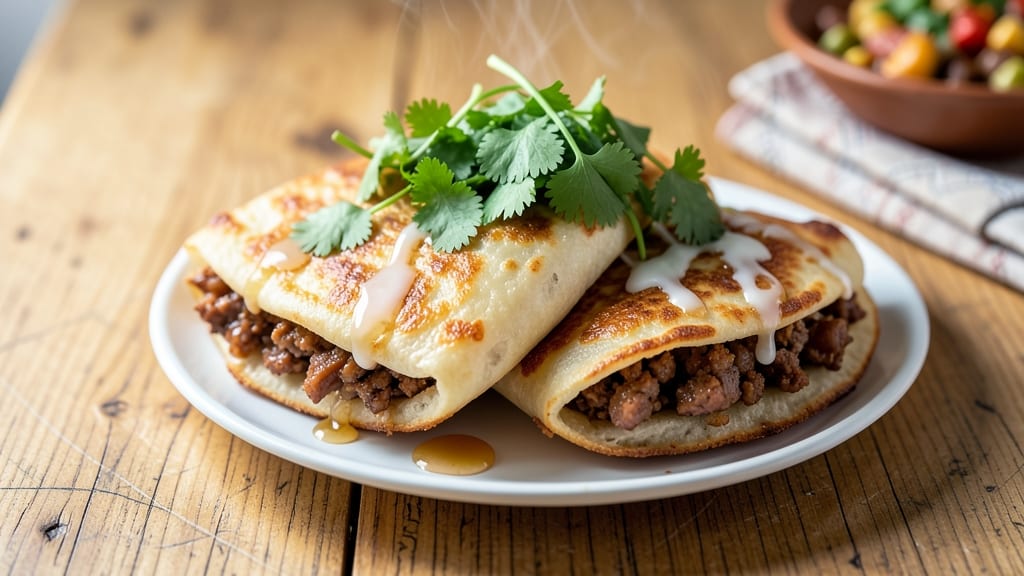
Salvadoran street food deserves its moment in your kitchen, and these authentic pork pupusas deliver that perfect crunch and melty cheese magic. 🌟 The secret lies in the dough—soft yet sturdy enough to hold its shape while frying—and the pork filling, where chicharrón and cilantro create a flavor explosion.
I’ve spent years perfecting this recipe, and the results are crispy edges, tender centers, and a texture that’s impossible to resist.
The dough starts with masa harina, a staple in Central American cooking, mixed with just enough water and lard to create a pliable, slightly elastic texture. Meanwhile, the pork filling gets its depth from crispy chicharrón, fresh cilantro, and a touch of vinegar to brighten the flavors.
This isn’t just a recipe—it’s a taste of Salvadoran street food, brought to your kitchen with every golden-brown bite.
What makes these pupusas truly special is the foolproof frying technique—pan-frying them in batches until they’re crispy on the outside and soft on the inside. Serve them with curtido slaw and tomato sauce for the full experience, or enjoy them as-is with a side of warm tortillas.
The aroma alone will have everyone gathering around the table, eager for their share.
This recipe is designed to be authentic yet approachable, so you can recreate that street food magic without the fuss. Whether you're feeding a crowd or treating yourself to a taste of El Salvador, these pupusas are a game-changer. Let’s get started on making them!
Ingredients for authentic pork pupusa
Masa harina, crispy chicharrón, and fresh cilantro—these are the stars of Salvadoran street food magic.
| Ingredient | Amount | Notes |
|---|---|---|
| Masa Harina 🌾 | 3 cups | Maseca brand preferred |
| Water 💧 | 1 ½ cups | Warm, not hot |
| Lard 🧈 | ½ cup | Leaf lard for best flavor |
| Chicharrón 🥓 | 1 ½ cups | Crispy pork rinds, chopped |
| Fresh Cilantro 🌿 | ½ cup | Stems removed, finely chopped |
| White Vinegar 🍋 | 1 tbsp | For brightness |
| Salt 🧂 | 1 ½ tsp | Diamond Crystal preferred |
| Queso Fresco 🧀 | 1 ½ cups | Fresh, crumbled cheese |
| Vegetable Oil 🫒 | 2 cups | For frying, high smoke point |
| Garlic Cloves 🧄 | 4 cloves | Minced for filling |
| Cumin Seeds 🌿 | ½ tsp | Toasted for aroma |
| Black Pepper 🌶️ | ½ tsp | Freshly ground |
The masa harina is non-negotiable for authentic pupusas. Maseca is the brand Salvadorans use, and it makes all the difference—don't substitute with cornmeal. Leaf lard gives the dough that perfect tender crunch, but vegetable shortening works in a pinch. I grab mine at H-E-B or Walmart in the Latin foods aisle. For the chicharrón, look for the crispy, crunchy kind—none of that mushy stuff. H-E-B or local Salvadoran markets usually have the good stuff. Fresh cilantro is a must here, but if you're short, dried oregano at half the amount can help.
No chicharrón? Crispy pork belly or bacon bits work in a pinch, though they won't be quite the same. The cumin seeds should be toasted in a dry pan for 30 seconds before grinding—they add a depth that ground cumin can't match. For the cheese, queso fresco is ideal, but cotija or even feta can stand in. The vinegar brightens everything up, so don't skip it. If you're feeling fancy, add a pinch of achiote powder to the filling for that classic Salvadoran touch. The garlic should be minced fine, almost like a paste—it melts into the filling beautifully.
Masa harina keeps for 6 months in a cool, dry place, but once mixed, the dough needs to be used within 2 days. Store leftover filling in an airtight container for up to 3 days. The chicharrón stays crispy for 1 week if kept in a sealed bag. For extra crispiness, double-fry the pupusas—quick fry to set the shape, then a second fry to crisp up. These reheat surprisingly well—just warm in a dry pan for 2 minutes per side until golden again.
Why You'll Love This Recipe
- No-Fuss Dough Magic: I swear, the dough comes together in minutes—just mix masa harina, water, and lard until it’s smooth. No rolling pins, no stress, just press and go.
- Crispy-Creamy Perfection: That first bite? Crispy edges from the skillet, creamy center from the chicharrón, and fresh cilantro cutting through it all. It’s the kind of combo that makes you close your eyes.
- Weeknight Crowd-Pleaser: Between us, this is my go-to for game day, family dinners, or when friends drop by. Everyone grabs seconds—no one leaves hungry.
- Budget-Friendly Leftovers: A bag of masa harina and chicharrón stretches forever, and the leftovers? Just reheat in a dry pan. My wallet and my freezer thank me.
Step-by-step instructions for authentic pork pupusa recipe
Here's the traditional method that delivers that perfect Salvadoran crunch and melty cheese combo.
👨🍳 Step 1: Prepare the Masa Dough
In a large mixing bowl, combine the 3 cups masa harina with the 1.5 cups warm water, 0.5 cup lard, 1 tbsp white vinegar, 1.5 tsp salt, 0.5 tsp toasted cumin seeds, and 0.5 tsp black pepper. I like to use my hands for this part—it helps me feel the texture better than a mixer would. Knead the mixture for about 5 minutes until it forms a smooth, pliable dough that doesn't stick to your hands.
The dough should be soft but not sticky—if it feels too dry, add 1 teaspoon warm water at a time until it comes together. If it's too wet, add 1 tablespoon masa harina until it holds its shape. Cover the bowl with a damp towel and let it rest for 30 minutes at room temperature. This resting time relaxes the gluten and makes the dough easier to work with later.
👨🍳 Step 2: Make the Chicharrón-Cilantro Filling
While the dough rests, prepare the filling by combining the 1.5 cups chopped chicharrón, 0.5 cup finely chopped fresh cilantro, and 4 minced garlic cloves in a small bowl. Mix well to distribute the flavors evenly. The chicharrón should be finely chopped—about ¼-inch pieces—so it blends seamlessly into the pupusas without large chunks.
Here's a pro tip: Toast the cumin seeds in a dry skillet over medium heat for 30 seconds until fragrant before adding them to the dough. This enhances their aroma and makes the filling even more flavorful. Once toasted, let them cool completely before mixing into the dough.
🍳 Step 3: Shape and Fill the Pupusas
Divide the rested dough into 8 equal portions (about 6 ounces each). On a lightly floured surface, roll each portion into a 6-inch circle about ¼-inch thick. I use a rolling pin, but you can also press the dough with your palms for a more rustic texture. Place each rolled dough on a floured plate and cover with a damp towel to prevent drying.
Take one dough circle and place 1 tablespoon of the chicharrón-cilantro filling near the edge. Fold the dough over the filling, then seal the edges by pinching firmly with your fingers. Roll the sealed pupusa gently in your hands to ensure the filling is completely enclosed. The goal is a smooth, round shape with no gaps—this prevents filling from leaking during frying.
🔥 Step 4: Fry to Golden Perfection
Heat 2 cups vegetable oil in a deep skillet or electric fryer to 350°F. You'll know it's ready when a small piece of dough sizzles immediately upon contact. Fry the pupusas in batches of 2-3 at a time—don't overcrowd the pan, or they won't cook evenly. Fry for 3-4 minutes per side until they're golden brown and crispy on the outside.
Here's the secret: Press down gently on each pupusa during the first 30 seconds of frying. This prevents them from curling and ensures even contact with the hot oil. When they're done, transfer them to a paper towel-lined plate to drain excess oil. The pupusas should be crispy on the outside with a soft, pillowy interior—almost like a cross between a tortilla and a dumpling.
🍽️ Step 5: Serve with Queso Fresco
While still warm, cut each pupusa in half and sprinkle generously with queso fresco. I like to use a fine-mesh strainer to dust the cheese evenly over the top—it melts slightly from the residual heat and creates that signature Salvadoran cheese pull. Serve immediately with your favorite sides like curtido (El Salvadoran slaw) or a simple tomato-onion salad.
For that authentic street food experience, I recommend serving with a side of salsa roja or salsa verde. The contrast of crispy pupusas with cool, tangy slaw and creamy cheese is what makes this dish so irresistible. And here's a little secret: The best pupusas are eaten fresh off the fryer—waiting even 5 minutes makes them less crispy.
Pro Tips For Making Authentic Pork Pupusa
- STIR IN THE LARD: Mix the lard into the masa last—right after adding water—so it melts evenly and doesn’t create greasy pockets. I learned this the hard way when my first batch turned out like a soggy, oily brick instead of a crispy pupusa.
- CHOP CHICHARRÓN SMALL: Fine dice the chicharrón—think rice-sized pieces—so it distributes heat evenly when cooking. Big chunks stay cold in the center, and you’ll end up with half-cooked pork in every bite.
- PRESS FLAT WITH A TAMPER: Use a clean glass or small plate to press the masa into the pan—it gives you even pressure without tearing. My first attempts with my hands left lumpy, uneven pupusas that stuck to the griddle.
- LET THEM REST 5 MINUTES: Cover the cooked pupusas with a towel and let them sit before serving. This traps steam and keeps them soft inside while the outside stays crisp—skipping this step means dry, sad pupusas by the time they reach your plate.
Storing and reheating this dish
Refrigerator Storage
Store leftover pupusas in an airtight container with parchment paper between layers to prevent sticking. They’ll stay fresh in the fridge for up to 3 days, though I recommend eating them within 24 hours for maximum crispiness.
The dough loses its perfect texture after that, but the filling stays flavorful. Keep the cheese separate if you want to add it fresh when reheating. 🌟
Freezer-Friendly Tips
For longer storage, freeze uncooked pupusas on a baking sheet for 1 hour until firm, then transfer to a freezer bag with parchment between layers. They’ll keep for 2 months—just thaw overnight in the fridge before frying.
I’ve found that double-frying (quick fry to set, then crisp again) works best after freezing to restore that perfect crunch. 🧊
Reheating Like a Pro
For the best results, reheat pupusas in a dry skillet over medium heat for 2-3 minutes per side until golden again. Avoid microwaving—they’ll turn soggy. If using a toaster oven, set it to 375°F for 4-5 minutes to revive the crispiness.
Always add fresh queso fresco after reheating so it melts beautifully. 🔥
Make-Ahead Filling
Prep the chicharrón-cilantro filling up to 3 days ahead and store it in an airtight container in the fridge. The flavors meld even better overnight, and it’s one less step on busy days.
Just keep the dough fresh by making it the same day—mixed masa dough doesn’t freeze well. I often prep filling while the dough rests to streamline the process. ✨
Crispiness Hacks
To revive crispiness in refrigerated pupusas, give them a quick 30-second fry in ½ inch of oil before serving. This works like a charm for parties or when you’re short on time.
For extra crunch, sprinkle a pinch of cornstarch on the dough before shaping—it creates a lighter, crispier texture. Just don’t overdo it, or the pupusas might dry out. 💫
Serving Warm
Pupusas are best served fresh off the fryer, but if you’re reheating for a crowd, keep them warm in a 200°F oven on a wire rack for up to 30 minutes. This maintains crispiness longer than a plate.
I like to serve them with warm tortillas on the side for scooping up any leftover filling. The contrast of warm pupusas with cool curtido slaw is pure Salvadoran magic. 🌶️
Nutrition facts
Frequently asked questions
Can I make pupusas without masa harina?
While masa harina is traditional, you can substitute with 2 cups all-purpose flour + 1 cup cornmeal for a similar texture. The key is to add 1 extra tablespoon lard to compensate for the lack of natural fat in masa. For best results, use warm water and knead for 7-8 minutes to develop gluten properly. The flavor won't be identical, but it works in a pinch!
What's the difference between Salvadoran and Honduran pupusas?
Salvadoran pupusas are slightly thicker with a crispier exterior and often include queso fresco on top, while Honduran versions tend to be thinner with more pronounced chicharrón flavor. Both use the same basic dough, but Salvadoran recipes frequently add baking soda to the filling for extra tenderness. The shape also differs—Honduran pupusas are often half-moon shaped.
Why did my pupusas turn out dense instead of crispy?
This usually happens from over-kneading the dough or undercooking the oil. Make sure your oil reaches 350°F (test with dough scraps) and fry for 3-4 minutes per side. Also check your dough consistency—it should be soft but not sticky. If it feels too dry, add 1 tsp warm water at a time. Press down gently during the first 30 seconds of frying to prevent curling.
Can I bake pupusas instead of frying?
Yes, but the texture will be different—more like a thick tortilla than crispy street food. Brush shaped pupusas with oil and bake at 400°F for 12-15 minutes until golden. For better results, use a cast iron skillet in the oven to mimic frying. The filling will still be delicious, but you'll lose that signature crunch. Add extra cheese to compensate!
How do I make vegan pupusas?
Replace the lard with vegetable oil and use vegan queso fresco (or omit cheese). For the filling, swap chicharrón for crispy tofu bits or mushroom crumbles. Add 1 tsp nutritional yeast to the dough for a cheesy flavor. The texture will be slightly different but still delicious. Serve with extra salsa to enhance the umami!