
Main Courses
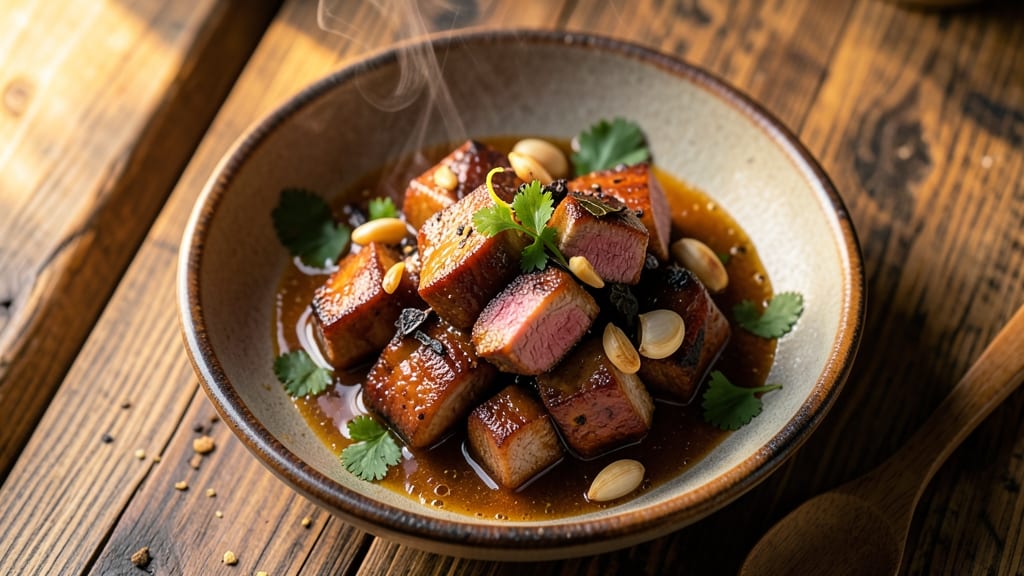
Authentic Filipino pork barbecue delivers that perfect balance of smoky, sweet, and tangy flavors that make it a staple at family gatherings and fiestas. Growing up with the scent of charred wood and vinegar marinating pork, I learned this dish isn't just about cooking—it's about tradition. The key lies in the marinade, where vinegar tenderizes while garlic and soy sauce build depth, creating a crust that's both crispy and caramelized.
What sets this recipe apart is the technique: skewering the pork after marinating ensures even cooking and those signature grill marks. The slow, indirect heat transforms tough cuts into melt-in-your-mouth bites, while the vinegar marinade keeps the meat juicy.
This isn't just another grill recipe—it's a celebration of Filipino flavors that transport you straight to a backyard lechon kawali feast.
The result is tender, flavorful pork with a glossy, caramelized exterior that's impossible to resist. Serve it with steamed rice to soak up the smoky juices or pair it with atchara for a tangy contrast. The aroma alone will have everyone gathering around the table, eager for their first bite.
Ready to master this classic? We'll cover everything from marinating to grilling, ensuring your pork barbecue turns out authentic and restaurant-quality every time. Let's get started.
Ingredients for authentic filipino pork barbecue
Smoky, tangy, and packed with tradition—these ingredients bring authentic Filipino flavors to life.
| Ingredient | Amount | Notes |
|---|---|---|
| Pork Shoulder 🥩 | 2 lb | Bone-in for best flavor, cut into 1.5-inch cubes |
| White Vinegar 🍶 | ½ cup | Distilled for tangy balance |
| Garlic Cloves 🧄 | 8 cloves | Minced fine for deep infusion |
| Soy Sauce 🍶 | ⅓ cup | Dark soy for richer color |
| Brown Sugar 🍚 | ¼ cup | Packed firmly for sweetness |
| Olive Oil 🫒 | ¼ cup | Light, for even coating |
| Ground Black Pepper 🌶️ | 1 tsp | Freshly cracked for heat |
| Bay Leaves 🌿 | 2 whole | Dried, for aromatic depth |
| Bamboo Skewers 🍖 | 8 whole | Soaked 30 mins to prevent burning |
| Salt 🧂 | 1 ½ tsp | Diamond Crystal preferred |
| Charcoal Briquettes 🔥 | 2 lbs | Binchotan preferred for authentic smoke |
| Lemon Juice 🍋 | 2 tbsp | Freshly squeezed for brightness |
The pork shoulder is non-negotiable here—bone-in cuts develop deeper flavor during the long marinade. Look for well-marbled pieces at Filipino markets or the butcher counter, where they'll often have pre-cut lechon kawali sections. If you can't find Binchotan charcoal, lump charcoal works too—just avoid lighter fluid. The vinegar should be distilled white for that classic tang, and the dark soy sauce (like Lee Kum Kee) gives the signature glossy crust. Skip the pre-minced garlic—freshly minced makes all the difference, especially when marinated overnight.
No bamboo skewers? Metal or soaked wooden skewers work fine, but avoid plastic—they won't hold heat. Short on time? Omit the bay leaves but don't skip the pepper—it's essential for that smoky kick. The lemon juice can be swapped for calamansi juice if you're feeling authentic (it's the Filipino lime), but regular lemon works in a pinch. For the sugar, coconut sugar adds a caramel note, but brown sugar is perfectly fine. Pro tip: Double the marinade and save half for next time—it keeps for 2 weeks in the fridge.
Marinate the pork for at least 4 hours (overnight is best) in the fridge. The skewers should sit covered in a sealed container to prevent drying. Grilled pork keeps 3 days in the fridge, but the flavor peaks day 2—that's when the caramelized crust really sets. For leftovers, reheat in a skillet over medium heat to revive the crispy exterior. Freeze portions for up to 3 months by wrapping tightly in foil. The aroma alone will have your whole house ready for a fiesta.
Why You'll Love This Recipe
- Five-Ingredient Magic: I swear by this combo—pork shoulder, vinegar, garlic, soy, and sugar. That’s it. No fancy prep, no hunting for obscure spices, just pantry staples that transform into something unforgettable.
- Crispy-Tender Payoff: The vinegar tenderizes the meat while caramelizing the edges, and that brown sugar? It turns the glaze into a sticky, addictive crust. Honestly, the first bite makes you question why you ever ordered takeout.
- Leftover Goldmine: This keeps perfectly for days—better the next day, even. I’ll be real: I make a double batch just so I can reheat slices for quick lunches or toss them into rice bowls. (Yes, even on a Tuesday night.)
- Party Crowd-Pleaser: Bring this to a potluck, and you’ll be the hero. It’s hearty enough for a family dinner but fancy enough for guests—no one will guess it’s just a sheet pan and 30 minutes of your time. My daughter picks out the garlic cloves, but still asks for seconds.
Step-by-step instructions for authentic Filipino pork barbecue
Here's how to transform humble pork shoulder into tender, smoky skewers bursting with garlic and vinegar.
Create the Signature Marinade
In a large bowl, combine the 2 lb pork shoulder cut into 1.5-inch cubes, 0.5 cup white vinegar, 0.33 cup soy sauce, 0.25 cup brown sugar, 0.25 cup olive oil, 1 tsp ground black pepper, 2 whole bay leaves, and 1.5 tsp salt. The vinegar will start breaking down immediately—you'll notice the meat releasing juices and turning translucent at the edges.
Add the 8 cloves minced garlic and mix thoroughly until every cube is coated. I like to use my hands for this part, massaging the marinade into the meat so it penetrates deeply. Cover the bowl and refrigerate for at least 4 hours, but overnight is ideal—this long marinating time is what makes the meat tender and infused with authentic Filipino flavors. The longer it sits, the more the garlic and vinegar will transform the pork into something truly special.
Prepare the Pork for Grilling
Remove the pork from the refrigerator and let it sit at room temperature for 30 minutes before skewering. This ensures even cooking. Soak the 8 bamboo skewers in water for 30 minutes to prevent burning during grilling. Thread the marinated pork cubes onto the skewers, leaving a small gap between each piece to allow the smoke and heat to penetrate.
Here's a pro tip: I arrange the cubes with the fat cap facing outward—this helps create that beautiful caramelized crust we're after. The marinade should be clinging to the meat, but if it looks too thin, give the skewers a quick toss in any remaining marinade from the bowl. Let the skewers rest for 10 minutes before grilling to help the marinade set and prevent them from falling apart.
Set Up the Charcoal Grill
Arrange the 2 lbs charcoal briquettes in a pyramid shape in your grill, leaving the top open. Light the charcoal and let it burn until it's covered with a thick layer of white ash—this usually takes about 15 minutes. The key here is to create two zones: a direct heat zone for searing and an indirect heat zone for slow cooking. I position the skewers over the indirect heat first to cook through gently before moving them to the direct heat for that perfect sear.
Once the coals are ready, you'll want to see a steady stream of clean blue smoke—this is what carries that authentic Filipino barbecue flavor. If you notice thick white smoke, it means the charcoal needs more time to burn off the chemicals. The right smoke should smell clean and slightly sweet, not acrid or harsh.
Grill to Juicy Perfection
Place the skewers on the grill over the indirect heat and cover with the lid. Cook for 20-25 minutes, turning occasionally, until the internal temperature reaches 160°F and the pork is fork-tender. You'll know it's ready when the meat pulls apart easily and the edges are slightly charred. The marinade should be caramelizing and forming a glossy glaze on the pork.
For the final touch, move the skewers to the direct heat zone and grill for another 2-3 minutes per side until they develop those beautiful grill marks and the edges are slightly crispy. This is where the magic happens—the contrast between the tender meat and the charred exterior creates the perfect texture. The aroma at this point should be incredible: smoky, garlicky, with a hint of sweetness from the caramelized sugar.
Finish with a Bright Touch
Remove the skewers from the grill and transfer them to a plate. Drizzle with 2 tbsp freshly squeezed lemon juice and toss gently to coat. This final step brightens the flavors and cuts through the richness of the pork. Let the skewers rest for 5 minutes before serving—this allows the juices to redistribute, ensuring each bite is moist and flavorful.
Serve immediately with steamed rice and a simple green salad. The pork should be tender enough to pull apart with a fork, with a beautiful caramelized exterior that's slightly crispy. Each bite should deliver a perfect balance of smoky, garlicky, tangy, and sweet flavors that define authentic Filipino barbecue. This dish is all about the marinade and the slow cooking process—don't rush it, and you'll be rewarded with restaurant-quality results at home.
Pro Tips For Making Authentic Filipino Pork Barbecue
- Marinate Overnight: I learned this the hard way—rushing the marinade means the vinegar and soy sauce won’t penetrate deep enough. Toss the pork shoulder with the garlic, vinegar, soy sauce, and brown sugar, then let it sit uncovered in the fridge for at least 8 hours (yes, even if you’re impatient). The acid works its magic slowly, breaking down the meat and making it tender without turning it mushy.
- Sear First, Slow Cook: After burning three batches of pork barbecue, I finally figured out the non-negotiable: sear the marinated pork shoulder in a hot pan for 5 minutes per side before slow cooking. This locks in the flavors and gives you that caramelized crust that makes all the difference when you later grill or braise it. Just don’t overcrowd the pan—work in batches if needed.
- Simmer, Don’t Boil: The vinegar in this recipe wants to evaporate fast, but boiling the pork turns it tough. Once you add the marinated pork to a pot, keep the heat at a gentle simmer—just enough to see tiny bubbles at the edges, not a full-on rolling boil. This keeps the meat tender and lets the sugar caramelize properly.
- Deglaze with Vinegar: Sounds weird, but it works: after searing the pork, splash in ¼ cup of white vinegar to scrape up the browned bits from the pan. This adds depth to the sauce later—those bits are packed with flavor. Just don’t skip it; your future self will notice the difference when the sauce is richer and less one-dimensional.
Wine and beer pairings for these flavors
Filipino-Inspired White Wine
For this dish, I always reach for a dry white wine with enough acidity to cut through the richness of the pork. A crisp Sauvignon Blanc from New Zealand—like Cloudy Bay—works beautifully with its citrus notes and herbal undertones.
The zesty acidity balances the sweetness of the caramelized pork, while the bright flavors complement the smoky char. 🍷
Light-Bodied Red Options
If you prefer red wine, stick to light-bodied varieties that won't overpower the dish. A Pinot Noir from Oregon or California—such as La Crema—is my go-to.
Its bright red fruit flavors and subtle earthiness pair perfectly with the garlic and vinegar marinade. The wine's acidity also helps cleanse the palate between bites.
Local Filipino Beer Pairings
For a more casual pairing, reach for San Miguel Beer, the classic Filipino lager. Its crisp, clean taste and light bitterness make it a perfect match for the smoky, tangy flavors of the pork.
If you want something stronger, try Red Horse, a Filipino lager with a slightly maltier profile that stands up to the caramelized crust.
Non-Alcoholic Refreshers
For non-drinkers or those who prefer something lighter, a calamansi soda (Filipino lime soda) is a fantastic choice. The tartness of calamansi brightens the dish, while the effervescence cuts through the richness.
If you can't find calamansi, a sparkling limeade with a splash of lemon-lime soda works just as well. 💫
Dessert Wine for Balance
If you're serving this as part of a full Filipino feast, consider finishing with a Moscato d'Asti for dessert. Its light sweetness and effervescence provide a refreshing contrast to the savory, smoky flavors of the pork.
The wine's floral notes also complement the garlic and vinegar marinade, creating a harmonious ending to the meal.
Nutrition facts
Frequently asked questions
Can I use chicken or beef instead of pork for this recipe?
While pork is traditional for Filipino barbecue, you can absolutely use chicken thighs (bone-in for best results) or beef chuck. Chicken will cook faster (about 15-20 minutes on skewers) and needs 15 minutes less marinating time. For beef, increase marinating to 8 hours and grill until internal temp reaches 165°F. The vinegar marinade works beautifully on all three meats, but the texture will differ—pork stays juicier when cooked low and slow.
What's the secret to getting that perfect caramelized crust?
The crust comes from three key steps: long marinating (overnight is best), indirect heat cooking (20-25 minutes), and finishing on direct heat (2-3 minutes per side). The sugar in the marinade caramelizes during grilling, so don't skip it! For extra shine, brush the skewers with 1 tbsp olive oil before the final sear. Pro tip: Use Binchotan charcoal if possible—it produces that authentic smoky flavor that enhances the crust.
Can I make this in an oven instead of on a grill?
Yes! Preheat your oven to 400°F and place a rack over a baking sheet. Arrange the skewers on the rack (not touching) and bake for 20 minutes before broiling for 3-5 minutes to get grill marks. For smoky flavor, add 1-2 soaked wood chips (like hickory or apple) to the baking sheet. The oven method works well in cooler weather, though you'll lose some of the authentic charcoal smoke. The meat will be just as tender and flavorful!
How do I prevent the skewers from falling apart?
This happens when the marinade is too thin or the meat isn't properly rested. First, make sure your skewers are soaked for 30 minutes before using. Second, let the marinated meat rest for 10 minutes before threading—this helps the marinade set. For extra security, use two skewers per piece of meat (cross them like an X). If using bamboo, avoid over-soaking (they can get mushy). The marinade should coat the meat but not be watery—adjust with 1 tsp cornstarch if needed.
What are the best sides to serve with this dish?
Classic Filipino pairings include steamed white rice (to soak up the smoky juices) and atchara (pickled papaya) for tangy contrast. Other great options: garlic fried rice, sautéed string beans, or Filipino cucumber salad. For a complete meal, add lumpia (spring rolls) or bagoong (fermented shrimp paste) on the side. The key is balancing textures—creamy rice with crispy pork and crunchy veggies works perfectly!