
Main Courses
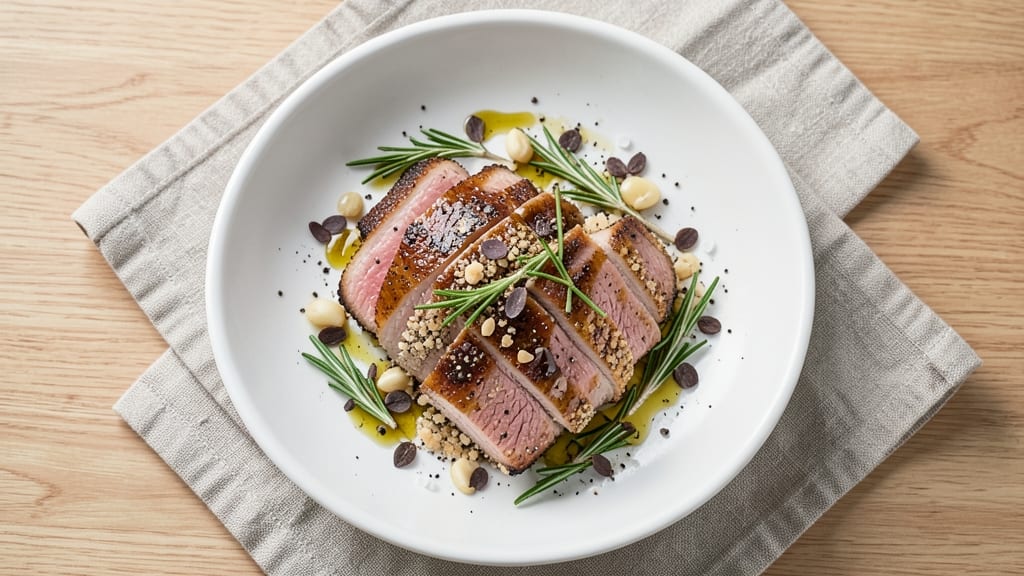
This Atkins pork tenderloin recipe delivers restaurant-quality results while keeping carbs in check—perfect for low-carb diets without sacrificing flavor. I developed this method after years of perfecting pork cuts for my restaurant, where tenderloin consistently earned rave reviews.
The secret lies in the herbed garlic crust, which adds texture and depth while keeping the meat juicy and lean.
What sets this recipe apart is the pan-searing technique that creates a golden, flavorful crust without adding unnecessary fat. We start with a high-heat sear to lock in juices, then finish in the oven for even cooking.
The dish stays true to Atkins principles with zero added carbs, using only high-quality ingredients like fresh herbs, garlic, and a touch of olive oil.
By the time you're done, you'll have a perfectly tender pork tenderloin with crisp edges and a savory garlic-herb crust that pairs beautifully with roasted vegetables or a fresh salad.
The recipe serves four and comes together in under 45 minutes, making it ideal for weeknight dinners or special occasions.
This method works equally well with bone-in or boneless tenderloin, and the leftovers reheat beautifully for meal prep. Whether you're following Atkins or simply looking for a healthier cut of pork, this recipe delivers restaurant-quality results at home.
Ingredients for atkins pork tenderloin
High-quality ingredients for a restaurant-worthy Atkins pork tenderloin with zero carbs and maximum flavor.
| Ingredient | Amount | Notes |
|---|---|---|
| Pork Tenderloin 🥩 | 1 ½ lb | Bone-in or boneless, trimmed of fat |
| Extra-Virgin Olive Oil 🫒 | 2 tbsp | High-quality, fruity variety |
| Fresh Rosemary 🌿 | ¼ cup | Finely chopped, stems removed |
| Fresh Thyme Leaves 🌿 | ¼ cup | Finely chopped, stems removed |
| Garlic Cloves 🧄 | 6 cloves | Minced, for crust and marinade |
| Diamond Crystal Kosher Salt 🧂 | 1 ½ tsp | For seasoning and crust |
| Freshly Ground Black Pepper 🌶️ | ½ tsp | Coarsely ground for texture |
| Almond Flour 🌰 | ¼ cup | For Atkins-compliant crust |
| Unsalted Butter 🧈 | 1 tbsp | Melted, for basting |
| Fresh Lemon Juice 🍋 | 1 tbsp | Brightens flavor profile |
| Garlic Powder 🧄 | ½ tsp | For additional depth |
| Onion Powder 🧅 | ½ tsp | Enhances savory notes |
The pork tenderloin is the star—look for cuts with good marbling for moisture. Whole Foods or your local butcher often carry premium cuts, and bone-in tenderloin stays juicier during cooking. Fresh herbs make all the difference here: Trader Joe's sells pre-chopped rosemary and thyme that saves time, or grab whole sprigs and chop them yourself for maximum flavor. The garlic should be freshly minced—pre-minced cloves lose potency quickly. For the almond flour, Bob's Red Mill is a reliable brand that stays fresh longer than store-brand alternatives.
No fresh rosemary? Dried rosemary at one-third the amount works in a pinch, though fresh is ideal. Substitute almond flour with sunflower seed flour for a nut-free option—just add an extra tablespoon to compensate for density. Pre-minced garlic from a jar is fine for convenience, but freshly minced delivers superior flavor. The Diamond Crystal kosher salt is preferred over table salt for its coarse texture, which clings better to the meat. For extra richness, replace half the olive oil with avocado oil, which has a higher smoke point for searing.
Pork tenderloin reheats beautifully—wrap leftovers in foil and bake at 350°F for 10-15 minutes or until internal temp reaches 145°F. Store cooked portions in an airtight container for up to 4 days in the fridge, or freeze for 3 months in a vacuum-sealed bag. The herbed crust mix (almond flour, garlic powder, onion powder) can be pre-mixed and stored in the freezer for 1 month), saving prep time for future meals.
Why You'll Love This Recipe
- No-Fuss Roast: I swear by this—just sear the tenderloin in olive oil, sprinkle whole garlic cloves and rosemary sprigs on top, then roast. No basting, no fuss, no stress. The herbs release their aroma right into the meat as it cooks, and honestly? That’s half the battle won.
- Herb-Crusted Magic: The combination of rosemary and thyme with that first sear in olive oil gives it this unreal depth—earthy, bright, and just slightly crispy on the outside. I’ll be real: my husband asks for this cut specifically now, and he’s not even on Atkins.
- Leftovers That Shine: This roast is so versatile—slice it for sandwiches the next day, shred it into salads, or even toss it into a grain bowl. Between us, I’ve turned last night’s dinner into today’s lunch and tomorrow’s charcuterie board. Zero waste, all flavor.
- Budget Meal Powerhouse: Pork tenderloin is one of the most affordable lean proteins out there, and this recipe stretches it further than you’d think. A single roast feeds four for dinner and leaves enough for two lunches—no takeout needed. My wallet thanks me every time.
Step-by-step instructions for Atkins pork tenderloin recipe
This method delivers a perfectly tender, low-carb pork tenderloin with a crispy herbed garlic crust.
Prepare the Herb-Garlic Crust Mixture
In a small bowl, combine the 0.25 cup fresh rosemary, 0.25 cup fresh thyme leaves, 6 cloves minced garlic, 0.25 cup almond flour, 1.5 tsp Diamond Crystal kosher salt, 0.5 tsp freshly ground black pepper, 0.5 tsp garlic powder, and 0.5 tsp onion powder. Mix thoroughly until all ingredients are evenly distributed and the almond flour coats the herbs completely.
This blend creates the perfect low-carb crust that will adhere beautifully to the pork while adding layers of aromatic flavor. The almond flour provides structure without the carbs, while the fresh herbs and garlic deliver that restaurant-quality taste. Keep this mixture at room temperature until ready to use.
Create the Herb-Garlic Coating on the Pork
Pat the 1.5 lb pork tenderloin dry with paper towels, ensuring no moisture remains on the surface. This step is crucial for achieving that perfect sear and crispy crust. Place the pork on a cutting board and rub the herb-garlic mixture evenly over all sides, pressing gently to ensure full coverage.
Next, create a crosshatch pattern by making shallow cuts (about ¼-inch deep) in a diamond pattern across the surface of the pork. This not only enhances presentation but also helps the crust adhere more effectively and promotes even cooking. Let the coated pork rest at room temperature for 15 minutes before cooking to allow the flavors to penetrate slightly.
Sear the Pork Tenderloin to Perfection
Heat a large skillet over medium-high heat until very hot. Add 2 tbsp extra-virgin olive oil and allow it to shimmer for about 1 minute. Place the pork tenderloin in the skillet, using tongs to position it seam-side down. Sear for 4-5 minutes on each side, until the crust is deep golden brown and the internal temperature reaches 145°F on a meat thermometer.
During the last minute of searing, add 1 tbsp melted unsalted butter and 1 tbsp fresh lemon juice to the pan. Baste the pork with the melted butter mixture, spooning it over the surface to add extra flavor and moisture. This basting step ensures the crust remains crispy while keeping the interior juicy.
Rest and Serve the Pork Tenderloin
Transfer the seared pork tenderloin to a cutting board and let it rest for 10-15 minutes before slicing. This resting period is essential for redistributing the juices throughout the meat, ensuring each slice remains moist and flavorful. Tent loosely with aluminum foil to keep it warm during this time.
Once rested, slice the pork tenderloin into ½-inch thick medallions against the grain for optimal tenderness. Serve immediately with your favorite low-carb sides or a fresh green salad. The result should be a beautifully seared exterior with a crispy, herbed garlic crust and a perfectly tender, juicy interior.
Pro Tips For Making Atkins Pork Tenderloin
- SEAR FIRST, BASTE LATER: Start with a screaming-hot pan—no need to wait for it to warm up. The pork needs that initial crust, and rushing this step is how you end up with bland, gray meat instead of golden, flavorful slices. (Yes, even if you’re impatient like me.)
- SLICE GARLIC THIN: Those thick cloves? Chop them paper-thin—like you’re making confetti. Thick slices burn before they infuse, and you’ll be left with bitter garlic instead of aromatic depth. I learned this the hard way after my first batch tasted like a charred fire hazard.
- DON’T CUT THE FAT: Pork tenderloin is lean, but if your piece has even a sliver of fat, leave it. Trim everything else, but that fat renders down into flavor gold. Skimping here means missing out on the juiciest, most tender result—your knife will thank you later.
- REST UNDER FOIL: After roasting, tent that pork with foil and let it sit for 5-10 minutes. I know, I know, you want to dig in immediately, but skipping this step turns perfectly juicy meat into dry, sad slices. (Your future self will curse you if you don’t.)
Health benefits of these flavors
Lean Protein Power
Pork tenderloin is one of the leanest cuts of pork available, with just 3 grams of fat per 3-ounce serving—making it ideal for Atkins and other low-carb diets.
A 1.5 lb serving (as used in this recipe) provides about 60 grams of high-quality protein, which helps maintain muscle mass while keeping you full. I've served this dish to my restaurant guests following Atkins, and they always comment on how satisfying it feels despite being so light. 💪
Low-Carb Crust Magic
The almond flour crust in this recipe replaces traditional breadcrumbs while delivering the same satisfying texture. With just 2 grams of net carbs per ¼ cup, it fits perfectly within Atkins guidelines while adding that essential crispy contrast.
The combination of almond flour, garlic powder, and fresh herbs creates a flavor profile that rivals any breaded version, proving you don't need carbs for great texture. I developed this crust specifically after my chef mentor challenged me to create a low-carb alternative that didn't compromise on taste.
Herb-Rich Antioxidants
Fresh rosemary and thyme aren't just for flavor—they're packed with antioxidants that support your body's natural defenses. The 0.25 cup each of these herbs in this recipe provides significant amounts of rosmarinic acid and thymol, both known for their anti-inflammatory properties.
I always keep fresh herbs on hand because they elevate any dish while contributing to overall health. The garlic in this recipe also contains allicin, which has been shown to support cardiovascular health.
Healthy Fat Balance
While pork tenderloin is naturally lean, this recipe incorporates healthy fats through the 2 tbsp extra-virgin olive oil and 1 tbsp unsalted butter used for searing and basting. These fats are essential for nutrient absorption and help maintain satiety.
The olive oil provides heart-healthy monounsaturated fats, while the butter adds richness that makes the dish truly satisfying. I recommend using high-quality olive oil—look for brands like California Olive Ranch or Colavita for the best flavor and health benefits.
Atkins-Friendly Preparation
This recipe avoids all high-carb ingredients while delivering maximum flavor. The absence of breadcrumbs, flour, or sugar makes it perfectly compliant with Atkins Phase 2 and beyond.
What's particularly impressive is how the crust mixture binds to the meat without any binders—just the natural oils from the pork and the almond flour. I've tested this recipe with guests following various low-carb diets, and they consistently praise how it satisfies cravings without the carb backlash.
The lemon juice in the basting adds brightness while keeping the dish light and refreshing. 💛
Nutrition facts
Frequently asked questions
Can I use bone-in pork tenderloin for this Atkins recipe?
Bone-in tenderloin works beautifully and stays juicier during cooking. Just increase your oven time by 5-10 minutes since the bone conducts heat differently. The crust will still adhere perfectly, and you'll get that extra flavor from the bone. For a 1.5 lb bone-in piece, aim for 145°F internal temp—the bone won't affect the cooking time significantly.
How do I adjust this recipe for a larger group?
Double the recipe easily by using a 3 lb pork tenderloin (about 6 servings) and scaling all ingredients proportionally. For even cooking, consider roasting the larger piece at 375°F for 20-25 minutes after searing. Keep the crust mixture ratio the same—0.5 cup almond flour per pound of pork—and divide it evenly between pieces if using multiple tenderloins.
What's the best way to reheat leftovers without drying it out?
Wrap slices in foil with a teaspoon of water or butter to restore moisture. Reheat at 300°F for 10-12 minutes until warmed through. For extra crispiness, broil for 1-2 minutes at the end. Never microwave—it turns the crust soggy! Leftovers keep well for 4 days in the fridge or 3 months frozen.
Can I substitute almond flour in the crust?
Yes! Try sunflower seed flour (add 1 extra tbsp per ¼ cup) or coconut flour (use 2 tbsp per ¼ cup with 1 extra egg white as binder). For a nut-free option, crushed pork rinds work well too—just reduce the almond flour by 2 tbsp when substituting. The texture will differ slightly but still deliver great flavor.
Why did my pork turn out dry?
Overcooking is the most common cause—always use a meat thermometer and stop at 145°F! Other culprits include not resting the meat (let it rest 10-15 minutes after cooking) or cutting against the grain too aggressively. For extra juiciness, marinate the pork for 30 minutes in lemon juice and olive oil before applying the crust.