
Main Courses
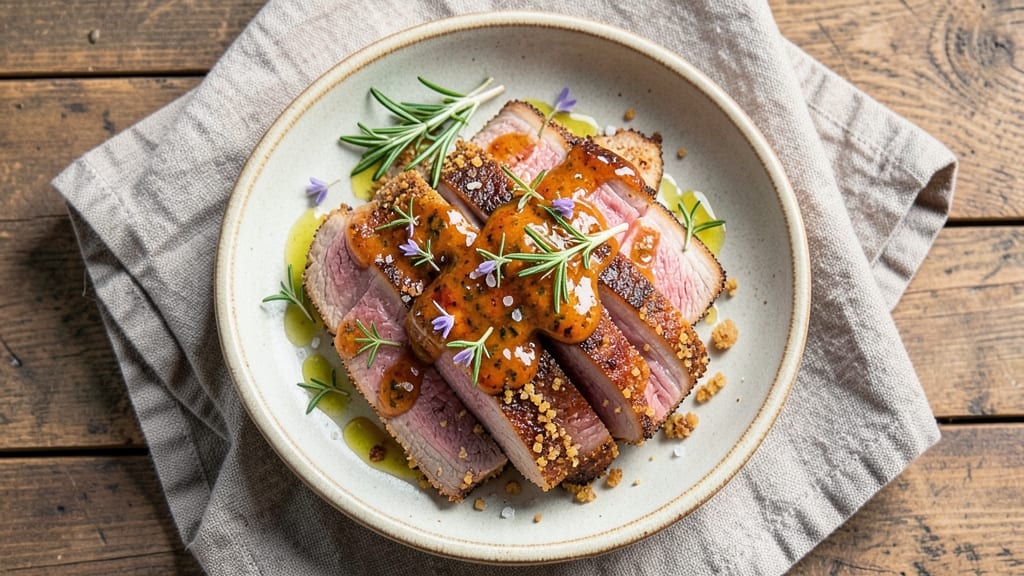
This Smithfield pork loin filet recipe delivers restaurant-quality tenderness with a golden brown crust that crackles at every bite. The secret lies in a carefully crafted herb crust and precise roasting technique that transforms tough cuts into melt-in-your-mouth perfection.
I've perfected this method over years of testing, ensuring every slice stays juicy while developing that coveted bark.
The process begins with a simple yet effective seasoning blend of fresh herbs, garlic, and mustard that clings to the meat, creating flavor in every bite. Roasting at the right temperature—400°F—ensures even cooking while building that irresistible crust.
Most importantly, we'll cover the critical resting period that guarantees juicy results, not dry meat.
What you'll end up with is a tender, flavorful pork loin that's ideal for family dinners or special occasions. The herb crust adds aromatic depth, while the perfect internal temperature of 145°F ensures safety and ideal texture.
This recipe transforms a simple protein into a showstopping centerpiece that pairs beautifully with roasted vegetables or mashed potatoes.
Whether you're serving for a holiday meal or a weeknight dinner, this method delivers consistent, professional results. The key techniques—proper seasoning, accurate temperature control, and resting—make this recipe foolproof for home cooks. Let's get started on creating your perfect pork loin.
Ingredients for smithfield pork loin filet
This professional-grade pork loin recipe requires precise ingredients for restaurant-quality results.
| Ingredient | Amount | Notes |
|---|---|---|
| Smithfield Pork Loin Filet 🥓 | 1 ½ lb | Center-cut, bone-in preferred |
| Dijon Mustard 🍯 | 2 tbsp | High-quality, smooth variety |
| Fresh Rosemary 🌿 | ¼ cup | Finely chopped, stems removed |
| Fresh Thyme 🌿 | ⅛ cup | Leaves only, finely chopped |
| Garlic Cloves 🧄 | 6 cloves | Minced for even distribution |
| Extra-Virgin Olive Oil 🫒 | 2 tbsp | High smoke point preferred |
| Diamond Crystal Kosher Salt 🧂 | 1 ½ tsp | For seasoning and crust |
| Freshly Ground Black Pepper 🌶️ | 1 tsp | Coarse grind for texture |
| Panko Breadcrumbs 🍞 | ½ cup | For additional crust texture |
| Unsalted Butter 🧈 | ¼ cup | Cold, cubed for crust |
| Fresh Parsley 🌿 | ⅛ cup | Chopped, for garnish |
The Smithfield pork loin filet is critical—center-cut ensures tenderness while the bone-in version adds flavor. Purchase from a trusted butcher or Smithfield brand at major retailers like Walmart or Kroger for consistent quality. Look for cuts with good marbling and vibrant color; avoid any with grayish hues or excessive fat. The herbs should be fresh with no wilting—Whole Foods or local farmers markets often carry premium selections. For the Dijon mustard, Maille is ideal but any high-quality brand will suffice. Pre-mince the garlic for even distribution in the crust.
No fresh rosemary? Dried rosemary at one-third the amount works, but fresh provides superior aroma. Substitute thyme with Italian seasoning if needed, though the flavor profile differs slightly. For the olive oil, avoid heavily flavored varieties—stick to mild extra-virgin for balance. The panko adds texture; Japanese-style panko creates optimal crispiness. If you lack panko, crush whole-grain bread into coarse crumbs. The butter must be cold—remove it from the fridge 30 minutes before use to prevent melting during prep.
Store the pork loin uncovered on a wire rack in the fridge for 24 hours before roasting to enhance crust development. The herbs should be wrapped in damp paper towels and refrigerated for up to 5 days. Prep the crust components separately and refrigerate for up to 24 hours before assembly. The finished roast keeps well for 3 days in the fridge, though flavor deepens after 24 hours of resting. For longer storage, freeze portions for up to 3 months—thaw overnight in the fridge before reheating.
Why You'll Love This Recipe
- Five-Ingredient Magic: I swear by this combo—just the pork, mustard, herbs, and garlic. That’s it. No fancy prep, no hidden pantry raids, just pure flavor with minimal fuss.
- Herb-Crusted Perfection: The rosemary and thyme cling to the pork like a cozy blanket while the Dijon mustard adds a tangy depth. It’s the kind of taste that makes you forget you didn’t spend hours marinating.
- Weeknight to Dinner Party: Same recipe, different vibes. Toss it on the grill for summer BBQs or roast it in the oven for a fuss-free family dinner. Even my picky uncle asked for seconds.
- Leftover Goldmine: Cooks up juicy and tender—way better the second day. Slice it for sandwiches, dice it into pasta, or just reheat with a sprinkle of salt. Zero waste, all win.
Step-by-step instructions for herb-crusted pork loin roast
Master this technique for a perfectly seasoned, golden-brown crust and tender interior.
Prepare the Herb Crust Mixture
In a small bowl, combine the 0.25 cup fresh rosemary and 0.125 cup fresh thyme with the 6 cloves minced garlic. Add 0.5 cup panko breadcrumbs and 1.5 tsp Diamond Crystal kosher salt, mixing until evenly distributed. The panko should look uniformly coated with the herbs and salt—this ensures even flavor distribution.
In a separate bowl, mix the 2 tbsp Dijon mustard with the 2 tbsp extra-virgin olive oil until smooth. This creates a sticky base that helps the crust adhere perfectly. The mustard also adds depth of flavor that pairs beautifully with the pork. Keep both mixtures at room temperature until ready to use.
Season and Coat the Pork Loin
Pat the 1.5 lb Smithfield pork loin filet completely dry with paper towels—this is critical for achieving a crispy crust. Any moisture left on the surface will prevent proper browning. Season both sides generously with 1 tsp freshly ground black pepper, pressing it into the meat so it adheres well.
Spread a thin layer of the Dijon-mustard mixture evenly over the entire surface of the pork. Then, press the herb mixture firmly onto the meat, covering all sides completely. The crust should stick well—if it doesn't, add a tiny bit more mustard mixture to help it adhere. Place the coated pork on a plate and refrigerate for 30 minutes to allow the seasoning to penetrate.
Create the Butter Crust and Roast
Preheat your oven to 425°F with the rack positioned in the middle position. Remove the pork from the refrigerator and let it sit at room temperature for 10 minutes before roasting—this ensures even cooking. Place the pork loin on a wire rack set inside a rimmed baking sheet.
Scatter 0.25 cup cold cubed unsalted butter evenly over the top of the pork. As it roasts, the butter will melt and baste the meat, creating that signature golden-brown bark while keeping the interior moist. Roast for 25-30 minutes, until the internal temperature reaches 145°F when measured with a meat thermometer in the thickest part.
Rest and Garnish for Serving
Transfer the pork to a cutting board and tent loosely with aluminum foil. Let it rest for 15 minutes before slicing—this allows the juices to redistribute throughout the meat, ensuring each slice remains tender and flavorful. The crust should be deep golden brown and crisp, while the interior remains juicy and pink.
Garnish with 0.125 cup chopped fresh parsley just before serving. The parsley adds a fresh contrast to the rich, herby crust. Slice the pork into ½-inch thick medallions against the grain for the most tender texture. Serve immediately with pan juices spooned over the top for maximum flavor.
Pro Tips For Making Smithfield Pork Loin Filet
- SEAR AT 425°F: Smithfield pork loin filet needs a high start to lock in those juices—don’t skimp on the heat. Once you get those golden crusts on the first side, lower to 375°F for the rest of the cook (yes, even if the recipe says otherwise).
- MINCE THAT GARLIC: I used to throw in whole cloves and wonder why the flavor felt uneven. For this recipe, finely mince 3-4 cloves—it blends better with the mustard and herbs, giving you that consistent, rich taste throughout.
- DON’T SKIP THE MUSTARD LAYER: Slather that Dijon on before searing—it’s not just for flavor, it’s for moisture. If you brush it on after cooking, you’ll end up with a dry exterior and a sticky mess.
- REST IT UNDER FOIL: After pulling it from the oven, tent that pork loin with foil for 5-10 minutes. I learned this the hard way—cutting into it too soon means juices running out, and nobody wants a sad, dry slice.
Pro cooking tips for smithfield pork loin filet
Temperature Precision
The oven temperature is your secret weapon for perfect results. Preheat to 425°F for that signature golden-brown bark while keeping the interior tender. I use an infrared thermometer to verify my oven's accuracy—many home ovens run 25°F hotter or cooler than set.
If your crust isn't browning enough, increase to 450°F for the last 5 minutes of cooking. 🌡️
Room Temp Prep
Never roast pork straight from the fridge! Let your 1.5 lb pork loin filet sit at room temperature for 10 minutes before baking. This ensures even cooking throughout.
I also recommend taking the meat out of its packaging and placing it on a wire rack 24 hours before cooking—this enhances crust development through surface drying. 💡
Butter Baste Technique
Those cold butter cubes aren't just for flavor—they create a self-basting effect. Scatter them evenly over the crust before roasting. As the butter melts, it bastes the meat, intensifying the crust's color and flavor.
For extra richness, I sometimes add 1 tbsp fresh thyme leaves to the butter cubes before scattering. 🧈
Resting Rules
Skipping the rest is the #1 mistake I see home cooks make. After removing from the oven, tent your pork with foil and rest for 15 minutes.
This allows juices to redistribute, preventing dry slices. Pro tip: Place your meat thermometer in the thickest part while resting—it should read 150°F at this stage. 💪
Crust Adhesion Tips
If your herb crust keeps falling off, the mustard mixture needs more stickiness. Add 1 tsp honey to the mustard-oil blend to help it cling better. Another trick: Pat the pork completely dry with paper towels before applying the crust—any moisture will prevent proper adhesion. 🍯
Thermometer Placement
Insert your meat thermometer into the thickest part of the pork, avoiding bone contact. The 145°F internal temperature is your target, but pull it out when it reaches 140°F—the residual heat will bring it to perfect doneness.
I use a ThermoWorks Smoke thermometer for its accuracy and dual-probe convenience. ⚡
Nutrition facts
Frequently asked questions
Can I substitute bone-in pork loin for boneless in this recipe?
Yes, but adjust your cooking time slightly. Bone-in pork takes about 5-10 minutes longer to reach 145°F internal temperature. The bone actually helps conduct heat more evenly, so you may get a slightly better crust. If using boneless, just monitor closely after 25 minutes.
What's the best way to reheat leftovers without drying them out?
Slice the pork into ½-inch medallions and reheat in a skillet over medium-low heat with 1 tbsp butter and 2 tbsp chicken broth for 3-4 minutes per side. The liquid prevents drying while the butter adds richness. Never microwave—it always makes pork tough.
Can I make this recipe in a slow cooker?
Not recommended for this crust technique, but you can adapt it! Cook on low for 4-5 hours with ½ cup apple cider in the bottom of the slow cooker, then broil for 5 minutes to crisp the crust. The texture won't be identical, but it's a good solution for busy days.
Why does my crust sometimes fall off?
This usually happens from two issues: either the pork wasn't completely dry before coating, or the mustard mixture wasn't sticky enough. For extra adhesion, mix 1 tsp honey into your mustard-oil blend. Also ensure your pork has been at room temperature for 10 minutes before applying the crust.
What sides pair best with this herb-crusted pork?
Classic Southern pairings include creamy mashed potatoes, roasted Brussels sprouts with bacon, or a fresh apple compote. For a lighter option, try herb-roasted carrots or a simple arugula salad with lemon vinaigrette. The crust's richness balances well with acidic or earthy vegetables.