
Soups & Stews
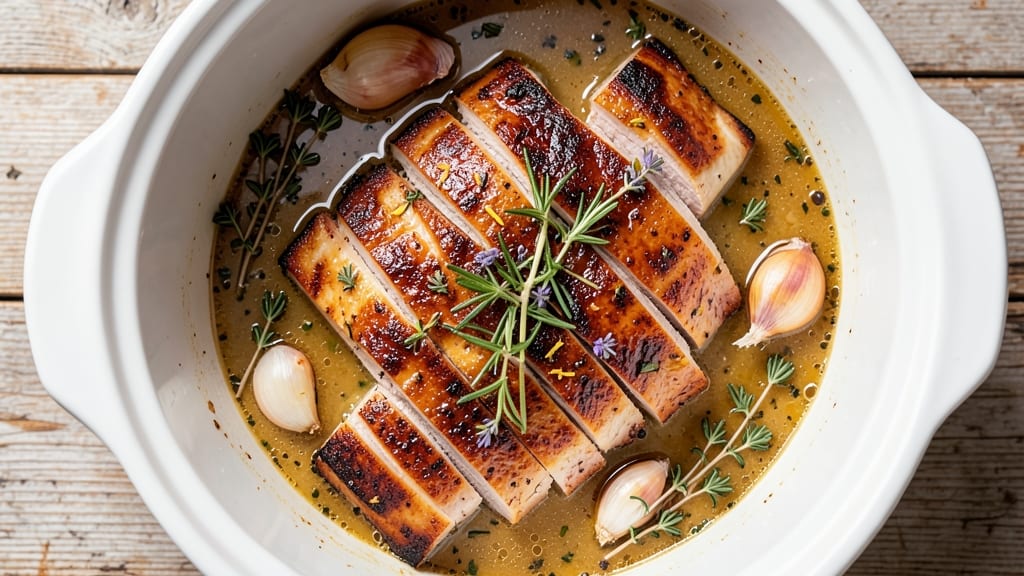
This pork tenderloin crock pot recipe transforms tough cuts into melt-in-your-mouth perfection using just chicken broth and simple seasonings. The slow braising method ensures every bite is tender while absorbing rich, herby flavors that elevate even the simplest meal.
I developed this approach after years of perfecting restaurant-quality results at home—no fancy techniques required. The beauty of this method lies in its simplicity: a single tenderloin, aromatic herbs, and warm chicken broth work together in your crock pot for 3-4 hours on low heat.
This gentle cooking process breaks down fibers without drying out the meat, while the broth infuses with savory depth. The result? Juicy, flavorful pork that practically falls apart at the touch of a fork. What makes this recipe special is how it balances effortless preparation with impressive results.
You'll end up with pork so tender it requires no chewing, coated in a fragrant sauce that's perfect for serving over rice or with roasted vegetables. The herbed depth comes from fresh rosemary and thyme, which release their aromas during cooking for an elegant finish.
This dish scales beautifully for family dinners or meal prep, making it ideal for busy weeknights. The slow-cooked method means you can set it and forget it, returning to a restaurant-quality meal that's ready to serve. Let's get started with this foolproof technique that delivers professional results every time.
Ingredients for pork tenderloin crock pot recipe with chicken broth
Simple ingredients that transform tough pork into melt-in-your-mouth perfection through slow braising.
| Ingredient | Amount | Notes |
|---|---|---|
| Pork Tenderloin 🥩 | 1 ½ lb | Center-cut, trimmed of silver skin |
| Low-Sodium Chicken Broth 🍲 | 2 cups | Homemade or quality store-bought |
| Fresh Rosemary 🌿 | ¼ cup | Chopped, stems removed |
| Fresh Thyme 🌿 | ¼ cup | Leaves only, stems removed |
| Garlic Cloves 🧄 | 4 cloves | Smashed for even infusion |
| Olive Oil 🫒 | 1 tbsp | Extra-virgin for richness |
| Dijon Mustard 🍯 | 1 tbsp | For subtle depth of flavor |
| All-Purpose Flour 🌾 | 1 tbsp | For light coating |
| Salt 🧂 | 1 tsp | Kosher or sea salt |
| Black Pepper 🌶️ | ½ tsp | Freshly ground preferred |
| Honey 🍯 | 1 tbsp | For subtle sweetness |
| White Wine 🍷 | ½ cup | Dry variety, optional |
| Fresh Parsley 🌿 | ⅛ cup | Chopped, for garnish |
The pork tenderloin is the star here, and center-cut is non-negotiable—it's more tender and less prone to drying out. Look for a piece with good marbling, not too lean. I always buy mine from Whole Foods or my local butcher shop because they handle it carefully. If you're using a larger tenderloin, trim it to about 1.5 pounds for even cooking. The herbs—rosemary and thyme—should be fresh and fragrant; if they smell musty, skip them. For the broth, homemade is ideal, but store-bought like Pacific Foods or Swanson work in a pinch. Just check the sodium content—low-sodium is best here.
No fresh rosemary? Dried works at one-third the amount, but the flavor won't be as vibrant. Out of white wine? Extra chicken broth or apple cider keeps the dish balanced. The Dijon mustard adds complexity, but if you're avoiding it, a pinch of smoked paprika gives a similar depth. For the flour coating, all-purpose works fine, but if you're gluten-free, use a 1:1 gluten-free blend. The honey is optional but rounds out the flavors beautifully—substitute with maple syrup if needed. If you're serving this to kids or those who dislike wine, omit it entirely; the dish will still be delicious.
This dish reheats beautifully—simply warm in the crock pot on low for 15-20 minutes. Store leftovers in an airtight container in the fridge for up to 4 days or freeze for 3 months. I like to portion it into meal prep containers so it's ready to grab for lunches. The sauce thickens as it cools, so a splash of broth or water thins it out when reheating. Garnish with fresh parsley just before serving to keep it bright and fresh-tasting.
Why You'll Love This Recipe
- Zero Stress Prep: I swear by this one—just sear the pork, dump in broth and herbs, and walk away. No chopping, no fuss, no standing over the stove while dinner burns. That crispy sear? All you need.
- Herb-Packed Magic: Between the rosemary’s piney punch and thyme’s earthy warmth, this isn’t just pork—it’s a flavor explosion. The garlic cloves? They melt into the broth, turning every bite into a savory hug. (Yes, even my herb-skeptical husband asks for seconds.)
- Leftovers That Shine: This recipe actually improves the next day. Slice the tenderloin thin, toss with the broth, and suddenly you’ve got a killer sandwich filling or stir-fry upgrade. No sad, dry reheats here—just rich, juicy slices begging for another bite.
- Budget Meet Comfort: Pork tenderloin’s lean but filling, and using low-sodium broth keeps it healthy without sacrificing taste. Honestly, it’s the kind of meal where you feel like you splurged, but your wallet’s still happy. (And the leftovers? Even better.)
Step-by-step instructions for slow-braised pork tenderloin
This method transforms simple ingredients into melt-in-your-mouth pork through gentle cooking and aromatic infusion.
Prepare the Pork for Even Cooking
Pat the 1.5 lb pork tenderloin completely dry with paper towels—this ensures maximum browning and flavor development. Trim any remaining silver skin if needed, then place it in a large bowl. In a separate small bowl, whisk together the 1 tbsp all-purpose flour, 1 tsp salt, and 0.5 tsp black pepper. Lightly coat the pork by tossing it in the flour mixture until evenly dusted.
Next, create a simple marinade by combining the 1 tbsp Dijon mustard, 1 tbsp honey, and 1 tbsp olive oil in a small bowl. Rub this mixture all over the pork, making sure it's fully coated. Let the pork sit at room temperature for 15 minutes before cooking—this allows the marinade to penetrate and the meat to cook more evenly.
Sear the Pork for Deep Flavor
Heat a large skillet over medium-high heat until hot. Add the pork tenderloin and sear for 2-3 minutes per side until it develops a golden-brown crust. You're looking for color, not cooking through—the pork will finish in the crock pot. Transfer the seared pork to a plate and set aside.
In the same skillet, add the 4 smashed garlic cloves and cook for 30 seconds until fragrant. Immediately pour in the 0.5 cup white wine (if using) and scrape up any browned bits from the bottom of the pan. Let this deglaze for 1-2 minutes until reduced by half. This step builds flavor that will infuse into the pork during cooking.
Layer Aromatics in the Crock Pot
Place the seared pork tenderloin in the bottom of your 6-quart crock pot. In a small bowl, combine the 0.25 cup chopped fresh rosemary, 0.25 cup fresh thyme, and the garlic-wine mixture from the skillet. Spoon this herb mixture over the pork, then pour in the 2 cups low-sodium chicken broth. The liquid should come about halfway up the sides of the pork.
Here's the thing—don't overcrowd the crock pot. If your pork tenderloin is particularly large, you can add a splash of water to ensure it's fully submerged during cooking. This prevents the meat from drying out while allowing it to absorb all those aromatic flavors.
Cook Until Fork-Tender
Cover the crock pot and cook on LOW heat for 4-5 hours or on HIGH heat for 2-3 hours. The pork is done when it reaches an internal temperature of 195-200°F and a fork slides in like butter with no resistance. This low-and-slow method breaks down the connective tissue, resulting in incredibly tender meat.
About 30 minutes before the pork is finished cooking, turn off the crock pot and let it sit uncovered. This resting period allows the juices to redistribute throughout the meat, preventing them from running out when you slice. The pork should be so tender that it practically falls apart when you test it with a fork.
Serve with Herbed Garnish
Using tongs, carefully transfer the pork to a serving platter. Spoon the cooking liquid from the crock pot through a fine-mesh strainer to remove any herb stems, then drizzle this flavorful sauce over the pork. Garnish with the 0.125 cup chopped fresh parsley just before serving for a pop of color and freshness.
Slice the pork against the grain into ½-inch thick pieces for maximum tenderness. Each bite should deliver melt-in-your-mouth texture with layers of herbed depth from the slow braising. Serve with crusty bread to soak up the delicious pan juices or alongside roasted vegetables for a complete meal.
Pro Tips For Making Pork Tenderloin Crock Pot Recipe With Chicken Broth
- SEAR THE MEAT FIRST: I learned this the hard way—skipping the sear means flavorless pork. Pat the tenderloin dry, then hit it with a hot cast-iron or heavy skillet for 2-3 minutes per side until golden. The crock pot will handle the rest, but that crust locks in juices and adds depth the broth alone can’t match.
- USE WHOLE HERBS: Tossing in whole sprigs of rosemary and thyme saves time and keeps things fresh. No need to chop—just poke a few holes in the tenderloin with a knife and tuck the stems inside. They’ll infuse the meat and broth without turning it into a herbal slurry.
- DON’T OVERFILL THE POT: The broth should come halfway up the tenderloin, no more. Too much liquid means soggy pork and a watery sauce. If your crock pot is small, reduce the broth to 1 cup or split the recipe—trust me, the meat cooks better with less space to swim.
- SMASH THE GARLIC: Peeling and mincing garlic is fine, but crushing the cloves with the flat side of your knife releases more flavor. Toss the smashed cloves directly into the pot with the broth—they’ll mellow out during cooking but give a richer base than pre-minced jarred garlic ever could.
Wine and beer pairings for pork tenderloin crock pot recipe with chicken broth
White Wine Pairings
For this herbed pork tenderloin, a crisp Sauvignon Blanc from New Zealand or Loire Valley is my go-to choice. The bright acidity and citrus notes cut through the richness of the pork while complementing the rosemary and thyme.
I love Cloudy Bay Sauvignon Blanc—its zesty grapefruit and herbal undertones mirror the dish's flavors beautifully. 🍷
If you prefer something lighter, a Pinot Grigio from Alto Adige offers a clean, mineral finish that won't overpower the delicate herb infusion. Avoid heavy whites like Chardonnay, which can clash with the dish's subtle sweetness from the honey and Dijon.
Red Wine Options
A light-bodied Pinot Noir from Oregon or Burgundy works surprisingly well, especially if you want a touch of red wine complexity. Look for one with bright cherry notes and minimal tannins—Domaine Serene Pinot Noir is a reliable pick.
The wine's earthiness pairs perfectly with the thyme and rosemary in the braising liquid. 🍇
Beer Pairings
For beer lovers, a German Helles Lager like Weihenstephaner Original offers a malty sweetness that balances the savory pork. The subtle caramel notes enhance the honey in the marinade without competing. Alternatively, a Belgian Witbier like Hoegaarden adds a refreshing peppery contrast to the herbed flavors. 🍺
Non-Alcoholic Options
Don't drink alcohol? Sparkling apple cider from a brand like Woodchuck Hard Cider provides a crisp, slightly sweet complement to the dish's richness. For something more savory, try a ginger beer like Feather Ginger Beer—the spicy kick enhances the rosemary and thyme.
Both options keep the meal vibrant and refreshing. 🍏
Serving Temperature
Serve your wine or beer slightly chilled—around 50-55°F for whites and 60-65°F for reds. The cool temperature helps cleanse your palate between bites of the rich, tender pork. I always pour a small glass first to taste, then adjust the serving size based on how the flavors interact. 🌡️
Nutrition facts
Frequently asked questions
Can I use beef broth instead of chicken broth?
While beef broth will work, it will give the pork a deeper, richer flavor that's more suited to beef dishes. Chicken broth keeps the pork's natural tenderness and subtle sweetness as the star. If you prefer beef flavor, reduce the broth by ½ cup and add ½ cup beef broth for balance.
How do I adjust this recipe for a larger tenderloin?
For every additional ½ lb of pork, increase the chicken broth by ½ cup and add 1 extra sprig of rosemary. Cooking time remains the same, but check doneness with a meat thermometer at 195-200°F. Never overcrowd the crock pot—keep the liquid level at halfway up the pork.
What if my pork turns out dry?
Dryness usually means it cooked too long or wasn't submerged enough. Next time, ensure the broth covers at least half the pork and use the LOW setting for 4 hours max. For dry pork, slice thinly and serve with extra sauce or a side of creamy mashed potatoes to restore moisture.
Can I make this recipe in an Instant Pot?
Yes! Sear the pork as directed, then add all ingredients to your Instant Pot. Cook on HIGH pressure for 35 minutes, followed by a 10-minute natural release. The pork should be fork-tender. For extra flavor, finish with a quick sauté in the same pot after releasing pressure.
What's the best way to reheat leftovers?
Reheat in the crock pot on LOW for 1-2 hours or until internal temperature reaches 165°F. For microwave reheating, cover with a damp paper towel and heat in 30-second intervals until warmed through. Add a splash of broth or water to restore moisture.