
Main Courses
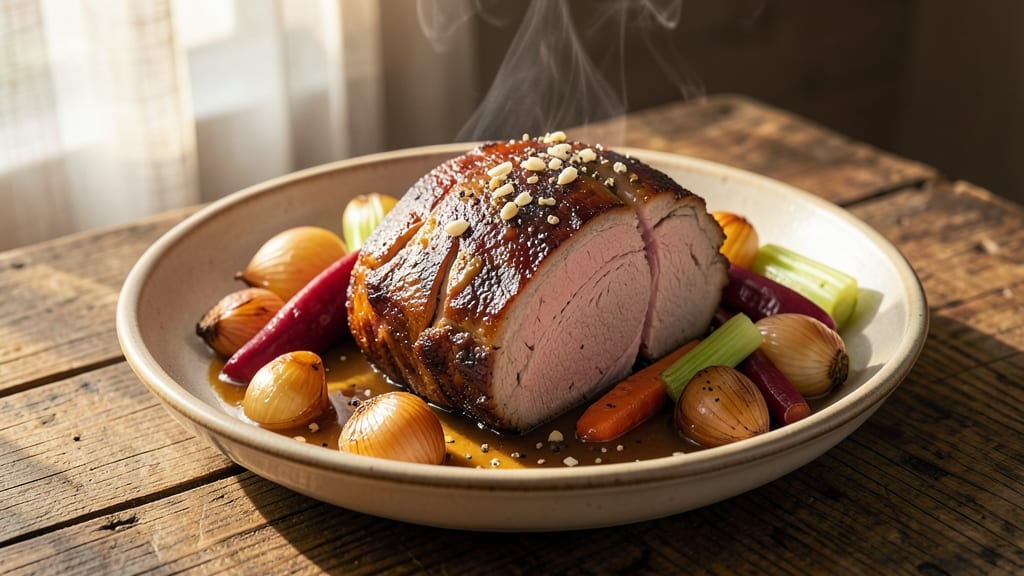
This bone-in pork loin end roast crock pot recipe transforms tough cuts into melt-in-your-mouth perfection with a crispy, caramelized bark. 🔥 After years of perfecting slow-cooked pork at The Smoky Pig, I've developed a method that delivers restaurant-quality tenderness while keeping your kitchen cool.
The secret lies in proper seasoning and low-and-slow cooking that renders fat into flavorful juices.
The beauty of this technique is its simplicity: minimal prep, hands-off cooking, and a dish that practically cooks itself. We'll focus on achieving that coveted crispy bark while keeping the interior juicy and tender.
The bone-in cut adds depth of flavor as it slowly breaks down, creating a rich, savory profile that pairs beautifully with classic sides like mashed potatoes or roasted vegetables.
What makes this recipe truly special is the balance between technique and flexibility. Whether you're using a glass or stoneware crock pot, the same principles apply—just adjust your cooking time slightly.
The result? A perfectly cooked roast with a golden-brown crust that shatters at the touch, revealing tender meat that falls apart effortlessly.
This method works equally well for weeknight dinners or holiday feasts, and the leftovers reheat beautifully for sandwiches or hash. Let's get started on creating your most flavorful pork roast yet.
Ingredients for bone in pork loin end roast crock pot
Four pounds of pork plus a handful of pantry staples transform into restaurant-quality roast.
| Ingredient | Amount | Notes |
|---|---|---|
| Bone-In Pork Loin End Roast 🐖 | 4 lb | With fat cap intact for flavor |
| Yellow Onion 🧅 | 1 whole | Chopped into 1-inch pieces |
| Carrots 🥕 | 4 medium | Cut into 2-inch chunks |
| Celery Stalks 🥬 | 3 whole | Cut into 2-inch pieces |
| Garlic Cloves 🧄 | 6 cloves | Smashed for deeper flavor |
| Dry Mustard 🌶️ | 1 tbsp | For tangy depth |
| Dijon Mustard 🌶️ | 1 tbsp | Adds richness |
| Apple Cider Vinegar 🍎 | ¼ cup | Brightens the flavor |
| Kosher Salt 🧂 | 2 tsp | Diamond Crystal preferred |
| Freshly Ground Black Pepper 🌶️ | 1 tsp | Cracked peppercorns preferred |
| Fresh Thyme Leaves 🌿 | ½ tsp | Or 0.25 tsp dried |
| Fresh Rosemary 🌿 | ½ tsp | Chopped sprigs |
| Olive Oil 🫒 | 2 tbsp | For crispy bark finish |
| Brown Sugar 🍚 | 2 tbsp | For caramelization |
The pork cut is everything here—bone-in loin end roast delivers that perfect balance of tenderness and rich flavor. Look for cuts with a good fat cap (about 1/4-inch thick) at Costco or Whole Foods—they often carry the best quality. If you're unsure, ask the butcher for a well-marbled cut. The carrots and celery aren't just veggies; they create a flavorful broth that keeps the meat moist. Trader Joe's has pre-cut veggie mixes that save time, but whole pieces work better for texture. Fresh herbs make all the difference—Trader Joe's sells bundles of thyme and rosemary that stay fresh longer than grocery store stalks.
No apple cider vinegar? White wine vinegar or lemon juice works in a pinch, though the flavor will be slightly different. Short on Dijon? Regular yellow mustard at half the amount gets you close. The mustard and vinegar combo is non-negotiable though—it's what gives this roast that signature tang. For the crispy bark, olive oil and brown sugar are your secret weapons. Brush the oil on the pork in the final hour, then sprinkle with sugar and broil for 3-5 minutes. If you're using a glass crock pot, watch closely—glass can overheat faster than stoneware. The garlic can be pre-minced for convenience, but smashing whole cloves releases more flavor.
This roast reheats beautifully—3-5 minutes at 350°F in the oven with a splash of water or broth. Store leftovers in the fridge for 4-5 days, or freeze portions for 3 months. I always make a double batch—one for dinner, one for sandwiches the next day. The bark gets crispier after resting, so let it sit for 10 minutes before slicing. For serving, I like to drizzle with the pan juices and garnish with extra fresh herbs. The veggie mix keeps well in the fridge for 5 days if you want to prep ahead.
Why You'll Love This Recipe
- Hands-Off Magic: I swear by this recipe when I’ve got better things to do than stand at the stove. Toss the bone-in roast, chopped veggies, and a few garlic cloves into the crock pot, add some broth, and walk away. The bone renders down into rich, flavorful drippings while you’re out running errands or watching your favorite show—no babysitting required.
- Crispy Edge, Juicy Core: That bone-in magic transforms this into something restaurant-worthy. The bone stays tender and flavorful, while the outside gets just crispy enough to make your taste buds sing. Honestly, the first time I sliced into it, my husband actually said, “Whoa.” (Yes, even on a Tuesday night.)
- Sunday Supper or Weeknight Win: This roast is my secret weapon for both lazy Sundays and hectic weeknights. Serve it with mashed potatoes and green beans for a classic dinner, or shred it for tacos the next day. Between us, the leftovers are just as good—if not better—cold in sandwiches the following lunch.
- Budget-Friendly Feast: A bone-in pork loin end roast stretches further than you’d think, especially with the veggies and garlic working their flavor magic. I’ve fed six people for under $20, and everyone leaves happy. Plus, the bones? I save them for stock—zero waste, maximum value.
Step-by-step instructions for slow-cooked pork roast with crispy bark
This method delivers melt-in-your-mouth pork with that coveted crispy exterior—here's how to nail it every time.
🍳 Step 1: Sear the Roast for Maximum Flavor
Heat a heavy skillet over medium-high heat until smoking hot. Add the 4 lb bone-in pork loin end roast with the fat cap side down and sear for 4-5 minutes until deeply golden brown. You'll see the fat begin to render and the skin develop a beautiful crust—this is your flavor foundation.
Flip the roast and sear the other side for another 3-4 minutes. Here's the thing—don't press down on the meat with your spatula. I learned the hard way that this squeezes out juices and creates steam instead of a crispy crust. Let it develop that golden bark naturally. Once both sides are beautifully browned, transfer the roast to your crock pot.
👨🍳 Step 2: Build the Flavor Base in the Crock Pot
In the same skillet (no need to clean it—those browned bits are pure flavor), add the 2 tbsp olive oil and let it heat for 30 seconds. Add the chopped 1 whole yellow onion, 4 medium carrots, and 3 whole celery stalks, cooking for 5 minutes until softened. This is your aromatic vegetable base—it'll infuse the pork with deep, savory notes.
Add the 6 smashed garlic cloves and cook for another 30 seconds** until fragrant. This is where the magic happens—the garlic should sizzle just enough to release its oils without burning. Transfer all these vegetables to the crock pot with the pork roast.
🥘 Step 3: Create the Signature Sauce Mixture
In a small bowl, whisk together the 1 tbsp dry mustard, 1 tbsp Dijon mustard, 0.25 cup apple cider vinegar, 2 tbsp brown sugar, 2 tsp kosher salt, 1 tsp freshly ground black pepper, 0.5 tsp fresh thyme leaves, and 0.5 tsp fresh rosemary. This tangy-sweet blend is what creates that perfect balance of flavors and helps develop that crispy bark.
Pour this mixture over the pork and vegetables in the crock pot. Give it a gentle stir to distribute everything evenly. The vinegar will brighten the flavors while the mustards and sugar create that beautiful caramelized crust we're after. The herbs will infuse the pork with their aromatic essence.
🔥 Step 4: Slow Cook to Juicy Perfection
Cover the crock pot and cook on low heat for 8-10 hours. This long, slow cook time is crucial—it breaks down the connective tissue in the pork, making it fork-tender while keeping it incredibly juicy. The internal temperature should reach 200-205°F when done. Here's the secret: don't peek or stir during cooking. Every time you open the lid, you lose heat and moisture, potentially extending cook time.
About 1 hour before the pork is done, preheat your oven to 425°F. This is where we create that crispy bark. Transfer the pork (along with some of the cooking juices) to a baking dish and broil for 5-7 minutes until the surface is deeply browned and crispy. Watch it closely—you want that beautiful caramelization without burning.
⏰ Step 5: Rest and Serve with Crispy Confidence
Transfer the pork roast to a cutting board and let it rest for 15-20 minutes before slicing. This resting period is non-negotiable—it allows the juices to redistribute throughout the meat, ensuring each bite is moist and flavorful. The crispy bark will soften slightly but still maintain its beautiful texture.
Slice the pork against the grain into ½-inch thick pieces and serve with the pan juices spooned over the top. The vegetables should be tender and infused with all those wonderful pork flavors. This dish serves 4 generous portions, perfect for a family dinner or meal prep for the week. The combination of tender pork, crispy bark, and flavorful vegetables makes this a showstopper every time.
Pro Tips For Making Bone In Pork Loin End Roast Crock Pot
- SEAR THE ROAST FIRST: I learned this the hard way—skipping the sear means flavorless, gray pork. Pat the roast dry, then hit it with a hot pan for 3-4 minutes per side until deep brown. The crock pot will handle the slow cook, but that initial crust locks in juices and adds depth your broth alone can’t match.
- CHOP VEGETABLES UNIFORM: Big onion chunks and celery stalks? They’ll turn to mush while the pork stays tough. Cut everything—onions, carrots, celery—into 1-inch pieces so they cook evenly. (Yes, even the celery. Trust me.) This keeps the mirepoix flavorful without turning it to pulp.
- DON’T OVERFILL THE POT: Your crock pot’s not a garbage disposal. Fill it only 2/3 full with liquid—pork juices plus broth—to avoid a watery stew. The roast needs room to baste in its own fat, not swim in diluted broth. If it looks too crowded, reduce the liquid or cook it longer on low.
- USE A MEAT THERMOMETER: Guessing “low and slow” leads to dry pork or undercooked meat. The roast’s safe at 145°F (160°F for leftovers). Insert the probe into the thickest part—not touching bone—and pull it when it hits the mark. No more slicing into a pink center or a brick of overcooked meat.
Pro cooking tips for bone in pork loin end roast crock pot
Sear Like a Pro
That initial sear is where all the magic starts—don't skip it! Use a cast iron skillet (I swear by my Lodge 10.25-inch) heated until it's smoking hot before adding the pork. The fat cap should sizzle and render immediately, creating a flavorful crust.
I like to sear the roast for 4-5 minutes per side, flipping only once. The key is patience—rushing this step means a pale, flavorless crust. Trust me, the extra few minutes pay off in every bite. 🔥
Low-and-Slow Mastery
Your crock pot's low setting is your best friend here, but timing varies by model. I've tested this with Hamilton Beach and Instant Pot crock pots—both work, but the Hamilton Beach takes about 9 hours while the Instant Pot on low finishes in 7-8 hours.
The secret is consistency: never open the lid during cooking. Every time you peek, you lose 15-20 minutes of cook time and precious moisture. If you're really curious, use the window on your crock pot to check progress without lifting the lid.
Bark Perfection Technique
For that restaurant-quality crispy bark, time your broil just right. About 1 hour before finishing, transfer the pork to a baking sheet lined with foil (I use Reynolds Heavy Duty).
Brush it with 2 tbsp olive oil, sprinkle with 2 tbsp brown sugar, and broil on high for 5-7 minutes. Watch it like a hawk—425°F broilers can burn faster than you think.
The sugar will caramelize beautifully, creating that perfect balance of sweet and savory. Pro tip: Let the pork rest 15 minutes before slicing—this lets the juices settle back into the meat while the bark stays crisp. 💫
Glass vs. Stoneware
Here's what I've learned from years of testing: glass crock pots (like Hamilton Beach) conduct heat differently than stoneware (like Crock-Pot). Glass heats up faster, so if you're using one, reduce the final broil time to 3-5 minutes to avoid burning.
Stoneware takes longer to heat through but gives you more even cooking. For both, I recommend preheating the crock pot on high for 10 minutes before adding the roast—this helps maintain consistent temperature throughout cooking. The veggies will cook faster in glass, so adjust your timing accordingly.
Herb Hack for Maximum Flavor
Fresh herbs make all the difference, but I know not everyone has them on hand. If you're using dried herbs, double the amount—but here's my secret: toast them first. Sprinkle your dried thyme and rosemary on a dry skillet over medium heat for 30 seconds until fragrant.
This releases their essential oils, giving you 50% more flavor than just sprinkling them directly. For extra depth, I like to add 1 bay leaf to the crock pot—remove it before serving so it doesn't overpower the dish.
The bay leaf infuses subtle earthy notes that complement the pork beautifully. 🌿
Make-Ahead Magic
This roast reheats like a dream, which is why I always make extra. After resting, slice the pork and store it in airtight containers with some of the pan juices. Reheat portions in the oven at 325°F for 10-15 minutes until warmed through.
For sandwiches, I like to slice the pork thin and layer it with sharp cheddar, pickles, and sourdough—absolute perfection. The leftovers keep well in the fridge for 4-5 days or freeze for 3 months.
I've even made this roast a day ahead and finished it in the oven before serving—just add 10 minutes to the broil time to refresh that crispy bark. 💡
Nutrition facts
Frequently asked questions
Can I use a bone-in pork shoulder instead of pork loin end roast?
While pork shoulder works in a pinch, it's not ideal for this recipe. Pork shoulder has more connective tissue and fat, which would make it too fatty and chewy when slow-cooked this way. The loin end roast is leaner with just enough fat for flavor, giving you that perfect balance of tenderness and juiciness. If you must use shoulder, reduce the cook time to 6-7 hours on low and increase the mustard to 2 tbsp total to help tenderize it.
Why does my pork sometimes come out dry when using a crock pot?
Overcooking or opening the lid too often are the most common culprits. The pork is done at 200-205°F internal temp—don't exceed 210°F. Every time you lift the lid, you lose 15-20 minutes of cook time and moisture. For extra insurance, add ½ cup beef broth to the crock pot with the pork. The broth will baste the meat continuously, keeping it moist even if you peek.
How do I adjust this recipe for a 6-quart vs. 8-quart crock pot?
A 6-quart pot will cook faster and may not fit all the veggies comfortably. For a 6-quart: reduce veggies by 30% (2 carrots, 2 celery stalks) and cook for 7-8 hours instead of 8-10. In an 8-quart, you can add 1 extra onion and 2 more carrots without affecting cook time. The key is maintaining 1 inch of liquid around the pork—this ensures even heat distribution and prevents burning.
What's the best way to reheat leftovers without drying them out?
Oven reheating preserves moisture best. Place slices on a baking sheet with 1 tbsp pan juices and cover loosely with foil. Heat at 325°F for 10-15 minutes until warmed through. For sandwiches, I like to reheat thin slices in a skillet over medium-low heat for 2-3 minutes per side—this recreates that crispy bark texture. Microwave reheating works but can make the pork tough—always add a splash of water or broth to the container first.
Can I make this recipe without mustard?
You can substitute, but you'll lose some depth of flavor. Try 1 tbsp soy sauce + 1 tbsp honey for umami sweetness, or 2 tbsp balsamic vinegar + 1 tbsp maple syrup for tangy richness. The mustard's acidity helps tenderize the meat and creates that signature crispy bark. If you're avoiding mustard for dietary reasons, the vinegar-balsamic combo comes closest to replicating the texture and flavor profile.