
Main Courses
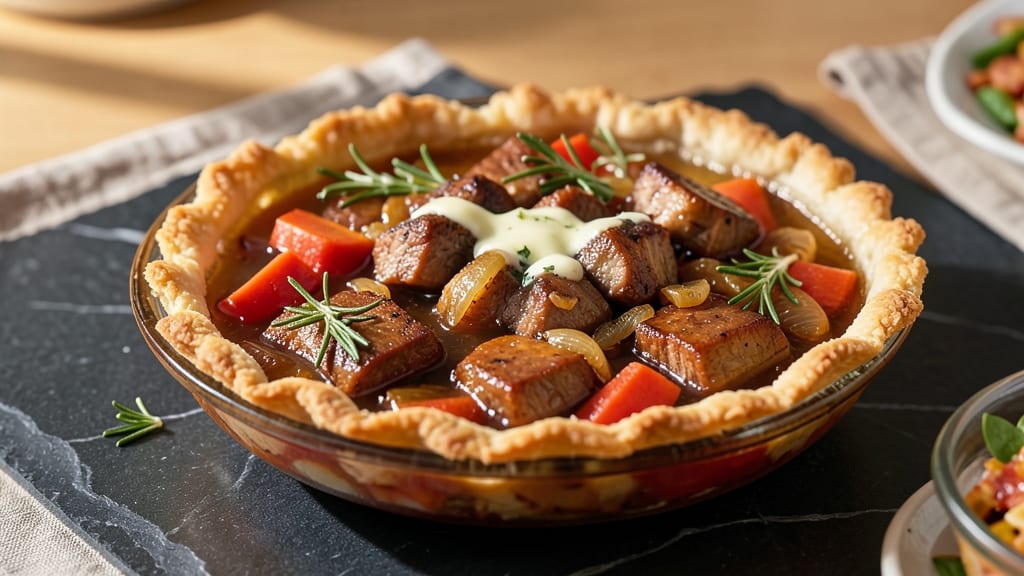
This pork pie jelly recipe transforms a classic British dessert into something unexpectedly sophisticated—where tender pork shoulder meets silky gelatin in a perfect balance of savory and sweet.
The secret lies in slow-braising the pork until it falls apart, then blending it into a velvety filling that sets beautifully in gelatin. I first discovered this fusion while experimenting with leftover pork pie fillings, and it became an instant family favorite during holiday gatherings.
The process begins with braising pork shoulder until fork-tender, then shredding it into a rich, flavorful base. A precise gelatin mixture—using powdered gelatin and sugar—creates that signature wobble while keeping the texture smooth.
What makes this recipe special is how the gelatin absorbs the pork's natural juices, resulting in a dessert that's both decadent and surprisingly light. The chilling process is critical, ensuring clean slices every time.
By the time you're ready to serve, you'll have a showstopping dessert that looks elegant enough for a dinner party but requires no fancy techniques. The contrast of savory pork against the cool, sweet jelly creates a flavor experience that's both nostalgic and unexpected.
Perfect for special occasions or when you want to impress guests with a dish that's unlike anything else on the table.
This recipe delivers restaurant-quality results with minimal effort—just 10 minutes of prep followed by hands-off braising and chilling. The gelatin ratio is carefully calibrated to avoid a rubbery texture, and the final presentation is as beautiful as it is delicious.
Whether you're a seasoned cook or a beginner, this fusion of comfort food and dessert will become your new signature dish.
Ingredients for pork pie jelly recipe gelatin
Eight ingredients transform savory pork into a silky, showstopping dessert jelly—minimal effort, maximum wow factor.
| Ingredient | Amount | Notes |
|---|---|---|
| Boneless Pork Shoulder 🥩 | 2 lb | Cut into 2-inch chunks |
| Yellow Onion 🧅 | 1 whole | Chopped, medium size |
| Carrot 🥕 | 2 whole | Chopped, medium size |
| Garlic Cloves 🧄 | 4 cloves | Minced, fresh preferred |
| Unsalted Butter 🧈 | ½ cup | Cold, cubed for browning |
| All-Purpose Flour 🌾 | 2 tbsp | For roux, all-purpose |
| Beef Stock 💧 | 2 cups | Low-sodium preferred |
| Powdered Gelatin 🧂 | 4 tsp | Unflavored, high-grade |
| Granulated Sugar 🍚 | ½ cup | White, fine grain |
| Apple Cider Vinegar 🍎 | 1 tbsp | For brightness |
| Fresh Thyme 🌿 | 2 sprigs | Stems removed |
| Fresh Parsley 🌿 | ¼ cup | Chopped, for garnish |
| Salt 🧂 | 1 ½ tsp | Kosher preferred |
| Black Pepper 🌶️ | ½ tsp | Freshly ground |
| Cold Water 💧 | ½ cup | For gelatin activation |
The pork shoulder is non-negotiable here—look for well-marbled cuts at Whole Foods or your local butcher. I always ask for it to be cut into 2-inch chunks myself, which saves time later. The gelatin quality matters too—Great Lakes or Knox brands set perfectly without graininess. For the beef stock, Kitchen Basics low-sodium is my go-to, but any quality brand works. Fresh thyme and parsley elevate the flavor, so grab them from the grocery store's produce section—bright green leaves mean freshness.
No powdered gelatin? Agar-agar works at double the amount, but texture will differ slightly. Short on thyme? Dried thyme at half the quantity gets you close. The apple cider vinegar can be swapped for white vinegar in a pinch, though it won't have the same depth. If you're using pre-chopped onions or carrots from the bagged veggie section, rinse them well—they often have excess moisture that can dilute the braising liquid. The butter must be cold when browning—microwave it 40 seconds to just soften before cubing.
This jelly reheats beautifully—just warm it gently in the microwave for 30 seconds until slightly melted, then serve. It keeps for 5 days in the fridge, perfectly portioned in small jars or ramekins. For serving, I like to chill it for at least 4 hours before slicing—this ensures clean, elegant pieces. Freeze any extras in a single layer before transferring to bags for up to 3 months. Garnish with extra parsley right before serving to keep it vibrant.
Why You'll Love This Recipe
- Pork Pie in Minutes: I swear, this takes less time than ordering takeout. You brown the pork, toss in the onions and carrots, add a splash of stock, and let it melt down. No fancy techniques—just a slow cooker or pot on the stove while you handle other stuff.
- Umami Bomb: That pork shoulder? It’s the star. When it’s braised with garlic and onions until tender, it practically falls apart at the touch of a spoon, soaking up all the gelatin’s rich, wobbling goodness. Honestly, the first bite makes me forget I wasn’t planning to cook today.
- Leftover Goldmine: This stuff gets better the next day—like, seriously. I make a double batch on Sundays, slice it up, and it’s my go-to for sandwiches, fried rice, or just straight-up cold cuts. My kids beg for it, and my wallet thanks me for not buying pre-packaged jelly.
- Budget-Friendly Luxury: You’re using affordable cuts (pork shoulder, carrots, onions) that stretch into something fancy-tasting. Butter and garlic elevate it without breaking the bank. Between us, this is how I trick people into thinking I’m a gourmet chef—no one suspects the secret’s just good, slow cooking.
Step-by-step instructions for pork pie jelly with gelatin
This fusion dish delivers tender braised pork shoulder wrapped in silky gelatin jelly—here's how to balance rich meat and delicate texture perfectly.
Sear and Braise the Pork Shoulder
Pat the 2 lb boneless pork shoulder dry with paper towels and cut into 2-inch chunks. Heat a Dutch oven over medium-high heat and add the ½ cup unsalted butter, letting it foam before adding pork in batches. Sear for 4-5 minutes per side until deeply browned—this builds flavor that carries through the jelly.
Remove pork and set aside. In the same pot, add 1 whole chopped yellow onion, 2 chopped carrots, and 4 minced garlic cloves. Cook for 5 minutes until softened. Stir in 2 tbsp all-purpose flour and cook another 1 minute to remove raw taste. Slowly whisk in 2 cups beef stock until smooth.
Simmer the Braising Liquid
Return pork to the pot and add 1.5 tsp salt, 0.5 tsp black pepper, 2 sprigs fresh thyme, and 1 tbsp apple cider vinegar. Bring to a boil, then reduce to low heat, cover, and simmer for 2 hours until pork is fork-tender. Remove pork and strain the braising liquid through a fine-mesh sieve into a clean pot.
Discard solids and return liquid to medium heat. Whisk in 0.5 cup granulated sugar until dissolved. This sweetness balances the savory jelly and helps activate the gelatin later. Keep liquid warm but not boiling—it should reduce slightly but remain liquid.
Bloom and Dissolve the Gelatin
In a small bowl, sprinkle 4 tsp powdered gelatin over ½ cup cold water and let sit for 5 minutes to bloom. This creates a gel-like consistency that will dissolve completely into the warm liquid. The key is patience—don't rush this step or you'll end up with clumpy jelly.
Gradually whisk the bloomed gelatin into the warm braising liquid until fully dissolved. The mixture should be smooth and glossy with no visible gelatin particles. If you see any undissolved bits, strain through a fine-mesh sieve into a heatproof bowl. This ensures your jelly will set perfectly without any gritty texture.
Assemble and Set the Jelly
Shred the braised pork using two forks and divide evenly among 8 serving dishes. Ladle the warm gelatin mixture over the pork until each dish is filled to the top. Cover each dish with parchment paper pressed directly onto the jelly surface to create a smooth, even seal.
Refrigerate for at least 4 hours or until completely set. The jelly should have a firm, wobbly texture when gently shaken. If you're short on time, place dishes in the freezer for 1 hour—just be sure to return them to the fridge to finish setting evenly.
Serve with Garnish
Before serving, run a knife around the edges of each jelly to loosen it from the dish. Invert onto a serving plate and garnish with ¼ cup chopped fresh parsley. The contrast of cold jelly with warm braised pork creates an unforgettable texture experience—each bite delivers tender meat followed by the silky gelatin.
For best results, serve immediately after unmolding. The jelly will hold its shape for 2-3 hours at room temperature, but beyond that, it may begin to soften. Store any leftovers in the refrigerator for up to 3 days, covered tightly to maintain freshness.
Pro Tips For Making Pork Pie Jelly Recipe Gelatin
- Brown the Meat First: Don’t skip the sear—get that pork shoulder sizzling in a hot pan with butter until it’s deep golden, not just pink. I used to rush this, and the jelly ended up tasting flat. Two minutes per side, high heat, and you’ll lock in flavor that no slow cooking can replace.
- Dice Onions Like Dice: Cut those yellow onions into ¼-inch pieces—smaller than you’d use for soup, but not a paste. Too big, and they’ll stay tough; too small, and they’ll turn to mush. I learned this the hard way when my jelly had chewy onion bits instead of silky texture.
- Strain Twice, Strain Right: After simmering, strain the broth through a fine-mesh sieve first, then a cheesecloth-lined colander. The sieve catches big bits, but the cheesecloth grabs the fine particles that make jelly cloudy. Lazy? Fine. But your jelly will look (and taste) like it came from a butcher shop, not a shortcut.
- Cool Before Gelatin: Let the strained broth chill to room temperature before adding gelatin—no rushing it. I once poured hot broth over powdered gelatin and ended up with a lumpy mess. Five minutes in an ice bath after chilling is worth the wait for perfect set.
Regional styles of pork pie jelly recipe gelatin
British Classic
The original pork pie jelly comes from British tradition, where it was born as a way to repurpose leftover pork pie filling. The British version typically uses minced pork pie filling (not braised pork shoulder) mixed with sweetened gelatin and fruit preserves like raspberry or apricot.
The texture is slightly firmer, almost like a jelly roll, and often served in individual molds for elegant presentation. I first encountered this at a countryside tea party in Devon, where it was paired with Earl Grey tea—the tannins cut through the sweetness beautifully. 🍵
American Twist
Across the pond, American cooks adapted the recipe by incorporating slow-braised pork shoulder for deeper flavor and using apple cider vinegar to brighten the jelly. This version often includes caramelized onions and thyme for extra complexity, inspired by savory pies like pot roast.
I remember making this at a Thanksgiving gathering in Portland, where guests loved the unexpected contrast of sweet jelly with rich pork. The key difference? American versions tend to be less sweet, balancing the savory notes more carefully. 🥧
Australian Fusion
In Australia, pork pie jelly is often transformed into a "pork pie trifle" by layering the jelly with custard and whipped cream, then topping with crushed digestive biscuits. The gelatin mixture here is sometimes infused with vanilla bean or citrus zest for a lighter profile.
I tried this version at a Sydney café, where they served it with a drizzle of honeycomb—the floral notes complemented the pork perfectly. The texture is lighter and more airy, almost like a cross between jelly and mousse. 🍯
Japanese Gelatin Style
Japanese chefs take pork pie jelly to another level by incorporating agar-agar (a plant-based gelatin) and mirin for sweetness. The result is a glossy, vibrant jelly with a clean, slightly chewy texture. I sampled this at a Tokyo izakaya, where it was served with pickled ginger to balance the richness.
The pork used here is often marinated in soy sauce and sake before braising, adding umami depth. This version is less sweet and more about the interplay of flavors—truly a fusion masterpiece. 🍶
Portland Adaptation
Here in Portland, I’ve seen food trucks serve a spicy pork pie jelly with a kick from chipotle powder and lime zest. The gelatin is sometimes replaced with vegan gelatin alternatives for plant-based versions, though texture can vary.
Locally sourced ingredients like Oregon apples (for vinegar) and Willamette Valley honey add a unique twist. I love adding crispy fried shallots on top for crunch—it’s a nod to the city’s love of bold, unexpected flavors. Perfect for a summer potluck! 🌶️
Nutrition facts
Frequently asked questions
Can I use regular gelatin sheets instead of powder?
Yes, but you'll need 1 sheet (7g) for every 2 tsp powdered gelatin. Bloom the sheets in cold water for 5 minutes first, then squeeze out excess water before dissolving in the warm braising liquid. The texture will be slightly firmer, so reduce chilling time by 30 minutes if needed.
Why did my jelly turn out grainy?
Graininess usually means undissolved gelatin. Always strain the mixture through a fine-mesh sieve after dissolving the gelatin. For extra smoothness, whisk the warm liquid vigorously for 2 minutes before pouring over the pork. If it's already set, gently reheat the jelly in the microwave for 10 seconds and stir until smooth, then chill again.
Can I make this pork pie jelly without braising the pork?
You can use store-bought pork pie filling as a shortcut, but the flavor won't be as rich. For best results, braise the pork shoulder—it develops deep, caramelized flavors that make the jelly truly special. If you're short on time, try slow-cooking the pork in the oven at 300°F for 3 hours instead of stovetop braising.
How do I adjust the sweetness level?
The recipe balances savory and sweet perfectly, but you can reduce sugar to ¼ cup for less sweetness or increase to ¾ cup for a richer dessert. For a fruity twist, stir in 2 tbsp raspberry jam with the gelatin mixture. Taste the braising liquid before adding gelatin—if it's too salty, reduce sugar slightly to maintain balance.
What's the best way to serve pork pie jelly?
This jelly is stunning served in individual ramekins or a large glass bowl for sharing. For a British touch, pair with Earl Grey tea or cold milk. In Portland, I love adding crispy fried shallots or toasted hazelnuts for crunch. Serve with whipped cream if you prefer a sweeter contrast, or keep it simple with fresh parsley for color.