
Main Courses
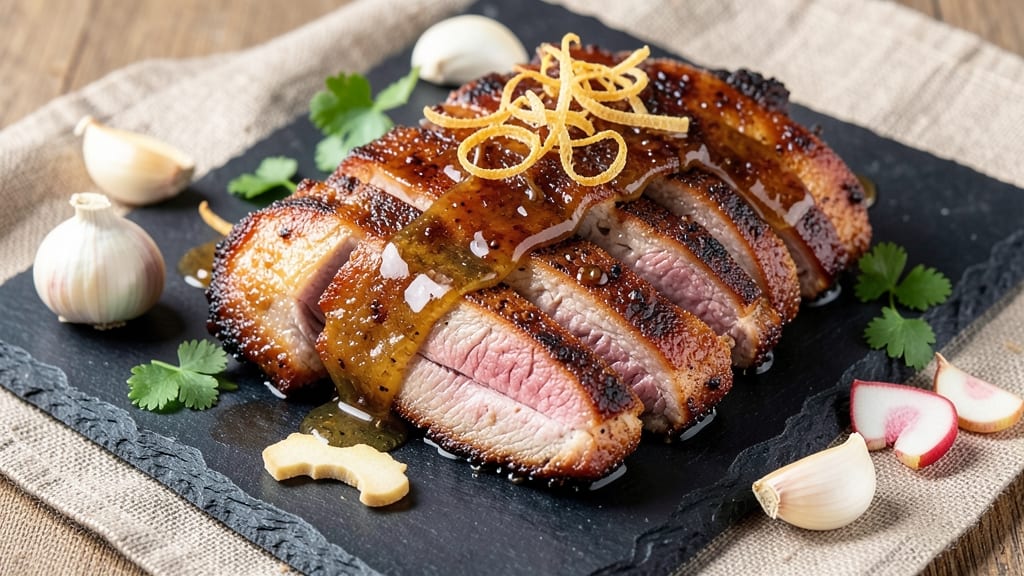
This Filipino-style pork pata hamonado transforms tough pork into melt-in-your-mouth perfection using pineapple juice's magic. 🌟 The sweet-tart marinade tenderizes the meat while creating that signature glossy caramelized crust - a dish that tastes like home.
I first made this during a busy week when I needed a meal that could feed a crowd without hours of prep.
The secret lies in the pineapple juice - it breaks down collagen for tender meat while adding just the right balance of sweetness to complement the savory flavors. We'll slow-roast the pork until it's fall-apart tender, basting frequently with that flavorful juice.
This method ensures every bite delivers both texture and depth of flavor that makes it worth the wait.
What you'll end up with is a centerpiece-worthy dish that's rich, caramelized, and packed with layers of flavor. The pork develops a beautiful glossy sheen from the pineapple reduction, while the meat stays incredibly tender.
This is the kind of meal that makes your kitchen smell like a Filipino feast and leaves everyone asking for seconds.
Serve it alongside steamed rice and grilled vegetables for a complete meal that feels both special and comforting. The pineapple glaze pairs beautifully with the simplicity of rice, letting the pork take center stage. Here's how to make this restaurant-quality dish at home.
Ingredients for pork pata hamonado recipe with pineapple juice
Pineapple juice, soy sauce, and tender pork shoulder create this Filipino masterpiece—sweet, savory, and irresistibly glossy.
| Ingredient | Amount | Notes |
|---|---|---|
| Pork Shoulder (Pata) 🥓 | 3 lb | Bone-in, cut into 2-inch chunks |
| Pineapple Juice 🍍 | 1 ½ cups | Freshly squeezed, no pulp |
| Soy Sauce 🍶 | ½ cup | High-quality, preferably Japanese |
| Brown Sugar 🍚 | ½ cup | Packed, light brown preferred |
| Garlic Cloves 🧄 | 6 cloves | Minced, fresh preferred |
| Fresh Ginger 🌿 | ½ cup | Finely grated, peeled |
| Black Peppercorns 🌶️ | 1 tsp | Freshly cracked, coarse |
| Bay Leaves 🍃 | 2 whole | Dried, standard size |
| Olive Oil 🫒 | 2 tbsp | Extra-virgin, for searing |
| White Vinegar 💧 | 1 tbsp | For balancing sweetness |
| Salt 🧂 | 1 ½ tsp | Kosher or sea salt |
| Water 💧 | 1 cup | For deglazing |
| Fresh Pineapple Chunks 🍍 | 1 cup | For garnish, optional |
The pork shoulder is non-negotiable here—bone-in, cut into 2-inch chunks for maximum flavor. Filipino markets often carry pre-cut pata, but most grocery stores stock pork shoulder. Look for good marbling—it ensures juicy meat. Fresh pineapple juice is ideal, but canned juice works in a pinch. For the best soy sauce, Kikkoman or Yamasa are reliable choices, but any good-quality brand will do. The ginger should be freshly grated—pre-grated loses potency fast. If you can't find fresh, powdered ginger at half the amount works, though texture suffers.
No fresh pineapple juice? Coconut water or extra water with a splash of lemon keeps the dish balanced. Running short on soy sauce? Coconut aminos or tamari work well. The brown sugar can be swapped for white sugar plus a pinch of cinnamon for depth. Black peppercorns are key—they add warmth that cuts through the sweetness. If you only have ground pepper, double the amount. The bay leaves are traditional but optional; skip them if you're out. For extra richness, add 1 tbsp of coconut milk to the braising liquid. The pineapple chunks for garnish are purely decorative but add a nice fresh contrast.
This dish tastes even better the next day—reheats beautifully in a 350°F oven for 20 minutes. Store leftovers in the fridge for up to 5 days or freeze for 3 months. I always make extra—it's perfect for meal prep. To serve, spoon the pork over steamed rice and drizzle with the reduced pineapple glaze. The glaze thickens as it cools, so warm it gently before serving for the best texture. Garnish with fresh pineapple chunks right before eating to keep them crisp.
Why You'll Love This Recipe
- I swear by this: just toss the pork in pineapple juice, soy sauce, and brown sugar, then let it sit. No measuring cups, no fancy techniques—just let the flavors meld while you do other stuff. (Yes, even on a Tuesday night.)
- No-Fuss Marinade Magic: I swear by this: just toss the pork in pineapple juice, soy sauce, and brown sugar, then let it sit. No measuring cups, no fancy techniques—just let the flavors meld while you do other stuff. (Yes, even on a Tuesday night.)
- Sweet-Savory Balance: That caramelized brown sugar and tangy pineapple juice? It’s the kind of combo that makes you go back for thirds. The garlic cloves add a punch, but the pineapple keeps it bright—not heavy, not boring.
- Leftovers That Don’t Suck: Honestly, this recipe makes way more than you’ll eat in one sitting, and that’s a win. The meat stays juicy when reheated, so it’s perfect for packed lunches or lazy dinners. (My kids actually ask for it the next day.)
Step-by-step instructions for Filipino-style braised pork with pineapple glaze
Here's how to transform tough pork shoulder into melt-in-your-mouth hamonado with a glossy, sweet-tart sauce.
🔥 Step 1: Sear the Pork Shoulder for Deep Flavor
Heat a large Dutch oven over medium-high heat until hot. Add the 2 tbsp olive oil and swirl to coat the bottom. Working in batches, add the 3 lb pork shoulder (pata) cut into 2-inch chunks, arranging them in a single layer. Let them sear undisturbed for 3-4 minutes until deeply golden brown on one side.
Here's the thing—this searing step isn't just about browning. The Maillard reaction creates complex flavors that will infuse into your braising liquid. Flip the pork pieces and sear the other sides for another 3-4 minutes. Once all pieces are golden, remove them from the pot and set aside. You want them to finish cooking gently in the braising liquid, not toughen from over-searing.
🍳 Step 2: Build the Sweet-Savory Braising Base
In the same Dutch oven, reduce heat to medium and add the 6 cloves minced garlic cloves and 0.5 cup finely grated fresh ginger. Sauté for 1-2 minutes until fragrant—you should smell that sharp, zesty aroma. Be careful not to burn them; garlic turns bitter quickly.
Add the 0.5 cup brown sugar, stirring to coat the garlic and ginger. Let it caramelize slightly for 1 minute—this adds depth to your sauce. Then pour in the 0.5 cup soy sauce and 1.5 tsp salt, scraping up any browned bits from the bottom with a wooden spoon. This deglazing captures all those precious meaty flavors.
🥘 Step 3: Braise Until Fork-Tender
Return the pork to the pot and add the 1.5 cups pineapple juice, 1 cup water, 1 tbsp white vinegar, 1 tsp black peppercorns, and 2 whole bay leaves. Stir gently to combine, then bring to a simmer over medium heat. Once simmering, reduce heat to low, cover partially with a lid, and let it cook for 2-2.5 hours.
This is where patience pays off. You want the pork to become fork-tender, falling apart easily when pierced with a fork. Every 30 minutes, give it a gentle stir to ensure even cooking. The sauce should reduce to a glossy consistency, coating the pork in that signature sweet-tart glaze. If it looks too thin, uncover and simmer uncovered for 10-15 minutes to thicken it further.
🍽️ Step 4: Finish with Pineapple and Garnish
Once the pork is fork-tender, remove it from the braising liquid and transfer to a serving platter. Strain the braising liquid through a fine-mesh sieve into a saucepan and bring to a gentle simmer over medium heat. Add the 1 cup fresh pineapple chunks and simmer for 3-4 minutes until heated through.
Ladle the pineapple-infused sauce over the pork, arranging the pineapple chunks artistically on top. Garnish with extra pineapple chunks if desired. The contrast of tender pork with the bright, tangy pineapple creates a perfect balance of textures and flavors. Serve immediately with steamed rice to soak up every last bit of that delicious sauce.
Pro Tips For Making Pork Pata Hamonado Recipe With Pineapple Juice
- Sear First, Simmer Slow: The pork shoulder won’t caramelize properly if you toss it straight into the sauce. Hit it with a hot pan—2 tablespoons of oil, high heat—until deep golden brown on all sides. That crust locks in flavor and keeps the meat from turning into mushy rubber.
- Reduce That Juice: Pineapple juice is the star, but too much leaves you with a watery glaze. After simmering, let it reduce by half—uncovered, on medium heat—until it’s syrupy enough to coat the back of a spoon. (Yes, even if you’re tempted to skip this.)
- Skip the Crowding: If you pile garlic cloves and pork shoulder too close in the pan, they’ll steam instead of brown. Work in batches—sauté the garlic first until fragrant, then add the meat in a single layer. Overcrowding makes for pale, bland bites.
- Balance the Sweet-Salty: Brown sugar and soy sauce are a match made in heaven, but too much sugar can make the sauce cloying. For every ½ cup of brown sugar, use ¼ cup soy sauce—then taste as you go. Adjust with a splash of vinegar if it’s too sweet.
Creative variations of these flavors
Spicy Pineapple Twist
For a kick, add 1 tbsp of Calabrian chili paste or 2 tsp of sriracha to the braising liquid. This Filipino-inspired heat balances beautifully with the sweet pineapple. I like to add it with the soy sauce and brown sugar at the beginning.
The chili paste adds depth without overpowering the dish—trust me, it’s a game-changer for those who love a little spice. 🌶️
Coconut Milk Upgrade
Swap out ½ cup of the pineapple juice for ½ cup coconut milk to create a creamier, richer sauce. This works especially well if you’re serving it with rice—it adds a luxurious texture that feels like a restaurant-quality dish.
I often use full-fat coconut milk for maximum richness, but light coconut milk works too if you’re watching calories.
Slow Cooker Adaptation
If you’re short on time, this dish translates beautifully to a slow cooker. After searing the pork, transfer everything to your slow cooker and cook on low for 8 hours or high for 5 hours. The slow cooker does the heavy lifting, and you’ll still end up with tender, flavorful pork. Just
Grilled Pineapple Glaze
For a smoky twist, grill the pineapple chunks before adding them to the sauce. Brush them with a little olive oil and grill over medium-high heat for 2-3 minutes per side until charred. The smoky flavor adds an unexpected depth that pairs perfectly with the braised pork. It’s a simple step that makes the dish feel even more special.
Vegetable-Packed Version
Add 1 cup of sliced bell peppers and 1 cup of sliced onions to the Dutch oven when you return the pork to the pot. They’ll soften during the braising process and add a nice crunch and sweetness to the dish.
I like to use a mix of red and green bell peppers for color and flavor contrast. It’s a great way to sneak in extra veggies without sacrificing the dish’s richness.
Quick-Pickled Onions
For a tangy garnish, make quick-pickled onions by thinly slicing 1 red onion and soaking it in ¼ cup rice vinegar and 1 tsp sugar for 15 minutes. Drain and pat dry before serving over the pork.
The bright acidity cuts through the sweetness of the pineapple glaze and adds a refreshing crunch. It’s a simple trick that elevates the dish instantly. ✨
Nutrition facts
Frequently asked questions
Why does pineapple juice make the pork so tender?
The pineapple juice contains bromelain, a natural enzyme that breaks down tough muscle fibers in the meat. This tenderizes the pork while adding that signature sweet-tart flavor. The longer it braises, the more the enzyme works its magic, resulting in melt-in-your-mouth texture.
Can I use canned pineapple juice instead of fresh?
Yes, but fresh is ideal! Canned pineapple juice works in a pinch, but it may contain added sugar or preservatives that alter the balance. If using canned, choose 100% pineapple juice with no additives. For extra depth, add 1 tsp lemon juice to mimic fresh acidity.
How do I know when the pork is fully cooked?
The pork is done when it's fork-tender and easily pulls apart. Insert a meat thermometer into the thickest piece—it should read 195-203°F (the collagen breaks down at these temps, creating that signature glossy crust). If it's not tender enough, return it to the pot with ¼ cup extra pineapple juice and simmer for another 30 minutes.
Can I make this in an oven instead of a Dutch oven?
Use an oven-safe Dutch oven or heavy pot. After braising for 1.5 hours, transfer to a 325°F oven for 30-45 minutes to finish cooking. This method works especially well for larger cuts. Just baste the pork with the pineapple glaze every 15 minutes to keep it moist.
What's the best way to reheat leftovers?
Reheat gently in a skillet with 1 tbsp pineapple juice over low heat for 5-7 minutes, stirring occasionally. Microwaving works too—cover with a damp paper towel and heat in 30-second bursts until warmed through. The sauce will thicken further, so add a splash of water if needed.