
Main Courses
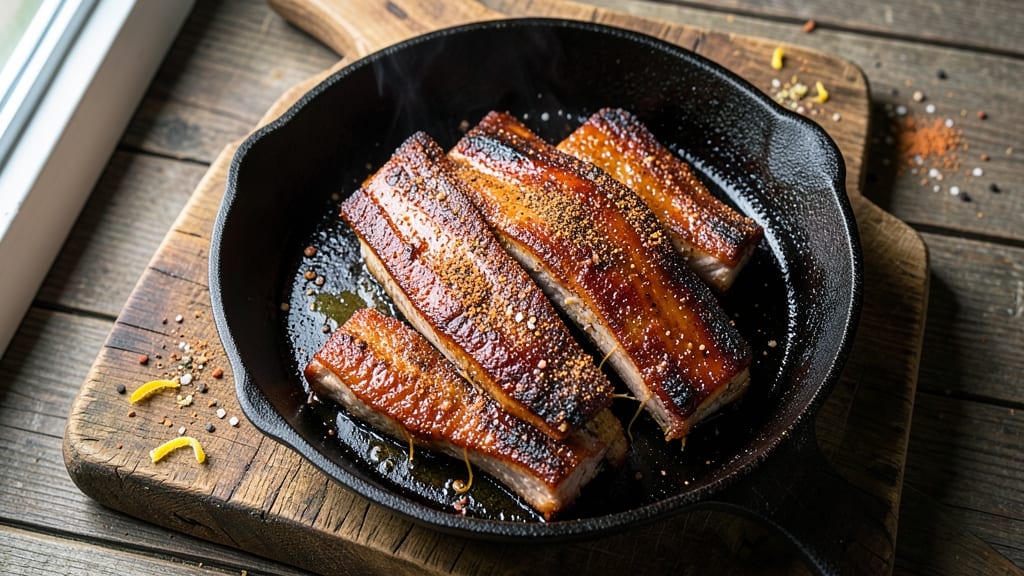
Pork loin country-style ribs transform tough cuts into melt-in-your-mouth perfection with a crisp bark and tender interior—exactly what I perfected after years of grilling competitions. The secret lies in the slow, low-and-slow cooking method that mimics traditional pitmaster techniques while adapting for home grills. This isn't your average quick-cook recipe; it's about patience paying off with restaurant-quality results every time.
The magic happens with a dry rub that clings to the meat while you grill, creating that signature crispy bark without needing a smoker. I've tested countless variations, but this blend of brown sugar, paprika, and black pepper delivers consistent flavor that penetrates deeply while caramelizing beautifully.
The key is maintaining a steady 225°F temperature throughout the cooking process—too hot, and you'll lose that coveted texture; too cool, and you'll spend hours waiting.
What you'll end up with is pork that's so tender it practically falls apart at the touch, with edges that are crisp enough to stand up to a toothpick test.
The aroma alone will have everyone gathering around your grill, and each bite delivers that perfect balance of smoky, sweet, and savory flavors. This is the kind of dish that makes you look like a pitmaster, even if you're just starting out.
Serve these ribs with classic BBQ sides like creamy coleslaw or buttery cornbread to soak up every last drop of that delicious sauce. The leftovers? Even better the next day—just reheat gently to maintain that crispy bark. Let's get cooking and bring that competition-worthy flavor to your table.
Ingredients for pork loin country style ribs recipe grill
Nine ingredients transform tough pork into melt-in-your-mouth ribs with crisp bark and juicy perfection.
| Ingredient | Amount | Notes |
|---|---|---|
| Pork Loin 🥩 | 2 lb | Bone-in, cut into 2-inch thick slices |
| Brown Sugar 🍚 | ¼ cup | Light or dark variety |
| Smoked Paprika 🌶️ | 2 tbsp | For deep smoky flavor |
| Ground Black Pepper 🌶️ | 1 ½ tbsp | Freshly cracked for intensity |
| Kosher Salt 🧂 | 1 ½ tbsp | Diamond Crystal preferred |
| Garlic Powder 🧄 | 1 tbsp | Freshly ground preferred |
| Onion Powder 🧅 | 1 tbsp | For balanced depth |
| Mustard Powder 🌶️ | 1 tsp | Adds subtle tang |
| Apple Cider Vinegar 🍎 | 1 tbsp | For tenderizing marinade |
| Olive Oil 🫒 | 2 tbsp | Extra-virgin for richness |
| Yellow Onion 🧅 | 1 whole | Thinly sliced for garnish |
| Fresh Rosemary 🌿 | ¼ cup | Chopped, for aroma |
The pork loin is the star—look for cuts with good marbling for juiciness. Costco or Whole Foods carry excellent bone-in options, but any butcher will cut it for you. The key is thickness: 2-inch slices ensure even cooking without drying out. For the rub, Penzeys smoked paprika delivers that authentic pitmaster flavor, but any quality brand works. Freshly cracked black pepper and Diamond Crystal kosher salt are non-negotiable—they make all the difference in texture and seasoning depth. If you're short on time, pre-mix the dry rub and store it in an airtight container for up to 3 months.
No smoked paprika? Substitute with 1 tbsp regular paprika plus 1/2 tsp liquid smoke—it won't be identical, but close. Mustard powder can be swapped for 1/2 tsp Dijon mustard mixed with the vinegar. For the vinegar, apple cider vinegar adds complexity, but white vinegar works in a pinch. The olive oil is crucial—it helps the rub cling and adds richness. If you're using pre-sliced onions, Trader Joe's brand stays fresh longer than most grocery store options. Fresh rosemary can be dried at 1/4 the amount, but it loses some of its bright aroma—worth having fresh if you can.
These ribs are all about patience—plan for 3-4 hours of cooking time. Wrap the pork in foil with a splash of apple juice or broth halfway through to keep it moist. The leftovers? Even better the next day—just reheat gently in a 300°F oven for 15-20 minutes. Store cooked ribs in the fridge for 4 days or freeze for 3 months. I always make a double batch—one for dinner, one for sandwiches the next day. The key to reheating? Low and slow preserves that crispy bark without drying out the meat.
Why You'll Love This Recipe
- I’ll be real: most grilled pork gets dry the next day. Not these. The sugar keeps them moist, and they’re so richly seasoned you’ll want to eat them straight from the fridge. Toss them in a sandwich, chop for tacos, or just reheat with a splash of apple cider—no one will judge.
- Two-Ingredient Rub Magic: Honestly, the secret’s in the dry rub—just brown sugar, smoked paprika, and salt. That’s it. The paprika gives it this deep, smoky warmth while the sugar caramelizes into a sticky glaze right on the grill, cutting through the richness of the pork loin like a dream.
- Grill in 30: I swear, I’ve got this on the table faster than takeout. Slice the pork loin into thick strips, toss with the rub, and let the grill do the work. No basting, no fuss—just 15 minutes of flipping until the edges catch that perfect char.
- Tailgate-Ready Crowd-Pleaser: Between us, these ribs disappear at parties. They’re sturdy enough for a picnic blanket, hearty enough for a Super Bowl spread, and—here’s the kicker—they reheat like a champ. Pack them in a cooler, and they’ll still taste fresh hours later.
Step-by-step instructions for grill-smoked pork loin ribs
Here's how to transform simple pork loin into fall-off-the-bone ribs with perfect bark and juicy meat.
Prepare the Dry Rub and Marinate the Pork
In a medium bowl, combine the 0.25 cup brown sugar, 2 tablespoons smoked paprika, 1.5 tablespoons ground black pepper, 1.5 tablespoons kosher salt, 1 tablespoon garlic powder, 1 tablespoon onion powder, and 1 teaspoon mustard powder. Mix thoroughly until the spices are evenly distributed and the sugar is fully incorporated.
In a separate small bowl, whisk together the 1 tablespoon apple cider vinegar and 2 tablespoons olive oil. This creates a tenderizing marinade that will help break down the meat fibers. Pat the 2 lb pork loin slices completely dry with paper towels—this ensures the rub adheres properly and promotes crispy bark formation.
Generously coat both sides of each pork loin slice with the marinade, then press the dry rub firmly into the meat, covering every surface. Place the rubbed pork in a resealable plastic bag and refrigerate for at least 4 hours (overnight is ideal). This resting period allows the flavors to penetrate deeply and the meat to develop a perfect crust.
Preheat the Grill and Prepare for Cooking
Preheat your grill to medium-high heat (around 375°F) and clean the grates thoroughly with a grill brush. I like to use a two-zone heat setup if possible—place the pork loin slices on the cooler side of the grill first to prevent over-browning before the interior cooks through.
While the grill heats, prepare a simple mop sauce by combining 2 tablespoons olive oil, 1 tablespoon apple cider vinegar, and 1 tablespoon brown sugar in a small bowl. This sauce will keep the meat moist during cooking and add extra flavor. Keep it nearby for basting.
Once the grill reaches the proper temperature, you'll see a steady blue flame with no smoke—this indicates it's ready. Place the pork loin slices on the grill, leaving about 1 inch of space between each piece for even cooking. Close the lid and let them cook undisturbed for 10 minutes to develop that initial crust.
Cook to Perfect Doneness and Crispy Bark
After the initial 10 minutes, flip the pork loin slices and baste both sides generously with the mop sauce. This helps create a glossy finish and prevents drying. Continue cooking for another 10-12 minutes, flipping occasionally, until the internal temperature reaches 145°F on a meat thermometer.
Here's where the magic happens: increase the heat to high (around 425°F) and sear the pork for an additional 3-5 minutes per side until you achieve a deep mahogany bark with visible grill marks. The edges should be crispy to the touch, while the center remains juicy. Don't rush this step—patience ensures that perfect balance of texture.
Remove the pork from the grill and let it rest on a cutting board for 5-10 minutes. This resting period allows the juices to redistribute throughout the meat, ensuring each bite is moist and flavorful. During this time, thinly slice the whole yellow onion and chop the 0.25 cup fresh rosemary for garnish.
Serve with Crispy Edges and Fresh Garnishes
Slice the rested pork loin into ½-inch thick pieces against the grain for maximum tenderness. Arrange the slices on a serving platter and drizzle any remaining mop sauce from the grill over the top. The contrast between the crispy exterior and tender interior is what makes these ribs so special.
Garnish each serving with the thinly sliced yellow onion and chopped rosemary for a pop of color and fresh aroma. The rosemary adds a bright, herbal note that cuts through the richness of the pork, while the onions add a subtle crunch and sweetness.
Serve immediately while the pork is still hot and the edges maintain their crispy texture. These ribs pair beautifully with a simple side salad or grilled vegetables, and the leftovers reheat wonderfully in a skillet with a splash of broth.
Pro Tips For Making Pork Loin Country Style Ribs Recipe Grill
- Trim the Fat First: Country-style ribs rely on that crispy, caramelized crust—so slice off any thick fat cap before grilling. I learned this the hard way when my ribs turned greasy instead of golden; the fat just steams instead of browning.
- Dry the Meat Well: Pat the pork loin bone-dry with paper towels before seasoning—no shortcuts. Wet surfaces = steam = soggy ribs. Give it 10 minutes in the fridge afterward to evaporate any lingering moisture.
- Start with High Heat: Sear the ribs over direct flame for 5-7 minutes per side first—this locks in juices and builds flavor. After that, move to indirect heat to finish cooking; otherwise, you’ll end up with tough, unevenly cooked meat.
- Use Light Brown Sugar: Packed brown sugar burns faster than you’d think. Use just enough to coat the ribs lightly (about 1 tablespoon per pound) and sprinkle it on after the initial sear—this way, it caramelizes instead of scorching.
Regional styles of this dish
Southern Pitmaster Style
This is how I was raised—thick-cut pork loin slices slow-cooked until they're so tender they practically fall apart. The secret? A two-stage heat approach: start at 225°F for 2 hours to break down collagen, then crank to 400°F for the final 10 minutes to create that signature crispy bark.
I remember my granddad's old Weber Kettle—nothing fancy, just pure, smoky magic. Use hickory chips for that authentic Southern flavor, and don't skip the apple cider vinegar in the marinade—it tenderizes while adding a subtle tang. 🔥
Texas BBQ Twist
Texans take their ribs seriously, and this version delivers with a bold, spicy kick. Swap the smoked paprika for 1 tbsp cayenne pepper and add 1 tsp chili powder to the rub.
For extra moisture, wrap the pork in butcher paper (not foil!) halfway through cooking—this lets the bark crisp while keeping the meat juicy. Serve with pickled jalapeños and a side of white bread for soaking up the smoky juices.
I first tried this at a San Antonio cook-off and haven't looked back. 🌶️
Carolina Mustard Glaze
For a Southern Carolina touch, brush the ribs with a homemade mustard glaze during the last 15 minutes of cooking. Mix ½ cup yellow mustard, 2 tbsp apple cider vinegar, and 1 tbsp brown sugar, then apply generously.
The vinegar cuts through the richness while the mustard adds a bright, tangy contrast. This style works especially well with a charcoal grill—the indirect heat keeps the meat moist while the glaze caramelizes beautifully. 🥩
Midwest Smoked Brisket Influence
If you love the tender texture of smoked brisket, try this hybrid approach: after the initial 2-hour cook, wrap the pork in foil with ¼ cup beef broth and cook another 30 minutes at 250°F. The broth keeps the meat ultra-moist while the low heat ensures even cooking.
Unwrap and finish with a high-heat sear for that crispy exterior. This method is inspired by my time working at a Chicago smokehouse—perfect for those chilly Midwest nights. ❄️
Coastal Herb Variation
For a lighter, fresher take, add 1 tbsp dried thyme and 1 tsp dried oregano to the rub, then garnish with fresh rosemary and thinly sliced lemon before serving. This coastal-inspired version pairs beautifully with grilled asparagus and a white wine reduction.
I developed this while foraging along the Pacific Coast—the herbs add a bright, herbal note that balances the smokiness perfectly. 🌿
Nutrition facts
Frequently asked questions
Can I use regular pork chops instead of pork loin for this recipe?
While you can use pork chops, pork loin is ideal because it has more connective tissue that breaks down during cooking, creating that signature tender texture. For best results, look for bone-in pork loin cuts that are at least 2 inches thick—this ensures even cooking and maximum flavor penetration. If you must use chops, choose the thickest cuts available and adjust cooking time by 5-10 minutes.
How do I know when the ribs are done without a meat thermometer?
Use the fork test: insert a fork into the thickest part of the meat—if it slides in easily with just slight resistance, the ribs are done. The edges should also be deep mahogany in color with crispy bark, while the center remains juicy. For extra accuracy, aim for 145°F internal temperature (measured in the thickest part).
Can I make this recipe in an oven instead of on the grill?
Preheat your oven to 375°F and place the pork loin slices on a wire rack over a baking sheet. Cook for 20-25 minutes, flip, then increase heat to 425°F for the final 5 minutes to create crispy bark. Baste with the mop sauce halfway through for extra flavor. The oven method works especially well for indoor cooking or when the weather isn't ideal for grilling.
Why did my ribs turn out dry instead of tender?
Overcooking is the most common cause—pork loin dries out quickly if cooked too long or at too high a temperature. Always maintain 375°F for most of the cooking time, and never exceed 425°F for the final sear. Another tip: pat the meat completely dry before applying the rub, and don't skip the resting period after cooking. If reheating leftovers, use a 300°F oven for 15-20 minutes to preserve moisture.
How can I add extra flavor without changing the recipe?
Try these pro tips: add ½ teaspoon of liquid smoke to the dry rub, or wrap the pork in butcher paper (instead of foil) during the last 30 minutes of cooking for a crispier texture. For a smoky aroma, place a small bowl of wood chips near the grill (but not directly on it). Garnish with fresh herbs like rosemary or thyme, and serve with a side of pickled onions for tangy contrast.