
Main Courses
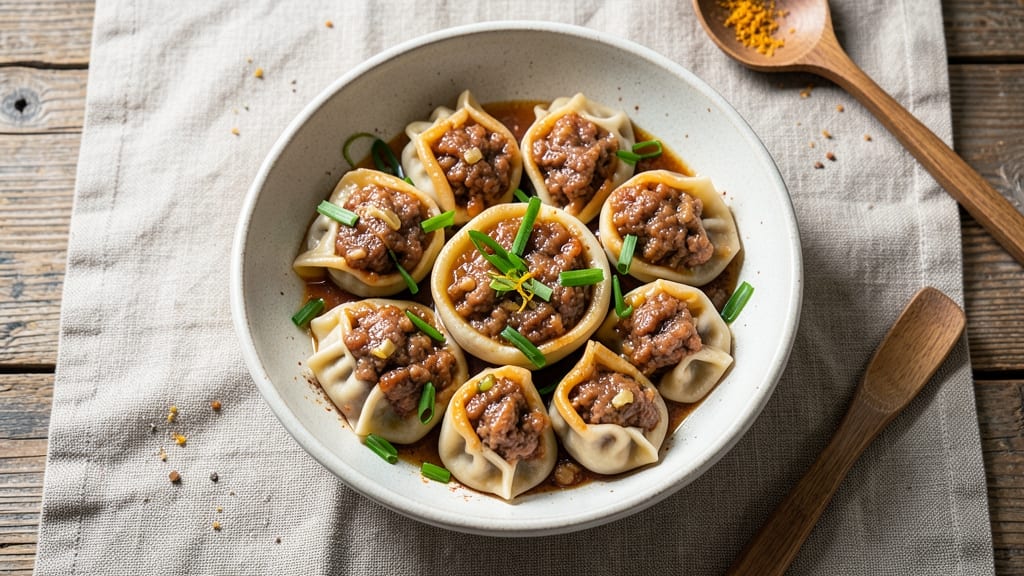
This steamed pork dumplings recipe delivers the perfect balance of juicy filling and delicate wrappers—every bite reveals tender pork bursting with flavor, all encased in a silky, handmade wrapper. The secret lies in proper dough hydration and a finely chopped filling that stays moist during steaming.
I've refined this technique over years, ensuring each dumpling achieves that signature melt-in-your-mouth texture while maintaining structural integrity. What sets these dumplings apart is the two-stage cooking process: first, a quick parboil to set the wrappers, then gentle steaming to preserve moisture in the filling.
The pork mixture combines ground pork with aromatics like ginger and garlic, plus a touch of cornstarch to bind everything together without making the filling dense. This method transforms a simple protein into something restaurant-quality at home.
By the time you're done, you'll have a steaming basket of dumplings with golden-brown pleats, tender yet slightly chewy wrappers, and filling that's so juicy it practically melts in your mouth.
The aroma alone will have everyone gathered around your kitchen—this is comfort food at its finest, made even better by the satisfaction of creating it yourself. Perfect for family dinners, potlucks, or special occasions, these dumplings reheat beautifully too.
Let's get started on mastering this classic technique that's been bringing tables together for generations. The process is methodical but rewarding, with each step designed to ensure your first batch turns out perfectly.
Ingredients for pork dumpling recipe steamed
Fresh pork and delicate flour transform into dumplings that balance juicy filling with silky wrappers.
| Ingredient | Amount | Notes |
|---|---|---|
| Ground Pork 🐖 | 1 lb | Freshly ground, not pre-seasoned |
| All-Purpose Flour 🌾 | 2 cups | For wrappers, low protein preferred |
| Water 💧 | 1 ¼ cups | Room temperature for dough |
| Garlic Cloves 🧄 | 4 cloves | Minced finely for filling |
| Fresh Ginger 🌿 | 1 ½ tbsp | Finely grated, aromatic |
| Green Onions 🧅 | 3 whole | Thinly sliced, white and green parts |
| Cornstarch 🌾 | 1 tbsp | For binding filling moisture |
| Soy Sauce 🍶 | 2 tbsp | Light or dark, for umami |
| Sesame Oil 🫒 | 1 tsp | Toasted, for aroma |
| Salt 🧂 | ½ tsp | Diamond Crystal preferred |
| Black Pepper 🌶️ | ¼ tsp | Freshly cracked |
| Vegetable Oil 🫒 | 1 tbsp | For dough rolling |
The ground pork should be freshly processed—pre-seasoned or frozen pork loses moisture during steaming. Look for 80% lean, 20% fat at your butcher or grocery store's meat counter. For the flour, King Arthur or Bob's Red Mill all-purpose work best—they're finely milled and low in protein, which keeps the wrappers tender. If you can't find fresh pork, substitute pork shoulder and grind it yourself for better texture. The ginger and garlic are non-negotiable here; freshly grated ginger has more punch than powdered, and mincing the garlic finely ensures it distributes evenly throughout the filling.
No sesame oil? Toasted peanut oil at half the amount works in a pinch, though the flavor will differ slightly. The soy sauce can be swapped for coconut aminos if you're avoiding soy, but the umami depth will be noticeably lighter. For the wrappers, if you're short on flour, add a pinch of cornstarch to the dough—it helps prevent stickiness. The green onions add freshness, but if you're out, substitute scallions or even finely chopped celery. Pro tip: Chill the dough for 30 minutes before rolling—it makes the wrappers easier to handle and prevents them from sticking to your rolling pin.
Store the raw dumpling filling in an airtight container in the fridge for up to 2 days, but the wrappers are best used fresh. If you're prepping ahead, wrap the dough in plastic and refrigerate for up to 4 hours—any longer and it starts to dry out. Once steamed, these dumplings reheat beautifully in a steamer basket or microwave with a damp paper towel. They're also freezer-friendly: steam them, then freeze on a tray before transferring to a bag. Reheat from frozen in the steamer for 8-10 minutes—the filling stays juicy, and the wrappers regain their chew.
Why You'll Love This Recipe
- No Fuss Wrapping: I swear by the "pinch-and-fold" method—no fancy dumpling molds here. Just shape the pork-ginger-garlic filling into little logs, wrap in tiny flour sheets, and steam. My hands get floury, but the dumplings? Perfect every time.
- Umami Bomb: That minced garlic and ginger sizzling in the pork? Chef’s kiss. The aroma alone makes my kitchen smell like a dim sum stall, and the first bite—juicy, savory, with just a hint of heat—is why I keep making this.
- Lunchbox Hero: Between us, these dumplings are my secret weapon for packed lunches. Steam a batch Sunday, let them cool, and they reheat beautifully in the microwave. My kids still ask for them even when I forget to pack them.
- Budget-Friendly Staple: Ground pork stretches far, and flour costs pennies. Honestly, I make these when I’m trying to feed the family without breaking the bank—plus, they freeze like a dream. Thaw and steam whenever hunger strikes.
Step-by-step instructions for steamed pork dumplings
Here's how to craft dumplings with tender wrappers and a filling so flavorful it practically melts in your mouth.
Prepare the Silky Dough
In a large bowl, combine the 2 cups all-purpose flour and 0.5 teaspoon salt. Make a well in the center and pour in the 1.25 cups room-temperature water. Using a fork, gently mix until the dough begins to form clumps, then switch to your hands to knead for 5-7 minutes until smooth and elastic.
The dough should feel soft but not sticky—if it clings to your fingers, add 1 teaspoon more flour at a time. Wrap tightly in plastic wrap and let rest for 30 minutes at room temperature. This resting period relaxes the gluten, making the wrappers tender and pliable. I like to cover the bowl with a damp towel to prevent drying while it rests.
Make the Juicy Filling
In a separate bowl, combine the 1 lb ground pork, 4 cloves minced garlic, 1.5 tablespoons finely grated ginger, 3 whole green onions (thinly sliced), 2 tablespoons soy sauce, 1 teaspoon toasted sesame oil, 0.25 teaspoon black pepper, and 1 tablespoon cornstarch. Mix gently with your hands until just combined—overworking the pork makes it tough.
The cornstarch here is key—it binds the filling while steaming, preventing it from turning mushy. For extra flavor, I like to press the pork mixture into a compact disc before cutting into small pieces. This ensures each dumpling gets a generous filling without bursting the wrapper. Cover and chill the filling for 15 minutes while you roll out the dough.
Roll and Cut the Wrappers
Divide the rested dough into 4 equal pieces and roll each into a thin log about 1/8-inch thick. Cut each log into 10 pieces (you should have about 40 pieces total). Dust your work surface with a little flour to prevent sticking—this is where most home cooks struggle, so take your time.
For perfect circles, use a 3-inch round cutter (or a glass of that size). Press firmly but evenly—any thickness variations will cause some dumplings to cook unevenly. Keep the unused dough covered with a damp towel to prevent drying. The wrappers should be thin enough to see light through them but not so delicate they tear when filled.
Assemble and Steam to Perfection
Place 1 teaspoon of filling in the center of each wrapper. Dip your finger in water and moisten the edge, then pleat the wrapper in half, pressing gently to seal. Twist the top and bottom edges to create the classic half-moon shape, pinching tightly to prevent leaks. Arrange the dumplings on a parchment-lined tray, leaving 1 inch between each.
Bring a steamer basket to a rolling boil over medium-high heat. Add the dumplings in a single layer (don't overcrowd) and steam for 12-14 minutes until the wrappers are translucent and the filling is cooked through. The key is steady heat—don't peek! Every time you lift the lid, you lose heat and steam, which can make the dumplings tough.
Serve with Confidence
Transfer the steamed dumplings to a plate and let rest for 2 minutes before serving. This brief rest allows the juices to redistribute, ensuring each bite is packed with flavor. Serve warm with a drizzle of toasted sesame oil or a side of black vinegar dipping sauce for that authentic touch.
Each dumpling should have a delicate wrapper that gives way to a burst of juicy pork filling—no dry bites here. The filling should be tender but still hold its shape slightly, with bright notes of garlic, ginger, and umami from the soy sauce. If any dumplings leak during steaming, simply adjust the filling amount next time—less is often more when working with delicate wrappers.
Pro Tips For Making Pork Dumpling Recipe Steamed
- Chill the Pork First: I used to skip this, but after making dumplings with warm pork, they’d always split when steaming. Give the ground pork 30 minutes in the fridge before mixing—it tightens the texture and keeps those edges sealed during cooking. (Yes, even if you’re impatient like me.)
- Mince Ginger Like You Mean It: Fresh ginger is non-negotiable here, but don’t just chop it—use a microplane or knife to grind it into a paste. That way, it melts into the pork filling instead of sitting as chunks. I learned this the hard way when my dumplings tasted like they were hiding a surprise.
- Steam in Batches—Don’t Overcrowd: Stuffing the steamer to the brim? Bad idea. Leave space between dumplings so steam circulates—crowding turns them soggy. I now use a bamboo steamer with a single layer, and they come out light and airy every time.
- Add a Splash of Cold Water: The dough gets tough when overworked, but a tablespoon of ice water in the flour mix keeps it supple. I was skeptical until I tried it—now I swear by it for dumplings that don’t crack when folded. (Your future self will thank you.)
Creative variations of this dish
Chinese Steamed Buns
Transform your dumplings into Chinese-style steamed buns by omitting the filling and replacing it with a sweet or savory paste.
Mix ½ cup red bean paste with 1 tbsp brown sugar for a classic version, or use 1 cup finely chopped pork and shrimp with 1 tsp oyster sauce for a savory twist.
Roll the dough into 2-inch circles, fill with ½ tsp paste, pleat into a half-moon, and steam for 10-12 minutes. The result is a fluffy, pillowy bun with a delicate texture—perfect for breakfast or dessert. 🥟
Japanese Gyoza Twist
For a Japanese-inspired gyoza, fold your dumplings into crescent shapes instead of pleats. Use a 3-inch round cutter for the wrappers, then place 1 tsp filling in the center and fold into a half-moon, sealing the edges with a tiny crimp.
Pan-fry these in 1 tbsp vegetable oil until golden before steaming for 8-10 minutes. The crispy bottom adds a satisfying contrast to the tender steamed top. Serve with a dipping sauce of soy sauce, rice vinegar, and chili oil. 🍜
Korean Mandu Adaptation
Elevate your dumplings with a Korean mandu touch by adding ½ cup finely chopped kimchi and 1 tbsp gochujang to the filling. The tangy, spicy kick complements the pork beautifully. Fold these into half-moon or square shapes (traditional for mandu) and steam for 12-14 minutes.
Garnish with sesame seeds and serve with a side of ssamjang (a spicy dipping sauce made with gochujang, soy sauce, and garlic). 🌶️
Vegetarian Option
Skip the pork and create a vegetarian-friendly version using 1 lb mushrooms (shiitake or cremini), 1 cup finely chopped cabbage, and 1 tbsp vegetarian oyster sauce. Sauté the mushrooms and cabbage until tender, then mix with 1 tbsp cornstarch and 1 tsp soy sauce to bind.
Assemble and steam as usual—this version is just as flavorful and satisfying. 🌱
Sweet and Savory Fusion
Get creative with a sweet and savory fusion by adding ¼ cup finely chopped pineapple and 1 tsp honey to the filling. The pineapple’s acidity brightens the pork, while the honey adds a subtle sweetness.
Fold into pleated dumplings and steam for 12 minutes. Drizzle with a honey-soy glaze (mix 1 tbsp honey and 1 tbsp soy sauce) before serving for extra depth. 🍯
Make-Ahead Freezer Hack
Prevent last-minute stress by prepping and freezing your dumplings ahead. Assemble the dumplings, then freeze them on a tray lined with parchment paper for 1 hour to set. Transfer to a freezer bag and store for up to 3 months.
When ready to steam, place frozen dumplings in the steamer basket (no need to thaw) and steam for 15-18 minutes, adding 2-3 minutes to the cooking time. The wrappers stay tender, and the filling remains juicy—no compromise on texture. ❄️
Nutrition facts
Frequently asked questions
Why do my steamed pork dumplings leak filling? Leaky dumplings usually mean one of two things: either the filling is too wet or the wrapper isn't properly sealed. The cornstarch in the filling helps absorb moisture, but if you overmix it or use too much liquid, the wrapper can't contain it. Also,
Can I make the dough ahead of time?
Wrap the finished dough tightly in plastic and refrigerate for up to 4 hours. Beyond that, it starts drying out. For longer storage, shape the dough into balls, place them in a freezer bag, and freeze for up to 1 month. Thaw overnight in the fridge before rolling. The key is keeping it airtight to prevent drying.
What's the best way to reheat leftover steamed dumplings?
Reheat in a steamer basket over medium heat for 5-7 minutes—this preserves the delicate texture. If you don't have a steamer, microwave them with a damp paper towel for 30-45 seconds (cover with a lid). Avoid frying or boiling, as these methods make the wrappers soggy. The wrappers should remain tender, not rubbery.
How do I fix dough that's too sticky?
If your dough feels too tacky, sprinkle it with 1 teaspoon flour at a time while kneading. Work it in gradually until the dough holds together without sticking. Pro tip: Chill the dough for 15 minutes in the fridge if it's still too soft—this firms it up. Overworking sticky dough adds gluten, making the wrappers tough, so take it slow.
Can I substitute ground pork with chicken?
You can try, but chicken won't give the same rich flavor or texture. If you must substitute, use ground chicken thigh (not breast) for juiciness, and add ½ teaspoon extra soy sauce plus 1 teaspoon sesame oil to compensate for the milder taste. The filling will be lighter, but the technique remains the same.