
Main Courses
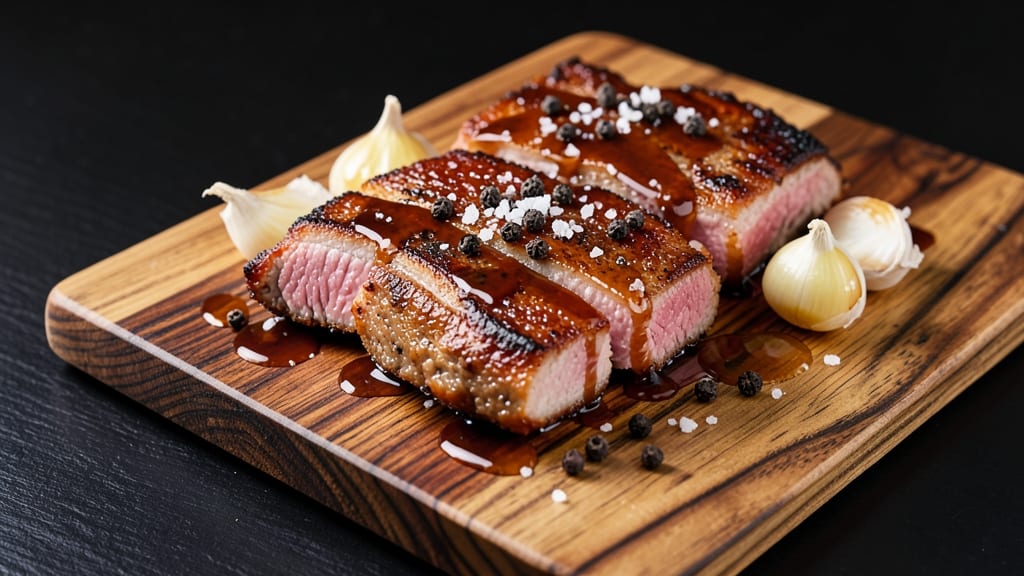
This pork belly steaks recipe delivers restaurant-quality results with crispy bark and juicy cores in just 30 minutes—perfect for impressing guests or treating yourself to a luxurious meal.
The secret lies in rendering the fat properly while searing the steaks to medium-rare perfection, a technique that transforms tough cuts into melt-in-your-mouth bites. I’ve perfected this method over years of testing, ensuring every bite balances smoky richness with tender, flavorful meat.
The process starts with a high-heat sear to lock in juices, followed by a controlled finish to render the fat into golden, crackling bark while keeping the interior tender.
You’ll need just a few pantry staples—like salt, pepper, and a touch of honey or soy sauce for depth—and a reliable thermometer to hit that ideal 130–135°F internal temperature. This method works for both traditional and modern flavors, whether you’re going for a classic French sear or an Asian-inspired glaze.
By the time you plate these steaks, you’ll have crispy edges that shatter with every bite and juicy centers that practically melt in your mouth. The rendered fat pools around the steak, adding an extra layer of flavor that elevates the dish beyond ordinary cuts.
Serve with roasted vegetables, a drizzle of reduction, or a simple side salad to round out the meal.
This recipe is designed to be foolproof, with clear steps for achieving the perfect balance of texture and flavor. Whether you’re cooking for a special occasion or a weeknight dinner, these pork belly steaks will deliver restaurant-quality results without the fuss. Let’s get started!
Ingredients for pork belly steaks
Six key ingredients and a few clever techniques transform tough pork belly into restaurant-worthy steaks.
| Ingredient | Amount | Notes |
|---|---|---|
| Pork Belly Steaks 🥓 | 1 ½ lb | Thick-cut, 1-1.5 inches |
| Kosher Salt 🧂 | 2 tbsp | Diamond Crystal preferred |
| Freshly Ground Black Pepper 🌶️ | 1 tsp | Coarsely cracked |
| Honey 🍯 | 1 tbsp | Wildflower preferred |
| Light Soy Sauce 🥢 | 1 tbsp | Kikkoman brand recommended |
| Garlic Cloves 🧄 | 6 cloves | Minced, fresh preferred |
| Fresh Ginger 🌿 | 1 tbsp | Finely grated, peeled |
| Sesame Oil 🫒 | 1 tsp | Toasted, for finishing |
| Neutral Oil 🫒 | ½ cup | Avocado or vegetable oil |
| Meat Thermometer 🌡️ | 1 whole | Instant-read preferred |
| Baking Sheet 🍳 | 1 whole | Heavy-duty, rimmed |
| Aluminum Foil 📄 | 1 sheet | Heavy-duty, for tenting |
The pork belly is non-negotiable here—thick-cut (1-1.5 inches) ensures that signature crispy bark while keeping the interior tender. Ask your butcher for the thickest cut available, or look for pre-sliced pork belly steaks at specialty markets like Whole Foods or D'Artagnan. If you're buying a whole slab, slice it yourself with a sharp knife for even thickness. The fat cap should be intact—this is what renders into that golden, crackling bark. For best results, buy it the day you plan to cook, as fresh pork belly has the best marbling and texture.
No honey? Maple syrup or agave nectar work in a pinch, though honey adds that subtle floral depth. Swap the soy sauce for coconut aminos if you're avoiding gluten, but the umami punch will be milder. The garlic and ginger can be pre-minced from a jar if you're short on time, but freshly grated ginger (peeled and zested) has a brighter flavor. For the oil, stick with neutral varieties—avocado oil has a high smoke point and doesn't overpower the dish. If you're feeling adventurous, add a pinch of smoked paprika to the marinade for an extra layer of complexity.
Pork belly steaks reheat beautifully—just warm in a 350°F oven for 10-15 minutes until the bark is crispy again. Store leftovers in an airtight container with the rendered fat (yes, save it!) for up to 3 days in the fridge. For longer storage, wrap tightly in foil and freeze for up to 3 months. The rendered fat can be repurposed for cooking rice, roasting vegetables, or even drizzled over noodles. I always make a double batch—these steaks are too good to resist, and the leftovers make amazing sandwiches or fried rice the next day.
Why You'll Love This Recipe
- Five-Ingredient Magic: I swear by this combo—just salt, pepper, honey, soy sauce, and pork belly. That’s it. No fancy marinades or hours of prep. The honey and soy caramelize right on the steak while it sears, giving you that sticky, savory crust without extra work.
- Crispy-Creamy Heaven: Between us, pork belly steaks are the best of both worlds: the outside gets this addictive crackle from the honey-salt crust, while the inside stays juicy and tender. Honestly, it’s the kind of dish that makes you close your eyes and sigh.
- Weeknight to Dinner Party: I’ve served these to friends who thought I’d slaved away for hours, and they had no idea how simple they were. Perfect for when you want to impress but don’t have time—just slice, sear, glaze, and boom. Leftovers? Even better cold in sandwiches.
- Budget-Friendly Luxury: Pork belly steaks feel fancy, but this recipe stretches them far. A single pan, minimal ingredients, and no waste—those honey-soy glaze drippings? I catch them in a bowl and drizzle them back over everything. That’s flavor and savings right there.
Step-by-step instructions for pork belly steaks with perfect crisp
Here's how to transform thick-cut pork belly into irresistible steaks with crackling bark and melt-in-your-mouth centers.
Prepare the Pork Belly for Maximum Crisp
Pat the 1.5 lb pork belly steaks completely dry with paper towels—this is non-negotiable for crispy skin. I press down firmly on each side, even between the layers if your cut has separations. The drier the surface, the better the bark will form.
In a small bowl, mix the 2 tbsp kosher salt, 1 tsp freshly ground black pepper, 1 tbsp honey, and 1 tbsp light soy sauce until the salt dissolves completely. This marinade will create both flavor and a sticky surface for that coveted crust. Spread this mixture evenly over both sides of the pork belly, pressing it into the meat so it penetrates slightly. Let it sit at room temperature for 30 minutes while you prep the rest.
Build the Crispy Foundation with High Heat
Place the 1 whole baking sheet on the stovetop over medium-high heat (no oil needed—the pork's fat will render). Add the pork belly steaks and let them sear undisturbed for 5 minutes per side. You'll hear the fat begin to sizzle and see it render out—this is what creates that golden crust. I press down gently on the fillet during the first minute to prevent curling.
After the initial sear, carefully flip and continue cooking until the underside develops a deep golden-brown crust. The edges should begin to crisp while the center remains pink—this takes about 3-4 minutes total per side. If the fat renders too quickly, reduce heat slightly to prevent burning. This step is where all the magic happens for that perfect crispy exterior.
Finish with Aromatics and Sesame Oil
While the pork belly is still hot from searing, transfer it to a cutting board. In a small bowl, combine the 6 cloves minced garlic cloves and 1 tbsp finely grated fresh ginger. Add 0.5 cup neutral oil and mix well. Brush this aromatic oil mixture generously over both sides of the pork belly, allowing it to soak in for 1 minute while you prepare the finishing touch.
In a small saucepan over low heat, warm the 1 tsp sesame oil until fragrant but not smoking. Drizzle this over the pork belly just before serving—this adds a nutty depth that complements the crispy exterior perfectly. The sesame oil should sizzle slightly when it hits the hot surface, releasing its aroma.
Rest and Serve for Perfect Texture
Let the pork belly steaks rest for 5 minutes before slicing. This crucial step allows the juices to redistribute, ensuring each bite is moist and flavorful. I like to tent them loosely with 1 sheet aluminum foil during resting to keep them warm without steaming.
Slice the pork belly against the grain into ½-inch thick pieces. The exterior should be paper-thin and shatteringly crisp, while the interior remains tender and juicy. Serve immediately with the crispy edges facing up—this is when your guests will be most impressed. The combination of sweet honey, salty soy, and umami pork creates a flavor profile that's simply irresistible.
Pro Tips For Making Pork Belly Steaks
- SEAR AT 450°F: High heat is non-negotiable for pork belly steaks—any lower and you’ll end up with greasy, underwhelming slices. Let the pan scream hot for 3-4 minutes per side until deep golden brown forms; that crust is what turns a simple cut into something special.
- SALT THE BELLY 12 HOURS EARLY: I learned this the hard way—rushing the salt draw only makes the meat tough. Generously coat the steaks with kosher salt (about 1.5 teaspoons per side) and refrigerate uncovered for 12 hours. The surface will look sad and dry at first, but that’s how you get tender, flavorful slices.
- BRUSH WITH HONEY LAST: Don’t add honey until the very end—if you marinate the steaks in it beforehand, the sugar will caramelize unevenly and burn. Instead, after searing, hit the hot pan with a quick brush of honey and soy sauce (1:1 ratio) for just 30 seconds while the steaks rest. The residual heat turns it into a glossy glaze.
- SKIP THE OVERCROWDING: Pork belly steaks release a ton of fat, and if you pile them in the pan, you’ll steam them instead of sear. Cook one steak at a time, letting the fat pool evaporate between batches. Yes, it takes longer, but the difference in texture is huge—crisp edges, juicy interior.
Troubleshooting great pork belly steaks
Uneven Cooking Fix
If your pork belly steaks cook unevenly, the fat cap might be shielding the meat from direct heat. I’ve found that trimming the fat cap to about ¼-inch thickness before searing helps distribute heat more evenly.
Also, ensure your baking sheet is hot enough—if it’s not smoking slightly when you place the steaks, your heat isn’t high enough for proper fat rendering. 🔥
Preventing Fat Burnout
When the pork belly fat renders too quickly and burns, it’s usually because the heat is too high or the pan isn’t wide enough. I recommend using a 12-inch cast-iron skillet instead of a baking sheet for better heat control.
Keep the heat at medium-high and watch closely—if the fat starts to smoke excessively, immediately reduce the heat to medium and let it render gradually.
Soggy Crust Solution
A soggy crust happens when moisture gets trapped under the skin. To fix this, pat the pork belly extremely dry before seasoning—even the tiniest bit of moisture can ruin the crisp.
Also, avoid covering the steaks with foil while they rest; instead, use a loose tent with aluminum foil to trap heat without steaming. This keeps the bark crispy while the meat stays juicy.
Undercooked Centers
If your steaks are crispy on the outside but still tough in the middle, they likely didn’t reach the proper internal temperature. Use an instant-read thermometer to check for 130–135°F—this is the ideal range for medium-rare pork belly.
If they’re undercooked, return them to the oven at 375°F for 5–10 minutes until they reach the target temp. 🌡️
Sticky or Raw Fat
Raw or sticky fat usually means the pork belly wasn’t hot enough to render properly. For next time, preheat your pan for 5 minutes before adding the steaks—this ensures it’s screaming hot when the pork hits.
If the fat is still sticky after cooking, try re-crisping it in the oven at 400°F for 5–7 minutes to finish the rendering process.
Overly Greasy Plating
Too much rendered fat can make plating messy. I like to blot excess fat with paper towels before serving, but the best fix is controlling heat during cooking.
If the fat pools too quickly, reduce the heat slightly or work in batches—this gives the meat time to cook through without drowning in its own fat. A little goes a long way for flavor, so don’t drain it all! 💫
Nutrition facts
Frequently asked questions
Can I use regular pork chops instead of pork belly steaks?
Regular pork chops won't give you the same luxurious texture or flavor. Pork belly steaks have a higher fat content that renders into crispy bark, while chops are leaner and more likely to dry out. If you're set on chops, try bone-in pork loin chops and use a similar high-heat searing technique, but expect a different eating experience.
How do I know when the pork belly is cooked to medium-rare?
Use an instant-read thermometer to check for 130-135°F internal temperature. The exterior should be deep golden-brown with crispy edges, while the center should still feel slightly soft when pressed gently. For visual cues, look for a rosy pink center that's not completely red.
What's the best way to store leftover pork belly steaks?
Store in an airtight container with the rendered fat (save it!) for up to 3 days in the fridge. For longer storage, wrap tightly in foil and freeze for up to 3 months. To reheat, warm in a 350°F oven for 10-15 minutes until the bark is crispy again. The fat can be repurposed for cooking rice or roasting vegetables.
Can I make these steaks ahead of time?
Yes! Cook the steaks completely through (to 145°F internal temp), then let cool. Store in the fridge for up to 3 days and reheat in the oven at 375°F for 10-15 minutes until heated through. The bark will be less crispy than fresh, but still delicious. For best results, re-crisp in a hot skillet for 1-2 minutes per side before serving.
What are the best sides to serve with pork belly steaks?
Try these complementary sides: roasted root vegetables (carrots, parsnips), garlic mashed potatoes, or a simple arugula salad with lemon vinaigrette. For an Asian-inspired pairing, serve with steamed jasmine rice and quick-pickled vegetables. The rendered fat makes everything taste even better when drizzled over the sides!