
Main Courses
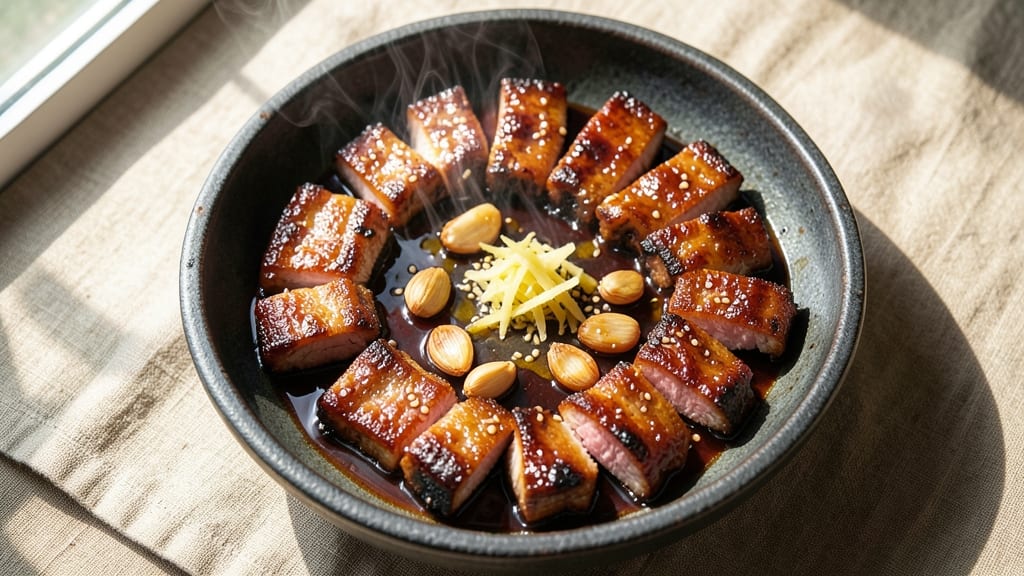
This Korean style pork ribs recipe transforms tough cuts into melt-in-your-mouth perfection with a smoky-sweet glaze that locks in every juicy bite. After years perfecting the balance between tender meat and caramelized crust, I've developed a method that delivers restaurant-quality results at home.
The secret lies in marinating ribs overnight in a blend of soy, garlic, and brown sugar, then slow-cooking them until they fall apart with just a gentle touch.
The marinade does more than flavor—it tenderizes the meat while building a sticky, caramelized crust during cooking. We'll use a combination of grilling and braising to ensure the ribs stay moist inside while developing that coveted charred exterior.
This approach creates ribs with layers of flavor: savory from the soy, sweet from the caramelized glaze, and a subtle smokiness that lingers on your palate.
By the time you're done, you'll have ribs that are tender enough to pull apart with your fingers yet sturdy enough to hold up to chopsticks. The glaze should be thick and glossy, clinging to every surface while still allowing the natural flavors of the pork to shine through.
These ribs pair beautifully with steamed rice, quick-pickled vegetables, or a side of kimchi to round out the meal.
What makes this recipe truly special is how it balances traditional Korean techniques with approachable home cooking methods. The slow cooking process ensures maximum tenderness, while the final glaze adds that signature sweet-savory flavor profile that makes these ribs irresistible.
Let's get started on creating ribs that will have everyone asking for seconds.
Ingredients for korean style pork ribs
These 13 ingredients create melt-in-your-mouth ribs with a perfect smoky-sweet glaze.
| Ingredient | Amount | Notes |
|---|---|---|
| Pork Ribs (Baby Back) 🍖 | 3 lb | Bone-in, meaty ends preferred |
| Soy Sauce 🥢 | ½ cup | Korean or Japanese preferred |
| Brown Sugar 🍚 | ½ cup | Packed, light or dark |
| Garlic Cloves 🧄 | 6 cloves | Minced or finely grated |
| Ginger Root 🌿 | 1 tbsp | Freshly grated, peeled |
| Sesame Oil 🫒 | 1 tbsp | Toasted, for aroma |
| Rice Vinegar 🍶 | 2 tbsp | White or seasoned |
| Gochujang (Korean Red Pepper Paste) 🌶️ | 2 tbsp | For smoky heat |
| Honey 🍯 | 2 tbsp | Wildflower preferred |
| Olive Oil 🫒 | 2 tbsp | For grilling |
| Salt 🧂 | 1 ½ tsp | Kosher or sea salt |
| Black Pepper 🌶️ | 1 tsp | Freshly ground |
| Sesame Seeds 🌾 | 1 tbsp | Toasted, for garnish |
The ribs are everything here—baby back gives you that ideal balance of meat and bone. Look for cuts with good marbling, which means they'll stay juicier during cooking. Costco or local butchers often have the best quality, but any grocery store ribs will work if they're fresh. If you can't find baby back, spare ribs are a solid backup, though they might need a bit more cooking time. The key is to avoid ribs with a strong gamey smell, which means they're past their prime. For the marinade, Korean soy sauce adds depth, but Japanese works just as well—just make sure it's not low-sodium unless you're adding extra salt later.
No gochujang? Substitute with 1 tbsp sriracha plus 1 tbsp tomato paste for heat and tang. Running short on sesame oil? Toasted peanut oil works too, though it'll have a different flavor profile. The honey can be swapped for maple syrup if you're avoiding it, but honey helps with that signature caramelization. For the garlic and ginger, fresh is best, but jarred minced garlic in a pinch will work—just taste it first to make sure it's not too salty. If you're feeling adventurous, add 1 tsp of fish sauce to the marinade for an extra umami punch, though it's optional.
Marinate the ribs overnight for best results, but if you're short on time, at least 4 hours will help. The glaze thickens as it cooks, so keep an eye on it—add a splash of water if it gets too dry. These ribs reheat beautifully; just warm in the oven at 300°F for 10-15 minutes with a splash of water to keep them moist. Store leftovers in an airtight container for up to 4 days, or freeze for 3 months. The glaze freezes well, so you can make extra and save it for next time.
Why You'll Love This Recipe
- Five-Ingredient Magic: The pantry staples you already own—soy sauce, brown sugar, garlic—do all the heavy lifting. No fancy marinades or last-minute shopping runs here.
- Sweet-Savory Balance: That caramelized brown sugar glaze? It’s the star. The garlic and ginger cut through the richness while the ribs stay tender—like a hug in bite form.
- Leftovers That Win: These ribs reheat like a dream, whether tossed in a bowl for a quick lunch or stacked on toast the next morning. (Yes, even cold, they’re still good.)
- Weeknight Hero: One sheet pan, 45 minutes, and zero stress. The kids can set the timer while I stir the sauce—minimal effort for maximum flavor. (And cleanup? Almost none.)
Step-by-step instructions for Korean style pork ribs
Here's how to make ribs that balance smoky-sweet glaze with tender, juicy meat every time.
Prep and Season the Ribs
Start by patting the 3 lb pork ribs dry with paper towels—this helps the marinade cling and creates better browning later. Place them in a large bowl and mix together 0.5 cup soy sauce, 0.5 cup brown sugar, 6 cloves minced garlic cloves, and 1 tbsp freshly grated ginger root. Rub this mixture all over the ribs, making sure to get into the crevices.
In a small bowl, whisk together 2 tbsp rice vinegar, 2 tbsp gochujang, 2 tbsp honey, 1 tbsp sesame oil, 1.5 tsp salt, and 1 tsp black pepper. Pour this over the ribs and toss gently to coat evenly. Cover and refrigerate for at least 4 hours (overnight works best)—this lets the flavors penetrate deeply and tenderizes the meat.
Grill the Ribs to Perfect Doneness
Preheat your grill to medium-high heat (about 375°F). Brush the grates clean with a paper towel dipped in olive oil to prevent sticking. Place the ribs on the grill, bone-side down first, and cook for 10-12 minutes until you see grill marks form. Flip carefully and cook another 10-12 minutes, basting occasionally with the marinade from the bowl.
For the final 5-7 minutes, flip the ribs back to the bone-side down. This helps render fat and keeps the meat moist. You'll know they're done when the internal temperature reaches 195°F (use a meat thermometer) and the meat pulls away from the bone easily. If using an oven, wrap the ribs in foil and bake at 300°F for 1 hour after grilling.
Glaze and Finish
Increase the grill heat to high (about 450°F). Brush the ribs generously with any remaining marinade from the bowl. Let them cook uncovered for 3-5 minutes until the glaze caramelizes to a glossy, sticky finish. Watch closely—the sugar in the glaze burns quickly, so keep a spray bottle of water handy to adjust heat if needed.
Transfer the ribs to a cutting board and let them rest for 10 minutes before slicing. Sprinkle with 1 tbsp toasted sesame seeds just before serving. The ribs should be tender enough to pull apart with a fork, with a glossy, slightly sticky glaze that balances sweet, smoky, and tangy flavors. Serve with steamed rice and quick-pickled vegetables for a complete meal.
Pro Tips For Making Korean Style Pork Ribs
- SEAR THE BONE FIRST: Get that pan screaming hot—we’re talking smoke curling up—and sear the ribs bone-side down for 3-4 minutes before flipping. I used to skip this, and the sauce never stuck like it should. The crust locks in flavor and keeps them from falling apart later.
- GRATE THE GINGER FINE: Skip the minced ginger—grate it fresh and fine, like you’re making kimchi. The surface area matters more than you’d think, especially when it’s simmering with soy and sugar. My grandmother swore by this, and it actually changes the outcome.
- DON’T RUSH THE GLACE: After the ribs hit the sauce, let them sit uncovered for 5 minutes—yes, even if you’re impatient like me. The sugar needs time to caramelize and coat the meat, not just pool at the bottom. Crowd the pan, and you’ll end up with soggy ribs.
- USE A THICK CUT OF GARLIC: Peel those cloves whole, smash them with the side of your knife, and leave the skins on. They’ll infuse the sauce without turning it into garlic paste. I was skeptical until I tried it—now I never go back.
Regional styles of this recipe
Korean BBQ Style
This is the classic approach I grew up admiring at Korean BBQ restaurants, where ribs are marinated in a sweet-savory blend and grilled to perfection. The key here is the gochujang—it adds that signature smoky heat while balancing the sweetness.
I like to grill these ribs over charcoal for that authentic smoky flavor, but a gas grill works too if you keep the lid closed to trap heat. The marinade should be sticky enough to cling to every surface, creating that caramelized crust we all love. 🔥
Japanese-Inspired Yakitori
For a lighter, more delicate version, swap the gochujang for 1 tbsp mirin and 1 tbsp sake in the marinade. This creates a cleaner, more citrusy flavor profile that still delivers that signature Korean tenderness.
I often use baby back ribs cut into individual chops for this style, grilling them quickly over high heat to get those beautiful char marks. The glaze becomes more glossy and less sticky, perfect for serving with a side of steamed bok choy or cucumber salad. 🌿
Spicy Sichuan Fusion
If you love heat, this fusion takes Korean ribs to another level by adding 1 tbsp Sichuan peppercorns and 1 tsp chili crisp to the marinade. The peppercorns add that signature numbing sensation while the chili crisp brings intense heat.
I like to grill these ribs over hickory wood for extra depth, then finish with a drizzle of black vinegar for tang. This version pairs beautifully with sticky rice and pickled mustard greens to cut through the richness. 🌶️
Slow-Cooked Korean Galbi
For a more traditional Korean approach, try slow-cooking the ribs instead of grilling. After marinating overnight, I wrap the ribs in banchan paper (or heavy-duty foil) with a splash of rice vinegar and cook them in a 300°F oven for 2-3 hours until fork-tender.
The result is incredibly tender meat with a glossy, slightly sticky sauce that clings to every bite. This method is perfect for larger cuts like spare ribs and works beautifully with kimchi fried rice on the side. ⏰
Modern Korean Fusion
This is my personal favorite twist—adding 1 tbsp fish sauce and 1 tbsp lime juice to the marinade for a Southeast Asian-inspired flavor. The fish sauce adds umami depth while the lime keeps things bright.
I grill these ribs over fruitwood for a sweeter smoke profile, then finish with a sprinkle of toasted coconut flakes for texture. This version pairs perfectly with Thai basil rice and mango salsa for a fusion feast. 🌺
Regional Korean Variations
In Busan, you'll find ribs cooked with more gochugaru (Korean red pepper flakes) for extra heat, while Seoul-style ribs often include a touch of sesame paste in the marinade.
For a Jeju Island twist, add 1 tsp black pepper powder and grill over jeju green tea-infused charcoal for a unique herbal note. Each region brings its own spin, but the core technique—marinating, slow-cooking, and glazing—remains the same. 🗺️
Nutrition facts
Frequently asked questions
Can I use spare ribs instead of baby back ribs?
Yes, but expect a longer cooking time—spare ribs need about 1.5-2 hours more to reach the same tenderness. The meat will be slightly tougher, so focus on slow cooking at 275°F until fork-tender. The glaze works beautifully on both cuts, though baby back ribs have more meat per bone.
How do I adjust the heat level in the glaze?
For milder ribs, reduce gochujang to 1 tbsp and add 1 tsp honey extra. For extra heat, increase gochujang to 3 tbsp and add ½ tsp red pepper flakes. Always taste the marinade before applying—you can adjust while cooking if needed.
What's the best way to reheat leftover ribs?
Wrap ribs in foil with 1 tbsp water per pound and reheat at 300°F for 10-15 minutes. For crispy texture, broil for 2-3 minutes at the end. Never microwave—it makes the meat rubbery. Leftovers keep for 4 days refrigerated or 3 months frozen.
Can I make this in an oven instead of grilling?
After marinating, bake at 300°F for 2.5-3 hours on a wire rack (not touching the pan) until tender. Broil for 5 minutes at the end to caramelize the glaze. Use a meat thermometer—195°F internal temp is perfect.
Why did my ribs turn out dry?
Overcooking is the most common cause—ribs should reach 195°F, not 203°F+. Always cook bone-side down first to render fat. For extra moisture, wrap ribs in foil for the last 30 minutes of cooking. The glaze helps too—it locks in juices when properly applied.