
Main Courses
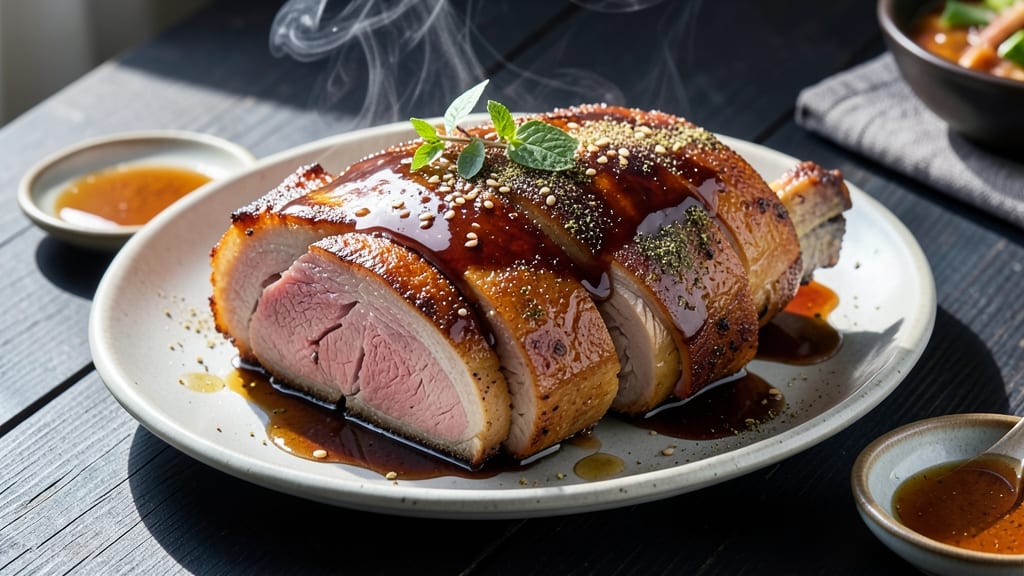
This Chinese pork roast recipe delivers restaurant-quality results in your home oven, transforming simple pork into tender, caramelized perfection. 🔥 After years of perfecting my grandmother's technique, I've developed a method that ensures juicy meat with crisp edges—no fancy equipment required.
The secret lies in a flavorful marinade and precise oven timing that creates that signature charred exterior while keeping the interior melt-in-your-mouth tender.
The beauty of this recipe is its adaptability—whether you're preparing for a family gathering or a weeknight dinner, the same technique delivers exceptional results. We'll use a blend of soy sauce, five-spice powder, and honey to create a marinade that penetrates deeply, while the oven's dry heat develops rich caramelization.
This method works beautifully with pork shoulder or tenderloin, making it versatile for any occasion.
By following this method, you'll achieve pork that's perfectly cooked through with a golden, caramelized crust that adds depth of flavor. The aroma alone will have everyone anticipating dinner, and each bite delivers that perfect balance of savory, slightly sweet, and aromatic spices.
This is comfort food at its finest—simple yet impressive, with a technique that's easy to master.
The best part? Leftovers reheat beautifully, making this an excellent meal prep option. Whether you're serving it with steamed rice and stir-fried vegetables or as part of a larger Chinese feast, this pork roast will be the star of the table. Let's get started on creating your own oven-braised masterpiece.
Ingredients for chinese pork roast recipe oven
Restaurant-quality pork roast starts with these carefully selected ingredients for tender, caramelized perfection.
| Ingredient | Amount | Notes |
|---|---|---|
| Pork Shoulder (Bone-In) 🐖 | 4 lb | Center-cut preferred for even cooking |
| Dark Soy Sauce 🥫 | ½ cup | Kikkoman preferred for authentic flavor |
| Light Soy Sauce 🥫 | ¼ cup | For balanced saltiness |
| Five-Spice Powder 🌶️ | 2 tbsp | Freshly ground preferred |
| Honey 🍯 | ¼ cup | Wildflower for floral notes |
| Sesame Oil 🫒 | 1 tbsp | Toasted for nutty aroma |
| Garlic Cloves 🧄 | 8 cloves | Minced for deep flavor infusion |
| Ginger Root 🌿 | 1 tbsp | Freshly grated, aromatic |
| Star Anise Pods 🌟 | 2 whole | For anise undertones |
| Cinnamon Sticks 🌿 | 2 whole | For subtle warmth |
| Bay Leaves 🌿 | 2 whole | Dried, aromatic |
| Cornstarch 🌾 | 2 tbsp | For crisp exterior |
| Neutral Oil 🫒 | 2 tbsp | Vegetable or canola |
| Sesame Seeds 🌾 | 2 tbsp | Toasted for garnish |
The pork shoulder is non-negotiable—bone-in, center-cut delivers the best balance of flavor and moisture. Whole Foods or Trader Joe's carry excellent cuts, but any reputable butcher will have what you need. Look for good marbling and vibrant color. For the soy sauces, Kikkoman is the gold standard, but any high-quality brand works. The five-spice powder should contain star anise, cloves, cinnamon, fennel, and Sichuan peppercorns—Penzeys or bulk bins at Asian markets are ideal. Fresh ginger and garlic elevate the marinade significantly, so invest in the freshest you can find. The star anise and cinnamon sticks add complexity but should be removed after cooking.
Need substitutions? Light soy sauce can be omitted if you prefer a darker roast, but the dark soy adds that signature color. Honey can be swapped for maple syrup (1:1 ratio), though it won't caramelize as beautifully. Running short on sesame oil? Toasted peanut oil works in a pinch, though the flavor profile shifts slightly. The cornstarch is crucial for that crisp exterior—don't skip it. If you can't find star anise or cinnamon sticks, ground versions at half the amount will suffice, though texture will differ. For the oil, avocado oil has a higher smoke point if you're concerned about browning.
Marinate the pork overnight for maximum flavor penetration, then pat dry before roasting. The cornstarch coating should be applied generously—this creates the signature crispy crust. Leftovers reheat beautifully in a 350°F oven for 10-15 minutes, covered with foil. Store in the fridge for up to 4 days or freeze for 3 months. For meal prep, portion into individual containers—each serving pairs perfectly with steamed jasmine rice and stir-fried bok choy. The roast's rich flavors intensify after resting, making it even more impressive the next day.
Why You'll Love This Recipe
- One-Pan Magic: I swear by this—just toss the pork shoulder on a sheet pan, slather it with that sticky-sweet soy-honey glaze, and walk away. The five-spice powder does all the work while you’re scrolling through your phone (or actually relaxing).
- Crispy-Caramel Perfection: That dark soy sauce? It’s the secret weapon—turns the edges into a glossy, crackly crust while keeping the inside tender. The honey balances the saltiness so well, you’ll want to lick the tray.
- Weeknight & Holiday Hero: Between us, this feeds six with ease but costs less than takeout. Serve it over rice for a quick weeknight dinner or slice it thin for potlucks—no one will guess it’s oven-only.
- Leftovers That Don’t Suck: Honestly, the flavor deepens the next day. I’ve reheated slices in a skillet with a splash of water, and they’re just as good—better, even. Plus, the bone-in version makes broth that’s worth saving.
Step-by-step instructions for Chinese pork roast
Here's the method for achieving melt-in-your-mouth tenderness with a caramelized crust.
👨🍳 Step 1: Prepare the Pork Shoulder and Marinade
Pat the 4 lb pork shoulder (bone-in) completely dry with paper towels—this is crucial for that signature crispy exterior. I press firmly in all directions, especially around the edges where moisture tends to linger. Place it fat-side up in a roasting pan.
In a small bowl, whisk together the 0.5 cup dark soy sauce, 0.25 cup light soy sauce, 2 tbsp five-spice powder, 0.25 cup honey, 1 tbsp sesame oil, 8 cloves minced garlic, and 1 tbsp freshly grated ginger root. Pour this marinade evenly over the pork, massaging it into the meat and into any crevices. Let it sit at room temperature for 30 minutes while you prepare the aromatics.
🍳 Step 2: Build the Aromatic Base
Preheat your oven to 325°F. In a small saucepan, combine 2 tbsp neutral oil, 2 whole star anise pods, 2 whole cinnamon sticks, and 2 whole bay leaves. Heat over medium-low for 2 minutes until fragrant—this creates the aromatic foundation for your roast. Remove from heat and let cool slightly.
Carefully pour this infused oil mixture over the pork, coating it evenly. Sprinkle the 2 tbsp cornstarch over the surface and gently rub it in. This creates a crispy exterior while keeping the meat juicy inside. Let the pork rest uncovered for 15 minutes at room temperature before roasting.
🔥 Step 3: Roast Until Fork-Tender
Place the pork in the preheated oven and roast for 3 hours. Here's the key: after the first 2 hours, flip the pork over so the fat cap is down. This renders the fat slowly, basting the meat and creating that beautiful caramelized crust.
Check the internal temperature after 2.5 hours—it should read 195°F at its thickest point. If it's not there yet, continue roasting. The meat should be fork-tender with just a slight resistance. If it's not quite there, add 15-30 minutes more at the same temperature.
🍽️ Step 4: Rest and Garnish
Remove the pork from the oven and transfer it to a cutting board. Tent loosely with foil and let it rest for 30 minutes. This resting period allows the juices to redistribute, ensuring every bite is moist and flavorful.
While it rests, heat a small skillet over medium heat and toast the 2 tbsp sesame seeds for 1-2 minutes until golden and fragrant. Sprinkle these over the sliced pork before serving. The pork should slice easily with a sharp knife, revealing juicy, caramelized meat with a glossy sheen from the reduced sauce.
Pro Tips For Making Chinese Pork Roast Recipe Oven
- Trim the Fat First: Scrape off all visible fat from the pork shoulder before roasting—it’s the fast track to crispy skin. I used to leave it on, and the crust would turn greasy instead of golden. A quick wipe with paper towels makes a real difference.
- Layer Sauces in Order: Start with dark soy sauce (for color), then light soy (for salt), and finish with honey—this keeps the glaze sticky and caramelized, not runny. I learned this the hard way after my first batch turned into a sticky mess.
- Skip the Crowding: Roast the pork on a wire rack over a tray—air circulates, and the skin crisps instead of steaming. I know, it’s less dramatic than a crowded pan, but the texture is worth it.
- Rest Before Slicing: Let the pork sit under foil for 10 minutes after roasting—this traps juices so every slice is moist. Cutting it too soon dries it out, and nobody wants that. (Yes, even if you’re impatient like me.)
Best sauces and condiments for this recipe
Classic Char Siu Glaze
This sweet-savory glaze is the secret weapon for that signature sticky, caramelized crust. Mix ½ cup hoisin sauce, ¼ cup honey, 2 tbsp dark soy sauce, 1 tbsp rice vinegar, and 1 tsp five-spice powder in a saucepan.
Simmer over medium heat for 5-7 minutes until thickened to a syrupy consistency. Brush this glaze over the pork during the last 30 minutes of roasting, basting every 10 minutes for maximum flavor penetration. 🔥
Spicy Chili Crisp Sauce
For a bold kick, blend ½ cup chili crisp (found in Asian markets), 2 tbsp dark soy sauce, 1 tbsp rice vinegar, and 1 tsp sesame oil until smooth. Drizzle this fiery sauce over sliced pork before serving—it adds a smoky, spicy contrast that cuts through the richness.
I like to serve it alongside the classic glaze so guests can choose their preferred heat level.
Garlic-Honey Drizzle
This lighter option balances the richness with bright, fresh flavors. Combine ¼ cup honey, 2 tbsp minced garlic, 1 tbsp rice vinegar, and 1 tsp toasted sesame oil in a small bowl.
Warm gently over low heat, then drizzle over sliced pork just before serving. The garlic adds a subtle punch while keeping the dish approachable for families. 💛
Sesame-Ginger Vinaigrette
For a tangy, herbaceous finish, whisk together 3 tbsp rice vinegar, 2 tbsp toasted sesame oil, 1 tbsp honey, 1 tbsp grated fresh ginger, and 1 tsp dark soy sauce.
Drizzle lightly over sliced pork and garnish with toasted sesame seeds. This works beautifully as a dipping sauce for spring rolls or as a palate cleanser between bites of rich pork.
Sweet Plum Sauce
My grandmother's go-to for special occasions, this sauce adds fruity depth. Simmer ½ cup plum sauce (like Lee Kum Kee brand), 1 tbsp dark soy sauce, and ½ tsp five-spice powder for 3 minutes.
The tartness of the plum sauce complements the pork's caramelized sweetness perfectly. I often serve this with steamed jasmine rice to soak up every last drop.
Creamy Coconut-Lime Dip
For a modern twist, blend ½ cup coconut milk, 2 tbsp lime juice, 1 tbsp honey, and ½ tsp chili flakes until smooth. This creamy dip pairs wonderfully with sliced pork and adds a refreshing contrast to the rich roast.
It's especially popular at summer gatherings where lighter flavors are preferred. ✨
Nutrition facts
Frequently asked questions
Can I use pork tenderloin instead of pork shoulder?
Pork tenderloin works but requires adjustments—it's leaner and cooks faster. Use a 3 lb tenderloin instead of 4 lb shoulder, reduce oven time to 2 hours, and check internal temp at 160°F (not 195°F). The marinade ratio stays the same, but skip the fat-side-down flip since there's no fat cap. Tenderloin stays juicier but won't develop the same crispy exterior.
What if I don't have five-spice powder?
Make your own by mixing 1 tsp each of cinnamon, cloves, fennel seeds, star anise, and Sichuan peppercorns (toasted and ground). If unavailable, use 1 tsp ground ginger + ½ tsp cinnamon as a basic substitute. The flavor won't be identical, but it'll still add warmth. For a simpler approach, just use 1 tsp garlic powder + ½ tsp cinnamon—it'll be more familiar but still delicious.
How do I avoid dry pork?
The key is low-and-slow cooking with proper resting. Never skip the 30-minute rest after roasting—this lets juices redistribute. Use a meat thermometer (195°F for shoulder, 160°F for tenderloin) instead of guessing. If the oven runs hot, tent the pork loosely with foil after 2 hours. For extra moisture, add 2 tbsp water to the roasting pan and baste occasionally during cooking.
Can I make this in a slow cooker?
Marinate the pork as directed, then place it in the slow cooker with ¼ cup water or broth. Cook on Low for 8 hours or High for 5 hours. After cooking, transfer to a skillet to sear and crisp the edges over medium-high heat for 3-4 minutes per side. The cornstarch step is optional but recommended for texture. The slow cooker version is even more forgiving for busy weeknights.
Why does my pork look pale inside?
Pale pork usually means it cooked too fast or wasn't rested properly. The ideal color should be light pink with some translucency near the edges. If yours is pale gray, it was overcooked. For next time: lower the oven temp to 300°F and add 30-60 minutes to cooking time. Always rest the meat before slicing—this helps retain color and juices. If already cooked, try serving with a bright sauce like the sesame-ginger vinaigrette to balance the flavors.