
Main Courses
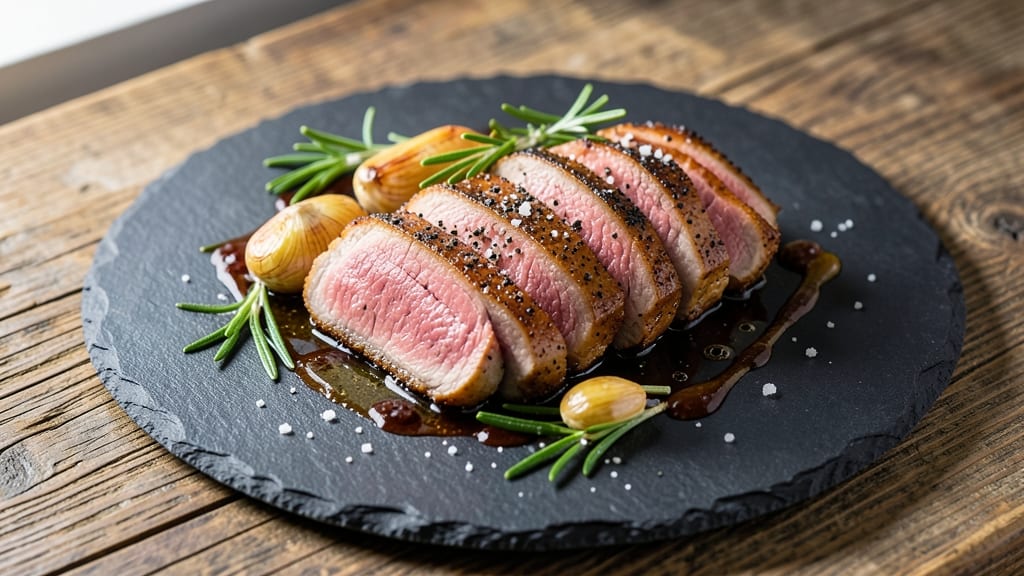
This Berkshire pork loin recipe delivers melt-in-your-mouth tenderness with a caramelized crust that's impossible to resist. 🔥 As someone who's spent years perfecting pork at Atlanta's Smoky Pig, I know the secret lies in slow-roasting and precise seasoning—technique that transforms even the most basic kitchen into a showstopper.
The rich marbling of Berkshire pork means every bite stays juicy while developing that coveted golden-brown exterior.
What sets this recipe apart is the balance between tradition and technique.
We'll start with a simple dry rub of salt, pepper, and garlic powder—no complex marinades needed—then slow-roast the pork until it reaches an internal temperature of 145°F. The low-and-slow method ensures the connective tissue breaks down completely, while the final sear creates that restaurant-quality caramelization.
This isn't just pork; it's a centerpiece that commands attention at any table.
The result is pork that's so tender it practically falls apart with the slightest pressure, yet maintains enough structure to hold its shape. The crust develops a deep mahogany color with crisp edges that contrast perfectly against the moist interior.
The aroma alone will have your guests anticipating every bite before it even hits the plate—this is the kind of pork that makes people ask for seconds without being asked.
Serve with classic apple compote to cut through the richness, or pair it with roasted root vegetables for a complete meal. The technique scales beautifully whether you're cooking for two or feeding a crowd, making it equally perfect for weeknight dinners or special occasions.
Let's get started on creating pork that tastes like it came from a pitmaster's competition-winning board.
Ingredients for berkshire pork loin
Six ingredients transform Berkshire pork into melt-in-your-mouth perfection with caramelized crust.
| Ingredient | Amount | Notes |
|---|---|---|
| Berkshire Pork Loin 🐖 | 4 lb | Bone-in, center-cut preferred |
| Kosher Salt 🧂 | 1 ½ tbsp | Diamond Crystal preferred |
| Freshly Ground Black Pepper 🌶️ | 1 ½ tbsp | Coarse grind for texture |
| Garlic Powder 🧄 | 1 tbsp | Freshly ground preferred |
| Extra-Virgin Olive Oil 🫒 | 2 tbsp | For final sear |
| Fresh Rosemary 🌿 | ½ cup | Chopped sprigs, stems removed |
| Fresh Thyme 🌿 | ¼ cup | Leaves only, stems discarded |
| Yellow Onion 🧅 | 1 whole | Thinly sliced for aromatics |
| Apple Cider Vinegar 🍎 | 2 tbsp | For pan deglazing |
| Unsalted Butter 🧈 | 2 tbsp | Cold, cubed for basting |
| Granulated Sugar 🍚 | 1 tbsp | For crust development |
| Fresh Apple Cider 🍎 | 1 cup | For pan sauce (optional) |
The Berkshire pork loin is the star here, and quality matters above all. Seek out a center-cut roast with visible marbling—this is what gives you that legendary tenderness. Whole Foods Market or a trusted butcher shop are your best bets for authentic Berkshire cuts. If you're buying online, Snake River Farms consistently delivers premium quality. The pork should be bright pink with generous white fat marbling throughout. Avoid anything with grayish hues or excessive lean—this indicates poor quality. For a 6-serving roast, a 4-pound center-cut loin is ideal, as it balances size with even cooking. If your cut is larger, adjust roasting time accordingly, but never exceed 165°F internal temperature to preserve moisture.
No fresh rosemary or thyme? Dried works at one-third the amount, but the aroma won't be the same. The apple cider vinegar can be swapped for red wine vinegar if you're out, though the flavor profile shifts slightly. For the sugar, brown sugar adds depth but requires adjustment—reduce to 0.75 tbsp if using. The olive oil is critical for that final sear; avoid vegetable oil as it lacks the fruity notes that complement the pork. If you're making this ahead, prep the dry rub 24 hours early—the spices meld better when mixed in advance. For the apple cider, unsweetened works best as it won't compete with the natural sweetness of the pork's caramelization.
This roast reheats beautifully—350°F for 15 minutes covered with foil preserves all that juiciness. For leftovers, store in an airtight container with the pan juices for up to 4 days. The crust develops best when served immediately, so plan accordingly. The pan sauce keeps for 3 days refrigerated—simply reheat gently on the stove. For crowd feeding, double the recipe and use a larger roasting pan to maintain even heat distribution. The pork freezes well for up to 3 months if wrapped tightly in parchment and foil, though texture may be slightly altered post-thaw.
Why You'll Love This Recipe
- Five-Ingredient Magic: I swear by this—just salt, pepper, garlic powder, olive oil, and that rich Berkshire pork. No fancy marinades, no stress. The secret’s in letting the pork’s natural flavor shine while the crust gets perfectly crispy.
- Crowd-Pleaser Crisp: That first bite? Crispy exterior, juicy inside—everyone at my table stops mid-conversation. Honestly, I’ve never had pork this consistently satisfying, and it’s all thanks to the high fat content in Berkshire pork and that simple sear.
- Weeknight to Dinner Party: Same recipe, different occasions. Toss it on the grill for summer BBQs or roast it in the oven for a fuss-free family dinner. My kids even ask for it on Tuesdays—(yes, even on Tuesdays).
- Leftovers That Don’t Suck: Unlike other pork recipes, this stays tender and flavorful for days. I’ll slice it for sandwiches, dice it into pasta, or just reheat it straight up. No dry, sad leftovers here—just pure satisfaction.
Step-by-step instructions for slow-roasted Berkshire pork loin
Master this technique and you'll achieve melt-in-your-mouth tenderness with a caramelized crust every time.
🔪 Step 1: Prep the Pork Loin for Even Cooking
Remove the Berkshire pork loin from the refrigerator and let it sit at room temperature for 30 minutes before cooking. This ensures even heat distribution throughout the meat. Pat the surface completely dry with paper towels, pressing firmly to remove all moisture—this is crucial for developing that perfect caramelized crust later.
In a small bowl, combine the 1.5 tbsp kosher salt, 1.5 tbsp freshly ground black pepper, and 1 tbsp garlic powder. Rub this mixture evenly over all sides of the pork loin, pressing the seasoning into the meat. The coarse texture of the pepper will create beautiful visual contrast against the smooth crust.
Next, create a herb paste by finely chopping the 0.5 cup fresh rosemary and 0.25 cup fresh thyme leaves, then mixing them with the 2 tbsp extra-virgin olive oil until you have a thick, herby paste. Spread this evenly over the seasoned pork loin, massaging it into the surface. This paste will infuse flavor deep into the meat while helping to create that coveted caramelized crust.
🔥 Step 2: Sear and Roast to Perfect Doneness
Preheat your oven to 325°F. Heat a large oven-safe skillet over medium-high heat until it's very hot. Add the pork loin and sear on all sides for 2-3 minutes per side until you achieve deep golden-brown coloration. This initial sear locks in juices and creates flavor foundation.
Transfer the skillet to the preheated oven and roast the pork loin for 30-35 minutes for medium-rare (internal temperature 130-135°F). For medium doneness, continue roasting until the internal temperature reaches 140-145°F. Use a meat thermometer inserted into the thickest part of the loin—this is the only reliable way to judge doneness.
About 15 minutes before the pork is done, prepare the pan sauce. Remove the pork from the oven and place it on a cutting board. Add the 1 whole yellow onion (thinly sliced) to the hot skillet and cook for 3-4 minutes until softened. Deglaze with the 2 tbsp apple cider vinegar, scraping up all the browned bits from the bottom of the pan.
🥘 Step 3: Create the Caramelized Crust and Pan Sauce
Return the pork to the skillet and increase the oven temperature to 425°F. Add the 2 tbsp unsalted butter (cold, cubed) and 1 tbsp granulated sugar to the skillet. The butter will melt and create steam, while the sugar will help develop that beautiful caramelized crust.
Roast for an additional 10-15 minutes until the pork reaches your desired internal temperature and develops a deep golden-brown crust. The sugar will caramelize, creating a glossy, flavorful exterior that contrasts perfectly with the tender interior.
For the pan sauce, carefully remove the pork and transfer it to a cutting board to rest. Pour in the 1 cup fresh apple cider and let it simmer for 3-4 minutes until slightly reduced. The sauce should coat the back of a spoon with a glossy sheen. Strain if you prefer a smoother texture, or leave it slightly chunky for added depth of flavor.
⏰ Step 4: Rest and Slice for Maximum Juiciness
Let the pork loin rest for at least 15 minutes before slicing. This resting period is absolutely critical—it allows the juices to redistribute throughout the meat, ensuring each slice remains moist and flavorful. Tent loosely with foil to keep it warm during this time.
Slice the pork loin into ½-inch thick slices against the grain. The grain direction will be visible as slightly darker lines running through the meat. Each slice should be tender enough to cut through easily with minimal resistance, with a beautiful pink center for medium-rare doneness.
Serve the sliced pork immediately over a bed of the caramelized onions, drizzled with the apple cider pan sauce. The combination of tender meat, sweet-savory crust, and rich sauce creates a dining experience that truly showcases the quality of Berkshire pork. Each bite should deliver perfect balance of juiciness, herbaceous notes, and that unmistakable caramelized sweetness.
Pro Tips For Making Berkshire Pork Loin
- SEAR FIRST, REST LATER: I used to rush the searing for this cut, thinking it’d save time—big mistake. Berkshire pork loin needs a screaming-hot pan for 3-4 minutes per side until deep golden, or you’ll end up with bland, underwhelming meat. After searing, tent it with foil and let it rest the full 5-10 minutes (yes, even if you’re impatient). The internal temp will drop just right, and the crust won’t turn to mush when you slice.
- DRY THE LOIN LIKE MAD: Pat that pork loin thoroughly with paper towels before seasoning—no exceptions. I learned this after a batch turned out greasy and unevenly browned. Wet surfaces steam instead of sear, and you’ll end up with a sad, pale crust. Take your time; this isn’t the prettiest method, but it’s the tastiest.
- SALT IN STAGES: Don’t just sprinkle salt once and call it a day. Start with a generous dry rub of kosher salt and garlic powder 30 minutes before cooking—this helps season the surface deeply. Then, right before searing, hit it with another layer of salt and freshly cracked black pepper. The first layer penetrates, while the second locks in flavor and ensures a perfect crust.
- USE HIGH-SMOKE OIL: Extra-virgin olive oil is great for finishing, but for searing Berkshire pork loin, grab a neutral oil like avocado or grapeseed—it’s got a higher smoke point (375°F+ vs. EVOO’s 325°F). I was skeptical until I tried it: the crust gets that caramelized, nutty depth without turning bitter. Use about 2 tablespoons—enough to coat the bottom of your pan, but not so much it pools.
Best sauces and condiments for this dish
Classic Apple Cider Glaze
This simple glaze elevates your Berkshire pork loin with a perfect balance of sweet and tangy flavors. I use ½ cup apple cider reduced with 1 tbsp brown sugar and 1 tsp Dijon mustard until it thickens to a syrupy consistency.
Brush this glaze over the pork during the final 10 minutes of roasting at 425°F—the sugar caramelizes beautifully while the mustard adds depth. 🍎
Brown Butter Sauce
For a rich, nutty sauce that complements the pork's natural sweetness, melt 4 tbsp unsalted butter in a saucepan over medium heat until it turns golden brown and smells nutty. Immediately whisk in 2 tbsp heavy cream and 1 tsp fresh thyme leaves, then strain for a silky finish.
Drizzle over sliced pork or use as a dipping sauce for extra decadence.
Honey-Mustard Reduction
My go-to for a tangy-sweet contrast is a honey-mustard reduction made with 3 tbsp honey, 2 tbsp Dijon mustard, and 1 tbsp apple cider vinegar. Simmer all ingredients in a small saucepan for 5-7 minutes until thickened.
This sauce works beautifully drizzled over the pork or spooned alongside for dipping. The honey enhances the pork's natural sweetness while the mustard cuts through the richness.
Herb-Infused Olive Oil
For a lighter option that still packs flavor, infuse ½ cup extra-virgin olive oil with 2 tbsp fresh rosemary, 1 tbsp fresh thyme, and 2 garlic cloves (lightly crushed). Heat gently for 5 minutes to release the aromatics, then strain.
Drizzle over sliced pork or use to moisten the roasting pan during cooking for extra flavor infusion. This oil also makes a fantastic finishing touch for presentation.
Spiced Cranberry Compote
For a festive touch that pairs wonderfully with Berkshire pork, simmer 1 cup cranberries, ¼ cup orange juice, 2 tbsp brown sugar, and a pinch of cinnamon for 10 minutes until the cranberries burst.
The tart-sweet contrast balances the pork's richness beautifully. Serve as a side or spoon over sliced pork for a showstopping presentation. 🍇
Whiskey Pan Sauce
For a bold, smoky depth, deglaze your roasting pan with ¼ cup bourbon or whiskey after removing the pork. Add 1 tbsp butter and 1 tsp fresh thyme, then reduce by half.
The whiskey adds a sophisticated warmth that complements the pork's natural flavors. This sauce is especially impressive when served at room temperature—simply reheat gently before drizzling.
Nutrition facts
Frequently asked questions
What makes Berkshire pork loin different from regular pork loin?
Berkshire pork loin comes from heritage pigs with extra marbling (fat between muscles), giving it a richer flavor and melt-in-your-mouth tenderness. Regular pork loin is leaner and less flavorful. The Berkshire breed also has a higher fat-to-lean ratio, which translates to juicier meat even when cooked to medium doneness.
Can I cook this recipe without a meat thermometer?
While not ideal, you can estimate doneness by time and touch. For medium-rare, cook about 30-35 minutes at 325°F, then check: press the pork gently—it should feel slightly soft but still firm to the touch. For medium, cook until the internal temperature reaches 145°F (about 40-45 minutes). Overcooking is the biggest risk without a thermometer.
How far ahead can I prep the dry rub?
You can mix the dry rub 24 hours ahead—it actually benefits from resting as the spices meld together. Store it in an airtight container until ready to use. For the herb paste, make it 1 hour ahead and refrigerate, but add the olive oil just before applying to prevent wilting. Fresh herbs lose potency when prepped too early.
What sides pair best with this Berkshire pork loin?
Classic pairings include roasted root vegetables (carrots, parsnips, sweet potatoes), creamy mashed potatoes, or apple compote to cut the richness. For a lighter option, try a crisp green salad with balsamic vinaigrette. The caramelized onions from the pan sauce also make a delicious side when thickened into a spread with a touch of cream.
Why does my Berkshire pork loin turn out dry?
Overcooking is the most common cause—Berkshire pork should never exceed 145°F internal temperature. Other culprits include not resting the meat (15 minutes minimum) or cutting into it too soon. Also ensure your pork has good marbling—lean cuts dry out faster. For extra moisture, baste with butter during the final 10 minutes of roasting.