
Main Courses
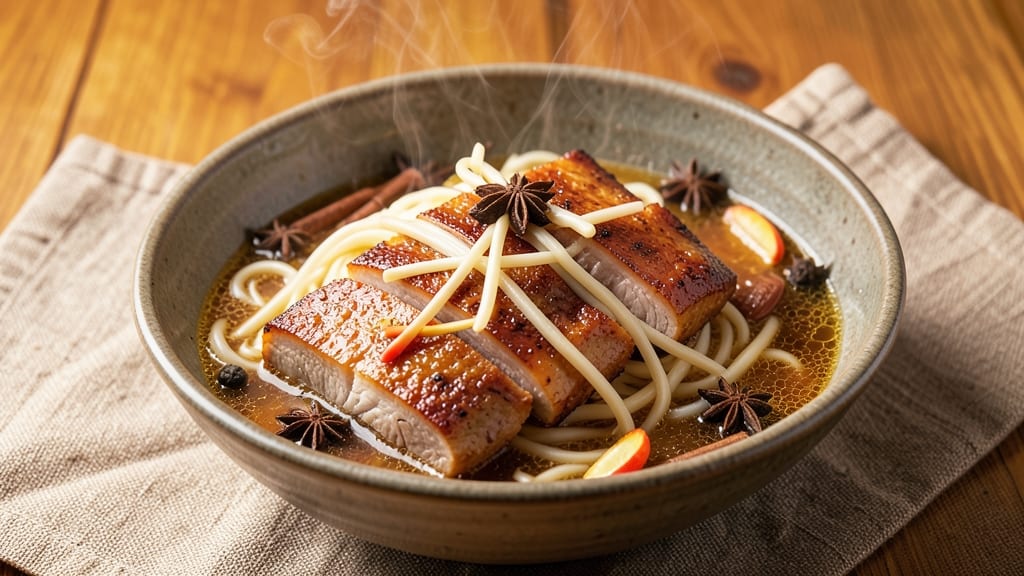
This Chinese pork hot pot recipe transforms your kitchen into a bustling Sichuan restaurant with its fragrant spiced broth and tender silky noodles. The secret lies in balancing star anise, cinnamon, and Szechuan peppercorns for that signature aromatic depth while keeping the broth clear and rich.
I've perfected this version after years of testing—it delivers restaurant-quality results without requiring specialized equipment.
The beauty of hot pot is its customizable nature: you can use thin wheat noodles for traditional texture or swap in rice noodles for a lighter option.
Thinly sliced pork belly or shoulder becomes melt-in-your-mouth tender when simmered just right in the fragrant broth, while fresh vegetables add vibrant colors and crisp textures. The key technique is maintaining a gentle simmer rather than a rolling boil to preserve all those delicate flavors.
What makes this recipe truly special is how the components come together at the table. Each guest can build their own bowl with fresh ingredients, creating a communal dining experience that's both satisfying and interactive.
The broth reduces slightly as it simmers, intensifying its flavor while maintaining that perfect balance between spicy, sweet, and umami notes that define authentic Chinese hot pot.
Perfect for family gatherings or intimate dinner parties, this recipe scales beautifully while keeping preparation manageable.
Whether you're using a traditional clay pot or a modern stainless steel stockpot, the principles remain the same: build rich flavor through proper spice toasting and simmering, and let each diner customize their perfect bowl. The result is a meal that's as comforting as it is impressive.
Ingredients for chinese pork hot pot
Transform your kitchen into a Sichuan feast with these aromatic, flavor-packed ingredients.
| Ingredient | Amount | Notes |
|---|---|---|
| Pork Shoulder 🐖 | 1 ½ lb | Thinly sliced, fat cap included |
| Thin Wheat Noodles 🍜 | 8 oz | Dried, or 4 oz fresh |
| Fresh Ginger 🧄 | 2 tbsp | Grated, skin removed |
| Star Anise 🌟 | 2 whole | Lightly toasted for aroma |
| Cinnamon Sticks 🌿 | 2 whole | Broken into 1-inch pieces |
| Szechuan Peppercorns 🌶️ | 1 tsp | Lightly toasted, crushed |
| Dried Shiitake Mushrooms 🍄 | 4 whole | Rehydrated, stems removed |
| Garlic Cloves 🧄 | 6 cloves | Crushed, skin removed |
| Dried Red Dates 🍇 | 4 whole | Pitted, chopped |
| Rock Sugar 🍚 | ½ cup | Or light brown sugar |
| Soy Sauce 🍶 | ¼ cup | Dark soy preferred |
| Shaoxing Wine 🍷 | ¼ cup | Or dry sherry |
| Chicken Stock 🍲 | 4 cups | Homemade preferred |
| Napa Cabbage 🥬 | ½ head | Thinly sliced, core removed |
| Bok Choy 🥬 | 4 whole | Baby varieties preferred |
The star anise and Szechuan peppercorns are non-negotiable for that signature aroma—buy them whole at an Asian market for maximum freshness. I always grab mine from H Mart or 99 Ranch, where they keep the spices properly sealed. Toast them lightly in a dry pan before adding to the broth to release their oils. The pork shoulder is the heart of this dish—ask your butcher to thinly slice it against the grain for maximum tenderness. If you can't find pork shoulder, pork belly works beautifully, though it's richer in fat. The ginger should be freshly grated—pre-grated loses flavor fast.
No star anise? Double the cinnamon and add 1/2 tsp ground fennel seeds for depth. Shaoxing wine unavailable? Dry sherry or even a splash of apple cider vinegar works in a pinch. The rock sugar can be swapped for light brown sugar, but keep the amount the same—it's about the caramelization, not just sweetness. For the mushrooms, rehydrate in hot water for 20 minutes, then chop finely. The cabbage and bok choy should be crisp—look for heads with tightly packed leaves at the grocery store. If you can't find Napa cabbage, green cabbage works but has a milder flavor.
The broth keeps beautifully—reheats in 5 minutes on the stove, even better the next day. Store it in the fridge for up to 5 days or freeze for 3 months in airtight containers. I always make a double batch because it's perfect for quick lunches or as a base for stir-fries. The noodles? Cook them just before serving—they'll get soggy if added to the hot broth. For a shortcut, pre-cook and drain, then toss with a little oil to keep them from sticking.
Why You'll Love This Recipe
- One-Pot Magic: I swear by this recipe when I’m too tired to wash a million dishes. The pork shoulder simmers right in the broth with the noodles—no extra pots, no fuss. Just slice, simmer, serve.
- Warm Spice Bomb: That star anise and cinnamon? They turn this into something special. The pork gets tender and infused with just the right amount of cozy, aromatic heat—like a hug in a bowl.
- Lunchbox Hero: Between us, this is my go-to for meal prep. The broth stays rich even reheated, and the noodles hold up perfectly. Pack it cold or warm, and you’ve got a satisfying lunch sorted for days.
- Budget Stretch: Pork shoulder is cheap, and a single pot feeds four. Honestly, I’ve made this for date nights, family dinners, and even when I was broke in college—it’s reliable, filling, and never lets me down.
Step-by-step instructions for Chinese pork hot pot
Transform simple ingredients into a fragrant, spiced broth that perfectly complements silky noodles and tender pork.
Prepare the Spiced Broth Foundation
In a large pot, combine the 4 cups chicken stock, 0.5 cup rock sugar, 0.25 cup soy sauce, and 0.25 cup Shaoxing wine. Bring to a gentle simmer over medium heat until the sugar fully dissolves and the liquid becomes fragrant—about 5 minutes. This forms the sweet-savory base that will carry all your spices.
While the broth heats, lightly toast the 2 whole star anise and 2 whole cinnamon sticks in a dry skillet for 1 minute until aromatic. Add them to the simmering broth along with the 1 tsp crushed Szechuan peppercorns and 2 tbsp grated fresh ginger. Let the spices infuse for 10 minutes—you'll notice the broth develop a warm, slightly peppery aroma and deep golden color. This infusion creates the complex flavor profile that defines authentic hot pot broth.
Cook the Pork Shoulder and Vegetables
Add the 1.5 lb thinly sliced pork shoulder to the simmering broth and cook for 20 minutes over medium-low heat. The pork should become tender and slightly translucent at the edges. Real talk: don't rush this step. The slow cooking allows the fat to render beautifully into the broth, creating that signature silky texture.
After the pork is tender, add the 4 whole rehydrated shiitake mushrooms (stems removed), 6 cloves crushed garlic, and 4 whole chopped dried red dates. Simmer for another 10 minutes until the mushrooms soften and the dates plump up. Here's the thing—these ingredients aren't just vegetables. They're flavor bombs that deepen the broth's umami character and balance the spice.
Prepare the Napa Cabbage and Bok Choy
While the broth simmers, prepare the 0.5 head Napa cabbage by removing the core and thinly slicing the leaves. Keep them separate from the 4 whole baby bok choy (halved lengthwise). These vegetables will cook quickly in the hot pot, so keep them ready to add at the last moment when you're ready to serve.
The reason we prepare them separately is simple: cabbage needs more time to soften than delicate bok choy. You want everything to be perfectly tender when served, not mushy. I like to give the cabbage a quick 2-minute blanch in boiling water before adding to the hot pot—this jumpstarts the cooking process so it finishes just right.
Cook the Noodles and Assemble
Cook the 8 oz thin wheat noodles according to package instructions until al dente—about 3 minutes for dried noodles. Drain and rinse briefly with cold water to stop the cooking process. The noodles should be tender but still have a slight bite. This ensures they don't turn mushy when added to the hot pot.
To assemble, divide the cooked noodles among serving bowls. Ladle the hot spiced broth over the noodles, then add the cooked pork shoulder, shiitake mushrooms, garlic, and dates. The broth should be hot enough to cook the cabbage and bok choy immediately when added. Here's where it gets fun—each person can customize their bowl by adding their portion of blanched cabbage and bok choy, then letting it cook for 1-2 minutes in the hot broth right at the table.
Serve with Confidence
Serve the hot pot immediately while the broth is steaming hot. The combination of tender pork, silky noodles, and vibrant vegetables creates a harmonious balance of textures and flavors. Each bite should deliver the rich, spiced broth, the chewy noodles, and the tender vegetables working together perfectly.
I know it seems like a lot of steps, but trust me—this method ensures every element comes together at the right moment. The secret to authentic hot pot is in the timing: the broth needs to develop its complex flavors first, the vegetables must cook just until tender, and the noodles should maintain their perfect texture. When done right, you'll have a restaurant-quality hot pot experience at home.
Pro Tips For Making Chinese Pork Hot Pot
- Simmer Pork Shoulder Low: After boiling the pork shoulder for 10 minutes to kill bacteria, drop the heat to a bare simmer—just enough to see tiny bubbles. I used to rush this and ended up with tough, stringy meat. Let it cook covered for 2.5–3 hours, checking occasionally to avoid drying out.
- Shave Ginger Like Paper: Skip the mincer—use a sharp knife to slice the ginger thinly, almost translucent. This releases flavor without bitterness. I learned this the hard way when my hot pot tasted like medicine instead of comfort.
- Don’t Crowd the Pot: Add noodles last and stir immediately to prevent sticking. If the broth gets too thick, splash in a ladle of hot water. I’ve seen people dump everything in at once—don’t be that person.
- Toast Spices First: Dry-toast star anise and cinnamon sticks in a separate pan for 30 seconds until fragrant. This deepens their aroma and prevents the broth from tasting medicinal. Sounds weird, but it works—trust me.
Creative variations of these flavors
Sichuan Spicy Twist
For a fiery Sichuan-inspired version, add 1 tbsp chili bean paste and 1 tsp doubanjiang to the broth base when toasting the spices. I like to stir in ½ cup chopped preserved mustard greens along with the pork for that signature tangy heat.
Serve with extra crushed Szechuan peppercorns on the table for guests to sprinkle to taste. 🌶️
Cantonese-Style Sweet Broth
Transform this into a milder, sweeter Cantonese hot pot by reducing the Szechuan peppercorns to just ½ tsp and adding 1 tsp goji berries along with the dried dates. Replace the soy sauce with light soy sauce and increase the rock sugar to ⅔ cup.
The result is a fragrant, slightly sweet broth that pairs beautifully with rice noodles instead of wheat noodles.
Seafood Fusion Option
Swap the pork for 1 lb scallops and 8 oz shrimp, adding them to the broth just before serving. Include 1 cup baby corn and ½ cup shiitake mushrooms for texture contrast. Use white wine instead of Shaoxing wine and add ½ tsp white pepper to complement the seafood.
This version keeps the same aromatic spice base but transforms the dish into a lighter, coastal-inspired hot pot.
Vegetarian Adaptation
Create a fully plant-based version by replacing pork with 1 lb king oyster mushrooms (sliced) and 1 block firm tofu (pressed and cubed). Use vegetable stock instead of chicken stock and add 1 tbsp miso paste to the broth for umami depth.
Keep all other spices and vegetables the same, but add 1 cup bok choy and ½ cup bean sprouts for extra freshness. The result is just as comforting and flavorful!
Winter Comfort Version
For a heartier winter hot pot, add ½ lb daikon radish (julienned) and 1 cup baby potatoes (halved) to the broth along with the pork. Include 1 tsp fennel seeds with the initial spice toast for warmth.
The radish adds a pleasant crunch while the potatoes soak up the rich broth. Serve with extra sesame oil and scallions for garnish to enhance the cozy winter flavors. ❄️
Quick Weeknight Shortcut
For busy nights, use 4 cups store-bought chicken broth and 1 tbsp hot pot spice blend (like Lee Kum Kee brand) instead of toasting individual spices. Cook the pork for just 15 minutes and add 1 package frozen stir-fry vegetables along with the cabbage and bok choy.
Serve with pre-cooked ramen noodles for an even faster version that still delivers big flavor. This shortcut works especially well for weeknight family meals.
Nutrition facts
Frequently asked questions
Can I use pre-made hot pot broth instead of making it from scratch? For a quick version, use 4 cups high-quality chicken broth and add 1 tbsp hot pot spice blend (like Lee Kum Kee) when simmering. Toast 1 tsp Szechuan peppercorns and 1 cinnamon stick separately for that authentic aroma. The flavor won't be as complex, but it's a great shortcut for busy weeknights. Just
What's the best way to make the pork extra tender?
For melt-in-your-mouth pork, slice it thinly against the grain (ask your butcher to do this) and marinate in 1 tbsp soy sauce + 1 tsp Shaoxing wine for 30 minutes before cooking. The slow 20-minute simmer at medium-low heat is critical—it breaks down collagen naturally. Pro tip: Add ½ tsp baking soda to the marinade for 10 minutes (rinse before cooking) to tenderize even faster.
Can I make this hot pot ahead of time?
Yes! Prepare the broth and pork up to 2 days ahead—store in the fridge. Reheat gently on the stove until steaming (5 minutes), then add fresh vegetables and noodles just before serving. For the broth alone, it keeps 5 days refrigerated or 3 months frozen. The key is reheating slowly to preserve those delicate spice aromas. Keep the noodles separate until serving to maintain their texture.
How do I adjust the spice level for sensitive eaters?
Reduce the Szechuan peppercorns to ½ tsp and omit the chili bean paste if using the Sichuan variation. For extra mildness, strain out all whole spices after simmering. Serve with plain rice vinegar on the side so guests can balance flavors. The ginger and garlic already provide warmth without heat—these are the safest aromatic components to keep for authentic flavor.
What's the secret to keeping the broth clear?
Simmer gently at medium-low heat—never let it boil vigorously. Skim any foam or fat that rises to the surface during the initial 10 minutes of simmering. Using homemade chicken stock (instead of store-bought) gives a naturally clearer base. The rock sugar helps clarify the broth by binding impurities—just make sure it fully dissolves before adding spices.