
Main Courses
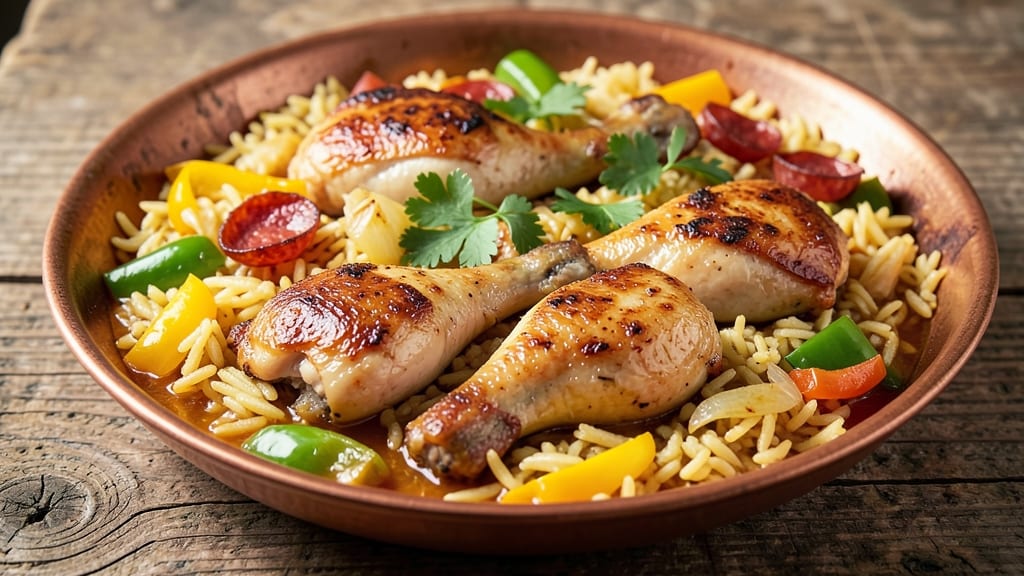
This chicken and pork paella recipe delivers the authentic Spanish experience with golden saffron rice, tender proteins, and that coveted crispy socarrat crust.
The secret lies in mastering the sofrito base and perfecting the rice-to-liquid ratio—no shortcuts here, just time-honored technique that transforms a simple pan into a centerpiece for any dinner table.
What you’ll achieve is a dish where every bite reveals layers of smoky paprika, bright saffron, and caramelized edges that sing with texture.
Traditional paella begins with searing the proteins—juicy pork chorizo and chicken thighs—before building the sofrito foundation of onions, garlic, and bell peppers. The rice toasts in the pan, absorbing the flavors before being layered with broth, saffron, and vegetables.
This isn’t just a recipe; it’s a method that rewards patience with restaurant-quality results, where the socarrat forms naturally at the bottom, offering that signature crunch.
The final dish is a vibrant tapestry of colors and textures: tender chicken, crispy pork, al dente rice with a crispy bottom, and vibrant peas and bell peppers.
The saffron-infused broth ties everything together, creating a balance of smoky, sweet, and umami notes that make this more than just a meal—it’s an experience. Serve it family-style straight from the paella pan for the full effect.
Perfect for special occasions or weekend projects, this paella is designed to impress without requiring a professional kitchen. The key is attention to detail—from the initial searing to the final crisp—each step builds toward that unforgettable socarrat. Let’s get started on creating your own Spanish masterpiece.
Ingredients for chicken and pork paella
Authentic paella begins with these 15 ingredients—each playing a precise role in creating the coveted socarrat crust and vibrant flavors.
| Ingredient | Amount | Notes |
|---|---|---|
| Boneless Chicken Thighs 🍗 | 2 lb | Cut into 1-inch pieces, skin-on preferred |
| Spanish Chorizo Sausage 🌭 | 8 oz | Discard casings, slice into 1/4-inch rounds |
| Long-Grain Paella Rice 🍚 | 2 cups | Bomba or Calasparra preferred for texture |
| Yellow Bell Peppers 🌶️ | 1 whole | Diced into 1/4-inch pieces, remove seeds |
| Green Bell Peppers 🌶️ | 1 whole | Diced into 1/4-inch pieces, remove seeds |
| Yellow Onions 🧅 | 1 whole | Finely chopped, about 1.5 cups |
| Garlic Cloves 🧄 | 6 cloves | Minced, not pressed |
| Smoked Paprika 🌶️ | 2 tbsp | High-quality Spanish smoked paprika |
| Saffron Threads 🧡 | ¼ tsp | High-quality, crushed between fingers |
| Chicken Broth 💧 | 4 cups | Homemade preferred, low-sodium |
| Frozen Peas 🌱 | 1 cup | Thawed, no need to drain |
| Lemon Wedges 🍋 | 2 whole | For serving, cut into 4 wedges each |
| Extra-Virgin Olive Oil 🫒 | ½ cup | High-quality, fruity variety |
| Diamond Crystal Kosher Salt 🧂 | 1 ½ tsp | Adjust to taste, add gradually |
| Freshly Ground Black Pepper 🌶️ | ½ tsp | Coarsely ground for texture |
The Spanish chorizo and chicken thighs are the foundation of this paella, delivering deep umami and juicy texture. Source chorizo from specialty markets—look for brands like La Huerta or El Tejedor for authentic flavor. The chicken thighs should have visible fat marbling for moisture; trim excess but leave some skin for crispiness. Bomba rice is ideal for paella due to its starch content, but Calasparra works equally well. For the bell peppers, yellow and green provide both sweetness and freshness—Trader Joe's often carries pre-diced varieties to save time. The saffron must be high-quality threads (never powder), as it's the signature flavor. Penzeys Spices sells premium saffron in small quantities for testing.
No Spanish chorizo? Mexican chorizo works in a pinch, though the flavor will differ slightly. Substitute smoked paprika with regular paprika plus a pinch of liquid smoke if needed. For the bell peppers, roasted red peppers from a jar (like Mutti brand) can add depth, though fresh is preferred. The chicken broth must be low-sodium—homemade or high-quality store-bought like Pacific Foods. Frozen peas are standard, but fresh peas add a brighter taste if in season. The lemon wedges are purely for serving; lime wedges work if unavailable. For the olive oil, avoid light olive oil—Castellana or Picual varieties provide the best flavor. Diamond Crystal kosher salt is preferred over table salt due to its larger grains and purity.
Store fresh chorizo and chicken in the fridge for up to 3 days before use, while dried saffron keeps for 12 months in a cool, dark place. The bell peppers and onions last 5-7 days in the fridge, though onions can be stored in a mesh bag for longer shelf life. Paella rice should be used within 6 months of purchase for optimal texture. Once cooked, paella reheats beautifully—cover with foil and warm in the oven at 350°F for 10-15 minutes. For socarrat perfection, avoid stirring the rice in the final 5 minutes of cooking. Leftovers keep for 3 days in the fridge, though the texture softens slightly.
Why You'll Love This Recipe
- One-Pan Magic: I swear by this recipe when I’m too tired to scrub pots—just brown the chorizo and chicken, toss in the peppers and rice, then let the broth do its thing. The chorizo’s smoky crunch and the chicken’s juicy finish happen all in the same skillet, no flipping pans required.
- Spice & Savor: That Spanish chorizo? It’s the star—fiery, garlicky, and salty in all the right ways. The bell peppers add a sweet crunch, while the rice soaks up the flavor like a sponge, giving you that perfect mix of smoky, savory, and slightly sweet in every bite.
- Lunchbox Hero: Between us, this is my go-to for meal prep. The leftovers reheat beautifully (yes, even the crispy bits at the bottom), and I pack it in containers with a sprinkle of paprika—my kids eat it cold, at room temp, or reheated. No sad, soggy lunches here.
- Budget Feast: Chicken thighs and chorizo stretch this dish into a full meal without breaking the bank, and the rice fills everyone up. Honestly, I’ve served this for date nights, family dinners, and even a last-minute potluck—no one ever asks what’s in it, just when we’re making it again.
Step-by-step instructions for saffron-infused arroz with crispy socarrat
Mastering paella technique ensures that signature crispy socarrat layer and aromatic saffron infusion.
Sear the Chicken and Chorizo for Deep Flavor
Heat the 0.5 cup extra-virgin olive oil in a wide, shallow paella pan over medium-high heat until shimmering. Add the 2 lb boneless chicken thighs, cut into 1-inch pieces, and cook for 6-8 minutes until golden brown on all sides. Remove and set aside.
In the same pan, add the 8 oz sliced Spanish chorizo and cook for 4-5 minutes until the fat renders and the chorizo begins to crisp. You'll notice the chorizo releases its smoky aroma—this is your signal to remove it and set aside with the chicken. The rendered fat in the pan will form the flavor base for your paella.
Sauté the Aromatics and Build the Sofrito
Add the 1 whole finely chopped yellow onion to the pan and cook for 5 minutes until softened and translucent. Stir in the 6 cloves minced garlic and cook for 30 seconds until fragrant—don't let it brown, or it will turn bitter.
Next, add the 1 whole diced yellow bell peppers and 1 whole diced green bell peppers. Cook for 5 minutes until the vegetables begin to soften. Sprinkle in the 2 tbsp smoked paprika and stir to coat the vegetables evenly. This step develops the deep, smoky flavor that defines authentic paella.
Toast the Rice and Infuse with Saffron
Add the 2 cups long-grain paella rice to the pan and stir vigorously for 1 minute to coat each grain with the sofrito. This toasting step creates the nutty, toasted flavor at the base of the rice.
In a small bowl, dissolve the 0.25 tsp saffron threads in 2 tablespoons of the 4 cups chicken broth and let it steep for 5 minutes. Pour this saffron-infused broth into the pan along with the remaining chicken broth. Bring to a gentle boil, then immediately reduce heat to medium-low.
Simmer and Develop the Socarrat Layer
Return the chicken and chorizo to the pan and gently stir to distribute everything evenly. Cover with a tight-fitting lid and simmer for 15 minutes. After 15 minutes, uncover and stir gently—this prevents the rice from sticking to the bottom.
Continue cooking uncovered for another 10-12 minutes until the liquid has mostly evaporated and the rice is tender but still slightly firm. The edges should begin to develop a crispy, golden-brown layer—the socarrat. This is the moment that matters: the final 5 minutes should be uncovered to allow the bottom to crisp.
Finish with Peas and Rest Before Serving
When the rice is nearly done, stir in the 1 cup thawed frozen peas and cook for 2-3 minutes until heated through. The peas should be bright green and just warmed—overcooking will turn them mushy.
Remove the pan from heat and let the paella rest for 5 minutes before serving. This resting period allows the flavors to meld and the rice to absorb any remaining liquid. Serve immediately with the 2 whole lemon wedges, cut into 4 wedges each, squeezed over the top for a bright, citrusy finish.
Pro Tips For Making Chicken And Pork Paella
- CRISP THE CHORIZO FIRST: Slice the Spanish chorizo into ½-inch rounds and fry them in a dry pan over medium-high heat for 2–3 minutes before adding anything else. This renders the fat and crisps the edges—trust me, the flavor difference is night and day, and it stops the sausage from turning greasy later.
- SALT THE CHICKEN THIGHS: Pat the boneless chicken thighs dry, then season them generously with salt and pepper at least 30 minutes before cooking. I learned this the hard way—dry, salted meat browns better and stays juicier, especially when you’re layering flavors with chorizo and peppers.
- DON’T STIR THE RICE: Once the rice hits the liquid, resist the urge to stir. Just give the pan a gentle shake every minute or two—this lets the bottom layers toast and form that coveted crust while keeping the top fluffy. I used to obsess over stirring, and now I just let it do its thing.
- CHAR THE PEPPERS FIRST: Cut the bell peppers into ½-inch strips, toss them in a splash of olive oil, and sear them directly in the paella pan over high heat for 5 minutes before removing them. The blistered edges add depth, and they’ll soften perfectly when you add them back later—no mushy peppers here.
Troubleshooting your chicken and pork paella
Rice Undercooked
If your paella rice feels firm or crunchy in the center, it likely didn’t absorb enough liquid. This often happens when using the wrong rice variety (like basmati) or insufficient broth.
For future attempts, stick to Bomba or Calasparra rice and ensure you’re using 4 cups of broth for 2 cups of rice.
If you’re short on time, add ¼ cup warm water during the final 5 minutes of cooking, then cover and let it steam for 2-3 minutes. 💧
Socarrat Missing
The coveted crispy bottom layer forms when the rice dries out unevenly at the edges. To fix this, avoid stirring the rice during the last 10 minutes of cooking—let it develop naturally.
If your pan isn’t wide enough, transfer the paella to a 14-inch cast-iron skillet (like Lodge) for better heat distribution. Also, ensure your burner is set to medium-low heat—too high will steam the rice instead of crisping it.
Broth Too Salty
If your paella tastes overly salty, it’s likely from the broth or seasoning. For immediate fixes, stir in 2 tablespoons of cold water to dilute the saltiness slightly, then taste again.
To prevent this next time, use low-sodium chicken broth (like Pacific Foods) and add salt gradually—start with 1 tsp and adjust. Avoid adding salt to the broth itself; instead, season the rice and vegetables separately. 🧂
Chicken Dry or Tough
Overcooking chicken is the #1 cause of dryness in paella. Remove the chicken from the pan once it reaches an internal temperature of 165°F (about 6-8 minutes of searing).
If it’s already tough, try this trick: place the cooked chicken pieces in a small baking dish, cover with ¼ cup chicken broth, and microwave for 1-2 minutes to rehydrate. For future attempts, use skin-on thighs and sear them skin-side down first to render fat gently.
Peas Overcooked
Peas turn mushy when added too early or cooked too long. Always stir them in during the final 2-3 minutes of cooking—this ensures they’re heated through without losing texture. If they’re already mushy, drain them and replace with fresh peas (or artichoke hearts for a similar texture).
For extra brightness, add a pinch of lemon zest to the peas before mixing them in. 🌱
Uneven Cooking
Paella pans distribute heat unevenly, leading to patchy cooking. To fix this, rotate the pan ¼ turn every 5 minutes during the final stages. If your pan has hot spots, use a heat diffuser (like a copper one from Amazon) underneath.
For electric stoves, avoid placing the pan directly on the burner—use the diffuser disk that came with your stove. This ensures even heat distribution for consistent results. 🔥
Nutrition facts
Frequently asked questions
What's the secret to authentic socarrat in my paella?
Socarrat forms when the rice dries out unevenly at the edges, creating that crispy crust. Use a wide paella pan (or cast-iron skillet) and avoid stirring during the final 10-12 minutes of cooking. Keep heat at medium-low—too high will steam the rice instead of crisping it. The rice should be nearly dry with a golden-brown bottom layer.
Can I substitute Spanish chorizo with another type?
Yes! If you can't find Spanish chorizo, Mexican chorizo works in a pinch, though the flavor will differ slightly. For a similar smoky taste, use 2 tbsp smoked paprika plus 1 tsp liquid smoke (add it with the broth). Avoid Italian sausage—it lacks the essential paprika depth. The key is balancing the smoky, spicy notes that define paella.
How do I prevent my paella rice from sticking?
Sticking happens when rice isn't properly toasted or the pan lacks enough fat. Always toast the rice for 1 full minute in the oil before adding broth. Use a wide, shallow pan (like a paella pan or cast-iron skillet) and ensure you have enough oil (about 0.5 cup) to coat the bottom. Avoid stirring the rice during the final 10 minutes—let it develop its own crust.
What if I don't have saffron threads?
While saffron is traditional, you can use ½ tsp turmeric as a substitute—it adds color but not the same floral aroma. For a more authentic flavor, try ½ tsp dried marigold petals (steeped in warm broth). Avoid food coloring—it lacks the depth of real saffron. If possible, invest in a small amount of saffron for future dishes!
Can I make paella in a regular pot?
Technically yes, but you'll miss the socarrat and even cooking. A wide, shallow pan is key—use a 14-inch cast-iron skillet (like Lodge) or even a baking sheet lined with parchment paper. If using a deep pot, reduce rice by ¼ cup and stir frequently to prevent sticking. The goal is to mimic the paella pan's even heat distribution.