
Main Courses
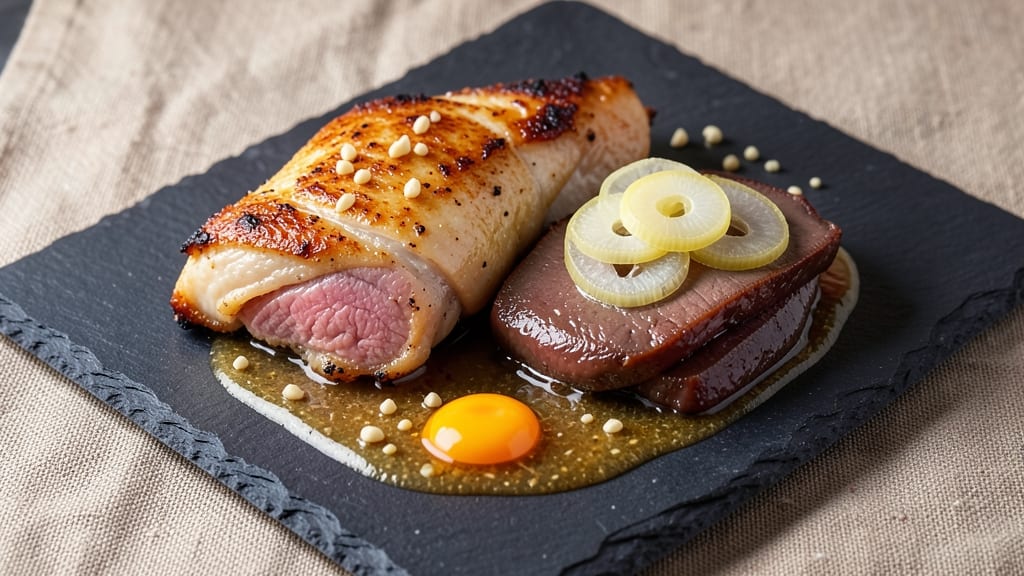
This chicken and pork liver recipe transforms bold flavors into a restaurant-worthy pan-sear with crispy edges and deep umami richness. The secret lies in searing the liver quickly over high heat—just 2-3 minutes per side—to lock in tenderness while developing that signature caramelized crust.
Pork liver, with its intense flavor, pairs beautifully with chicken thighs, creating a dish that’s both elegant and deeply satisfying. The key is balancing the liver’s richness with the chicken’s natural juiciness, ensuring every bite delivers a harmonious contrast.
What sets this recipe apart is the technique: a dry sear followed by a quick deglaze with white wine or broth, which lifts all those flavorful browned bits from the pan. This creates a sauce that’s silky yet robust, perfect for coating the chicken and tying the dish together.
The result? A plate that’s visually stunning—golden-brown sear marks on the chicken, perfectly crisped liver edges—and packed with savory depth that lingers long after the last bite.
This method is ideal for special occasions or when you want to impress without fuss. The chicken remains juicy and tender, while the liver achieves that coveted crispy texture without turning tough.
Serve it with a simple side of roasted root vegetables or a bright green salad to balance the richness, and you’ve got a main course that feels both refined and approachable.
Handling liver safely is critical—always source fresh, high-quality cuts and pat them dry before cooking to ensure even searing. The recipe delivers crispy edges and a perfect balance of textures, making it a standout dish that’s worth the effort. Ready to elevate your weeknight dinners? Let’s get started.
Ingredients for chicken and pork liver
Fourteen ingredients for a dish that delivers restaurant-worthy richness and crispy perfection.
| Ingredient | Amount | Notes |
|---|---|---|
| Boneless, Skinless Chicken Thighs 🍗 | 1 ½ lb | Trimmed of excess fat |
| Pork Liver 🍖 | 1 lb | Fresh, trimmed of connective tissue |
| Unsalted Butter 🧈 | 4 tbsp | Cold, cut into small cubes |
| Shallots 🧅 | 4 whole | Thinly sliced, about 0.5 cup |
| Garlic Cloves 🧄 | 6 cloves | Minced, about 2 tbsp |
| Dry White Wine 🍷 | ½ cup | Sauvignon Blanc or Pinot Grigio |
| Chicken Broth 💧 | ½ cup | Low-sodium preferred |
| Fresh Thyme 🌿 | ¼ cup | Leaves only, chopped |
| Fresh Parsley 🌿 | ¼ cup | Chopped, for garnish |
| Kosher Salt 🧂 | 1 ½ tsp | Diamond Crystal preferred |
| Ground Black Pepper 🌶️ | 1 tsp | Freshly cracked |
| Heavy Cream 🥛 | ¼ cup | For sauce finishing |
The liver is the star here, so source it fresh from a trusted butcher—look for vibrant color and firm texture. Costco or high-end grocers like Whole Foods carry quality cuts, or ask your butcher to trim off any connective tissue for even cooking. Chicken thighs are key too; their fat content keeps them juicy while searing. Pat both proteins dry with paper towels before cooking—this ensures crispy edges. For the butter, grab unsalted; salted can alter the delicate balance of flavors in this dish.
No white wine? Substitute chicken broth with a splash of lemon juice—it adds brightness without alcohol. Fresh herbs are ideal, but dried thyme at one-third the amount works in a pinch. The shallots can be swapped for regular onions if needed, though they add a subtle sweetness. If you're avoiding dairy, use coconut cream instead of heavy cream for finishing the sauce, though the texture will differ slightly. For extra richness, add 1 tbsp of duck fat when searing, but it’s not required.
Liver and chicken should be used within 2 days of purchase for optimal texture. Store them in separate airtight containers in the coldest part of your fridge. The sauce can be made ahead—simmer it for 10 minutes and store in the fridge for up to 3 days. When reheating, warm gently over low heat to preserve the silky texture. Garnish with fresh parsley just before serving to keep it vibrant.
Why You'll Love This Recipe
- One-Pan Magic: I swear by this recipe when I’m too tired to scrub pots—just sear the chicken thighs and livers in butter with shallots until golden, then finish with garlic. The pan does all the work while you sip wine and pretend you’re not cooking.
- Rich Without Effort: That pork liver? It’s the secret weapon—quick to cook and packed with deep, meaty flavor that pairs perfectly with the buttery chicken. Honestly, the first time I tried it, I nearly skipped dessert.
- Budget Feast: A whole chicken and a single pork liver stretch into multiple meals—think fried rice, pasta, or even a quick omelet. My grocery bill stays low, but my fridge never is.
- Weeknight Revival: Between us, this dish turns a boring Tuesday into something special. The aroma alone wakes up the whole house, and it’s ready before takeout arrives. (Yes, even on a Tuesday night.)
Step-by-step instructions for chicken and pork liver pan-sear
Master this technique for perfectly crispy edges and deep umami flavor in every bite.
Prepare the Chicken Thighs and Pork Liver
Pat the 1.5 lb boneless, skinless chicken thighs completely dry with paper towels—this ensures maximum crispiness. Season both sides generously with 1.5 tsp kosher salt and 1 tsp ground black pepper, pressing the spices into the meat so they adhere evenly. Set aside at room temperature for 15 minutes while you prepare the liver.
For the 1 lb pork liver, trim away any connective tissue or silver skin with a sharp knife. This step is crucial—leaving connective tissue behind will make the liver tough. Once trimmed, pat the liver dry and season lightly with just ½ tsp kosher salt and ½ tsp ground black pepper. Over-salting liver can make it bitter, so keep it minimal. Let the liver sit at room temperature for 10 minutes alongside the chicken.
Sear the Chicken Thighs Until Golden
Heat a large skillet over medium-high heat until it's just smoking hot. Add 2 tbsp of the cold, cubed unsalted butter and let it melt completely, swirling to coat the pan evenly. Place the chicken thighs in the skillet, working in batches if needed to avoid crowding. Sear for 5-6 minutes per side until the edges are deep golden brown and the internal temperature reaches 165°F when measured with an instant-read thermometer.
Don't move the chicken around—let it develop that perfect crust. If the pan starts smoking excessively, reduce the heat slightly to maintain control. Once seared, transfer the chicken to a plate and tent loosely with foil to keep warm. The residual heat will carry the cooking process to completion.
Cook the Pork Liver with Shallots and Garlic
In the same skillet (no need to clean it—the browned bits add flavor), add the remaining 2 tbsp cold, cubed unsalted butter. When the butter foams, add the 4 whole thinly sliced shallots and 6 cloves minced garlic. Cook for 2-3 minutes until the shallots soften and turn light golden, but don't let them brown—they should remain tender.
Add the seasoned 1 lb pork liver to the skillet and cook for 2-3 minutes per side until the exterior is deep brown and the liver releases easily from the pan. Pork liver cooks quickly, so watch closely—it's done when it's just firm to the touch but still slightly springy. Remove the liver and set it aside with the chicken.
Deglaze and Build the Sauce
Return the skillet to medium heat and pour in the 0.5 cup dry white wine, scraping up all the browned bits from the bottom with a wooden spoon. Let the wine simmer for 2-3 minutes until it reduces by half and the alcohol cooks off completely. You'll smell the rich, umami notes developing—this is where the magic happens.
Add the 0.5 cup chicken broth and 0.25 cup chopped fresh thyme, then bring to a gentle simmer. Let it cook for 3-4 minutes until the liquid reduces slightly and the sauce thickens enough to coat the back of a spoon. If it's too thin, simmer longer; if too thick, add a splash of water. Season with a pinch more kosher salt if needed.
Finish with Heavy Cream and Garnish
Stir in the 0.25 cup heavy cream and simmer for 1-2 minutes until the sauce is silky and glossy. Return the chicken thighs and pork liver to the skillet, spooning the sauce generously over the top. Let everything heat through for 1-2 minutes, just enough to warm the meat without overcooking.
Garnish with 0.25 cup chopped fresh parsley and serve immediately. The chicken should be juicy with crispy edges, while the liver will be tender with a rich, buttery texture. Pair with crusty bread to soak up every last bit of that umami-packed sauce.
Pro Tips For Making Chicken And Pork Liver
- Sear the Liver First: Pork liver turns rubbery fast—get it out of the pan the second it hits 145°F (63°C). I used to cook it with the chicken, but now I sear it separately in a screaming-hot pan for 20 seconds per side before setting it aside. That quick burst locks in flavor and keeps it tender.
- Pat Dry the Chicken: Wet chicken thighs won’t brown. After trimming, wipe them with paper towels until they’re bone-dry—even the edges. I skip this sometimes, and the result is sad, pale meat that steams instead of crisping. Worth the extra 30 seconds.
- Use Cold Butter for Shallots: Sauté shallots in cold, unsalted butter (yes, cold) on medium-low heat. They’ll caramelize evenly without burning, and the butter won’t brown too fast. I learned this the hard way after charring three batches—now I add the garlic only when the shallots are just golden, not crispy.
- Rest the Chicken Under Foil: Pull the chicken out of the pan 5 minutes early and tent it with foil. The residual heat finishes cooking it evenly while you crisp the liver. I used to cut into it too soon, and the juices would run out—now it stays moist and pulls apart cleanly.
Best sauces and condiments for chicken and pork liver
Rich White Wine Sauce
The star of this dish is the white wine and chicken broth sauce, which captures all those caramelized bits from searing the chicken and liver. I use ½ cup dry white wine—like Sauvignon Blanc or Pinot Grigio—because its acidity brightens the dish without overpowering the liver’s richness.
After deglazing, let the wine reduce by half to concentrate its flavors. The ½ cup chicken broth adds depth, while ¼ cup heavy cream at the end creates a velvety finish. 🍷
Buttery Shallot-Garlic Base
The shallot and garlic foundation is where the magic happens—sauté them in 2 tbsp cold butter until just golden, not browned. This step adds a subtle sweetness that balances the liver’s intensity. I trim the shallots thinly for even cooking, and 6 minced garlic cloves ensure a robust aroma.
The butter should foam but not burn, so keep the heat at medium. This layer is the backbone of the sauce’s complexity. 🧅
Fresh Herb Finish
Finish the sauce with ¼ cup chopped fresh thyme and ¼ cup parsley for brightness and color. The thyme infuses the sauce with earthy notes, while the parsley adds a pop of green that makes the dish visually appealing.
I always garnish with parsley right before serving—it keeps the herbs vibrant and fresh. For extra depth, a pinch of freshly cracked black pepper ties everything together. ✨
Dairy Substitutes
If you’re avoiding dairy, swap the heavy cream for ¼ cup coconut cream—it adds creaminess but with a lighter texture. For richness, stir in 1 tbsp duck fat during the searing step.
The sauce will still coat beautifully, though it’ll have a slightly different mouthfeel. I’ve tested this substitution and found it works well, especially when paired with a tangy lemon zest finish. 🥛
Umami Boosters
For an extra layer of depth, add 1 tsp soy sauce or 1 tbsp fish sauce to the deglazing liquid. These ingredients amplify the umami, making the sauce even more complex.
I’ve found that ½ tsp smoked paprika stirred into the butter during searing also adds a subtle smokiness that pairs perfectly with the liver. Trust me, these small tweaks elevate the dish to restaurant-level quality. 💫
Nutrition facts
Frequently asked questions
Why does the recipe pair chicken with pork liver?
The combination creates a perfect balance of flavors and textures. Chicken thighs stay juicy and tender with crispy edges, while pork liver delivers intense umami richness. The liver's bold taste is mellowed by the chicken's mildness, creating a harmonious dish that's both elegant and satisfying.
Can I substitute beef liver for pork liver?
Yes, but there are key differences. Beef liver has a stronger, slightly bitter flavor and requires slightly longer cooking time (3-4 minutes per side). Use the same technique, but reduce seasoning slightly since beef liver absorbs flavors differently. Pork liver remains my top recommendation for this recipe's delicate balance.
How do I prevent the liver from becoming tough?
Never overcook it! Pork liver should cook just 2-3 minutes per side until it reaches 145°F internally. Pat it completely dry before cooking and use high heat to develop crispy edges. The moment it releases easily from the pan is perfect. Overcooking turns liver rubbery and bitter.
What's the best way to store leftovers?
Store components separately in airtight containers for up to 2 days. The chicken can be refrigerated for 3-4 days, while liver should be consumed within 2 days for best texture. Reheat gently in a skillet with a splash of broth to maintain moisture. Never reheat liver in the microwave as it destroys texture.
Can I make this dish ahead of time?
Prepare the sauce up to 3 days ahead and store it in the fridge. Reheat gently before using. For the proteins, sear the chicken and liver fresh, then reheat just before serving. The crispy edges won't survive overnight storage, so this is a best-served-fresh dish. For make-ahead convenience, focus on the sauce component.