
Main Courses
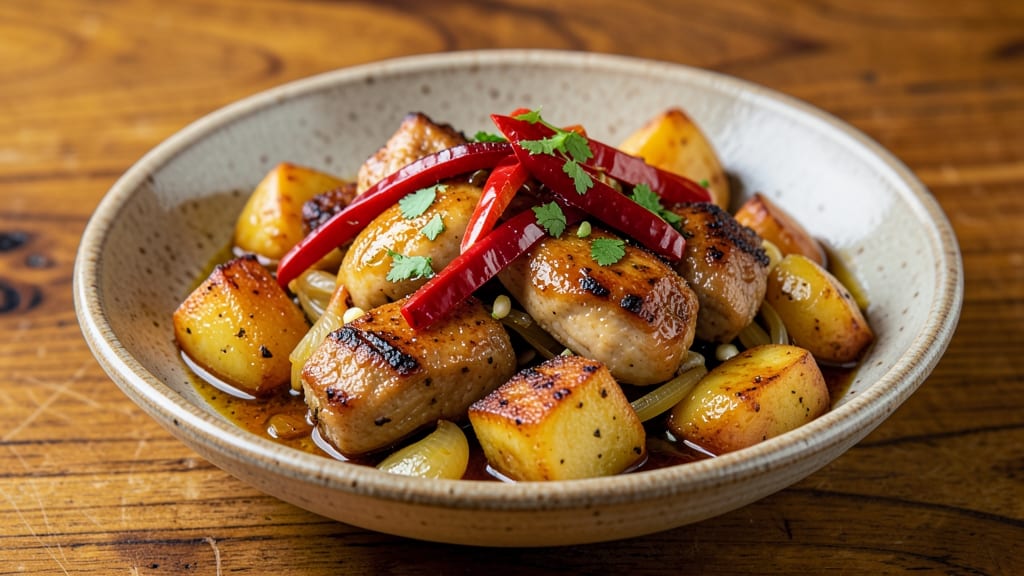
Chicken and pork afritada brings the comforting flavors of Panlasang Pinoy to your table with its rich tomato sauce and tender meat. This classic Filipino dish transforms simple ingredients into a hearty meal that pairs perfectly with steamed rice. After years of perfecting the balance between sweet and tangy, I've developed a version that delivers restaurant-quality results in your own kitchen.
The secret lies in browning the meat properly—this creates deep, caramelized flavors that form the base of the sauce. A blend of tomatoes, bell peppers, and potatoes simmers together until everything is tender, while garlic and onions build layers of aromatic depth.
What makes this recipe special is how it combines two proteins for extra richness without sacrificing tenderness.
By the time you're done, you'll have a steaming pot of afritada with perfectly cooked chicken and pork swimming in a velvety tomato sauce. The flavors are balanced—sweet from the tomatoes, tangy from the vinegar, and rich from the meat—creating a dish that's both comforting and satisfying.
This is the kind of meal that makes weeknights feel special.
Serve it with steamed rice and a side of atchara or pickled vegetables for the full Filipino dining experience. The leftovers reheat beautifully, making this an ideal recipe for meal prep. Let's get cooking!
Ingredients for chicken and pork afritada recipe panlasang pinoy
Simple ingredients that transform into restaurant-quality Filipino comfort food.
| Ingredient | Amount | Notes |
|---|---|---|
| Boneless Chicken Thighs 🍗 | 1 ½ lb | Skin-on preferred for flavor |
| Pork Shoulder 🥩 | 1 ½ lb | Cut into 1-inch cubes |
| Yellow Onions 🧅 | 2 whole | Medium size, sliced |
| Garlic Cloves 🧄 | 6 cloves | Minced for aromatic base |
| Red Bell Peppers 🌶️ | 2 whole | Medium, sliced into strips |
| Russet Potatoes 🥔 | 2 lb | Cut into 1-inch chunks |
| Canned Tomato Sauce 🍅 | 2 cups | San Marzano preferred |
| Canned Tomatoes 🍅 | 1 can | 14.5 oz, diced |
| White Vinegar 💧 | ¼ cup | For tangy balance |
| Olive Oil 🫒 | ½ cup | Extra-virgin for richness |
| Salt 🧂 | 1 ½ tsp | Kosher or sea salt |
| Black Pepper 🌶️ | ½ tsp | Freshly ground preferred |
| Bay Leaves 🌿 | 2 whole | For aromatic depth |
| Sugar 🍬 | 1 tbsp | Balances acidity |
The meat is everything here. Chicken thighs stay juicy while the pork shoulder breaks down beautifully—skip the lean cuts. Look for bone-in chicken at the butcher counter for extra flavor (and ask for it cut into even pieces). The pork shoulder from Costco or your local Filipino market is ideal, but any pork roast works. For tomatoes, San Marzano cans make a world of difference, but any good-quality canned tomatoes will do. The key is to brown the meat well—this builds the rich base for that velvety sauce.
No San Marzano tomatoes? Any canned tomatoes work, but drain them well to avoid watery sauce. Short on vinegar? Lemon juice at half the amount gives a similar tang. The potatoes can be Yukon Golds if you prefer creamier texture. For extra richness, add 1 tbsp soy sauce or a pinch of MSG (if you're using it). The bay leaves are non-negotiable—they add that deep, earthy note that makes this dish sing. If you've got fresh bay leaves from your garden, use them instead of dried (just halve the amount).
This reheats like a dream—better the next day, honestly. Store leftovers in the fridge for 4-5 days or freeze for 3 months. I like to portion it into containers with rice so I can grab it for quick lunches. The sauce thickens as it cools, so add a splash of water or broth if it seems too thick when reheating. For meal prep, cook a double batch—the extra sauce freezes perfectly for future use.
Why You'll Love This Recipe
- One-Pot Magic: I swear by this recipe when I’m too tired to clean a million dishes—just toss the chicken thighs, pork shoulder, onions, and bell peppers into one pot with the garlic, soy sauce, and vinegar. The meat falls off the bone, and the veggies soften just enough to soak up all the savory goodness without any extra effort.
- Garlic Bomb Flavor: Between us, the garlic and onions caramelize into this unreal depth—sweet, sticky, and packed with umami from the pork and chicken. The red bell peppers add a subtle crunch and brightness that cuts through the richness, making every bite feel like a hug from my lola’s kitchen.
- Leftover Goldmine: This dish actually tastes better the next day—yes, really. The flavors meld into something even richer, and it reheats like a dream. I freeze portions too, because nothing beats pulling out a ready-to-go meal when I’m too wiped to cook.
- Budget-Friendly Feast: Pork shoulder and chicken thighs are cheap cuts that turn into a hearty, satisfying dish. A single batch feeds my family of four (plus my dog, who "helps" me taste-test) and costs less than takeout. Honestly, it’s the kind of recipe that makes me proud of my grocery bill.
Step-by-step instructions for chicken and pork afritada
This classic Filipino comfort dish delivers melt-in-your-mouth meat and rich tomato sauce every time.
Sear the Chicken and Pork for Maximum Flavor
Heat the 0.5 cup olive oil in a large Dutch oven over medium-high heat until shimmering. Add the 1.5 lb pork shoulder cut into 1-inch cubes and cook for 5-6 minutes, stirring occasionally, until the edges turn golden brown. Remove and set aside.
In the same pot, add the 1.5 lb boneless chicken thighs (skin-on if using) and cook for 4-5 minutes per side until the chicken develops a golden crust. The skin should release easily from the pan when ready. Remove both meats and set aside with the pork.
This searing step creates a deep, caramelized flavor that forms the foundation of the dish. Don't rush it—golden brown means maximum flavor. If the oil starts smoking, reduce the heat slightly to prevent burning.
Build the Aromatic Base with Onions and Peppers
In the same Dutch oven, add the 2 whole yellow onions (sliced) and 2 whole red bell peppers (cut into strips). Cook over medium heat for 6-7 minutes until the onions soften and the peppers begin to caramelize slightly. Stir occasionally to prevent sticking.
Add the 6 cloves garlic cloves (minced) and cook for another 30 seconds until fragrant. You'll know it's ready when you can smell that rich garlic aroma filling your kitchen. This aromatic base is what makes afritada so flavorful.
Here's the thing—don't let the garlic burn. It should just barely color and release its aroma, not turn dark brown. If it starts to darken too quickly, remove the pot from heat for a moment.
Simmer the Tomato Sauce with Vinegar and Sugar
Pour in the 2 cups canned tomato sauce, 1 can canned tomatoes (diced), 0.25 cup white vinegar, and 1 tbsp sugar. Stir well to combine, then add the 1.5 tsp salt and 0.5 tsp black pepper. Bring the mixture to a gentle boil over medium heat.
Once boiling, add the 2 whole bay leaves and reduce the heat to low. Let it simmer uncovered for 10 minutes to allow the flavors to meld together. This step develops the sauce's depth and balances the acidity from the vinegar with the sweetness of the sugar.
I always taste the sauce at this point to adjust seasoning. If it needs more salt or acid, now's the time to add it. The sauce should be slightly thick but still pourable at this stage.
Braise the Meat Until Fork-Tender
Return the seared chicken and pork to the Dutch oven. Add the 2 lb russet potatoes (cut into 1-inch chunks) and stir gently to coat everything with the sauce. Bring back to a gentle simmer, then cover and cook on low heat for 45-50 minutes.
After 30 minutes, check the meat for tenderness. The chicken should pull apart easily with a fork, and the pork should be soft but still slightly firm. If it's not quite there, continue cooking for another 10-15 minutes, checking occasionally to ensure the sauce doesn't reduce too much.
This long, slow cooking process is what makes afritada so special. The meat becomes incredibly tender while absorbing all that rich tomato flavor. Don't be tempted to rush it—patience here pays off with melt-in-your-mouth results.
Adjust Consistency and Serve
Once the meat is fork-tender, remove the bay leaves and adjust the sauce consistency if needed. If it's too thick, add 2-3 tablespoons of water at a time until it reaches your desired consistency. For a richer sauce, you can also mash a few potato chunks against the side of the pot to thicken it naturally.
Taste and adjust seasoning one final time. Serve the afritada hot, family-style, with steamed rice. The sauce should coat every bite of meat and potato, delivering that perfect balance of sweet, tangy, and savory flavors that make this dish so beloved.
This dish tastes even better the next day, so consider making extra for leftovers. The flavors continue to develop as it sits, making each bite even more delicious.
Pro Tips For Making Chicken And Pork Afritada Recipe Panlasang Pinoy
- CUT PORK THIN BEFORE SEARING: The pork shoulder in afritada can turn rubbery if you don’t handle it right. Slice it into ½-inch thick strips—thinner than you’d think—so it cooks evenly without drying out. I used to leave it thick, and it’d end up chewy even after hours of simmering.
- SAUTE ONIONS UNTIL CARAMELIZED: Don’t just cook the onions until soft—push them until they’re deep golden, almost sticky, before adding garlic. This builds the base flavor for the whole dish. I learned this the hard way when my first batch tasted bland because I rushed this step.
- ADD BELL PEPPERS LAST: Tossing in the red bell peppers too early makes them mushy. Wait until the meat is nearly done and the sauce has thickened—just 5-10 minutes before serving. They’ll stay crisp and bright, adding a pop of color and texture.
- USE COLD MEAT FOR CRISP CRUST: Pat the chicken thighs and pork strips completely dry before searing—even if it feels tedious. Cold meat browns better, giving you that perfect crust. I was skeptical until I tried it, and now I never skip this step.
Flavor customization for this dish
Spicy Kick
Crank up the heat by adding 1-2 tbsp of Penzeys brandy-spiced chili powder or 1 tbsp cayenne pepper when building the aromatic base. For a smoky twist, swap ½ cup of the tomato sauce with fire-roasted crushed tomatoes—they add depth while keeping the dish balanced.
I've found that ½ tsp of smoked paprika sprinkled over the finished dish adds a subtle smokiness that pairs beautifully with the vinegar's tang. 🌶️
Sweet and Tangy
Boost the sweetness by adding 2 tbsp of pineapple juice or 1 tbsp of honey to the sauce while simmering. For extra tang, increase the white vinegar to ⅓ cup and add 1 tsp of fish sauce (like Red Boat brand) for that umami punch.
My Filipino neighbor swears by 1 tbsp of calamansi juice (or substitute with lime) for a bright citrus finish that cuts through the richness. 🍍
Creamy Twist
For a richer texture, stir in ½ cup of coconut milk during the final 10 minutes of simmering. This adds a velvety quality that balances the acidity beautifully.
Another option is to blend ½ cup of the sauce with ¼ cup of heavy cream and swirl it back in—this creates a luxurious sauce without overpowering the dish. I love this version for special occasions when I want to impress guests. 🥥
Herb Infusion
Fresh herbs elevate this dish to restaurant-quality. Add 2 tbsp of chopped cilantro or 1 tbsp of Thai basil at the very end for a bright, aromatic finish. For a more traditional touch, incorporate 1 tsp of dried oregano when building the sauce base.
If you're feeling adventurous, try ½ tsp of dried lemongrass (finely ground) for a fragrant, citrusy note that pairs perfectly with the tomatoes. 🌿
Umami Boost
Deepen the savory profile by adding 1 tbsp of soy sauce or 1 tsp of Worcestershire sauce to the simmering sauce. For a vegetarian-friendly umami kick, stir in 1 tbsp of mushroom powder or 2 tbsp of soy sauce when building the sauce.
My go-to is 1 tsp of fish sauce (like Red Boat brand)—it adds that essential fifth flavor without overpowering. 🍄
Nutrition facts
Frequently asked questions
Can I substitute chicken breast for chicken thighs in this recipe?
I wouldn't recommend it—chicken thighs stay juicier and more tender during the long braising time. If you must use breast, opt for bone-in, skin-on pieces for better flavor retention. The skin adds richness to the sauce, and bones contribute to the broth-like quality that makes this dish so satisfying.
How can I make this dish less acidic if I don't like vinegar?
Reduce the white vinegar to 2 tablespoons and replace the remaining 2 tablespoons with lemon juice or pineapple juice for a milder tang. For a completely non-acidic version, omit the vinegar entirely and add 1 extra tablespoon of sugar to balance the tomatoes' natural acidity.
What's the best way to reheat afritada without drying out the meat?
Reheat gently on the stovetop over low heat with 2-3 tablespoons of water or chicken broth added to the pot. Cover and simmer for 10-15 minutes until everything is heated through. Microwave reheating works too—cover with a damp paper towel and heat in 1-minute intervals, stirring between each. The sauce will thicken as it cools, so add a splash of liquid if needed.
Can I make this dish in a slow cooker for hands-off cooking?
Brown the meat in a skillet first, then transfer everything to your slow cooker. Cook on low for 6-7 hours or high for 3-4 hours, adding potatoes during the last 1 hour of cooking. The slow cooker method works beautifully and makes this dish perfect for busy weeknights. Just add 1 extra tablespoon of tomato paste to thicken the sauce since slow cookers can make sauces more watery.
What are the best sides to serve with afritada?
Steamed white rice is the classic pairing, but you can also serve it with garlic fried rice, sinangag (garlic rice), or jasmine rice for extra flavor. For a complete meal, add pinakbet (vegetable ginataang), atchara (Filipino pickles), or a simple green salad with a tangy vinaigrette. The acidity of the pickles cuts through the richness of the meat beautifully.