
Main Courses
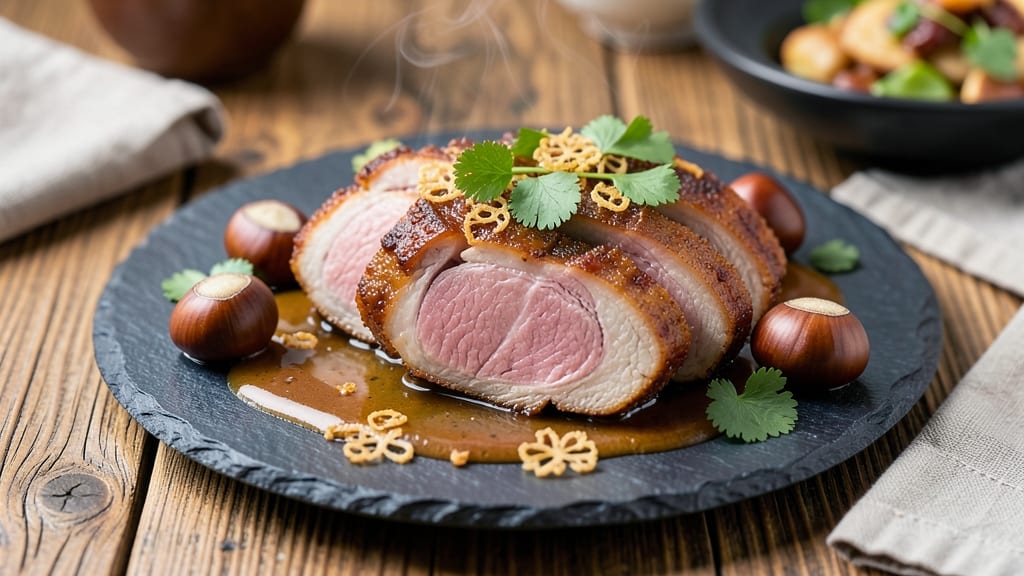
This Chinese chestnut pork recipe transforms humble pork into a luxurious Cantonese braise where sweet, savory, and crunchy elements dance in perfect harmony. 🌟 My grandmother’s handwritten notes revealed the secret: slow-braising tenderizes the meat while chestnuts add earthy sweetness and texture.
The result? A dish that tastes like a dim sum feast but comes together with simple pantry staples and patience.
The magic lies in the balance—sweet soy glaze caramelizes into a sticky coating, while star anise and cinnamon infuse warmth without overpowering. Chestnuts, roasted until crispy, provide the perfect contrast to the melt-in-your-mouth pork.
This isn’t just a recipe; it’s a restaurant-quality technique you can master at home, even if your kitchen skills are still developing.
By the time you’re done, you’ll have golden-brown pork with a glossy glaze, chestnuts that crunch satisfyingly, and a sauce rich enough to spoon straight from the pot. Serve it over steamed rice or with quick-pickled greens to cut through the richness.
The aroma alone will have everyone at the table wondering where you learned to cook like this.
What makes this recipe special is its versatility—use pork shoulder for maximum tenderness, or swap in pork belly for a fattier, more decadent bite. The same technique works for chicken or tofu, proving that a few well-chosen ingredients and slow cooking can elevate any protein.
Let’s get to work—your taste buds will thank you.
Ingredients for chestnut pork recipe chinese
Sweet, savory, and crunchy ingredients that transform simple pork into a Cantonese masterpiece.
| Ingredient | Amount | Notes |
|---|---|---|
| Pork Shoulder 🥩 | 1 ½ lb | Boneless, cut into 1-inch cubes |
| Chestnuts 🌰 | 1 cup | Fresh or vacuum-packed, peeled |
| Light Soy Sauce 🥄 | ½ cup | High-quality brand preferred |
| Dark Soy Sauce 🥄 | 1 tbsp | For deep color and flavor |
| Shaoxing Wine 🍷 | ¼ cup | Or substitute with dry sherry |
| Brown Sugar 🍯 | ¼ cup | Packed, for caramelization |
| Star Anise 🌿 | 2 whole | Crushed lightly for aroma |
| Cinnamon Stick 🌿 | 1 whole | For subtle warmth |
| Garlic Cloves 🧄 | 4 cloves | Minced for depth |
| Fresh Ginger 🧅 | 1 tbsp | Grated, for zesty kick |
| Green Onions 🧅 | 2 whole | Sliced, for garnish |
| Sesame Oil 🫒 | 1 tsp | For finishing aroma |
| Vegetable Oil 🫒 | 2 tbsp | High smoke point for searing |
| Cornstarch 🌾 | 1 tbsp | For thickening sauce |
The pork shoulder is your canvas here—look for pieces with good marbling for that melt-in-your-mouth texture. Costco or Whole Foods often carry pre-cut pork shoulder, but if you're buying a whole roast, ask the butcher to trim off the fat cap. Chestnuts are the star of this dish, so don’t skimp on quality—vacuum-packed or fresh in season work best. If you can’t find peeled chestnuts, boil them for 15 minutes first to remove the skins easily. The Shaoxing wine adds depth, but dry sherry in a pinch works too—just make sure it’s not too sweet.
No Shaoxing wine? Dry vermouth or even a good white wine will do. The star anise and cinnamon are non-negotiable for that authentic Cantonese aroma, but if you can’t find them, a pinch of ground cinnamon and a bay leaf will get you close. For the chestnuts, roast them until they’re golden and crispy—this is where the texture magic happens. The brown sugar should be packed into the measuring cup for accurate caramelization. And if you’re feeling lazy, pre-minced garlic and ginger from the freezer aisle will save you time without sacrificing flavor.
This dish tastes even better the next day, so make extra if you can—it keeps well for 4-5 days in the fridge. For longer storage, freeze portions in airtight containers for up to 3 months. The chestnuts can be roasted ahead and stored in an airtight container at room temperature for 1 week. When reheating, add a splash of water to prevent the sauce from thickening too much. Serve over steamed jasmine rice to soak up all that glorious sauce.
Why You'll Love This Recipe
- One-Pan Wonder: I swear by this recipe when I’m too tired to do dishes. The pork shoulder and chestnuts simmer together in the same pot—the only cleanup is a single spoon and maybe a quick wipe of the stove. Honestly, that’s half the battle right there.
- Sweet-Savory Magic: Between us, the combo of Shaoxing wine and dark soy sauce is chef’s kiss—deep, caramelized, with just enough umami to make your taste buds sing. The chestnuts add this unexpected creamy texture that balances the richness of the pork like nothing else.
- Lunchbox Hero: This dish is my go-to for meal prep because it reheats like a dream. Pack the leftovers in containers, and by the next day, the flavors only get better—perfect for lunches or feeding a crowd without stress. (Yes, even on a Tuesday night.)
- Budget Stretch: Pork shoulder is the ultimate affordable cut, and chestnuts in cans or frozen bags keep costs down. A single batch feeds four for dinner and still leaves enough for leftovers—no wasted ingredients, just pure value. My wallet thanks me every time.
Step-by-step instructions for sweet-savory Cantonese braise
Here's how to create that perfect balance of tender pork, sweet chestnuts, and aromatic spices.
🍳 Step 1: Sear the Pork Shoulder for Deep Flavor
Heat 2 tablespoons vegetable oil in a heavy-bottomed Dutch oven over medium-high heat until shimmering. Add the 1.5 lb pork shoulder cubes in a single layer, working in batches if needed, and sear for 3-4 minutes per side until deep golden brown. This creates that fundamental caramelization that builds the sauce's depth.
Here's the thing - don't crowd the pan. You want those pork pieces to develop a good crust without steaming. I press down gently on the fillets during the first minute to ensure even contact with the pan. If it sticks, don't panic - add a splash of water and scrape up those browned bits with a wooden spoon. Those bits are pure flavor.
👨🍳 Step 2: Build the Aromatic Base
Once all pork is browned, remove it from the pot and set aside. In the same pot, add 4 minced garlic cloves and 1 tablespoon grated fresh ginger, cooking for 30 seconds until fragrant. This quick sauté unlocks their full potential without burning.
Add the 2 crushed whole star anise and 1 whole cinnamon stick to the pot. Pour in 0.25 cup Shaoxing Wine and scrape up all those browned bits from the bottom - this is where the magic happens. Let it simmer for 2 minutes until the alcohol burns off and you smell that deep, aromatic base developing.
🥘 Step 3: Braise with Sweet-Savory Balance
Return the pork to the pot. Add 1 cup chestnuts, 0.5 cup light soy sauce, 1 tablespoon dark soy sauce, and 0.25 cup packed brown sugar. Stir gently to combine, then pour in just enough water to come about halfway up the pork pieces - roughly 1½ cups. Bring to a gentle simmer.
Here's the moment that matters: cover the pot and simmer over low heat for 1 hour and 15 minutes, stirring occasionally. The pork should be fork-tender and the sauce should reduce to a glossy consistency. If it gets too dry, add 2-3 tablespoons water at a time. The chestnuts should be tender but still hold their shape - they'll become beautifully caramelized.
⏰ Step 4: Thicken and Finish with Sesame Oil
In a small bowl, whisk together 1 tablespoon cornstarch with 2 tablespoons cold water to form a smooth slurry. Stir this into the braising liquid and simmer for 2-3 minutes until the sauce thickens enough to coat the back of a spoon. You want it glossy but still pourable - not gluey.
Remove the cinnamon stick and star anise (they've done their job). Stir in 1 teaspoon sesame oil and taste. Adjust seasoning with a touch more light soy sauce if needed - the dark soy sauce provides that deep color we want. The sauce should be sweet-savory with a subtle nutty depth from the chestnuts.
🍽️ Step 5: Garnish and Serve
Transfer the braised pork and chestnuts to a serving platter. Garnish with 2 sliced green onions and serve immediately with steamed jasmine rice. The pork should pull apart easily with two forks, and each bite should deliver that perfect marriage of tender meat, sweet chestnuts, and rich sauce.
Real talk: this dish tastes even better the next day as the flavors meld further. The chestnuts become more caramelized and the pork more tender. Store any leftovers in the refrigerator for up to 3 days, reheating gently on the stove with a splash of water to restore the sauce's gloss.
Pro Tips For Making Chestnut Pork Recipe Chinese
- Sear Pork First: Don’t skip the initial sear—get that pork shoulder sizzling hard in the wok or pot for 3-4 minutes per side before adding liquid. I learned this the hard way when my pork turned out bland and gray; that crust locks in flavor and keeps the meat from drying out later.
- Blanch Chestnuts: Peel and blanch chestnuts in boiling water for 2 minutes before adding them to the braise. This softens them just enough to absorb flavors without turning mushy—my grandmother swore by this, and she was right: skipping it makes them taste like sawdust.
- Deglaze with Shaoxing: After searing the pork, immediately splash in 2 tablespoons of Shaoxing Wine and let it bubble for 30 seconds before adding soy sauces. That quick step pulls up all the meaty bits stuck to the pan—resist the urge to rush, and you’ll get deeper flavor.
- Simmer Low and Slow: Once everything’s in the pot, keep the heat at a gentle simmer (small bubbles, not a rolling boil) for at least 1.5 hours. I was skeptical until I tried it: high heat makes the pork tough, but low and steady turns it melt-in-your-mouth tender.
Flavor customization for this chestnut pork recipe chinese
Sweet Heat Twist
For a spicy kick, add 1 tbsp chili crisp or 1 tsp Szechuan peppercorn powder when building the aromatic base. This Sichuan-inspired variation adds tingling heat while keeping the sweet-savory balance. I like to finish with extra chili oil drizzle and thinly sliced scallions for freshness. 🌶️
Umami Boost
Swap 1 tbsp of the light soy sauce for 1 tbsp fermented black beans (douchi) or 1 tsp mushroom powder. These umami bombs deepen the sauce's complexity without altering the sweet profile. I find 365 brand fermented black beans work perfectly for this Cantonese technique.
Caramelized Onion Depth
Sauté 1 cup thinly sliced onions in 1 tbsp vegetable oil until deep golden brown (about 15 minutes). Add these to the braising liquid along with the chestnuts. The caramelized onions dissolve into the sauce, creating a richer, more complex flavor profile that pairs beautifully with the pork's tenderness.
Honey-Glazed Option
Replace half the brown sugar with ¼ cup honey for a sweeter, more modern take. This variation works especially well with pork belly instead of shoulder. The honey caramelizes more quickly, so reduce the braising time by 15-20 minutes to prevent overcooking the meat.
Herbaceous Garnish
Finish with 1 tbsp chopped cilantro or thinly sliced Thai basil for a fresh herbal note. These herbs brighten the dish's richness and add a vibrant pop of color. I particularly love the contrast of basil's peppery edge against the sweet chestnuts and pork.
Smoky Variation
Add 1 tsp smoked paprika or ½ tsp liquid smoke to the braising liquid for a subtle smoky depth. This works beautifully with pork belly and pairs well with pickled jalapeños** on the side. The smoke enhances the chestnuts' earthy sweetness while adding complexity to the pork's flavor profile.
Nutrition facts
Frequently asked questions
Can I use pork belly instead of pork shoulder in this recipe?
Pork belly works beautifully and adds a richer, fattier texture. For best results, cut it into ½-inch thick slices and reduce the braising time by 15-20 minutes since the fat renders faster. The extra fat will create a more decadent sauce—just skim off excess fat if you prefer a lighter finish.
What if I can't find Shaoxing wine? What's a good substitute?
No problem! Use dry sherry, dry vermouth, or even white wine in a pinch. Avoid sweet wines—they’ll throw off the balance. Just ensure it’s bone-dry to maintain the dish’s savory depth. A splash of apple cider vinegar (1 tsp) can also help mimic the wine’s acidity if needed.
How do I know when the chestnuts are done?
They’re ready when they’re tender but still slightly firm—like al dente pasta. Press one with a fork; it should yield slightly but not turn to mush. Overcooking turns them pasty. If they’re still hard after 1 hour and 15 minutes of braising, add 5 minutes more and check again. Fresh chestnuts cook faster than canned.
Can I make this recipe in a slow cooker?
Yes! Sear the pork first, then transfer everything (including spices and chestnuts) to the slow cooker. Use low heat for 6-7 hours or high heat for 3-4 hours. The sauce will be thinner—thicken it at the end with the cornstarch slurry. Skip the sesame oil until serving to preserve its aroma.
Why did my sauce turn out too salty?
Dark soy sauce is the culprit—it’s much saltier than light soy. Next time, reduce it to ½ tablespoon or balance it with 1-2 tablespoons water or a pinch of sugar. Taste as you go! If it’s already cooked, stir in 1 tbsp honey or brown sugar to counteract the saltiness.