
Main Courses
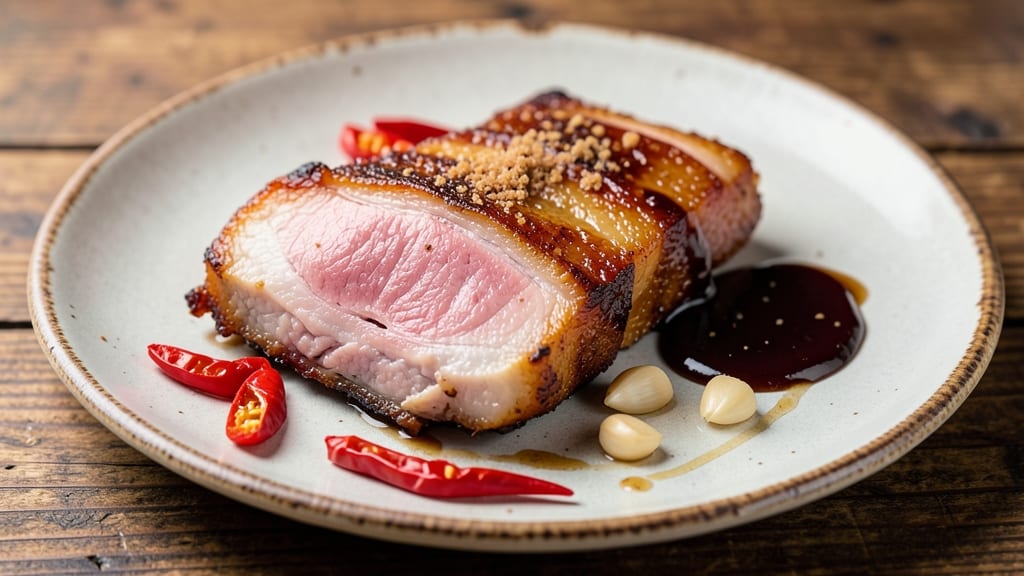
This Chairman Mao's pork belly recipe delivers the perfect balance of crispy bark and tender, sweet-savory meat that defines Chinese comfort food. 🔥 The secret lies in slow-braising the pork belly until it's fork-tender, then finishing with a sticky-sweet soy glaze that caramelizes into a glossy crust.
I've adapted this classic technique for modern kitchens while keeping the soul of the original intact—no pressure cooker required, just patience and precision.
What sets this dish apart is the two-stage cooking process: first, the pork belly braises gently in a flavorful broth until it reaches melt-in-your-mouth tenderness. Then, it's finished in the oven to develop that coveted crispy bark while the glaze transforms into a glossy, caramelized finish.
The result is a dish that's both restaurant-worthy and deeply comforting, with layers of umami from the soy sauce and depth from star anise and cinnamon.
By the time you serve this dish, you'll have perfectly cooked pork belly with a crackling exterior and silky interior, all coated in that addictive sweet-savory glaze. The aroma alone will bring everyone to the table, and the first bite delivers on that legendary combination of textures and flavors.
This is the kind of dish that tastes even better the next day, making it perfect for meal prep or special occasions.
Pair it with steamed jasmine rice and quick-pickled vegetables for a complete meal that honors the dish's origins while fitting seamlessly into your modern kitchen routine.
The technique is straightforward once you understand the key steps—slow cooking for tenderness, then high heat for crispiness—and the results will impress even the most discerning guests.
Ingredients for chairman mao pork belly
Pork belly, aromatic spices, and a perfect sweet-savory glaze create this iconic dish.
| Ingredient | Amount | Notes |
|---|---|---|
| Pork Belly 🥓 | 2 lb | Skin-on, cut into 1-inch cubes |
| Light Soy Sauce 🍶 | ½ cup | Kikkoman preferred for balance |
| Dark Soy Sauce 🍶 | ¼ cup | For deep umami richness |
| Brown Sugar 🍬 | ½ cup | Packed, for caramelization |
| Rice Vinegar 🍶 | ¼ cup | Seasoned preferred for depth |
| Garlic Cloves 🧄 | 6 cloves | Minced, for aromatic base |
| Fresh Ginger 🌿 | ¼ cup | Finely grated, peeled |
| Star Anise Pods 🌶️ | 2 whole | For authentic Chinese spice |
| Cinnamon Sticks 🌿 | 2 whole | For warm depth of flavor |
| Green Onions 🧅 | 4 whole | Sliced, for fresh finish |
| Sesame Oil 🫒 | 1 tbsp | Toasted, for nutty aroma |
| Vegetable Oil 🫒 | 2 tbsp | For searing pork belly |
| Water 💧 | 1 cup | For braising liquid |
| Salt 🧂 | 1 ½ tsp | Kosher, for seasoning |
| Black Peppercorns 🌶️ | ½ tsp | Freshly cracked for heat |
The pork belly is the star—look for thick cuts with good marbling at Whole Foods or your local Asian market. Costco often has great deals on large pieces, but if you're buying a smaller cut, make sure it's at least 1-inch thick for even cooking. The skin should be crisp and unbroken, indicating freshness. For the soy sauces, Kikkoman light and dark are my go-to, but any high-quality brands work. The brown sugar should be packed tightly into the measuring cup to avoid air pockets that affect caramelization. Star anise and cinnamon can be found in the spice aisle or the international section of most grocery stores—Penzeys has a great selection if you want to splurge on whole spices.
No light soy sauce? Substitute with an extra 2 tablespoons of dark soy sauce, though the color will be deeper. Running out of brown sugar? White sugar works in a pinch, but the caramelization won't be as rich. Fresh ginger is ideal, but if you're using powdered, reduce to half the amount—it's much more concentrated. For the garlic, I always use fresh because it adds a depth that powdered just can't match. The green onions can be swapped for scallions if that's what you have on hand. If you're feeling adventurous, add a dash of Chinese five-spice powder to the braising liquid for extra complexity. The sesame oil should be toasted—heat it gently in a pan until it smells nutty, then cool before using.
This dish tastes even better the next day—plan ahead! Store leftovers in an airtight container in the fridge for up to 5 days, or freeze for 3 months. Reheat in a skillet over medium heat until the glaze is bubbly and the pork is warmed through. The pork belly keeps well, so I often make a double batch—one for dinner and one to freeze for lazy weeknights. If you're prepping ahead, you can braise the pork belly a day in advance, then finish it in the oven when you're ready to serve. Just cover it tightly with foil and refrigerate until you're ready to crisp it up.
Why You'll Love This Recipe
- Here’s what sold me: that perfect push-and-pull of flavors. The light soy sauce keeps it bright, while the dark soy sauce adds richness, and the rice vinegar cuts through the sweetness like a refreshing contrast. The pork belly? Buttery, crispy on the edges, tender in the middle—it’s the kind of dish that makes you pause mid-bite just to appreciate how well everything works together.
- Five-Ingredient Magic: I swear, this recipe is the kind of thing you’ll make just to prove you can pull it off. Pork belly, soy sauces, sugar, vinegar—that’s it. No fancy herbs or obscure spices cluttering your pantry. The dark soy sauce alone gives it that deep, glossy sheen, and the brown sugar melts into caramelized perfection with almost no effort on your part.
- Sweet-Savory Balance: Here’s what sold me: that perfect push-and-pull of flavors. The light soy sauce keeps it bright, while the dark soy sauce adds richness, and the rice vinegar cuts through the sweetness like a refreshing contrast. The pork belly? Buttery, crispy on the edges, tender in the middle—it’s the kind of dish that makes you pause mid-bite just to appreciate how well everything works together.
- Leftover Goldmine: Between us, this is the recipe I make on purpose to have leftovers. The flavors only get better the next day, especially when reheated gently in a skillet. Pack it in bento boxes for work or freeze portions for lazy nights—it’s that reliable. Honestly, I’ve even served it cold in rice bowls when I’m too tired to reheat, and no one complains.
Step-by-step instructions for Chairman Mao's pork belly
Here's how to create that legendary contrast of crispy bark and silky glaze—every bite delivers.
🔥 Step 1: Sear the Pork Belly for Maximum Crisp
Heat a heavy-bottomed pot over medium-high heat and add the 2 tablespoons vegetable oil. Once shimmering, add the 2 lb pork belly cubes in a single layer, skin-side down. Let them sear undisturbed for 5-6 minutes until the skin turns a deep golden brown and releases easily from the pan.
Here's the thing—don't rush this step. You're building that legendary bark that shatters like glass. If the pork releases too easily before 5 minutes, it's not ready. Flip the cubes and sear the other side for another 4-5 minutes until golden. Remove the pork and set aside—those beautiful browned bits will become part of our sauce.
🍳 Step 2: Build the Aromatic Glaze Base
In the same pot (no need to clean it—those browned bits are flavor gold), add 2 tablespoons vegetable oil if needed and reduce heat to medium. Add the 6 minced garlic cloves and ¼ cup finely grated fresh ginger, cooking for 1 minute until fragrant but not browned. Add the 2 whole star anise pods and 2 whole cinnamon sticks—these will infuse that authentic Chinese warmth.
Pour in the ½ cup light soy sauce, ¼ cup dark soy sauce, and ½ cup packed brown sugar. Stir to combine, then add the 1 cup water and ¼ cup rice vinegar. Bring to a gentle simmer and let it reduce by half—about 10-12 minutes—until it thickens slightly and coats the back of a spoon. This is where all the magic happens.
🥘 Step 3: Braise Until Tender with Perfect Glaze
Return the seared pork belly to the pot, skin-side up. Add the 1½ teaspoons salt and ½ teaspoon cracked black peppercorns, then pour in enough water to just cover the pork (about ½ cup more). Bring to a gentle simmer, then reduce heat to low and cover partially.
Simmer for 1 hour 15 minutes until the pork is fork-tender with a knife sliding in easily. Here's the trick: check the liquid level every 20 minutes and add ¼ cup water if it reduces too much. You want a glossy, slightly sticky glaze—not dry, not soupy, but that perfect balance that clings to every bite.
🔥 Step 4: Crisp the Skin and Finish the Glaze
Increase heat to medium-high and uncover the pot. Let the liquid reduce dramatically for 5-7 minutes until it forms a thick, syrupy glaze. This is where the pork belly transforms—those crispy skin layers form while the meat stays silky inside. Watch carefully—the glaze should coat the back of a spoon and be thick enough to hold its shape.
When the skin is crispy and the glaze reaches your desired consistency, remove the pork and arrange it on a platter. Spoon the glaze generously over the top, then drizzle with 1 tablespoon toasted sesame oil. Garnish with 4 sliced green onions for that fresh finish that cuts through the richness.
Pro Tips For Making Chairman Mao Pork Belly
- CRISP THE BELLY FIRST: High heat is your friend here—sear the pork belly slices until the edges turn golden and the fat renders fast. I used to rush this, and the dish lost that crispy contrast. Get it hot enough to sizzle, then flip once. That’s where the texture magic happens.
- USE BOTH SOY SAUCES: Light soy sauce adds color, dark soy sauce adds depth—don’t skip either. Mix them in a 3:1 ratio (light to dark) when coating the pork. I learned this the hard way when my dish looked pale and tasted flat. Trust the balance.
- DON’T SKIP THE VINEGAR REST: After braising, let the pork belly sit in the vinegar sauce for at least 15 minutes. This isn’t just for flavor—it tenderizes the edges and cuts through the richness. I know, I know, you’re eager to eat it, but resist. The wait makes it worth it.
- SWEAT THE SUGAR LOW: Brown sugar caramelizes fast, so keep the heat low when adding it to the sauce. If you rush, you’ll end up with burnt bits instead of a glossy glaze. Stir constantly and watch like a hawk—this is the thing that matters most for that sticky, glossy finish.
Flavor customization for chairman mao pork belly
Sweet Heat Balance
Adjust the sweetness-to-heat ratio by tweaking the brown sugar and soy sauce. For extra sweetness, add 1 tablespoon honey or 1 teaspoon rock sugar to the glaze—this enhances caramelization and balances any spice.
If you prefer heat, swap ½ teaspoon of the brown sugar for ½ teaspoon gochugaru (Korean chili flakes) or ¼ teaspoon Sichuan peppercorns for a numbing kick. I often add a pinch of chili oil at the end for a smoky finish. 🌶️
Spice Variations
Infuse the braising liquid with regional spices for depth. For a Sichuan twist, add 1 teaspoon doubanjiang (chili bean paste) and ½ teaspoon Sichuan peppercorns to the glaze. A Cantonese version calls for ½ teaspoon white pepper and 1 cinnamon stick crushed lightly.
If you love warmth, toast ½ teaspoon fennel seeds in the pot before adding aromatics—they add an anise-like note. 🌿
Texture Adjustments
Want extra crispiness? After braising, transfer the pork to a baking sheet and broil for 2-3 minutes at 450°F to intensify the bark. For a silky finish, reduce the braising time by 15 minutes and cover with foil to trap moisture.
I’ve also found that adding 1 tablespoon cornstarch to the glaze thickens it further, creating a glossier, stickier coating. 🔥
Dietary Swaps
For a lighter version, reduce the pork belly to 1.5 lbs and increase the braising liquid by ½ cup water. Swap brown sugar for maple syrup (same amount) to make it vegan-friendly. If avoiding gluten, use tamari instead of soy sauce—just note the flavor will be slightly less complex.
For a protein-packed twist, add ½ cup mushrooms (sliced shiitake or oyster) to the braising pot for umami depth. 💡
Glaze Enhancements
Elevate the glaze with unexpected ingredients. Stir in 1 tablespoon hoisin sauce at the end for depth, or add ½ teaspoon grated orange zest for brightness. A splash of dry sherry (2 tablespoons) during braising adds complexity, while 1 teaspoon miso paste (white or red) boosts umami.
For a smoky note, char 1 dried red chili in a dry pan and steep it in the glaze for 5 minutes before removing. ✨
Nutrition facts
Frequently asked questions
Why does the pork belly need to sear first?
The initial sear creates that coveted crispy bark that shatters like glass when you bite in. This step locks in juices and develops deep maillard flavors that form the foundation of the dish's signature texture. Skipping it means you'll miss that satisfying contrast between crispy skin and tender meat.
Can I make this in a slow cooker?
Brown the pork first in a skillet, then transfer everything to your slow cooker on low for 6-7 hours. In the last 30 minutes, increase to high heat and uncover to reduce the glaze. The texture will be slightly softer but still delicious, perfect for busy weeknights.
How do I prevent the pork from getting too dry?
Keep the pork partially covered during braising and check liquid levels every 20 minutes, adding ¼ cup water if needed. The key is maintaining a gentle simmer—not a rolling boil—that keeps the meat moist while developing flavor. Never rush the cooking time either—pork belly needs patience to reach perfect tenderness.
What's the best way to reheat leftovers?
Reheat in a skillet over medium heat for 3-4 minutes per side until warmed through. The residual heat will help restore some crispiness to the skin. For extra crunch, broil for 1-2 minutes at the end. Store in an airtight container for up to 5 days—it actually tastes better the next day!
Can I substitute pork shoulder for pork belly?
While possible, pork belly's fat content is crucial for that signature texture. If you must substitute, use pork shoulder and reduce cooking time by 30 minutes, then finish with extra glaze to compensate for the leaner meat. The result won't be identical, but it'll still be flavorful. For best results, stick with pork belly—it's worth the investment!