
Main Courses
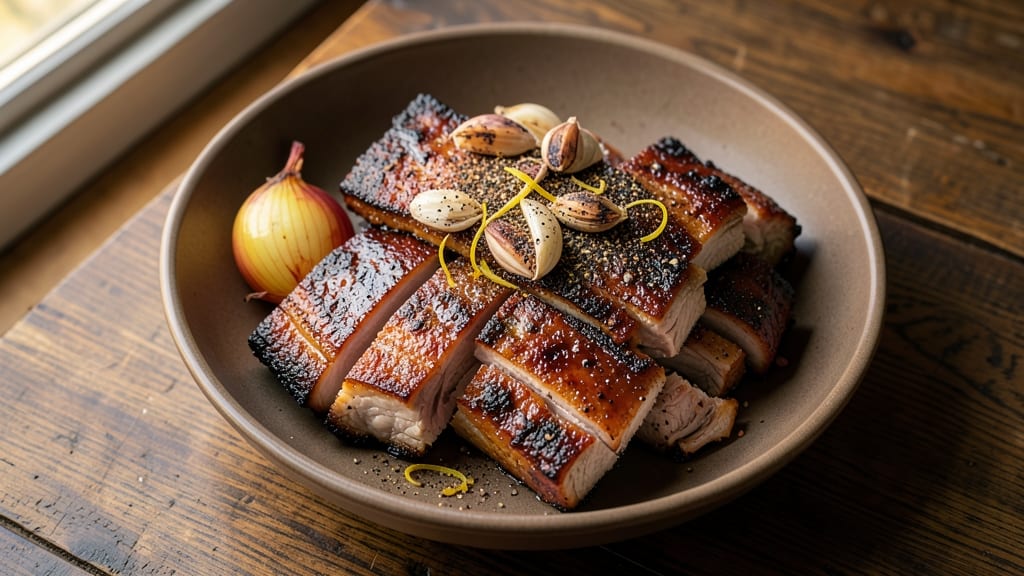
This center cut pork spare ribs recipe delivers melt-in-your-mouth tenderness with a caramelized crust that'll have your guests begging for seconds. After years of perfecting my technique—from trimming the meat to mastering the smoke—I've developed a method that transforms tough cuts into fall-apart perfection.
The secret lies in low-and-slow cooking paired with precise temperature control, ensuring every bite is juicy and deeply flavorful.
What sets these ribs apart is the balance between texture and flavor. We start with a dry rub that forms a flavorful crust while keeping the meat tender, then slow-smoke them until the internal temperature hits 203°F—that's the magic number for true fall-apart tenderness.
The result? Ribs with a crisp, caramelized exterior and meat so tender it practically melts on your plate. This isn't just another BBQ recipe; it's a restaurant-quality dish you can make at home.
The beauty of this method is its versatility. Whether you're hosting a backyard cookout or feeding a family dinner, these ribs deliver consistent results every time. Serve them with classic sides like creamy coleslaw, buttery cornbread, and pickled vegetables to round out the meal.
The smoky aroma alone will draw everyone to the table, and the first bite will silence any skepticism about home-smoked ribs.
With just a few simple ingredients and the right technique, you'll achieve professional-level results that taste like they came from a pitmaster's competition entry. The process might take time, but the reward—a perfectly executed plate of ribs—is worth every minute.
Let's get started on creating ribs that'll make you the star of any gathering.
Ingredients for center cut pork spare ribs
Six ingredients transform tough ribs into melt-in-your-mouth perfection with a caramelized crust.
| Ingredient | Amount | Notes |
|---|---|---|
| Center Cut Pork Spare Ribs 🍖 | 4 lb | Bone-in, trimmed of excess fat |
| Yellow Onion 🧅 | 1 whole | Large, thinly sliced |
| Garlic Cloves 🧄 | 8 cloves | Fresh, peeled and minced |
| Brown Sugar 🍚 | ½ cup | Packed, light brown preferred |
| Smoked Paprika 🌶️ | 2 tbsp | High quality, not sweet |
| Ground Black Pepper 🌶️ | 1 ½ tbsp | Freshly cracked |
| Kosher Salt 🧂 | ½ cup | Diamond Crystal preferred |
| Apple Cider Vinegar 🍎 | ¼ cup | For tenderizing marinade |
| Wood Chips 🌳 | 2 cups | Hickory or apple preferred |
| Butter 🧈 | 4 tbsp | Unsalted, melted for basting |
| Honey 🍯 | ¼ cup | Wildflower preferred |
| Beer 🍺 | 1 cup | Dark lager or amber ale |
The ribs are everything here—center cut is non-negotiable for tenderness, and 4 lbs feeds a hungry crowd. Look for meaty, well-marbled cuts at your butcher or Costco's pre-trimmed racks—they save time without sacrificing quality. Trim any silverskin or excess fat yourself for better bark formation. Freshly cracked black pepper and Diamond Crystal kosher salt (it's coarser, dissolves better) make the difference between good and restaurant-quality. For the wood chips, hickory gives classic BBQ smoke while apple adds subtle sweetness—mix them if you want both.
No brown sugar? Maple syrup or molasses at the same amount works, though the color will differ slightly. Running short on apple cider vinegar? Balsamic vinegar is a fine swap, but cut the amount to 2 tbsp—it's stronger. The beer isn't just for flavor; it tenderizes the meat. Stout or porter adds depth, but any amber lager will do. For the honey, avoid ultra-filtered brands—look for raw or wildflower varieties at Whole Foods or Trader Joe's for that floral complexity. If you're vegetarian, skip the ribs and use portobello mushrooms marinated overnight, but trust me, the pork is worth it.
Prep the ribs the night before—trim, rub, and refrigerate uncovered for maximum crust formation. The wood chips can be soaked in water for 30 minutes before smoking to prevent burning. Store leftover ribs in a sealed container with their juices for 3-4 days in the fridge, or freeze for up to 3 months. Reheat slowly in a 350°F oven with a splash of apple juice—never microwave, or you'll lose that perfect texture. Portion into individual racks for easy serving at gatherings, and save the bones for homemade stock—they're too good to waste.
Why You'll Love This Recipe
- One-Pan Magic: I swear by this recipe because it’s that simple—just ribs, onions, and a dry rub of garlic, brown sugar, and smoked paprika. No mess, no fuss, and the oven does all the work while I sip my coffee.
- Sweet-Smoky Crunch: That caramelized brown sugar crust? It’s the star. The ribs get sticky, smoky, and just tender enough that every bite feels like a hug—especially when the paprika adds that warm, earthy kick.
- Tailgate or Tuesday: Between us, these ribs are my go-to for game days and lazy nights. The leftovers reheat like a dream, and honestly? They’re just as good cold in a sandwich the next day.
- Budget Buster: A whole pack of center-cut ribs feeds four for half the cost of takeout. Plus, the ingredients are pantry staples—I’ve made this a dozen times with nothing extra. Pure win.
Step-by-step instructions for slow-smoked center cut pork spare ribs
Here's how to transform tough ribs into melt-in-your-mouth perfection with a caramelized crust.
Prepare the Dry Rub and Marinade
In a medium bowl, combine the 0.5 cup packed brown sugar, 2 tablespoons smoked paprika, 1.5 tablespoons freshly cracked black pepper, and 0.5 cup kosher salt. Mix thoroughly until the sugar dissolves completely and the spices are evenly distributed. This dry rub will create that signature dark bark while tenderizing the meat.
In a separate bowl, whisk together the 0.25 cup apple cider vinegar, 0.25 cup honey, and 1 cup dark lager or amber ale. This acidic marinade will break down tough fibers and add depth of flavor. Pour the marinade into a large resealable plastic bag and add the 4 lb center cut pork spare ribs. Seal the bag, removing as much air as possible, and massage the marinade into the ribs, coating them evenly. Refrigerate for at least 4 hours or overnight for maximum tenderness.
Set Up the Smoker
Fill your smoker with the 2 cups wood chips (hickory or apple preferred) and soak them in water for 30 minutes before adding to the smoker. Preheat the smoker to 225°F and maintain this temperature throughout the cook. I like to use a two-zone fire method—place the coals on one side and the ribs on the other to ensure even heat circulation.
Once the smoker reaches temperature and you see clean, blue smoke (not thick white smoke), remove the ribs from the marinade and pat them dry with paper towels. This step is crucial—any moisture left on the surface will prevent the rub from sticking properly and create steam instead of smoke penetration.
Apply the Rub and Smoke Low and Slow
Generously coat the ribs with the dry rub, pressing it firmly into the meat so it adheres well. Place the ribs bone-side down on the smoker grates. The bones will help conduct heat and create steam that keeps the meat moist. Smoke the ribs for 3 hours, then flip them bone-side up and smoke for another 3 hours. This slow process allows the collagen to break down and the meat to become fork-tender.
Here's where the magic happens: after the initial 6 hours, the ribs will hit "the stall"—a point where the internal temperature stops rising as moisture evaporates. Don't panic; this is normal. Continue smoking until the internal temperature reaches 195-200°F (about 9-10 hours total). The meat should pull away from the bones easily, and the bark should be dark and crispy.
Wrap and Finish for Maximum Tenderness
Once the ribs reach 195°F, remove them from the smoker and wrap them tightly in heavy-duty aluminum foil. Add 4 tablespoons melted butter and 1 cup beer to the foil packet, then seal it completely. This "Texas crutch" technique ensures the ribs finish cooking without drying out, while the beer and butter add richness.
Return the wrapped ribs to the smoker and cook for another 1-2 hours until the internal temperature reaches 203°F. The ribs should now be fall-apart tender and ready to serve. Let them rest for 10 minutes before slicing to allow the juices to redistribute.
Serve with Homemade BBQ Sauce
While the ribs rest, prepare a simple glaze by combining 0.25 cup honey and 0.25 cup apple cider vinegar in a small saucepan. Simmer over medium heat for 5 minutes until slightly thickened. Brush this glaze over the ribs just before serving for a sweet-tangy finish.
Slice the ribs between the bones and serve with the sliced yellow onion and minced garlic cloves for garnish. Each bite should deliver tender, smoky meat with a caramelized crust and a balance of sweet, tangy, and savory flavors. Pair with crusty bread to soak up every last bit of the delicious juices.
Pro Tips For Making Center Cut Pork Spare Ribs
- Trim the Membrane: That thin, silvery membrane on the bone side of the ribs is the real enemy of tender meat. Use a butter knife or your fingers to pry it off—it’s stubborn, but worth the effort. I learned this the hard way when my ribs stayed chewy after hours of cooking.
- Caramelize Onions First: Don’t just chop and toss the yellow onion—sauté it in oil until it’s deep golden, almost jammy. This adds a sweet depth that cuts through the smokiness of the paprika. (Yes, even if you’re impatient like me, wait the 10 minutes it takes.)
- Skip the Crowding: If you’re braising or slow-cooking, don’t stack the ribs. They’ll steam instead of brown, and the sauce will turn murky. Work in batches if needed—your ribs (and your sauce) will thank you.
- Brown Sugar Last: Add the brown sugar in the final 15 minutes of cooking, not at the start. It’ll burn if you let it sit too long, turning bitter instead of sweet. (I used to rush this and wondered why my ribs tasted off.)
Best sauces and condiments for this dish
Classic BBQ Sauce
My go-to sauce for these ribs is a simple yet bold blend of ½ cup ketchup, ¼ cup apple cider vinegar, 2 tbsp honey, 1 tbsp smoked paprika, and 1 tsp liquid smoke.
Simmer this mixture for 10 minutes until thickened, then brush it over the ribs during the last 30 minutes of smoking. This sauce adds a tangy sweetness that complements the smoky flavors beautifully. 🍯
Spicy Honey Glaze
For a sweet-spicy kick, mix ½ cup honey with 2 tbsp hot sauce (like Crystal or Tabasco), 1 tbsp sriracha, and 1 tsp cayenne pepper. Brush this glaze over the ribs after they've been wrapped and return them to the smoker for 15 minutes to caramelize.
The heat from the chili balances the richness of the pork perfectly.
Creamy Garlic Sauce
This sauce is a game-changer for those who prefer something smoother. Blend ½ cup sour cream, ¼ cup mayonnaise, 2 tbsp minced garlic, 1 tbsp lemon juice, and 1 tsp Worcestershire sauce.
Spread this sauce on a piece of foil, place the ribs on top, and wrap tightly. Smoke for 1 hour to let the flavors meld. The result is a creamy, garlicky sauce that clings to every bite. 🧄
Mustard-Based Sauce
For a tangy, slightly sharp flavor, whisk together ¼ cup Dijon mustard, ¼ cup apple cider vinegar, 2 tbsp olive oil, 1 tbsp brown sugar, and 1 tsp black pepper.
Simmer for 5 minutes until slightly thickened, then brush over the ribs during the last 20 minutes of cooking. This sauce adds a bright, zesty contrast to the smoky ribs.
Dry Rub Variations
If you prefer a dry rub over a sauce, try mixing ¼ cup brown sugar, 2 tbsp smoked paprika, 1 tbsp garlic powder, 1 tbsp onion powder, and 1 tsp cayenne pepper.
Apply this rub generously before smoking, and the result will be a deep, flavorful bark without needing extra sauce. This method is perfect for those who love bold, smoky flavors. 🌶️
Basting with Beer
For an extra layer of flavor, baste the ribs with ½ cup dark beer (like stout or porter) every 30 minutes during the last 2 hours of smoking.
The beer adds a malty depth that pairs wonderfully with the smoky pork. Just keep a spray bottle nearby to prevent flare-ups from the alcohol.
Nutrition facts
Frequently asked questions
Why are center cut pork spare ribs better than regular spare ribs?
Center cut ribs come from the middle section of the pork belly, offering more meat and less fat than traditional spare ribs. They're tenderer and more flavorful because they contain more connective tissue that breaks down beautifully during slow cooking. Plus, they're easier to handle and serve—no awkward ends to trim or bones to navigate.
Can I cook these ribs in the oven instead of a smoker?
Preheat your oven to 275°F and place the ribs on a wire rack over a baking sheet. Cook for 3 hours, then flip and add 1 cup beer + 4 tbsp butter wrapped in foil. Return to the oven until they reach 203°F (about 2-3 more hours). The bark won't be as smoky, but the meat will still be tender and delicious.
What's the best way to store leftover ribs?
Let the ribs cool completely, then wrap them tightly in plastic wrap or store in an airtight container with their juices. They'll keep in the fridge for 3-4 days or freeze for up to 3 months. To reheat, warm in a 350°F oven for 15 minutes with a splash of apple juice—never microwave, or they'll dry out.
How do I know when the ribs are done?
Use a meat thermometer to check the internal temperature—203°F is the magic number for fall-apart tenderness. The ribs should also pull away from the bones easily when probed with a fork. Look for a dark, crispy bark on the outside, and the meat should be fork-tender. If they're not tender enough, wrap them and return to the smoker for 30-60 more minutes.
Can I use baby back ribs instead of spare ribs?
Technically yes, but they're a different cut from the loin and will cook faster. Baby backs are leaner and more tender, so they reach 203°F in about 3-4 hours (no wrapping needed). For best results, reduce the cooking time by 2 hours and use a 250°F smoker temperature. The bark will be lighter, but the meat will be incredibly tender.