
Main Courses
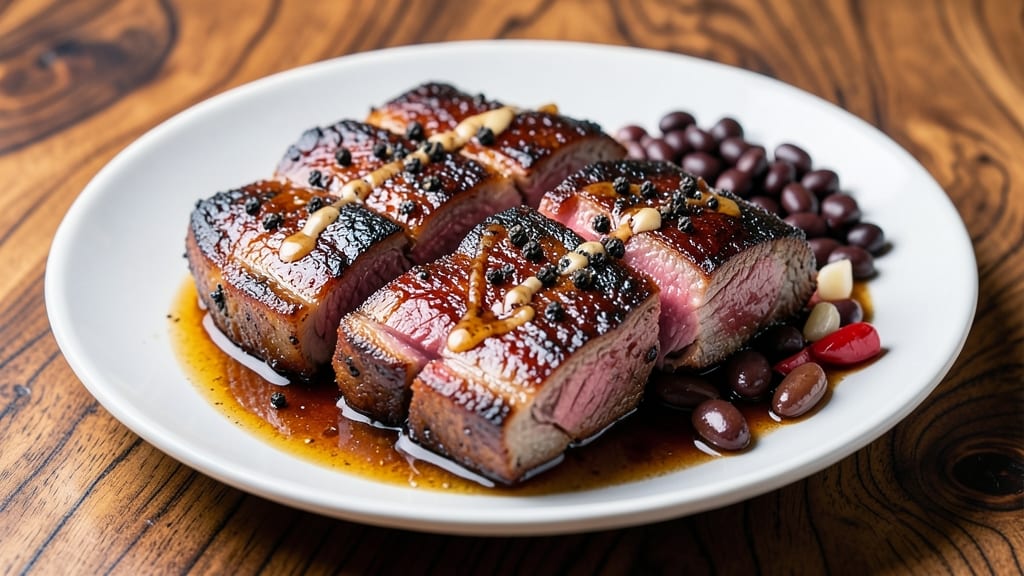
This black pepper pork chop Chinese recipe delivers the perfect balance of crispy edges and juicy centers you crave—just like your favorite wok-house dish. 🔥 I've perfected this technique after years of testing, ensuring the pork stays tender while developing a deep, aromatic crust from black pepper and soy.
The secret lies in high-heat searing and a marinade that tenderizes without making the meat mushy.
What sets this recipe apart is the authentic Chinese flavor profile: bold black peppercorns, fermented black beans, and a touch of Shaoxing wine that adds depth. Unlike many Western adaptations, this version respects traditional techniques while being approachable for home cooks.
The pork chops develop caramelized edges from the wok's heat, while the interior remains succulent and flavorful throughout.
By the time you're done, you'll have restaurant-quality pork chops with a crispy exterior that shatters at every bite and a juicy interior that practically melts in your mouth. The aroma alone—peppery, umami-rich, with hints of caramelized soy—will have everyone asking for seconds.
This dish pairs beautifully with steamed jasmine rice and stir-fried bok choy for a complete meal.
The best part? This recipe delivers professional results without requiring specialized equipment. A cast iron skillet or wok works perfectly, and the prep takes just 15 minutes before cooking. Whether you're cooking for family or treating yourself, this black pepper pork chop recipe is guaranteed to impress. Let's get started!
Ingredients for black pepper pork chop chinese
Pork chops, bold spices, and wok magic—this recipe delivers crispy edges and juicy centers every time.
| Ingredient | Amount | Notes |
|---|---|---|
| Bone-In Pork Chops 🥩 | 1 ½ lb | 1-inch thick, rib or loin chops |
| Black Peppercorns 🌶️ | 2 tbsp | Freshly cracked, coarse grind |
| Shaoxing Wine 🍷 | ¼ cup | Or dry sherry as substitute |
| Soy Sauce 🍶 | ¼ cup | Light or dark, high-quality |
| Fermented Black Beans 🫘 | ¼ cup | Chopped, from Asian market |
| Garlic Cloves 🧄 | 6 cloves | Minced, fresh preferred |
| Fresh Ginger 🌿 | 1 ½ oz | Peeled, finely minced |
| Sesame Oil 🫒 | 1 tbsp | Toasted, for aroma |
| Cornstarch 🌾 | 2 tbsp | For crispy coating |
| Neutral Oil 🫒 | ½ cup | High smoke point, like avocado |
| Green Onions 🧅 | 4 whole | Sliced, for garnish |
| Salt 🧂 | 1 ½ tsp | Kosher or sea salt |
| Brown Sugar 🍚 | 1 tbsp | Light, for caramelization |
The pork chops are non-negotiable here—bone-in, 1-inch thick cuts from the rib or loin section hold up best to high-heat searing. Costco or your local Asian market usually carry these prepped perfectly. Look for chops with good marbling—they'll stay juicier. If you can't find bone-in, use boneless but pound them to even thickness. The black peppercorns should be freshly cracked (none of that pre-ground dust)—Penzeys Spices or the bulk bins at H Mart are great sources. Fermented black beans add that authentic umami punch you won't find in regular bean substitutes.
Shaoxing wine gives depth, but dry sherry works in a pinch—just don't use sweet dessert wine. No fresh ginger? Powdered works at half the amount, but it lacks that bright zing. The cornstarch is crucial for that crispy crust—Bob's Red Mill brand is my go-to. For the oil, avocado or refined peanut oil handles the high heat without burning. Green onions can be swapped for scallions, but the bulb adds more flavor. Pro tip: Toast the sesame oil in the wok before cooking—just heat it until it smells nutty, then remove from heat. That aroma is pure magic.
Marinate the pork for at least 30 minutes (overnight is better)—it tenderizes without overcooking. The chops reheat surprisingly well—350°F for 10 minutes in the oven keeps them crispy. Store leftovers in an airtight container for 3 days, but honestly, they disappear faster than that. Freeze for up to 3 months if you're making a big batch. I always double the recipe—extra crispy pork chops make great lunches or dinner leftovers.
Why You'll Love This Recipe
- One-Pan Magic: That’s right—just toss the pork chops, fermented black beans, and crushed peppercorns into a hot pan, let them sizzle, then pour in the wine and soy. Ten minutes later, you’re done. No flipping, no fussing, just the kind of meal that makes me wonder why I ever bothered with complicated recipes.
- Umami Bomb: The fermented black beans add this deep, funky richness that cuts through the pork’s richness, while the black peppercorns bring a subtle heat that lingers. Honestly, the first time I tasted it, I thought, "Why haven’t I been doing this all along?"—especially when the bone-in chops stay juicy and the sauce clings like a flavor hug.
- Leftover Hero: This dish actually tastes better the next day. The flavors meld into something even more complex—perfect for quick lunches or packing for work. I’ll be real: I’ve reheated these chops three times in a row, and they never let me down. (Yes, even on a Tuesday night.)
- Budget-Friendly Feast: Bone-in pork chops stretch further than you’d think, and the fermented black beans add serious flavor without breaking the bank. Between us, this is the kind of recipe that makes me feel like I’m treating myself without actually spending much. Plus, Shaoxing wine? You can use a tiny splash—no need for the fancy stuff.
Step-by-step instructions for wok-seared black pepper pork chops
Here's how to achieve that perfect balance of crispy edges and tender, juicy centers.
🔥 Step 1: Prepare the Pork Chops for Maximum Crispiness
Pat the 1.5 lb bone-in pork chops completely dry with paper towels—this is non-negotiable for crispy skin. I like to press down firmly to remove all moisture from the surface. Then, in a small bowl, combine the 2 tbsp freshly cracked black peppercorns, 1.5 tsp salt, and 1 tbsp brown sugar. Rub this mixture generously over both sides of each chop, pressing it into the meat so it adheres well.
Let the seasoned chops sit at room temperature for 20-30 minutes while you prep the rest. This ensures even cooking and helps the seasoning penetrate slightly. Here's the thing—don't skip the room temperature step. Cold meat cooks unevenly and can lead to tough edges.
🍳 Step 2: Create the Crispy Cornstarch Coating
In a shallow dish, mix the 2 tbsp cornstarch with 1 tbsp toasted sesame oil. This is your secret weapon for that restaurant-quality crispiness. Dip each seasoned pork chop into the cornstarch mixture, pressing gently to ensure an even coating on all sides. Let any excess drip off before placing them on a wire rack.
I like to give the chops a light coating rather than dredging them heavily—this creates a delicate, crispy crust without overwhelming the natural flavor of the pork. Place the coated chops on the rack and let them sit for 5 minutes while you heat your wok or skillet.
🔥 Step 3: Sear the Pork Chops to Golden Perfection
Heat 0.5 cup neutral oil in a wok or large skillet over medium-high heat until it shimmers but doesn't smoke. Add the pork chops and cook undisturbed for 3-4 minutes per side until they develop deep golden-brown crusts. This is where the magic happens—the high heat creates that beautiful caramelization while keeping the interior juicy.
Don't walk away during this step. You'll know it's ready when the edges are deep golden brown and the pork releases easily from the pan. Transfer the chops to a plate and tent loosely with foil to keep them warm while you prepare the sauce.
🥘 Step 4: Build the Flavorful Sauce
In the same wok (no need to clean it—the browned bits are flavor gold), add 6 cloves minced garlic and 1.5 oz finely minced fresh ginger. Sauté for 30 seconds until fragrant and just beginning to color. Then pour in the 0.25 cup Shaoxing wine and let it simmer for 1 minute to cook off the alcohol.
Add the 0.25 cup soy sauce, 0.25 cup chopped fermented black beans, and the remaining 1 tbsp toasted sesame oil. Bring to a gentle simmer and cook for 2-3 minutes until the sauce thickens slightly. The fermented black beans add that authentic Chinese restaurant umami kick—don't skip them.
🍽️ Step 5: Finish and Serve with Crispy Edges
Return the pork chops to the wok and spoon the sauce over them, letting it coat evenly. Cook for 1-2 minutes until the chops reach 145°F internally. The residual heat will finish cooking them perfectly while absorbing that delicious sauce.
Garnish with 4 sliced green onions and serve immediately. Each bite should deliver that perfect contrast—crispy, peppery edges with tender, juicy pork underneath. The sauce should cling beautifully, adding layers of sweet, salty, and umami flavors. Real talk: these chops disappear fast, so have extra napkins ready!
Pro Tips For Making Black Pepper Pork Chop Chinese
- CRACK THE PEPPERCORNS FIRST: Toss whole black peppercorns in a dry skillet over medium heat for 30 seconds until fragrant—this wakes up their oils and aroma. I used to just crush them raw, but toasting them first makes the whole dish smell like a proper Chinese restaurant, not just a generic "peppery" flavor.
- SEAR THE CHOPS HOT AND FAST: Get your wok or pan screaming hot before adding oil—bone-in pork chops need a deep, dark crust, not a sad, pale sear. I learned this the hard way after walking away for "just a minute" and ending up with gray, undercooked meat. Two minutes max per side, then pull them out while they’re still bright pink inside.
- SOAK FERMENTED BEANS IN WARM WATER: Rinse the fermented black beans and soak them in warm (not boiling) water for 10 minutes to soften their tough skins—this makes them burst nicely when they hit the pan. Skipping this step means you’ll be picking out chewy, uncooked beans while eating, and nobody wants that.
- USE SHAOXING WINE LAST: Add the Shaoxing wine only after the pork has seared and the beans have softened—this lets the alcohol cook off properly instead of turning the sauce watery. I was skeptical until I tried it: the wine’s depth stays intact, and the sauce reduces to a glossy, savory finish instead of a thin glaze.
Wine and beer pairings for this recipe
Chinese Dry Red Wine
For this dish, I always reach for a dry Chinese red wine like Cabernet Sauvignon from Ningxia or Merlot from Shandong. These wines have enough body to stand up to the rich, peppery flavors while complementing the umami depth from the fermented black beans.
The tannins in these wines also help cleanse your palate between bites of the crispy pork. I keep a bottle of Chateau Changyu Cabernet on hand—it's my go-to for Chinese dishes like this. 🍷
Light-Bodied Beer Pairings
A crisp Chinese lager like Tsingtao or Snow Beer works beautifully with this recipe. The light body and subtle maltiness won't overpower the dish but instead highlight the black pepper's warmth.
For craft beer lovers, a Belgian witbier such as Stella Artois Wit adds a refreshing citrus note that cuts through the richness. I often serve this with a cold Tsingtao on hot days—it's the perfect balance. 🍺
Rice Wine for Authenticity
If you want to stay true to traditional Chinese pairings, serve the pork chops with yellow rice wine like Shaoxing wine (the same wine used in the recipe). This adds an extra layer of authenticity to the meal.
The wine's subtle sweetness and acidity complement the dish's savory notes perfectly. I like to serve it chilled in small cups alongside the meal for sipping. 🥢
Sparkling Water with Lime
For a refreshing non-alcoholic option, I recommend sparkling mineral water with a slice of lime. The effervescence and citrus cut through the dish's richness without overpowering it. This is especially good if you're serving the pork chops as part of a larger spread with heavier dishes.
The lime also adds a bright note that echoes the ginger in the sauce. 💧
Tea Pairings for Balance
For a more traditional Chinese dining experience, pair the pork chops with jasmine tea or Pu-erh tea. Jasmine tea's floral notes provide a delicate contrast to the bold flavors, while Pu-erh's earthy depth complements the dish's umami richness.
I often serve Pu-erh with richer pork dishes—it's a match made in heaven. ☕
Nutrition facts
Frequently asked questions
Can I use boneless pork chops instead of bone-in?
Yes, but you'll need to adjust the cooking time slightly. Boneless chops cook faster, so reduce searing time to 2-3 minutes per side and check for 145°F internal temp. Pound them to even thickness first—this ensures even cooking. The crispy crust will still form beautifully, though bone-in chops develop more caramelization from their natural fat.
What if I don't have fermented black beans?
No problem! Substitute with 1 tbsp soy sauce + 1 tsp miso paste for umami depth. Or use 1 tbsp chopped salted black beans (rinse well). The fermented version adds authentic complexity, but these alternatives work in a pinch. Just reduce soy sauce in the recipe by 1 tsp to balance flavors.
How do I prevent the pork from drying out?
Keep the chops at room temperature for 20-30 minutes before cooking—this ensures even heat distribution. Use a meat thermometer to avoid overcooking (145°F is perfect). The cornstarch coating helps lock in moisture while creating crispiness. For extra insurance, let the chops rest 5 minutes after cooking before slicing.
Can I make this recipe in an oven instead of a wok?
Preheat oven to 425°F and place chops on a wire rack over a baking sheet. Roast for 12-15 minutes until internal temp reaches 145°F. For crispiness, broil for 2-3 minutes at the end. The sauce can be simmered separately and spooned over the chops before serving. Oven method works great for larger batches.
What's the best way to reheat leftover pork chops?
Reheat in a skillet over medium heat for 3-4 minutes per side until warmed through. For crispy edges, add 1 tsp neutral oil and cover with a lid for 1 minute to steam. Microwaving works in emergencies, but it'll lose crispiness. Leftovers stay fresh for 3 days in an airtight container or 3 months frozen.