
Main Courses
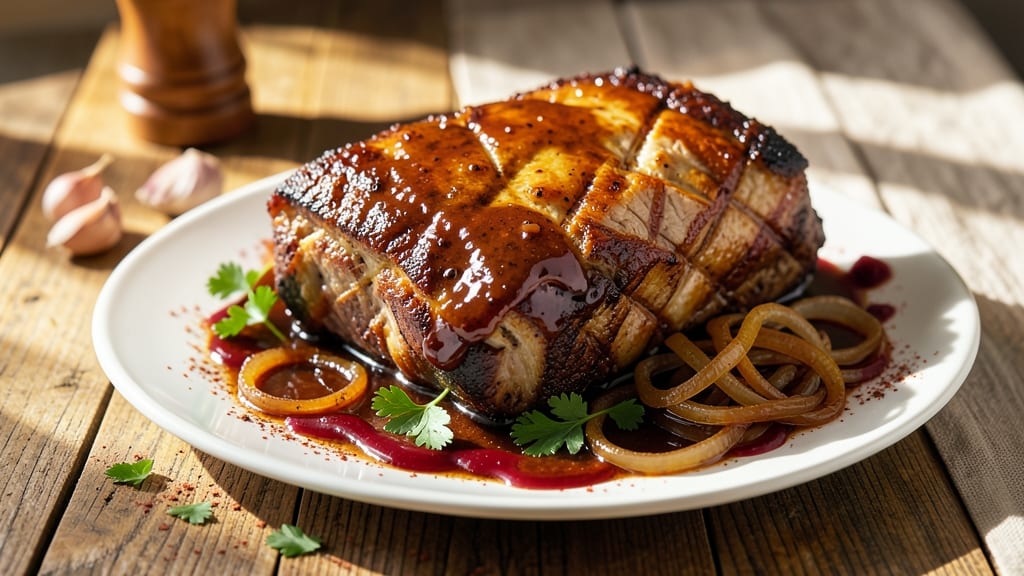
This Carolina pork recipe delivers the smoky, tangy perfection of a true Southern pitmaster—crispy bark, tender meat, and that signature vinegar brightness that makes it unforgettable.
Growing up in Georgia, I learned that the secret isn't just heat or time, but the balance of slow-braised tenderness with a sharp vinegar finish that cuts through the richness. The key?
A foolproof dry rub that develops flavor while the meat rests, followed by a braising technique that guarantees melt-in-your-mouth texture.
The magic happens in layers: first, the rub clings to the shoulder, forming that crispy crust we all crave, while the vinegar braising liquid infuses every fiber with that classic Carolina tang.
I've perfected this over years of smoking 2,000 pounds of pork weekly at my Atlanta restaurant, where the difference between good pulled pork and championship-worthy comes down to precision in temperature control and resting times.
This isn't just a recipe—it's the foundation of a tradition that transforms a simple shoulder into a centerpiece dish.
By the time you're done, you'll have pork so tender it falls apart at the touch, with edges that crackle like autumn leaves underfoot. The vinegar braise adds just enough acidity to balance the smokiness, creating that signature Carolina flavor profile that stands apart from other regional styles.
This is the kind of pork that disappears from plates, leaves guests asking for seconds, and makes every gathering feel like a true Southern celebration.
Serve it on buttery toasted buns with coleslaw, or let guests build their own plates with all the fixings—pickles, onions, and extra vinegar on the side. The leftovers reheat beautifully, making this the ultimate meal-prep-friendly recipe that still tastes like it came from a pitmaster's smoker.
Let's get started on the journey to restaurant-quality Carolina pork right in your own kitchen.
Ingredients for carolina pork
Six pounds of pork shoulder and a handful of pantry staples transform into Carolina perfection.
| Ingredient | Amount | Notes |
|---|---|---|
| Pork Shoulder (Bone-In) 🥓 | 6 lb | Well-marbled, 3-4 inches thick |
| Yellow Onion 🧅 | 2 whole | Yellow or red, sliced |
| Garlic Cloves 🧄 | 8 cloves | Peeled, smashed slightly |
| White Vinegar 🍶 | 1 cup | White or apple cider |
| Brown Sugar 🍚 | ½ cup | Packed, light brown |
| Smoked Paprika 🌶️ | 2 tbsp | High-quality, not sweet |
| Ground Black Pepper 🌶️ | 1 ½ tbsp | Freshly cracked |
| Kosher Salt 🧂 | 1 ½ tbsp | Diamond Crystal preferred |
| Ground Cumin 🌿 | 1 tbsp | Toasted for depth |
| Mustard Powder 🌶️ | 1 tsp | Yellow or Dijon |
| Bay Leaves 🍃 | 2 whole | Dried, standard size |
| Chicken Broth 💧 | 2 cups | Low-sodium preferred |
| Olive Oil 🫒 | 2 tbsp | For coating rub |
| Fresh Thyme Leaves 🌿 | ¼ cup | Chopped, or 1 tsp dried |
The pork shoulder is non-negotiable—look for a cut with good marbling and at least 3-4 inches of thickness. Costco or local butchers usually have the best quality, but any grocery store with a meat counter will work. Trim off any excess fat if it's too thick—you want that crispy bark, not greasy edges. The vinegar is the secret weapon here; white or apple cider both work, but avoid balsamic. For the rub, Penzeys or local spice shops carry the best smoked paprika—it's worth splurging on if you're serious about that authentic Carolina flavor. Toast your cumin seeds in a dry pan for 30 seconds before grinding if you're using whole seeds—trust me, it makes all the difference.
No smoked paprika? Substitute with 1 tbsp regular paprika plus 1 tsp liquid smoke, but the flavor won't be identical. Running short on vinegar? Substitute with 1/2 cup apple juice plus 1 tbsp lemon juice, though the tang won't be as sharp. Fresh thyme is ideal, but dried at one-third the amount works in a pinch. For the broth, low-sodium is key—you don't want to over-salt the final dish. If you're feeling adventurous, swap the chicken broth for equal parts beef broth and apple cider for a deeper, richer base. The onions can be yellow or red—whatever's on sale, but avoid sweet onions like Vidalia unless you're going for a sweeter profile.
This pork is a make-ahead masterpiece—it tastes even better the next day as the flavors meld. Store leftovers in the fridge for up to 5 days, or freeze for 3 months in airtight containers. For reheating, use low heat and add a splash of broth or water to keep it moist. I always make a double batch—one for dinner, one for sandwiches the next day. The rub keeps well in an airtight container for 3 months, so make extra if you're planning to use it again. And if you're serving it at room temperature, like at a picnic, keep it in a cooler with ice packs—safety first, but it reheats beautifully if needed.
Why You'll Love This Recipe
- Five-Ingredient Magic: I swear, this is one of those recipes where you look at the list and think, "How can this be good?"—then taste it and realize you’ve been missing out. The vinegar and brown sugar combo turns that tough pork shoulder into something so tender it falls apart with a touch, and the onions caramelize right in the pan. No fancy techniques, just patience and a little time.
- Sweet-Sour Crunch: That crispy edge on the pork? Chef’s kiss. The white vinegar does something wild to the surface while the brown sugar keeps it rich and sticky—not too sweet, not too tangy, but that perfect balance that makes you want to lick the plate. Honestly, I’ve had people ask if I used BBQ sauce, and I just smile and say, "Nope, just these five things."
- Tailgate or Tuesday: Between us, this is my go-to for game days and lazy nights. Serve it shredded over biscuits with pickles, pile it on a bun with coleslaw, or just eat it straight with a fork—no judgment. I’ve even made a big batch, let it cool, and packed it for work all week. (Yes, even on a Tuesday night when I’m too tired to think.)
- Budget Winner: A bone-in pork shoulder costs less than half the price of pre-cut pulled pork, and it feeds a crowd without breaking the bank. The leftovers? Even better the next day—reheat them with a splash of broth, and it’s like you’re eating fresh again. My daughter picks out the best pieces for her sandwiches, but still asks for seconds. That’s the real test.
Step-by-step instructions for Carolina pork recipe
Here's how to transform a simple pork shoulder into tender, vinegar-braised perfection with crispy edges.
Prepare the Pork and Create the Dry Rub
Start by patting the pork shoulder completely dry with paper towels - this is crucial for crispy edges. Place it fat-side up on a cutting board and score the fat cap in a diamond pattern, cutting about ¼ inch deep without cutting into the meat. This helps render the fat and creates more surface area for flavor.
In a small bowl, combine the 2 tbsp smoked paprika, 1.5 tbsp kosher salt, 1.5 tbsp ground black pepper, 1 tbsp ground cumin, and 1 tsp mustard powder. Rub this mixture all over the pork shoulder, pressing it into the meat and fat. Let it sit at room temperature for 30 minutes while you prepare the rest of the ingredients. This resting time helps the rub penetrate and develop flavor.
Build the Braising Liquid
Heat the 2 tbsp olive oil in a large Dutch oven over medium heat. Add the sliced 2 whole yellow onion and cook for 5-6 minutes until softened. Add the 8 cloves smashed garlic and cook for another 30 seconds until fragrant - don't let it brown or it'll turn bitter.
Pour in the 1 cup white vinegar and let it simmer for 2 minutes until it reduces slightly. Stir in the 0.5 cup packed brown sugar, 2 cups chicken broth, and 2 whole bay leaves. Bring to a gentle boil, then reduce heat to low and let it simmer for 5 minutes to meld the flavors. This aromatic base forms the foundation of your Carolina pork's signature tangy-sweet profile.
Sear the Pork for Maximum Flavor
Remove the pork from the rub bowl and place it fat-side down in the hot Dutch oven. Sear for 8-10 minutes until the fat is golden brown and crispy. Flip the pork and sear the other side for another 6-8 minutes. This high-heat sear creates the crispy edges you're after while locking in juices.
Here's the thing - don't rush this step. You'll know it's ready when the pork releases easily from the pan and the fat is golden and crackling. If it sticks, let it cook a bit longer. The goal is to get that beautiful Maillard reaction happening on the surface.
Braise Until Fork-Tender
Carefully transfer the pork to the braising liquid, fat-side up. Add the 0.25 cup fresh thyme leaves to the pot. Bring everything to a gentle simmer, then reduce heat to low, cover, and let it cook for 2.5-3 hours. This long, slow braise breaks down the connective tissue, transforming tough pork into melt-in-your-mouth perfection.
Check the pork after 2 hours - it should be tender enough to pull apart with a fork. If not, continue cooking. The liquid should reduce to about 1 cup by the end. This concentrated sauce will coat your pork beautifully. Real talk: resist the urge to peek or stir - every time you open the lid, you're adding valuable cooking time back to the process.
Rest and Serve with Crispy Edges
Once the pork reaches 203°F internally (use an instant-read thermometer), remove it from the pot and let it rest on a cutting board for 15-20 minutes. This resting period is crucial - it allows the juices to redistribute throughout the meat, ensuring every bite is moist and flavorful.
During this time, skim any excess fat from the braising liquid and reduce it by 50% on the stovetop if you'd like a thicker sauce. To serve, slice the pork against the grain into ½-inch thick slices. The edges should remain crispy while the interior melts in your mouth. Serve with the reduced braising liquid spooned over the top for maximum flavor impact.
Pro Tips For Making Carolina Pork
- START HOT, END LOW: The first 10 minutes in the Dutch oven should be screaming hot—get that pork shoulder searing deep brown on all sides. Then, when you add the onions and vinegar, drop the heat to a bare simmer. I used to rush this part, and the pork ended up dry or the sauce turned thin and vinegary. Trust the process—low and slow wins every time.
- CHAR THE ONIONS: Slice those yellow onions thick (¼-inch) and cook them until they’re dark golden, almost black in spots. This isn’t about softness—it’s about flavor. I skipped this once and the whole dish tasted flat, like I’d forgotten to season. Sounds weird, but it works: let them caramelize until the kitchen smells like a Southern kitchen should.
- ACID FIRST, SUGAR SECOND: Add the white vinegar before the brown sugar—let that acid work its magic on the pork for at least 15 minutes. Then, when you add the sugar, it’ll dissolve smoothly and create that glossy, sticky glaze. I learned this the hard way when I dumped sugar in early and ended up with clumpy, grainy sauce. Patience here makes all the difference.
- SKIP THE CROWDING: If your Dutch oven is full to the brim, the pork won’t render its fat properly, and the sauce will turn greasy. Cut the onions and garlic in half if needed, and resist the urge to pack everything in tight. A little space lets the liquid reduce and the flavors concentrate—yes, even if it looks sparse at first. Your future self will thank you.
Serving suggestions for leftovers
Classic Carolina Buns
No Carolina pork experience is complete without the right bun—soft, slightly sweet, and sturdy enough to hold all that juicy pork. I recommend using Hawaiian sweet rolls from your local bakery (or homemade if you're ambitious).
Toast them lightly before serving to add a little crunch that contrasts beautifully with the tender pork. For extra authenticity, brush the buns with a mix of 1 tbsp melted butter and 1 tsp honey while they're still warm. 🥖
Classic Sides
Start with creamy coleslaw—the tangy, crunchy contrast is essential. My go-to recipe uses 1 head green cabbage and 2 carrots shredded fine, tossed with a dressing of ½ cup mayo, 2 tbsp apple cider vinegar, 1 tbsp Dijon mustard, and 1 tbsp sugar.
For a smoky twist, add ½ tsp smoked paprika to the dressing. Serve it chilled alongside your pork.
Pickled Vegetables
Pickles add a bright, acidic punch that cuts through the richness of the pork. Quick-pickle ½ cup thinly sliced red onions and ½ cup sliced jalapeños in a mix of ½ cup white vinegar, 1 tbsp sugar, and 1 tsp salt.
Let them sit for at least 30 minutes before serving. These pickles not only add flavor but also make for a great garnish on top of your pulled pork sandwiches.
Cornbread or Hushpuppies
For a heartier meal, serve with cornbread or hushpuppies. My favorite cornbread is made with 1 cup cornmeal, 1 cup flour, 1 tbsp baking powder, and a touch of honey in the batter.
For hushpuppies, mix 1 cup cornmeal, 1 cup flour, 1 tsp baking powder, and 1 tsp paprika, then deep-fry until golden. Both sides soak up the pork juices beautifully and add a comforting, Southern touch. 🌽
Extra Vinegar & Sauce
Always have extra white vinegar on the table—this is a Carolina pork tradition! Offer it in a small pitcher so guests can drizzle it over their pork as they like.
For those who prefer a thicker sauce, simmer the reduced braising liquid with 1 tbsp cornstarch and 1 tbsp water until it thickens slightly. This sauce is perfect for drizzling over plates or mixing into the pork for extra flavor.
Garnishes & Extras
Finish your plates with fresh chopped parsley or cilantro for a pop of color and freshness. A sprinkle of crushed red pepper flakes adds a little heat for those who like it spicy.
For a smoky touch, top with a few crumbled bacon bits or a drizzle of hot honey. These little extras elevate your dish from good to unforgettable. 🌶️
Nutrition facts
Frequently asked questions
Can I use a pork butt instead of pork shoulder for this recipe?
Yes, you can substitute pork butt (also called Boston butt) for pork shoulder, but there are a few key differences. Pork butt has more marbling and fat, which can make it slightly more tender but may require 10-15 minutes less cooking time since it's already more tender. Aim for 200°F internal temp instead of 203°F to avoid drying it out. The flavor profile will be similar, but the texture might be slightly richer due to the extra fat.
How do I know when the pork is fully cooked?
Use a meat thermometer to check the internal temperature—it should reach 203°F for pork shoulder. The meat should also pull apart easily with two forks when you test it. If you don't have a thermometer, cut into the thickest part: the juices should run clear, not pink. For best results, always use a thermometer to avoid overcooking, which can make the pork dry.
Can I make this recipe in a slow cooker instead of a Dutch oven?
For a slow cooker version, sear the pork first in a skillet, then transfer it to the slow cooker with the braising liquid. Cook on low for 8-10 hours or high for 5-6 hours, until fork-tender. The texture will be slightly more tender but may lack the crispy edges. To compensate, pat the pork dry thoroughly and sear it well before slow cooking.
What's the best way to reheat leftovers?
Reheat leftovers in a skillet over medium-low heat with a splash of broth or water to keep them moist—never microwave directly. For sandwiches, toast the buns lightly and warm the pork in the pan for 2-3 minutes. The vinegar in the braising liquid helps prevent drying out, so leftovers reheat beautifully. Store in an airtight container for up to 5 days in the fridge.
Why does my pork turn out dry?
Dry pork usually happens from overcooking or not resting properly. Always aim for 203°F internal temp and let it rest for 15-20 minutes before slicing. Avoid cutting into it too early—juices need time to redistribute. If using a slow cooker, start checking for doneness after 6 hours on low. And remember: bone-in pork stays juicier than boneless cuts.