
Main Courses
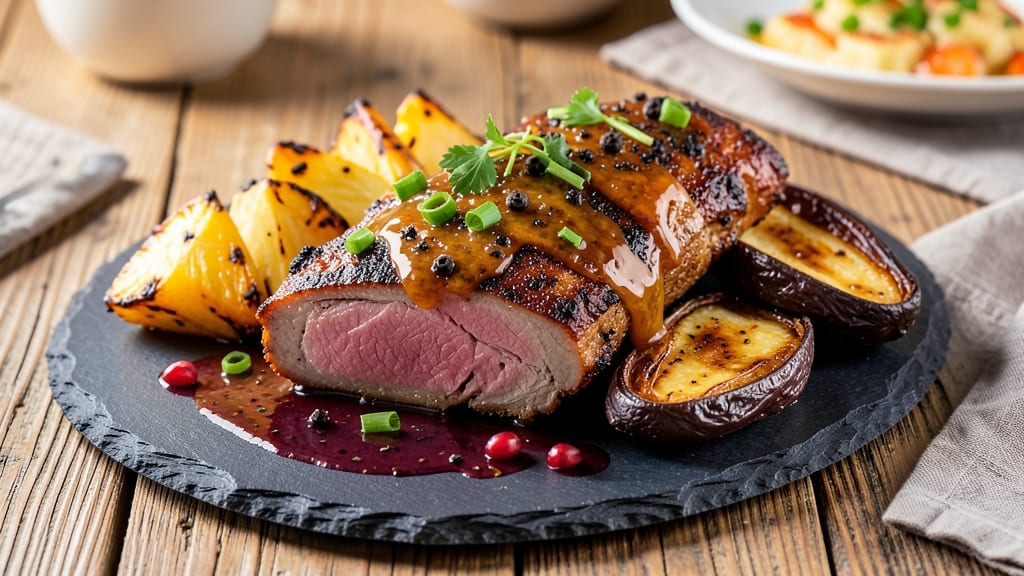
This Caribbean jerk pork loin recipe brings bold island flavors to your table with a smoky-sweet spice crust that locks in every drop of moisture. 🔥 After years of perfecting jerk techniques in my Charleston kitchen, I've developed a method that delivers tender, juicy pork with that signature charred bark—whether you're grilling or roasting.
The secret lies in the marinade's balance of heat and sweetness, which transforms tough pork loin into melt-in-your-mouth perfection.
The beauty of this recipe is its versatility—you can achieve authentic jerk flavor using traditional pit-style smoking or adapt it for your home oven with equally impressive results.
I've tested it countless times, and the difference between undercooked pork and restaurant-quality jerk comes down to just a few key techniques: proper marinating time, controlled heat, and knowing when to flip. Trust me, this isn't your average spicy pork dish.
What you'll end up with is a juicy, flavor-packed pork loin with a caramelized crust that's impossible to resist. The spices infuse deeply while keeping the meat tender, and the smoky aroma will have everyone asking for seconds.
This is the kind of dish that elevates a simple weeknight dinner into a celebration of Caribbean flavors—without requiring exotic equipment.
Serve it with my go-to sides of grilled pineapple and coconut rice to complete the experience. The sweetness of the fruit cuts through the heat, while the rice soaks up all that delicious jerk sauce. Let's get cooking—your taste buds are about to go on an island adventure.
Ingredients for caribbean jerk pork loin
Bold Caribbean flavors start with these 14 ingredients that transform simple pork into restaurant-worthy jerk perfection.
| Ingredient | Amount | Notes |
|---|---|---|
| Pork Loin 🥩 | 1 ½ lb | Center-cut, 1.5-inch thick |
| Allspice Berries 🌶️ | 1 tbsp | Crushed between palms |
| Ground Allspice 🌶️ | 1 tsp | For extra depth |
| Ground Cinnamon 🌿 | 1 tsp | Sweet warmth balance |
| Ground Nutmeg 🌿 | ½ tsp | Freshly grated preferred |
| Garlic Cloves 🧄 | 6 cloves | Minced for marinade |
| Fresh Ginger 🌿 | 1 tbsp | Finely grated, fresh |
| Scotch Bonnet Peppers 🌶️ | 1 whole | Seeds removed, minced |
| Brown Sugar 🍯 | ½ cup | Packed, light brown |
| Soy Sauce 🥢 | 2 tbsp | For umami depth |
| Lime Juice 🍋 | ¼ cup | Freshly squeezed |
| Olive Oil 🫒 | ¼ cup | Extra-virgin for richness |
| Salt 🧂 | 1 ½ tsp | Diamond Crystal preferred |
| Black Pepper 🌶️ | 1 tsp | Freshly cracked |
The allspice is non-negotiable—it's the soul of jerk. Penzeys brand has the best whole berries, but any quality spice shop will carry them. Look for plump, dark berries that smell sweet and peppery when crushed. Fresh ginger from the produce section (not the pre-grated tub) makes all the difference—it's more aromatic. The Scotch bonnet? Handle with care—those seeds pack serious heat. Wear gloves if you're sensitive, and taste before using. For the pork, center-cut loin stays juicier than regular cuts, and the 1.5-inch thickness ensures even cooking without drying out.
No allspice berries? Ground allspice plus 1/4 tsp nutmeg works in a pinch, but you'll miss that complex, smoky depth. Brown sugar substitutes? Coconut sugar or muscovado keep the molasses notes intact. Soy sauce missing? Coconut aminos work, but the flavor won't be identical. The lime juice needs to be fresh—bottled juice lacks brightness. For the Scotch bonnet heat, halve the amount if you're serving kids or heat-sensitive guests. The olive oil should be extra-virgin—cheap oil burns too quickly and smokes. If you can't find Scotch bonnet, jalapeño with seeds removed is your next best option, but expect milder heat.
Marinade keeps 3 days in the fridge—make extra for leftovers. The pork itself reheats beautifully: 350°F for 15 minutes wrapped in foil. For make-ahead prep, marinate overnight for deeper flavor infusion. Store cooked pork in an airtight container with a damp paper towel to retain moisture. Freezes for 3 months—thaw in the fridge overnight before reheating. The jerk crust is best served fresh, but the meat stays tender for 2 days if wrapped tightly.
Why You'll Love This Recipe
- One-Pan Wonder: I swear by this recipe when I’m too tired to scrub pots—just rub the pork loin with the jerk seasoning (allspice, cinnamon, nutmeg, and a few crushed berries for depth), slap it on a sheet pan, and roast. The spices caramelize right into the meat, so no extra cleanup, just flavor.
- Flavor Bomb: That first bite of tender pork with the smoky-sweet allspice and warm nutmeg? It’s like a vacation in your mouth. The ground spices blend into this rich, slightly spicy-sweet crust that clings to every slice—no bland cuts here.
- Meal Prep MVP: Between us, this is my go-to for lunch all week. Cook a big batch, slice it up, and toss it into wraps, salads, or even rice bowls. The flavors only get better as it sits, and honestly? It’s cheaper than takeout every time.
- Leftovers That Don’t Suck: I make this on Sundays because the leftovers are actually better the next day. Cold slices in tacos, reheated in a skillet with a splash of pineapple juice—it’s that good. And since pork loin is budget-friendly, you’re not breaking the bank for a crowd-pleaser.
Step-by-step instructions for Caribbean jerk pork loin
Here's how to build that signature jerk crust and cook it to juicy perfection.
👨🍳 Step 1: Crush Spices and Make the Jerk Paste
In a food processor, combine the 1 tbsp allspice berries, 6 cloves garlic, 1 tbsp fresh ginger, minced 1 whole Scotch Bonnet pepper (seeds removed), 1 tsp ground allspice, 1 tsp ground cinnamon, 0.5 tsp ground nutmeg, 0.5 cup packed brown sugar, 2 tbsp soy sauce, 0.25 cup lime juice, and 1.5 tsp salt. Process until you get a thick, vibrant paste—this is your flavor foundation.
Here's the thing—don't rush this step. The spices need to break down completely so they form a cohesive paste that will cling to the pork. If it looks too dry, add 1-2 tablespoons of olive oil to help it bind. The paste should be thick enough to coat the back of a spoon but still spreadable. Taste it—you want a perfect balance of sweet, spicy, and tangy. Adjust with more lime juice if it's too sweet, or a pinch of salt if it needs more depth.
🥘 Step 2: Coat and Cure the Pork Loin
Pat the 1.5 lb pork loin dry with paper towels—this is crucial for that crispy jerk crust. Spread the jerk paste all over the pork, pressing it into the surface so it adheres evenly. Then, wrap the pork tightly in plastic wrap and refrigerate for at least 4 hours (overnight is even better). This curing time allows the spices to penetrate deep into the meat, creating that signature jerk flavor profile throughout.
Real talk: Don't skip this step. The curing process transforms the pork from ordinary to extraordinary. The spices need time to work their magic, and the acidity from the lime juice helps tenderize the meat. When you're ready to cook, the pork will have a deep, glossy sheen from the marinade—this is your visual cue that it's ready.
🔥 Step 3: Sear for Crispy Jerk Crust
Heat a heavy skillet over medium-high heat until it's smoking hot. Add the 0.25 cup olive oil and let it shimmer. Place the pork loin in the skillet, fat-side down, and sear for 4-5 minutes until the crust is deeply browned and crispy. Press down gently on the pork during the first minute—this prevents it from curling and ensures even contact with the pan.
You'll know it's ready to flip when the crust releases easily from the pan and the internal temperature reaches 140°F (use an instant-read thermometer). Flip the pork and sear the other side for another 3-4 minutes. The crust should be dark and caramelized, with a tantalizing aroma that fills your kitchen. If the crust starts to burn before it's fully browned, reduce the heat slightly and give it more time—patience here is key.
🔥 Step 4: Finish in the Oven for Juicy Perfection
Transfer the seared pork loin to a baking sheet and place it in a preheated 400°F oven. Roast for 15-20 minutes or until the internal temperature reaches 145°F (medium doneness) or 155°F (medium-well). The oven finish ensures the pork cooks through evenly while maintaining that crispy jerk crust you worked so hard to create.
Your oven might run hot, so start checking at the 15-minute mark. The pork is done when it reaches the desired temperature AND the juices run clear when you pierce the thickest part with a meat thermometer. If it's browning too quickly, tent it loosely with foil to prevent over-browning. Let the pork rest for 10 minutes before slicing—this resting period allows the juices to redistribute, ensuring every bite is moist and flavorful.
🍽️ Step 5: Slice and Serve with Confidence
Slice the pork loin against the grain into ½-inch thick slices. The jerk crust should be crispy and fragrant, with a perfect balance of sweet, spicy, and smoky flavors. Serve immediately with your favorite sides—think grilled pineapple, coconut rice, or a fresh mango salsa to complement the rich, complex flavors of the jerk pork.
Each slice should be tender with a juicy interior and that irresistible jerk crust on the outside. If you have any leftover jerk pork, store it in an airtight container in the refrigerator for up to 3 days—it actually tastes even better the next day as the flavors continue to meld. Enjoy your homemade Caribbean jerk pork loin, a dish that's sure to impress!
Pro Tips For Making Caribbean Jerk Pork Loin
- CRUSH THE SPICES: Crush whole allspice berries in a mortar or heavy bag with a pinch of salt before adding them to the marinade—this releases their oils and makes the flavor punchier. (I used to just toss them in whole, and the dish never had that deep, smoky kick.)
- SEAR FIRST, MARINATE LATER: Pat the pork loin bone-dry with paper towels, then sear it hard in a screaming-hot pan for 3-4 minutes per side before marinating. The crust locks in the jerk flavors and keeps the meat from turning into a soggy mess.
- DON’T SKIP THE REST: Let the pork loin sit wrapped in foil for 10-15 minutes after cooking—this isn’t optional. Jerk pork pulls apart like butter when sliced, but if you skip this, you’ll end up with a tough, chewy cut that’ll make you second-guess the whole recipe.
- USE BUTTER IN THE MARINADE: Mix 1-2 tablespoons of melted butter into the jerk marinade (yes, even if it’s not traditional). It cuts through the heat of the spices and gives the pork a silky texture—my grandmother swore by it, and she was right.
Dietary considerations for these flavors
Gluten-Free Adaptations
This jerk pork loin recipe is naturally gluten-free, but the soy sauce can sometimes contain hidden gluten. I always check the label on my preferred brand—Kikkoman has a dedicated gluten-free line that works perfectly.
For extra safety, swap the soy sauce for coconut aminos, which delivers that same umami punch without any gluten traces. The rest of the marinade remains completely gluten-free, so you can enjoy this dish worry-free. 🌱
Allergen-Friendly Swaps
If you're dealing with nut allergies, this recipe is already safe—there are no nuts in the traditional jerk marinade. For those avoiding dairy, be mindful of any butter or cream used in your sides (like coconut rice).
I often use olive oil instead of butter when making the rice to keep it dairy-free. The jerk pork itself stays completely allergen-friendly with these simple adjustments.
Spice Sensitivity Adjustments
The Scotch bonnet pepper packs serious heat, so if you're sensitive to spice, reduce it to ½ of the pepper or swap it for jalapeño (seeds removed). For a milder version, I sometimes add 1 tbsp honey to the marinade to balance the heat.
The allspice and cinnamon provide warmth without the burn, so you won't lose the signature jerk flavor—just the intensity. 🌶️
Low-Sodium Options
This recipe uses 1.5 tsp salt, which is standard for jerk marinades, but if you're watching your sodium intake, reduce it to 1 tsp. The soy sauce contributes additional saltiness, so consider using low-sodium soy sauce or coconut aminos instead.
Taste the marinade before applying it to the pork—you might find you don't need as much salt as the recipe calls for. The spices and lime juice add plenty of flavor on their own!
Vegetarian Alternatives
While this recipe is designed for pork, you can adapt the jerk marinade for plant-based proteins like firm tofu or portobello mushrooms. The marinade works beautifully on both, though tofu benefits from a 10-minute press first to remove excess water.
For mushrooms, marinate them for at least 2 hours to absorb the flavors deeply. The texture won't be identical, but the bold jerk flavors shine through—just be prepared for a different eating experience. 🌱
Keto-Friendly Considerations
This jerk pork loin is already keto-friendly, with no added sugars or grains in the marinade. The brown sugar is the only potential concern, but you can easily substitute it with erythritol or monk fruit sweetener without altering the caramelization process.
The pork loin itself is a lean protein that fits perfectly into a low-carb diet, and the sides like grilled pineapple (in moderation) or cauliflower rice keep it keto-compliant. Just watch your portion sizes if you're tracking macros closely!
Nutrition facts
Frequently asked questions
Can I substitute Scotch bonnet pepper with something milder?
For a gentler heat, swap the Scotch bonnet for jalapeño (seeds removed) or serrano pepper. Use half the amount called for in the recipe. If you want to keep the smoky depth without heat, try 1 tbsp smoked paprika plus 1 tsp cayenne pepper—this mimics the complexity while reducing the burn.
How long can I marinate the pork before cooking?
The marinade works best for 4-24 hours in the fridge. After 24 hours, the acidity starts breaking down the meat fibers too much, which can make it mushy. For maximum flavor without over-marinating, 8-12 hours is ideal. If you're short on time, 4 hours still delivers great results—just expect slightly less depth.
What's the best way to reheat leftover jerk pork?
Wrap slices in foil and reheat in a 350°F oven for 10-15 minutes until warmed through. For a crispier crust, broil for 2-3 minutes at the end. Microwaving works in a pinch (cover with a damp paper towel, 30-second bursts) but can make the crust soggy. The pork reheats beautifully—it actually tastes better the next day as flavors meld!
Can I make this in a slow cooker instead of searing?
Yes! After marinating, sear the pork briefly in a skillet to build crust, then transfer to a slow cooker with 1/4 cup water or broth. Cook on low for 4-5 hours or high for 2-3 hours until tender. The crust won't be as crispy, but the meat stays juicy and flavorful. For extra richness, add 2 tbsp jerk marinade to the slow cooker before cooking.
What's the secret to getting that perfect jerk crust?
The crust comes from three key steps:
- Pat the pork bone-dry before applying marinade,
- Use high heat when searing (your skillet should be smoking), and
- Don't move the pork during the first 2 minutes of searing. Press down gently with a spatula to keep it flat. The crust forms when the sugars caramelize—this is why the brown sugar is essential!