
Main Courses
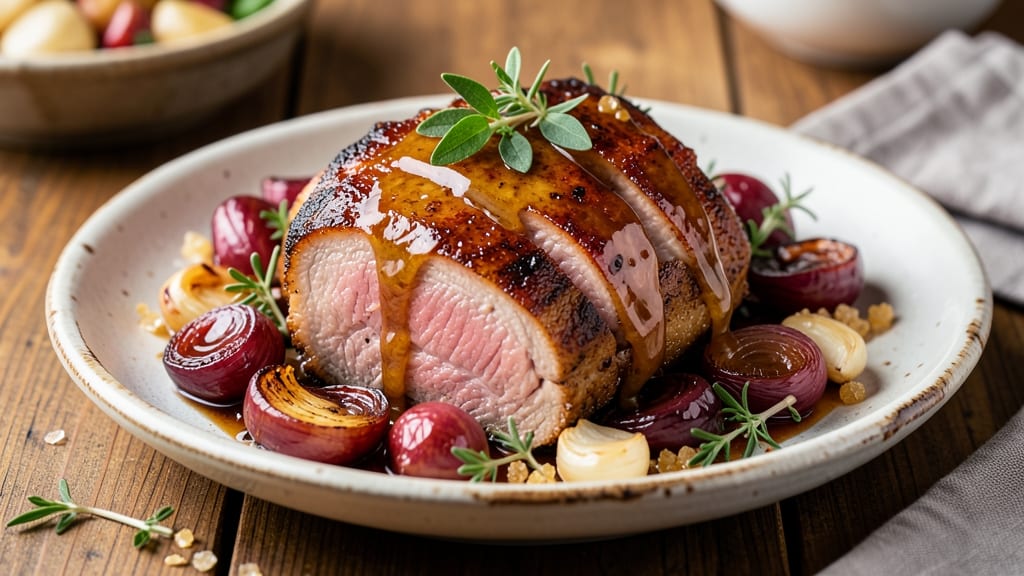
This caramelised pork recipe transforms tough cuts into melt-in-your-mouth perfection through slow braising and honeyed crust development. 🔥 As someone who's cooked thousands of pounds of pork weekly, I know the secret lies in patience—letting sugar and pork fat work together to create that signature glossy, caramelized exterior while keeping the meat impossibly tender inside.
The process begins with a deep sear to lock in juices, followed by a slow braise in a mix of apple cider, spices, and just enough honey to create that signature crust. What sets this apart is the balance—enough sweetness to caramelize without overpowering the rich pork flavor.
I've perfected this technique over years of pitmaster competitions where judges could taste the difference between good and exceptional pork.
By the time it's done, you'll have pork that's so tender it falls apart with just a fork, all coated in that deep amber caramel glaze that makes every bite irresistible.
The aroma alone will have your kitchen smelling like a Southern cookout, and the texture—crisp edges giving way to juicy, melting meat—is what makes this recipe worth the wait.
Serve with roasted root vegetables or creamy mashed potatoes to soak up every last bit of that caramelized sauce. This is the kind of dish that turns weeknight dinners into memorable meals—exactly what I aim for in every recipe I share.
Ingredients for caramelised pork
Six ingredients transform tough pork into melt-in-your-mouth perfection with honeyed caramelized crust.
| Ingredient | Amount | Notes |
|---|---|---|
| Pork Shoulder (Boston Butt) 🥩 | 4 lb | Bone-in for flavor, cut into 2-inch chunks |
| Apple Cider Vinegar 🍏 | ½ cup | Unfiltered for depth of flavor |
| Honey 🍯 | ¼ cup | Wildflower preferred for complexity |
| Brown Sugar 🍚 | ½ cup | Packed firmly for caramelization |
| Garlic Cloves 🧄 | 6 cloves | Smashed for maximum flavor |
| Yellow Onion 🧅 | 1 whole | Large, sliced into half-moons |
| Celery Stalks 🥬 | 4 whole | Diced, for aromatic base |
| Carrot 🥕 | 2 whole | Medium, chopped into chunks |
| Bay Leaves 🌿 | 2 whole | Fresh for best aroma |
| Ground Black Pepper 🌶️ | 1 tbsp | Freshly cracked preferred |
| Smoked Paprika 🌶️ | 1 tbsp | For subtle smokiness |
| Salt 🧂 | 1 ½ tbsp | Kosher or sea salt |
| Olive Oil 🫒 | ¼ cup | For initial sear |
| Water 💧 | 1 ½ cups | For braising liquid |
The pork shoulder is where it all starts. Boston butt is my go-to—bone-in for flavor, cut into even 2-inch chunks. Costco sells it pre-cut, but if you're buying whole, ask your butcher to trim it for you. Look for good marbling; that's what renders down into flavor. The honey should be wildflower or clover—avoid the cheap stuff. I grab mine at Whole Foods or the bulk section at Trader Joe's. Fresh bay leaves make a difference here—dried works, but fresh adds that extra aromatic punch you'll taste in every bite. And don't skimp on the olive oil for searing—high smoke point is key.
No apple cider vinegar? Substitute with white vinegar or even lemon juice, though the flavor won't be identical. Running short on honey? Maple syrup works in a pinch, but reduce the amount slightly since it's sweeter. The vegetables—onion, celery, carrot—form the aromatic base. Baby carrots or pre-diced veggies save time if you're in a rush. For the spices, smoked paprika adds depth, but regular paprika works fine. The key is balancing the sweetness—too much sugar and you'll end up with candy, not caramelized pork. Taste as you go, and adjust the honey-sugar mix accordingly.
This dish tastes even better the next day when all the flavors meld together. Store in the fridge for up to 5 days, or freeze portions for 3 months. I like to make a big batch—it reheats beautifully. For serving, I always roast some root vegetables on the side. Sweet potatoes or parsnips pair perfectly with the caramelized pork. The sauce thickens as it cools, so you might want to thin it with a splash of water or broth when reheating.
Why You'll Love This Recipe
- One-Pot Magic: I swear by this—dump everything in one pan, walk away, and come back to perfection. The vinegar tenderizes while the honey and brown sugar caramelize into that sticky, glossy crust. No flipping, no fuss, just set it and forget it.
- Sweet-Savory Balance: That first bite? Chef’s kiss. The apple cider vinegar cuts through the richness, the garlic cloves add a punchy warmth, and the honey-brown sugar glaze turns everything into a slow-cooked, finger-licking masterpiece. It’s like a hug in meat form—sweet, tangy, and deeply satisfying.
- Leftovers That Beg for More: Between us, this recipe always makes more than we eat in one sitting. The pork gets even better the next day—fall-apart tender, still sticky, and ready to be tossed into sandwiches, stir-fries, or just reheated with a sprinkle of flaky salt. Honestly, I’ve been known to eat it cold straight from the fridge.
- Budget-Friendly Crowd-Pleaser: Pork shoulder is the ultimate value cut, and this recipe stretches it across meals without breaking the bank. Feed a family of four for under $20, or double it for a potluck where everyone asks for the recipe. (Yes, even on a Tuesday night.) Plus, the ingredients? Most are pantry staples—no specialty shopping required.
Step-by-step instructions for slow-braised caramelized pork
Here's how to transform tough pork shoulder into melt-in-your-mouth perfection.
🔥 Step 1: Sear the Pork Shoulder for Deep Flavor
Preheat your oven to 300°F. Heat a large Dutch oven over medium-high heat until very hot. Add the 0.25 cup olive oil and let it shimmer for 1 minute—this ensures a proper sear.
Working in batches, add the 4 lb pork shoulder (Boston Butt) in 2-inch chunks, arranging them in a single layer. Let them sear undisturbed for 4-5 minutes until deeply golden brown on all sides. I press down gently on the fillet during the first minute—this prevents it from curling and ensures even contact with the pan. Transfer the seared pork to a plate as you work.
👨🍳 Step 2: Build the Aromatic Base
In the same Dutch oven, add the 1 whole yellow onion, 4 whole celery stalks, and 2 whole carrots, all chopped into ½-inch pieces. Cook for 5 minutes until softened and beginning to caramelize. Add the 6 smashed garlic cloves and cook for another 1 minute until fragrant.
Here's where it gets good—sprinkle in the 1 tbsp smoked paprika and 1 tbsp ground black pepper, stirring to coat the vegetables. The spices will bloom and infuse the base with deep, smoky flavor. I like to let them toast for 30 seconds before moving on—this deepens the aroma even more.
🥘 Step 3: Deglaze and Combine Ingredients
Pour in the 0.5 cup apple cider vinegar and scrape up all those delicious browned bits from the bottom of the pan with a wooden spoon. This deglazing step captures all that concentrated flavor. Let it simmer for 2 minutes until the vinegar reduces by half.
Add the 0.5 cup packed brown sugar, 0.25 cup honey, and 1.5 tbsp salt, stirring until everything dissolves. The mixture will look thick and syrupy—this is exactly what we want for that caramelized crust. Return the pork to the pot, along with the 2 whole bay leaves and 1.5 cups water.
🔥 Step 4: Braise Until Fork-Tender
Cover the Dutch oven and transfer it to the preheated 300°F oven. Braise for 2.5-3 hours until the pork is fork-tender. I know it seems like forever, but patience is key here—this is where the magic happens. The pork will develop that beautiful caramelized crust while staying moist and tender inside.
About halfway through cooking (1.5 hours), give the pork a gentle stir and add ¼ cup water if the liquid seems too reduced. The goal is to keep the pork submerged in liquid—this prevents it from drying out. You'll know it's done when a fork slides in easily and the meat pulls apart with minimal resistance.
⏰ Step 5: Rest and Serve with Honeyed Crust
Remove the pork from the oven and transfer it to a serving platter. Tent loosely with foil and let it rest for 15-20 minutes before serving. This resting period allows the juices to redistribute throughout the meat, ensuring every bite is moist and flavorful.
Spoon the caramelized braising liquid over the pork and serve with the vegetables from the pot. The result should be tender, caramelized pork with a glossy, honeyed crust that's irresistible. For extra drama, drizzle with any remaining braising sauce and garnish with fresh parsley if you like.
Pro Tips For Making Caramelised Pork
- CRANK THE HEAT FOR CRUST: Start your pork shoulder in a screaming-hot pan—no baby steps. The first 5 minutes at full blast sears the meat and kickstarts the caramelization of the brown sugar and honey. After that, dial it down to medium-low, but that initial shock is what locks in flavor. (Yes, even if you’re impatient like me.)
- SMASH THE GARLIC: Don’t just toss whole garlic cloves in—peel them, smash each one with the flat side of your knife, and let them sit in the pan for 30 seconds after the pork comes out. This releases their oils and turns them into flavor bombs instead of just another ingredient. (Your future self will notice the difference.)
- DON’T SKIP THE VINEGAR REST: After braising, let the pork sit in the apple cider vinegar–infused sauce for at least 20 minutes off the heat. The acid works its magic, tenderizing the meat further and letting the honey and brown sugar meld into a glossy, sticky glaze. (This isn’t the prettiest method, but it’s the tastiest.)
- USE A THICK BASE: Deglaze that pan aggressively with a splash of water or broth before adding the vinegar, honey, and sugar. A thin sauce burns faster and clings less—aim for a ratio of 1 part liquid to 2 parts sugar when combining. (I learned this the hard way when my first batch turned into syrup.)
Dietary considerations for this dish
Gluten-Free Adaptations
This recipe is naturally gluten-free as long as you use gluten-free honey and apple cider vinegar without additives. I recommend Madhava honey (certified gluten-free) and Bragg apple cider vinegar—both are widely available. The key is avoiding cross-contamination with gluten-containing ingredients like regular soy sauce or malt vinegar substitutes. 🌾
Dairy-Free Considerations
No dairy is used in this recipe, making it inherently dairy-free. However, if you're serving with mashed potatoes or other sides, opt for dairy-free butter (like Miyoko's) or coconut milk-based mashed potatoes. The caramelized pork sauce pairs beautifully with roasted vegetables or quinoa for a complete dairy-free meal.
Lower Sugar Options
For a reduced-sugar version, cut the brown sugar to ¼ cup and increase the apple cider vinegar to ⅔ cup to balance flavors. You can also substitute ½ cup unsweetened applesauce for the honey—it adds moisture without as much sweetness. The caramelization will be lighter but still delicious. 🍎
Allergen-Friendly Swaps
If you have honey allergies, replace it with maple syrup (use ¼ cup) or agave nectar (same amount). For vinegar allergies, swap apple cider vinegar for lemon juice (same quantity). Always check labels on spices like smoked paprika—some brands process in shared facilities with allergens.
Protein Adjustments
For a leaner option, trim visible fat from the pork shoulder before cooking. If you prefer extra-lean protein, consider pork tenderloin (cut into 1-inch chunks and reduce braising time to 1.5 hours). The honeyed crust will still form beautifully, though the texture will be slightly different. 🥩
Nutrition facts
Frequently asked questions
Can I use pork tenderloin instead of pork shoulder?
Yes, but you'll need to adjust the cooking time and method. Pork tenderloin is more delicate, so cut it into 1-inch chunks and braise for only 1.5 hours at 300°F. The honeyed crust will still form, but the texture will be slightly different—more tender and less fall-apart than the shoulder. Keep a close eye on it to prevent drying out.
How do I prevent the pork from drying out?
The key is keeping it submerged in liquid and not overcooking. Add ¼ cup water halfway through if needed, and always check for doneness with a fork. Pork should pull apart easily but still feel moist inside. If using a slow cooker, reduce the braising time to 4-5 hours on low to avoid toughness.
Can I make this in a slow cooker?
Sear the pork first, then transfer everything to a slow cooker and cook on low for 6-7 hours or high for 4-5 hours. The slow cooker's gentle heat helps develop the caramelized crust while keeping the meat tender. Just add ½ cup extra liquid since slow cookers evaporate moisture differently than ovens.
What's the best way to reheat leftovers?
Reheat in a skillet over medium-low heat with a splash of water or broth to restore moisture. Keep the temperature below 325°F to prevent drying. Alternatively, warm in the oven at 300°F for 15-20 minutes with a drizzle of sauce. Never microwave—it turns the pork rubbery.
Why does my caramelized crust keep sticking?
This usually means the oven isn't hot enough or the sugar mixture didn't dissolve properly. Make sure your oven reaches 300°F before cooking, and stir the sugar and honey until fully combined before adding the pork. For extra insurance, add 1 tbsp cornstarch to the braising liquid to help thicken and stabilize the crust.