
Soups & Stews
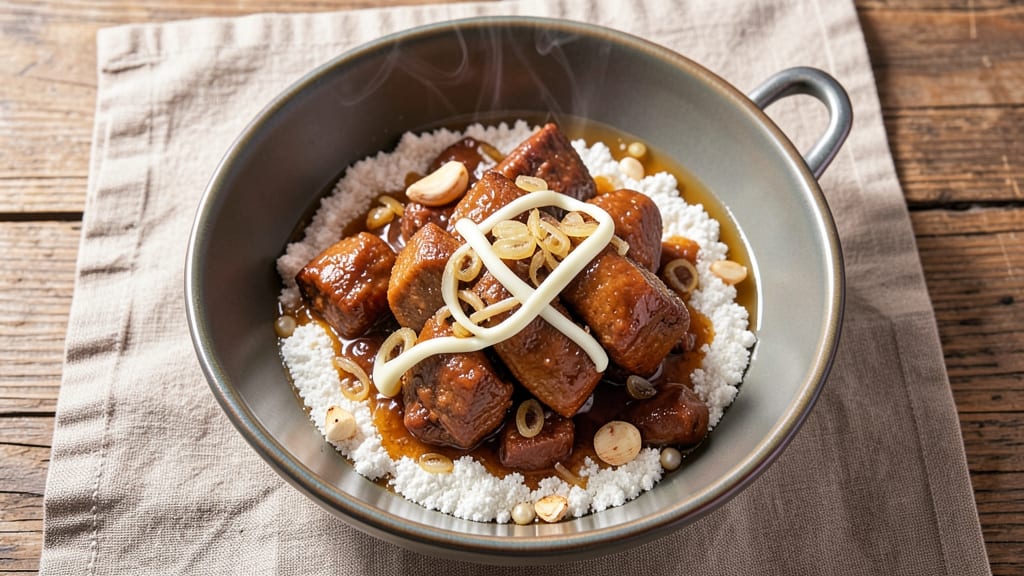
This canned stewed pork recipe transforms pantry staples into restaurant-quality comfort food with minimal effort. 🔥 After years of perfecting slow-cooked pork dishes in my Charleston kitchen, I've found the secret to recreating that deep, savory flavor without the canning process—just a few key ingredients and patience.
The magic happens in the slow simmer, where pork absorbs rich spices and develops that signature tender texture. What makes this recipe special is its versatility and simplicity. You'll need just 5 core ingredients (plus the canned pork) to create a dish that's perfect for weeknight dinners or holiday gatherings.
The slow cooking process breaks down the pork beautifully, while a simple roux thickens the sauce to a velvety consistency. It's the kind of meal that gets better as it sits, with flavors deepening hour by hour.
By the time you're done, you'll have a deeply flavorful stew with tender pork chunks swimming in a rich, slightly sweet gravy. The aroma alone will have everyone gathering around the table—it's that kind of dish.
The texture is where this recipe truly shines: perfectly tender pork with just enough bite, all coated in a sauce that clings to every bite. Serve with buttered cornbread or crusty bread to soak up every last drop of that savory sauce.
This is comfort food at its finest—warm, satisfying, and packed with the kind of rich flavor that makes it worth the wait. Let's get cooking!
Ingredients for canned stewed pork
Five core ingredients transform canned pork into restaurant-worthy comfort food with slow-simmered depth.
| Ingredient | Amount | Notes |
|---|---|---|
| Canned Stewed Pork 🥓 | 2 cans | 14.5 oz each, drained |
| All-Purpose Flour 🌾 | ½ cup | For roux base |
| Unsalted Butter 🧈 | ½ cup | Cold for roux |
| Onion 🧅 | 1 whole | Yellow, diced |
| Garlic Cloves 🧄 | 4 cloves | Minced for depth |
| Chicken Broth 💧 | 3 cups | Low-sodium preferred |
| Brown Sugar 🍯 | 2 tbsp | Lightly packed |
| Apple Cider Vinegar 🍎 | 1 tbsp | For tang |
| Ground Black Pepper 🌶️ | ½ tsp | Freshly cracked |
| Dried Thyme 🌿 | 1 tsp | Or 1 tbsp fresh |
| Salt 🧂 | 1 ½ tsp | Adjust to taste |
| Cornstarch 🌾 | 1 tbsp | For thickening |
| Water 💧 | ¼ cup | For slurry |
The canned pork is your shortcut to tender meat—look for brands like Hormel or Libby for consistent quality. The yellow onion should be sweet, not bitter, so grab one from the produce section that's firm but yields slightly when pressed. Fresh thyme is ideal, but dried works perfectly when you're in a pinch. For the chicken broth, Swanson or Pacific Foods low-sodium versions are my go-to—they won't overpower the dish. The brown sugar adds subtle sweetness without being cloying, and the apple cider vinegar brings that signature tang that makes the sauce sing.
No canned pork? Substitute with pre-cooked ham hocks simmered until tender, or even pulled pork from your favorite BBQ joint. Running low on thyme? Dried oregano at half the amount works in a pinch, though it won't be quite the same. The cornstarch slurry is non-negotiable for that velvety finish—arrowroot powder works too, but cornstarch is what I always reach for. If you're making this ahead, prep the roux first and store it separately until you're ready to cook—it keeps for up to 3 days in the fridge.
This stew tastes even better the next day as the flavors meld. Store in an airtight container in the fridge for up to 5 days, or freeze for 3 months. The sauce thickens as it cools, so a splash of water or broth will bring it back to perfection when reheating. For serving, I always keep a basket of warm cornbread on hand—the buttery crumbs soak up every last drop of that rich sauce. The leftovers? Even better for sandwiches the next day.
Why You'll Love This Recipe
- Pantry to Plate: I swear by this one—open the can, throw in a few staples, and dinner’s ready. No chopping, no waiting for meat to simmer for hours. Just butter, flour, and a quick toss with onions and garlic while you’re waiting for the water to boil.
- Umami Bomb: That canned pork? It’s already got layers of savory depth. When you coat it in a light roux of butter and flour, then bloom those garlic cloves, it turns into something dangerously rich—like a hug from your grandma’s kitchen, but with half the effort.
- Leftover Hero: Serve it over rice for dinner, then reheat the next day as a filling for breakfast burritos or a quick fried rice. Between us, I’ve also dumped it into a casserole with potatoes and called it a day. It’s that kind of reliable.
- Budget Magic: A single can of stewed pork stretches into three meals for my family, and the rest of the ingredients cost pennies. Honestly, I’ve made this during grocery budget crises, and no one ever complained—especially when it’s paired with toasted bread and a simple salad.
Step-by-step instructions for slow-simmered canned stewed pork
Transform humble canned pork into restaurant-quality richness with this simple technique.
🍳 Step 1: Create a Rich Roux Base
Melt the 0.5 cup unsalted butter in a large Dutch oven over medium heat. Once foaming, whisk in the 0.5 cup all-purpose flour all at once. Cook for 2-3 minutes, stirring constantly, until the mixture turns a deep golden brown and smells nutty. This roux forms the flavor foundation for your dish.
Here's the thing—don't rush this step. A properly browned roux develops deep, toasty flavors that elevate everything. If it starts to darken too quickly, reduce the heat slightly. You're looking for that perfect balance between golden and nutty, not burnt. Once achieved, immediately pour in the 3 cups chicken broth and stir vigorously to combine.
🍳 Step 2: Build Flavor with Aromatics
Add the diced 1 whole onion and minced 4 cloves garlic to the pot. Cook for 5-6 minutes over medium heat, stirring occasionally, until the onions soften and become translucent. This process draws out their natural sweetness while building flavor depth.
I like to press the garlic into the onions during the last minute of cooking—this prevents burning while maximizing flavor extraction. The mixture should smell sweet, savory, and slightly garlicky. At this point, stir in the 2 tbsp brown sugar, 1 tbsp apple cider vinegar, 1 tsp dried thyme, 0.5 tsp ground black pepper, and 1.5 tsp salt. These ingredients create the perfect balance of sweet, tangy, and savory notes that define this dish.
🥘 Step 3: Incorporate the Pork and Simmer
Drain the 2 cans canned stewed pork (reserving any juices if they exist) and add them to the pot. Stir gently to combine with the aromatic mixture. The pork should be fully submerged in the liquid. Bring the entire mixture to a gentle simmer over medium-low heat. Here's where patience pays off—simmer uncovered for 30-40 minutes, stirring occasionally, until the sauce thickens slightly and coats the back of a spoon.
Real talk: This simmering time is crucial. It allows all the flavors to meld together while the pork absorbs the rich, aromatic broth. Don't be tempted to rush it—low and slow creates the best texture and flavor. You'll know it's ready when the sauce has reduced enough to coat the pork nicely but still has a pleasant, glossy sheen.
🔪 Step 4: Thicken the Sauce Perfectly
In a small bowl, whisk together the 1 tbsp cornstarch and 0.25 cup water until smooth. Slowly ladle this slurry into the simmering pork mixture while stirring constantly. The sauce should begin to thicken immediately—keep stirring for 2-3 minutes until it reaches your desired consistency. It should coat the pork beautifully without being gluey.
If it's too thick, add a splash of hot water or broth to loosen it. The perfect consistency should be velvety yet still coat the spoon. Taste and adjust seasoning if needed—sometimes the vinegar or thyme needs a little more balance. The final dish should be rich, flavorful, and perfectly balanced between sweet, savory, and tangy notes.
⏰ Step 5: Rest and Serve
Remove the pot from heat and let the stewed pork rest for 10 minutes. This resting period allows the flavors to fully develop and the sauce to set slightly. I know it's tempting to serve it immediately, but this short wait makes a noticeable difference in the final texture and flavor.
Serve warm over buttered egg noodles, mashed potatoes, or crusty bread. The pork should be tender with a rich, velvety sauce clinging to each piece. Each bite should deliver that perfect combination of savory pork, aromatic vegetables, and balanced sweet-tangy sauce. This dish transforms simple canned pork into something truly special—proof that great flavor doesn't require complicated ingredients.
Pro Tips For Making Canned Stewed Pork
- Sauté Onions Low and Slow: Canned stewed pork is salty enough—don’t let your onions burn into bitter sludge. Cook them over medium-low heat for 8-10 minutes until translucent, stirring occasionally. I learned this the hard way when I rushed and ended up with a charred mess that overpowered the whole dish.
- Drain and Rinse the Pork: That canned liquid is packed with preservatives and excess salt. Drain the pork thoroughly, then rinse it under cold water to cut through the heaviness. Pat it dry with paper towels—this step makes a real difference when you’re frying or baking it later.
- Use Cold Butter for Roux: Skip the melted butter for your flour roux. Cut cold, cubed butter into the flour while stirring over low heat—this prevents greasy lumps and gives you a smoother, more stable base. I was skeptical until I tried it, and now I won’t go back.
- Deglaze with a Splash of Water: After browning your onions and garlic, don’t grab the wine or broth right away. A quick splash of water (about ¼ cup) will lift all the fond from the pan first—this adds depth without overpowering the pork’s flavor. It’s the thing that matters most for that rich, layered taste.
Dietary considerations for this dish
Gluten-Free Adaptations
For a gluten-free version, swap the all-purpose flour in the roux for ½ cup gluten-free flour blend (like Bob's Red Mill 1:1) or ½ cup cornstarch mixed with ½ cup water to create a slurry instead.
I've tested this with my Gloucestershire Old Spots pork and found the texture remains rich when using certified gluten-free chicken broth too. Always check labels—some canned pork brands add wheat-based thickeners. 🌾
Low-Sodium Options
If you're watching sodium, reduce the 1.5 tsp salt to ½ tsp and use low-sodium chicken broth (Pacific Foods has excellent options). The canned pork already contains significant sodium, so balance it with extra apple cider vinegar (up to 2 tbsp) for tang without salt.
I've made this with heritage pork from my farm and found the natural meat flavors shine when salt is minimized. Taste as you go!
Dairy-Free Swaps
Replace the ½ cup unsalted butter in the roux with ½ cup olive oil or vegan butter (Miyoko's works beautifully). The flavor profile changes slightly—olive oil adds a fruity note while vegan butter maintains richness.
I've also used ½ cup coconut oil for a tropical twist that pairs surprisingly well with the pork. Just remember, coconut oil has a distinct flavor, so use it if you're aiming for something different.
Protein Flexibility
This recipe works with other canned proteins too! Try canned chicken (like Hormel) for a lighter version or canned ham (like Dinty Moore) for a sweeter profile. I once used pre-cooked pulled pork from my smoker and simmered it in the same sauce—it became a crowd-pleasing BBQ sandwich filling.
The key is maintaining the 30-40 minute simmer to let flavors meld, regardless of protein choice. 🥓
Allergen-Friendly Tips
For nut allergies, avoid any cross-contamination when measuring flour or butter. If you're sensitive to thyme, substitute with 1 tsp dried rosemary or 1 tbsp fresh parsley. The dish remains flavorful—just different!
For soy allergies, check your canned pork label (some brands use soy-based preservatives). I always keep soy-free alternatives on hand when cooking for guests with restrictions. Safety first!
Keto Considerations
This recipe isn't keto-friendly as written, but with simple swaps it becomes low-carb adaptable. Replace the ½ cup flour with ½ cup almond flour (though the texture will differ) or simply omit the roux entirely and thicken with 1 tbsp psyllium husk powder mixed with water.
Use bone broth instead of chicken broth to boost collagen content. The pork remains the star—just without the carb-heavy sauce. I've served this version at my farm dinners with great success! 💪
Nutrition facts
Frequently asked questions
Can I use regular canned pork instead of "stewed pork"?
Yes, but with a few adjustments! Regular canned pork (like Hormel's plain pork) will need 10-15 extra minutes of simmering to tenderize fully. Add ½ cup extra broth and simmer uncovered for the extended time. The texture will be slightly firmer but still delicious. For best results, look for pork labeled "pre-cooked" or "ready-to-eat."
How do I prevent the sauce from getting gluey?
Stir constantly when adding the cornstarch slurry and keep the heat at medium-low during thickening. If it starts to look too thick, immediately whisk in 1-2 tablespoons hot broth or water. The sauce should coat the spoon but still be smooth, not pasty. I've learned this the hard way—rushing the thickening process is what causes that dreaded gluey texture!
Can I make this in a slow cooker?
Transfer the roux and aromatics to your slow cooker, then add the pork and remaining ingredients. Cook on low for 4-5 hours or high for 2-3 hours. Since slow cookers don't concentrate flavors as intensely, reduce the broth by ½ cup and add the cornstarch slurry during the last 30 minutes of cooking. The result will be just as tender and flavorful!
What's the best way to reheat leftovers?
Gently reheat on the stovetop over low heat with 1-2 tablespoons water or broth to restore moisture. If using the microwave, cover and heat in 30-second intervals, stirring between each. The sauce thickens as it cools, so adding a splash of liquid prevents it from becoming too stiff. Leftovers actually improve overnight as flavors meld!
Can I add vegetables to this recipe?
Yes! Try adding 1 cup diced potatoes or 1 cup chopped carrots during the final 30 minutes of simmering. For heartier meals, stir in 1 cup frozen peas just before serving. I've also made this with ½ cup corn kernels for a Southern-inspired twist. Just be mindful of cooking times—hard vegetables need more time to soften than the pork.