
Main Courses
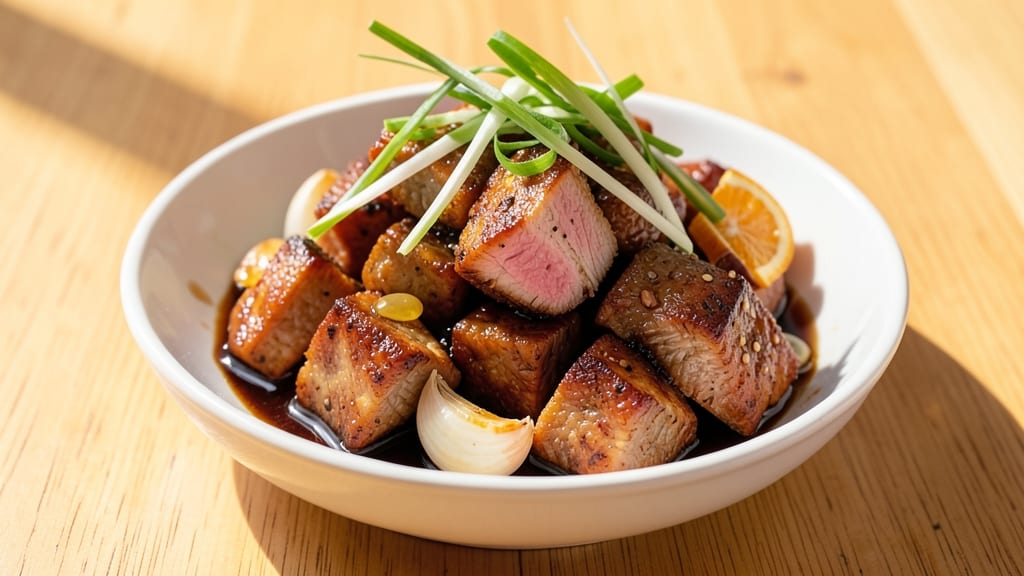
Spiced pork cubes straight from the can transform into restaurant-quality meals with just 15 minutes of effort. ✨ I developed this recipe after discovering how canned pork cubes—pre-seasoned and ready to cook—could elevate simple dishes into something deeply flavorful without requiring hours of prep.
The secret lies in balancing their built-in spices with fresh aromatics to create a dish that feels both nostalgic and modern.
What makes this recipe work is its versatility—whether you're boiling them for ramen, stir-frying for fried rice, or tossing them into a hearty soup, the process is straightforward.
The canned cubes come pre-cooked and spiced, so you focus on technique: high heat for crispy edges, low and slow for tender bites, or quick searing for restaurant-style texture. This method respects the pork's natural richness while letting you tailor the dish to your mood.
By the time you're done, you'll have a plated meal that delivers deep, complex flavors with minimal effort. The pork absorbs surrounding aromatics beautifully, creating a dish that's both comforting and impressive.
Serve with steamed rice, fresh herbs, and a drizzle of chili oil for the full experience—proof that pantry staples can deliver gourmet results.
The best part? Leftovers reheat perfectly, making this an ideal solution for busy weeknights or meal prep. Let's turn those canned cubes into something extraordinary.
Ingredients for canned spiced pork cubes
Pantry staples meet bold flavors—just 14 oz of pre-spiced pork transforms into a dish that tastes restaurant-made.
| Ingredient | Amount | Notes |
|---|---|---|
| Canned Spiced Pork Cubes 🥓 | 14 oz | Pre-cooked, spiced variety preferred |
| Garlic Cloves 🧄 | 4 cloves | Minced for aromatic depth |
| Fresh Ginger 🌿 | 1 tbsp | Finely grated, fresh preferred |
| Green Onions 🧅 | 3 whole | Sliced, white and green parts |
| Sesame Oil 🫒 | 1 tbsp | Toasted for nutty aroma |
| Soy Sauce 🍶 | 2 tbsp | Light or dark variety |
| Rice Vinegar 🍶 | 1 ½ tbsp | Unseasoned preferred |
| Sesame Seeds 🌾 | 1 tsp | Toasted for garnish |
| Vegetable Oil 🫒 | 2 tbsp | High smoke point |
| Jalapeño Pepper 🌶️ | 1 whole | Seeded, sliced for heat |
| Steamed White Rice 🍚 | 2 cups | Cooked, jasmine or basmati |
| Chili Oil 🌶️ | 1 tbsp | For finishing drizzle |
| Salt 🧂 | ½ tsp | Kosher or sea salt |
| Black Pepper 🌶️ | ¼ tsp | Freshly ground |
The canned pork cubes are the star, and Lotus brand or Golden Gate are my go-tos—they've got that perfect balance of sweet and savory. Look for cubes that are still moist and plump in the can; if they're dry or shriveled, skip them. Fresh ginger and garlic are non-negotiable here—they're what elevates this from canned to gourmet. Trader Joe's usually has the best fresh ginger, and if you can't find it, frozen works in a pinch. For the sesame oil, grab the toasted variety—it's worth the extra dollar for that nutty depth. Pro tip: if your jalapeño is too spicy, remove the seeds and membranes before slicing.
No sesame oil? Toasted peanut oil works in a bind, though it'll have a slightly different profile. Running low on rice vinegar? Apple cider vinegar at half the amount gets you close. The pork cubes come pre-spiced, but if you want to dial up the heat, add a pinch of red pepper flakes to the oil before cooking. For the rice, jasmine or basmati are ideal—their delicate aroma pairs perfectly with the pork's richness. If you're feeling lazy, microwaveable rice pouches are a game-changer for weeknights. And if chili oil isn't your thing, a drizzle of sriracha adds heat without the smoky complexity.
These cubes reheat beautifully—just pop them in a skillet with a splash of water for 2-3 minutes to revive that crispy texture. Store any leftovers in an airtight container in the fridge for 4-5 days, or freeze for up to 3 months. I always make a double batch because the flavor only gets better as it sits. For meal prep, portion the rice and pork separately so you can assemble fresh each time. The chili oil keeps for 6 months in a cool, dark place, so buy a bottle and use it on everything.
Why You'll Love This Recipe
- Pantry to Plate: I swear by this one—just open the can, toss in the garlic and ginger, and you’re halfway there. No thawing, no marinating, no stress. The pork’s already spiced, so all you’re doing is unlocking its flavor with a quick sear.
- Umami Bomb: That sesame oil finish? It’s what makes this dish dangerously good. The pork cubes are tender but hold their shape, and the garlic-ginger punch cuts through with this deep, savory warmth—like a hug for your taste buds.
- Lunchbox Hero: Between us, this is my go-to for packed lunches. Toss the pork with rice, drizzle with extra sesame oil, and wrap it in a tortilla—no reheating needed. My kids actually eat their lunches now. (Small victories.)
- Budget Magic: A single can of pork feeds four people for two meals, and the rest of the ingredients cost pennies. Honestly, it’s the kind of recipe that makes you question why you ever spent money on fancy cuts of meat when this exists.
Step-by-step instructions for spiced pork cube stir-fry
Transform canned pork cubes into a restaurant-worthy stir-fry with bold flavors and perfect texture.
🍳 Step 1: Sauté Aromatics Until Fragrant
Heat the 2 tablespoons vegetable oil in a wok or large skillet over medium-high heat until shimmering. Add the 4 cloves minced garlic cloves and 1 tablespoon finely grated fresh ginger—watch closely as they sizzle for just 30 seconds until golden and fragrant. Here's the thing—if you let them burn, you'll get bitter flavors instead of that sweet, aromatic base we're after.
Next, add the 1 whole sliced jalapeño pepper and 3 sliced green onions (white parts first). Stir-fry for 1 minute until the jalapeño softens slightly and the onions turn bright green. This quick cook preserves their freshness while building layer upon layer of flavor. The heat should remain steady—if it drops, your stir-fry will steam instead of sear.
👨🍳 Step 2: Stir-Fry the Pork Cubes
Add the 14 oz canned spiced pork cubes directly from the can (drained) to the wok. Stir-fry for 2-3 minutes until heated through and the pork absorbs the aromatic flavors. You'll notice the pork cubes develop a slight sheen—this means they're picking up the garlic, ginger, and jalapeño essence. If the pork sticks, add 1 tablespoon water to deglaze and scrape up those flavorful browned bits from the bottom.
Here's where it gets fun—toss in 1 tablespoon toasted sesame oil and 2 tablespoons soy sauce. Stir vigorously for 1 minute until the pork cubes glisten with a glossy sheen. The sesame oil adds nutty depth while the soy sauce enhances umami. Taste a piece—it should be savory with a subtle heat from the jalapeño. If it needs more salt, add the 0.5 teaspoon salt now.
🥘 Step 3: Finish with Acid and Heat
Pour in the 1.5 tablespoons rice vinegar and 1 tablespoon chili oil, stirring constantly for 30 seconds until everything is well-coated. The vinegar brightens the dish while the chili oil adds a smoky kick. You'll see the oil separate slightly—that's perfect, as it'll create pockets of heat in every bite. Sprinkle with 0.25 teaspoon freshly ground black pepper and toss once more.
Remove from heat and let the stir-fry rest for 1 minute. This brief pause allows the flavors to meld together. The pork should be tender yet still hold its shape, with a glossy exterior that shimmers from the sesame oil. If the sauce looks too thick, add 1 tablespoon water to loosen it slightly—it should coat the back of a spoon but still be vibrant.
🍽️ Step 4: Serve Over Steamed Rice
Divide the 2 cups steamed white rice evenly among four plates. Spoon the spiced pork stir-fry over the rice, garnishing each serving with 1 teaspoon toasted sesame seeds. The contrast of the warm rice against the bold, slightly spicy pork creates the perfect balance. For extra drama, drizzle with an additional 1/2 teaspoon chili oil per serving.
Serve immediately while the pork is still warm and the rice is perfectly steamed. Each bite should deliver tender pork with layers of garlic, ginger, jalapeño heat, and nutty sesame. The rice vinegar adds a refreshing tang that cuts through the richness, while the sesame seeds provide a satisfying crunch. This dish proves pantry staples can make extraordinary meals!
Pro Tips For Making Canned Spiced Pork Cubes
- Drain and Pat Dry: Canned spiced pork cubes come in syrup, and that syrup is not your friend here. Drain them well, then blot each cube with a paper towel—this keeps your stir-fry crispy instead of turning it into a soggy mess. I learned this the hard way after making a batch that tasted more like a sauce than a dish.
- Sear the Pork First: Skip tossing those cubes straight into the wok with everything else. Heat your pan hot—we’re talking smoke-starting hot—and sear the pork for 2-3 minutes until the edges brown. This locks in flavor and adds texture that just isn’t there if you treat it like a side dish.
- Ginger-Garlic Paste Wins: Fresh ginger and garlic are great, but for this recipe, chop them into a paste with a knife or pulse briefly in a food processor. The paste releases flavor faster and sticks to the pork better than minced bits that burn or fall off. (Yes, even if you’re impatient like me—this is worth the 30 seconds.)
- Finish with Cold Oil: Sesame oil is aromatic, not cooking oil. Add it at the very end, off the heat, and toss everything together. If you heat it, you’ll burn the delicate nutty flavor right out of it. A splash of cold oil at the last second makes all the difference—trust me, your nose will thank you.
Dietary considerations for these flavors
Gluten-Free Adaptations
Canned spiced pork cubes are naturally gluten-free, but cross-contamination risks exist if the canning facility processes wheat products. Always check the label for warnings—I prefer Lotus brand because their facility maintains strict gluten-free protocols. For extra safety, rinse the cubes thoroughly before cooking.
The stir-fry sauce in this recipe is also gluten-free, but if using soy sauce, opt for tamari instead of regular soy sauce to avoid hidden gluten. 🌱
Low-Sodium Options
The canned pork cubes already contain sodium, so I often reduce the added salt to just ¼ teaspoon or omit it entirely. For the stir-fry, use low-sodium soy sauce or coconut aminos to cut sodium by 50%.
The rice vinegar and chili oil add acidity and heat without extra salt. If you're watching sodium closely, serve with extra steamed veggies like bok choy or snap peas to balance the meal.
Vegetarian Substitutes
While pork cubes are the star, you can create a similar stir-fry using marinated tofu or tempeh—both absorb flavors beautifully. For texture, press and cube extra-firm tofu, then marinate in 1 tablespoon soy sauce + 1 teaspoon sesame oil for at least 30 minutes.
Cook the tofu separately until crispy before combining with the aromatics. The dish loses some richness, but the garlic, ginger, and chili oil still deliver bold flavors. 🥬
Spice Level Control
Adjust heat to your preference by modifying the jalapeño and chili oil. For mild heat, remove all seeds and membranes from the jalapeño and reduce chili oil to ½ teaspoon. If you love spice, add ½ teaspoon red pepper flakes to the oil before cooking.
I also keep a small bowl of pickled jalapeños on the table for guests to add extra heat at their discretion.
Allergen-Friendly Swaps
Sesame allergies? Skip the sesame oil and seeds, and use avocado oil instead. For nutty depth, add ½ teaspoon toasted pumpkin seeds as a garnish. If avoiding garlic or ginger, replace them with 1 teaspoon onion powder + ½ teaspoon ground coriander for a similar aromatic profile.
Always double-check labels on canned pork cubes for potential allergens like mustard or wheat.
Meal Prep Considerations
This dish reheats well, but texture changes slightly—pork cubes can become slightly dry. To combat this, store the stir-fry and rice separately in airtight containers. When reheating, add 1 teaspoon water to the pork and cover for 2 minutes in the microwave.
For make-ahead prep, assemble the dish fresh and refrigerate for up to 3 days, or freeze for 2 months. The flavors deepen over time, making it perfect for busy weeknights. 📅
Nutrition facts
Frequently asked questions
Can I use canned spiced pork cubes in other dishes besides stir-fry?
These cubes shine in ramen, fried rice, or even pasta dishes. For ramen, simmer them in broth with mushrooms and bok choy for 10 minutes. In fried rice, toss them with day-old rice, peas, and scrambled eggs for 3-4 minutes on high heat. The pre-spiced cubes add instant depth to any dish.
How do I store leftover spiced pork cubes?
Store them in an airtight container in the fridge for 4-5 days or freeze for up to 3 months. To reheat, place them in a skillet with 1 tablespoon water and cover for 2-3 minutes on medium heat until warmed through. The cubes reheat beautifully and work perfectly in wraps or salads.
What's the best way to control the spice level?
Adjust heat by modifying the jalapeño and chili oil. For mild heat, remove all seeds and membranes from the jalapeño and reduce chili oil to ½ teaspoon. If you love spice, add ½ teaspoon red pepper flakes to the oil before cooking. Keep pickled jalapeños on the side for customizable heat per serving.
Can I substitute tofu for the pork cubes in this recipe?
Yes! For a vegetarian version, use extra-firm tofu pressed and cubed, then marinated in 1 tablespoon soy sauce + 1 teaspoon sesame oil for 30 minutes. Cook the tofu separately until crispy before combining with aromatics. The dish will lose some richness but still deliver bold flavors from garlic, ginger, and chili oil.
Why do my pork cubes taste dry when reheated?
This happens when moisture escapes during storage. To fix it, store the pork cubes with 1 teaspoon water in the container, or reheat them covered in a skillet with 1 tablespoon water for 2 minutes. The steam revives their tenderness. For meal prep, keep the pork and rice separate until ready to serve.