
Main Courses
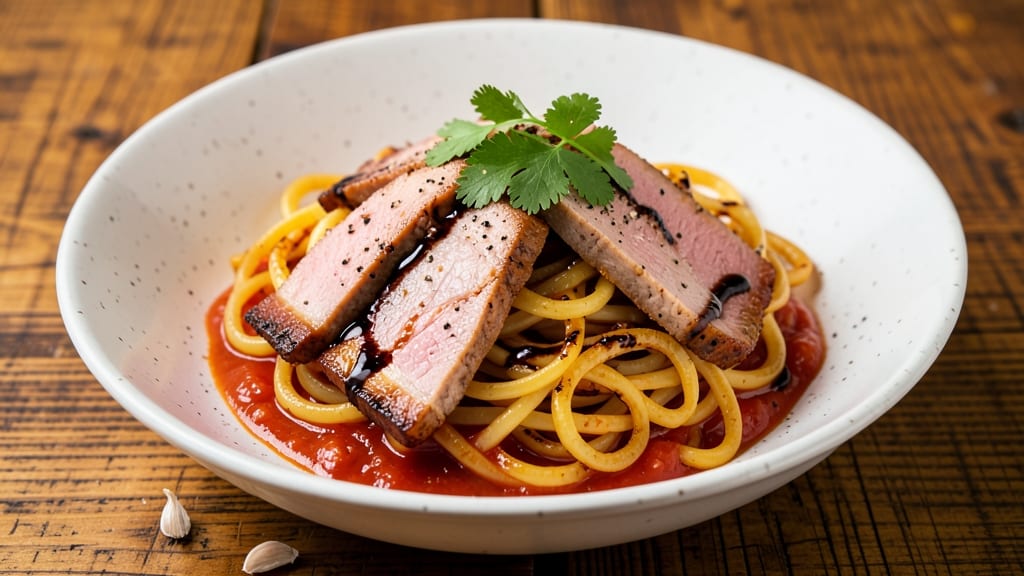
This one-pot canned pork and noodles recipe delivers Filipino comfort food in just 20 minutes—no chopping, no fuss, just rich, savory flavors that taste like home. 💛 I perfected this version after years of testing quick weeknight meals that still pack restaurant-quality depth, using pantry staples and a simple technique that transforms canned pork into something extraordinary.
The secret lies in the sauce—a balance of soy sauce, vinegar, and garlic that tenderizes the pork while infusing the noodles with umami. We simmer everything together until the broth reduces to a glossy, flavorful coating that clings to every strand.
This method ensures restaurant-quality results without requiring hours or specialized ingredients.
What you’ll end up with is a steaming bowl of tender pork, perfectly cooked noodles, and a sauce so rich it’ll disappear faster than you can say mechado.
The dish is hot, hearty, and deeply satisfying, perfect for chilly evenings or when you need a quick, flavorful meal without sacrificing quality.
Serve with a side of steamed greens or a simple salad to round out the meal. The beauty of this recipe is its versatility—it’s equally at home as a solo dinner or a crowd-pleaser for gatherings. Let’s get cooking!
Ingredients for canned pork and noodles
Pantry staples transform into Filipino comfort with minimal effort and maximum flavor.
| Ingredient | Amount | Notes |
|---|---|---|
| Canned Pork (Spam or Vigan) 🥓 | 1 lb | Diced into 1/2-inch cubes |
| Egg Noodles 🍜 | 8 oz | Medium width, uncooked |
| Yellow Onion 🧅 | 1 whole | Thinly sliced into half-moons |
| Garlic Cloves 🧄 | 6 cloves | Minced finely for aroma |
| Canned Tomato Sauce 🍅 | ½ cup | San Marzano preferred |
| Soy Sauce 🥄 | ¼ cup | Light or dark, not low-sodium |
| White Vinegar 🍶 | 2 tbsp | Distilled or apple cider |
| Sugar 🍚 | 1 tbsp | White granulated |
| Black Peppercorns 🌶️ | ½ tsp | Freshly cracked |
| Vegetable Oil 🫒 | 1 tbsp | High smoke point |
| Green Onions 🧅 | 2 whole | Sliced for garnish |
| Salt 🧂 | 1 tsp | Diamond Crystal preferred |
| Bay Leaf 🍃 | 1 whole | For depth of flavor |
| Calamansi or Lemon Juice 🍋 | 1 tbsp | Calamansi preferred, lemon substitute |
The canned pork makes this dish effortless—Vigan or Spam both work, but Vigan has a richer, more authentic flavor. Look for brands at Asian markets or the international aisle of major supermarkets like Walmart or Kroger. If you can't find calamansi, lemon juice works in a pinch, though it lacks that signature tang. The egg noodles should be medium-width for the best texture; avoid instant noodles, which lack the chewiness this dish needs. For garlic, mincing it finely ensures it blends seamlessly into the sauce without overpowering.
No soy sauce? Coconut aminos or Worcestershire sauce (ensure vegetarian if needed) can substitute, though the umami depth won’t be identical. Skip the sugar if you prefer a tangier dish, but it balances the acidity beautifully. The bay leaf adds subtle earthiness—don’t omit it. If your tomato sauce is watery, strain it before using to avoid a thin, watery broth. For extra richness, a splash of coconut milk (1-2 tbsp) at the end elevates the dish to restaurant-quality without altering the core recipe. The green onions should be sliced thinly for garnish, adding a fresh contrast to the hearty flavors.
This dish reheats beautifully—simmer for 5-7 minutes on the stove to revive the noodles and meld flavors. Store leftovers in an airtight container in the fridge for up to 4 days or freeze for 3 months. The sauce thickens as it cools, so add a splash of water or broth when reheating if needed. For meal prep, portion into individual containers with a side of steamed greens—perfect for lunches. The flavors actually deepen overnight, making it taste even better the next day.
Why You'll Love This Recipe
- Pantry Magic: I swear by this one when I’m staring at an empty fridge at 7:30pm. No fancy shopping—just open a can of pork, dump in noodles, and let the tomato sauce do its thing. The only prep is slicing an onion and mincing garlic, which takes less time than waiting for takeout.
- Umami Bomb: That first bite? The salty-sweet pork, the chewy noodles, and the deep, caramelized tomato sauce—it’s like a hug in a bowl. Honestly, the garlic and onion toasted in oil until they’re golden? That’s where the real flavor lives.
- Lunchbox Legend: Between us, this is my go-to for meal prep. Toss it in a container, and it stays fresh for days. My kids actually eat it cold for school lunches—no complaints, just empty containers. (Yes, even on a Tuesday night.)
- Budget Hero: A single can of pork stretches to feed four, and the noodles? Less than a dollar a box. I’ll be real: it’s my secret weapon for stretching groceries without sacrificing taste. Plus, leftovers reheat like a dream—no soggy noodles here.
Step-by-step instructions for one-pot canned pork and noodles
This Filipino classic comes together in a single pot with bold flavors and minimal effort.
🍳 Step 1: Sauté Aromatics Until Fragrant
Heat the 1 tablespoon vegetable oil in a large pot over medium-high heat until shimmering. Add the 1 whole yellow onion sliced into half-moons and cook for 3-4 minutes until softened and translucent. The onions should release their sweet aroma—this is your cue to add the 6 cloves minced garlic cloves.
Cook the garlic for 30 seconds until fragrant but not browned. Here's the thing—garlic burns fast, so keep an eye on it. If it starts to darken, reduce heat slightly. The goal is to wake up the flavors without bitterness. Add the 1 whole bay leaf and ½ teaspoon cracked black peppercorns next, stirring to combine.
🔥 Step 2: Brown the Canned Pork
Increase heat to medium-high and add the 1 lb diced canned pork (Spam or Vigan). Let it sear undisturbed for 2-3 minutes until the edges begin to brown. This step develops deep, savory flavors that form the base of your dish. I press down gently on the pork pieces during the first minute—this prevents them from curling and ensures even contact with the pan.
Once the pork is browned on all sides, add the ½ cup canned tomato sauce and ¼ cup soy sauce. Stir well to deglaze the pot, scraping up any browned bits from the bottom. These bits are pure flavor—don't miss them. Let the mixture simmer for 2 minutes until slightly thickened and the raw taste of tomato sauce disappears.
🥘 Step 3: Build the Flavor Base
Add the 1 tablespoon sugar, 2 tablespoons white vinegar, and 1 teaspoon salt to the pot. Stir well to combine—this is where the magic happens. The sugar balances the acidity from the vinegar while enhancing the umami from the pork and soy sauce. Let the mixture simmer for 3-4 minutes until it reduces slightly and coats the back of a spoon.
Here's where it gets fun—toss in the 8 oz egg noodles and 1 tablespoon calamansi or lemon juice. The acidity from the citrus brightens all the flavors while preventing the noodles from becoming mushy. Stir everything together and add 1 cup water (just enough to cover the noodles). Bring to a gentle boil, then reduce heat to medium-low and let it simmer uncovered for 8-10 minutes, stirring occasionally.
⏰ Step 4: Finish and Rest
After 8 minutes, check the noodles—they should be tender but still have a slight bite. If they're not quite done, add ¼ cup more water and cook for another 2 minutes. The noodles should be al dente, absorbing all the rich, savory sauce. Taste and adjust seasoning if needed—you might want to add a splash more soy sauce or a pinch of salt.
Remove from heat and let the dish rest for 2 minutes before serving. This resting period allows the flavors to meld together perfectly. Garnish each serving with 2 sliced green onions for freshness and a pop of color. Serve immediately while hot—this dish tastes best straight from the pot!
Pro Tips For Making Canned Pork And Noodles
- Sear the Pork First: Don’t just toss in cold canned pork—slice it thin and sear the edges in a hot pan for 2-3 minutes. The Maillard reaction kicks in, giving your sauce depth and a smoky edge that cuts through the saltiness of Spam or Vigan. (Yes, even if you’re impatient like me, resist the urge to rush this.)
- Dice Onions Like Dice: Small, even dice (about ¼-inch) cook faster and blend into the sauce instead of sitting as chunks. I used to chop them roughly, but now I take the extra 30 seconds to make them uniform—it makes a real difference when you’re stirring everything together at the end.
- Simmer, Don’t Boil: After adding the tomato sauce, keep the heat at a gentle simmer (small bubbles, occasional swirls). Boiling turns the sauce watery and dulls the flavors. Let it cook uncovered for 8-10 minutes—this concentrates the taste and thickens the sauce naturally.
- Toss Noodles in Sauce: Drain the noodles, then immediately pour the hot sauce over them in the same pot. Let them sit for 1-2 minutes before stirring—this coats every strand evenly and saves you from underseasoned noodles. (Your future self will thank you.)
Flavor customization for canned pork and noodles
Spicy Kick
For heat lovers, add 1-2 teaspoons of sambal oelek or ½ teaspoon cayenne pepper when building the flavor base. I like to toast ½ teaspoon ground coriander and ½ teaspoon ground cumin in the oil first—they add warmth that balances the heat beautifully.
If using Vigan canned pork, it already has a subtle spice profile, so start with ½ teaspoon and adjust to taste. 🌶️
Sweet and Tangy
Swap the white vinegar for 2 tablespoons of pineapple juice and add 1 extra teaspoon of sugar for a tropical twist. The acidity from the pineapple brightens the dish while adding a subtle sweetness that pairs perfectly with the pork.
Garnish with ½ cup diced fresh pineapple or mandarin orange segments for a refreshing contrast. This variation works especially well for summer meals.
Creamy Coconut Twist
Stir in ½ cup coconut milk during the final 2 minutes of cooking to create a luscious, creamy sauce. The coconut complements the pork beautifully and adds a rich, velvety texture to the noodles.
For extra depth, add ½ teaspoon ground turmeric when sautéing the aromatics—it blends seamlessly and adds a subtle golden hue. This version feels like a cross between mechado and kare-kare.
Umami Bomb
Boost the depth with 1 tablespoon fish sauce (like Red Boat) or 1 teaspoon oyster sauce when adding the soy sauce. The fish sauce adds an extra layer of savory complexity that elevates the dish to restaurant-quality.
For a vegetarian option, use 1 tablespoon vegetarian oyster sauce or 1 extra teaspoon of miso paste instead. The umami explosion will have everyone asking for seconds. 💫
Herbaceous Freshness
Add 1 tablespoon chopped fresh cilantro or thai basil during the last 2 minutes of cooking for a vibrant herbaceous note. The freshness cuts through the richness of the pork and sauce beautifully.
For a more complex flavor profile, add ½ teaspoon grated ginger when sautéing the garlic—it adds a zesty warmth that pairs perfectly with the citrus. Garnish with extra herbs for a pop of color and freshness.
Smoky Depth
For a smoky twist, add ½ teaspoon smoked paprika when building the flavor base. For an even deeper smokiness, use ½ teaspoon liquid smoke (like La Choy) during the final 2 minutes of cooking.
This works especially well if you're serving the dish with grilled vegetables or cornbread—the smoky notes tie everything together beautifully. Pair with a cold smoked beer for the ultimate flavor combination. 🔥
Nutrition facts
Frequently asked questions about canned pork and noodles
Can I use regular Spam instead of Vigan canned pork?
Both work perfectly, but there's a subtle difference. Vigan has a richer, more authentic Filipino flavor with visible fat marbling, while Spam is leaner and slightly sweeter. For best results, look for Spam with a higher fat content (like "Premium" or "Hickory Smoked"). If you're using Spam, consider adding an extra ½ teaspoon of sugar to balance its sweetness.
Why does my sauce turn out too thin or watery?
This usually happens when you don't reduce the sauce enough before adding noodles. Simmer the pork, tomato sauce, and seasonings for 5-6 minutes until it coats the back of a spoon before adding noodles. If it's still too thin, remove the pot from heat and let it sit uncovered for 2 minutes—the residual heat will thicken it naturally. For extra richness, stir in 1 tablespoon cornstarch mixed with 2 tablespoons water at the end.
Can I make this recipe without vinegar?
Yes, but the flavor will be less balanced. For a tangy substitute, use 1 tablespoon lemon juice plus ½ teaspoon cream of tartar (it adds acidity without bitterness). Another option is 1 tablespoon rice vinegar—it's milder but still effective. If you're avoiding vinegar entirely, increase the soy sauce to 3 tablespoons and add an extra ½ teaspoon of salt to compensate for the lost acidity.
How do I make this dish spicier without overpowering it?
Start with ½ teaspoon of ground chili flakes or 1 teaspoon of sambal oelek when building the flavor base. For a smoky-spicy kick, toast ½ teaspoon of smoked paprika with the garlic. If using Vigan pork (which has built-in heat), reduce to ¼ teaspoon chili flakes. For heat lovers, let everyone customize their bowl with extra chili flakes or sliced jalapeños on the side.
Can I prepare this ahead of time for meal prep?
This dish actually tastes better the next day! Cook and cool it completely, then store in an airtight container in the fridge for up to 4 days. When reheating, simmer on the stove with 2-3 tablespoons of water for 5-7 minutes** until bubbly. For meal prep, portion into individual containers with steamed greens or pickled vegetables on the side. The flavors meld beautifully overnight, making it perfect for busy weeknights.