
Main Courses
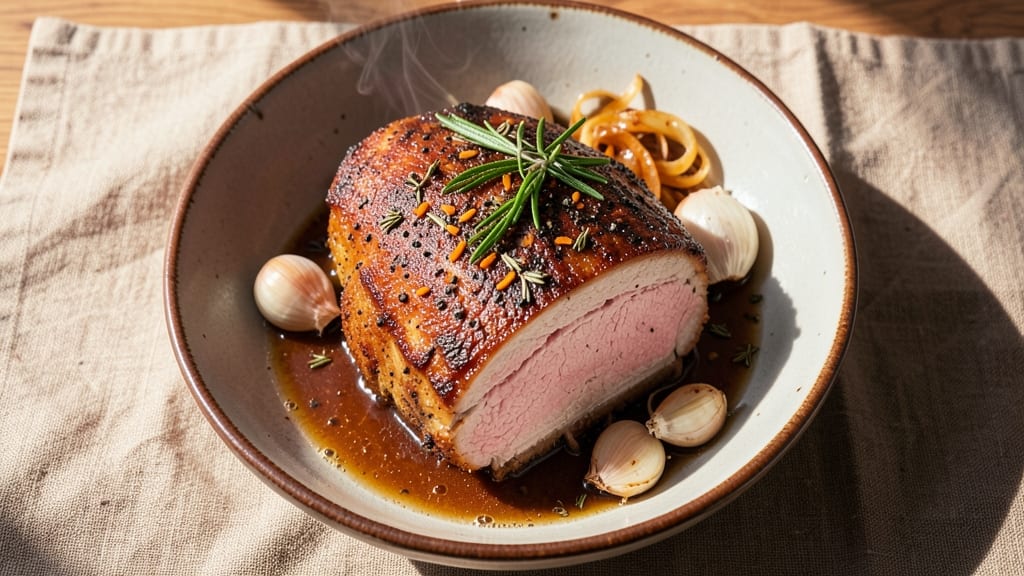
Campbell's pork roast recipe delivers the kind of slow-cooked richness that turns weeknight dinners into family gatherings. Growing up in Georgia, I learned this technique from my grandmother—where a well-seasoned pork roast with a celery crown was the centerpiece of every holiday table. The key lies in the balance of herbs, the slow roasting process, and that signature celery crown that adds both texture and aroma.
What makes this recipe special is its ability to transform a simple cut of pork into something deeply flavorful and tender. We start with a dry brine that locks in moisture, followed by a rub of salt, pepper, and aromatic herbs.
The celery crown isn't just for presentation—it infuses the meat with its earthy notes as it roasts, creating a dish that's both rustic and refined. This method works equally well in a traditional oven or a slow cooker, making it versatile for any kitchen.
The result is a perfectly cooked pork roast with a crispy, golden-brown exterior and melt-in-your-mouth tenderness inside. The celery crown adds a satisfying crunch and a subtle celery flavor that complements the savory meat.
This dish pairs beautifully with classic sides like mashed potatoes, roasted vegetables, or a fresh green salad, making it a complete meal that feels like a celebration.
Whether you're cooking for a holiday feast or a cozy family dinner, this Campbell's-style pork roast delivers restaurant-quality results with minimal effort. The technique is foolproof, and the flavors are unforgettable—just like the ones I grew up with in Georgia.
Let's get started on creating a dish that will have everyone asking for seconds.
Ingredients for campbell's pork roast
The secret to this legendary pork roast lies in the dry brine and celery crown.
| Ingredient | Amount | Notes |
|---|---|---|
| Pork Shoulder Roast 🐖 | 4 lb | Bone-in for best flavor |
| Kosher Salt 🧂 | 2 tbsp | Diamond Crystal preferred |
| Freshly Ground Black Pepper 🌶️ | 1 tbsp | Freshly cracked for best flavor |
| Dried Thyme 🌿 | 1 tbsp | Or 1 tbsp fresh thyme leaves |
| Dried Rosemary 🌿 | 1 tbsp | Crushed between fingers |
| Garlic Cloves 🧄 | 6 cloves | Smashed but not minced |
| Celery Stalks 🥬 | 4 whole | Trimmed, for crown |
| Yellow Onion 🧅 | 1 whole | Cut into 1-inch pieces |
| Carrot 🥕 | 1 whole | Cut into 1-inch pieces |
| Olive Oil 🫒 | 2 tbsp | Extra-virgin for richness |
| Apple Cider Vinegar 🍎 | 2 tbsp | For dry brine |
| Fresh Parsley 🌿 | ¼ cup | Chopped, for garnish |
| Butter 🧈 | 2 tbsp | Unsalted, for basting |
| Fresh Sage Leaves 🌿 | 8 whole | For crown, optional |
The pork shoulder is the star—look for one with good marbling. Local butchers or Costco usually have the best cuts. I always grab mine from Whole Foods if I'm feeling fancy, but the regular supermarket pork shoulder works just fine. The key is bone-in—it adds flavor and stays juicier. For the celery crown, use fresh, crisp stalks (the good stuff, not the pre-cut kind). Trim the leaves but leave them attached to the stalks for that classic look. The herbs? Fresh is ideal, but dried works in a pinch—just double the amount.
No fresh thyme or rosemary? Dried works at half the amount. Running low on apple cider vinegar? Lemon juice or white wine vinegar does the trick. The celery crown can be made with just celery, but I like adding a sage leaf or two for extra aroma. For the dry brine, mix the salt and vinegar together and rub it all over the pork—let it sit uncovered in the fridge for at least 4 hours (overnight is even better). This step is non-negotiable—it keeps the meat juicy. And if you're short on time, a quick salt rub works too, but the flavor won't be as deep.
The roast reheats beautifully—just add a splash of water and cover it with foil. Keeps for 4-5 days in the fridge, freezes for 3 months. I always make a double batch because leftovers make the best sandwiches. The celery crown can be prepped ahead and stored in the fridge for 2 days before roasting. For a slow cooker version, just skip the crown and cook on low for 8 hours—same rich flavors, less hands-on work.
Why You'll Love This Recipe
- Foolproof Prep: I swear by this method—just rub the pork with salt, pepper, and those dried herbs (thyme and rosemary, don’t skip them). No fancy marinade, no stressing over prep. The roast practically cooks itself while you sip your coffee.
- Herb-Crusted Magic: That simple combo of thyme and rosemary? It sticks to the pork like a dream, giving you a crusty, aromatic bite with every slice. Honestly, the flavor punches way above its minimal ingredient list.
- Leftovers That Win: This roast is the meal that tastes even better the next day. Thinly slice it for sandwiches, toss it into pasta, or just reheat with a splash of broth—it’s my go-to for lazy lunches all week.
- Budget-Friendly Crowd-Pleaser: Pork shoulder is affordable, and this recipe stretches it across multiple meals without breaking the bank. Between us, it’s the kind of dish that makes you look like a hero at potlucks—no one ever guesses how easy it was.
Step-by-step instructions for slow-cooked pork roast with celery crown
This method delivers melt-in-your-mouth pork with crispy celery crowns—no fancy equipment needed.
Prepare the Dry Brine and Celery Crown
Pat the 4 lb pork shoulder roast completely dry with paper towels—this is non-negotiable for crispy skin. In a small bowl, combine 2 tbsp kosher salt, 1 tbsp freshly ground black pepper, 1 tbsp dried thyme, and 1 tbsp dried rosemary. Rub this mixture all over the pork, including inside the cavity. Let it sit uncovered on a wire rack in the fridge for 12-24 hours—this dry brine transforms the meat.
While the pork brines, prepare the celery crown. Trim the 4 whole celery stalks by cutting off the leafy tops and bottoms. Peel the 1 whole carrot and 1 whole yellow onion, then cut both into 1-inch pieces. In a small bowl, toss these with 2 tbsp olive oil, 2 tbsp apple cider vinegar, and 8 whole fresh sage leaves. Set aside—this will become your crown.
Sear the Pork for Maximum Flavor
Preheat your oven to 325°F. Heat a large Dutch oven over medium-high heat and add 2 tbsp butter. Once melted, sear the pork on all sides until deeply browned—about 8-10 minutes total. This step locks in juices and builds flavor. Remove the pork and set it aside on a plate.
In the same Dutch oven, add the celery crown mixture and cook for 5 minutes until the vegetables soften slightly. Scatter 6 smashed garlic cloves over the vegetables, then return the pork to the pot. Pour in enough water to come halfway up the sides of the pork—about 2 cups. Bring to a simmer.
Slow-Cook Until Fork-Tender
Cover the Dutch oven and transfer it to the preheated oven. Cook for 3-4 hours until the pork reaches 195-203°F on an instant-read thermometer. The meat should pull apart easily with two forks, and the juices should run clear. If the liquid evaporates before then, add ½ cup hot water to keep it moist.
Here's the thing—don't rush this step. The low-and-slow method breaks down collagen for tender, juicy pork. If you peek too often, the pork will take longer to cook. Trust the thermometer over guesswork.
Rest and Assemble the Crown
Once the pork is done, let it rest for 30 minutes before carving. This resting period is crucial—it allows the juices to redistribute so every bite is moist. While it rests, preheat your broiler to high. Spoon the celery crown mixture onto a baking sheet, spreading it in an even layer.
Broil for 3-5 minutes until the edges are golden brown and crispy. Watch closely—you want caramelization, not burning. The crown should have a satisfying crunch that contrasts perfectly with the tender pork.
Serve with Fresh Parsley Garnish
Slice the pork against the grain into ½-inch thick slices. Arrange the crispy celery crown on a platter, top with the pork slices, and garnish with ¼ cup chopped fresh parsley. Serve immediately with pan juices spooned over the top—this is where all the flavor hides.
Each bite should deliver juicy, fall-apart pork with a crispy crown that adds texture and freshness. Leftovers? Store in the fridge for up to 4 days or freeze for 3 months. The flavors only get better with time.
Pro Tips For Making Campbell'S Pork Roast
- SEAR FIRST, THEN SALT: The Campbell’s recipe might call for salting early, but I double down: sear the pork shoulder hard in a hot skillet or Dutch oven for 3-4 minutes per side before adding thyme and rosemary. That crust locks in flavor and keeps the meat from drying out later—trust me, I’ve seen the difference when I skip this.
- CRUSH THYME SPRIGS: Dried thyme loses its punch if it just sits on top. Tear the sprigs between your fingers or lightly crush them with a rolling pin before sprinkling over the pork. Freshness matters less when you force the oils out—this is the thing that makes the dish smell like a proper roast, not just "herbs in a pinch."
- DON’T OPEN THE OVEN: I learned this the hard way—peeking or checking doneness too early turns your pork into a sad, uneven mess. Set a timer for the full cook time (usually 2.5–3 hours for a 3–4 lb roast) and resist the urge. The internal temp should hit 195°F—no guessing, just a meat thermometer.
- UPGRADE WITH BUTTER: The recipe might just call for oil, but toss in a pat of cold butter with the thyme and rosemary before searing. The fat renders down, bastes the meat, and adds richness without extra effort. (Yes, even if you’re impatient like me—it’s worth the 30 seconds.)
Flavor customization for campbell's pork roast
Herb Variations
Swap out thyme and rosemary for 1 tbsp each of dried sage and marjoram for a more Mediterranean twist. I've found that fresh rosemary sprigs tucked under the celery crown add an aromatic depth that dried can't match—just tie them with kitchen twine before roasting.
For a Southern-inspired version, add ½ tsp smoked paprika to the dry rub for subtle smokiness. 🌿
Sweet Heat Profile
Add 1 tbsp brown sugar to the celery crown mixture for caramelized sweetness that pairs perfectly with the pork's savory notes. I like to finish with a sprinkle of ½ tsp cayenne pepper on the crown right before broiling—just enough heat to wake up your palate.
For a sweeter option, try 1 tsp honey mixed into the apple cider vinegar before tossing with the vegetables. 🌶️
Spiced Rub Twist
Replace half the salt in the dry rub with 1 tbsp mustard powder for a tangy depth that tenderizes the meat beautifully. I've also experimented with ½ tsp ground coriander and ½ tsp cinnamon in the celery crown mixture—it sounds unusual, but the warm spices complement the pork's richness wonderfully.
For a bold kick, add 1 tsp garlic powder to the dry rub. ⚡
Celery Crown Add-Ins
Boost the crown's complexity by adding ½ cup diced apple to the vegetable mix—its natural sweetness balances the earthy celery. I also love tossing in 4 thinly sliced lemon rounds with the celery crown before broiling for a bright citrus note.
For extra aroma, add 2 sprigs fresh thyme to the crown mixture. 🍎
Slow Cooker Adaptation
For a hands-off version, skip the celery crown entirely and cook the pork in your slow cooker on low for 8 hours with 1 cup apple cider instead of water. Add 1 tsp liquid smoke to the cooking liquid for a smoky depth.
When ready to serve, create a quick crown by sautéing 2 tbsp butter, 1 tbsp olive oil, and 1 cup chopped celery until crispy. 🔥
Regional Variations
In Charleston, we often add ½ cup peeled and sliced pear to the celery crown for a sweet-tart contrast. For a Georgia-style version, swap the celery crown for 1 whole onion and 2 carrots roasted with the pork—no vinegar needed.
In Atlanta, many pitmasters use hot honey** drizzled over the finished crown for a Southern sweet heat combination. 🗺️
Nutrition facts
Frequently asked questions
Why does the recipe call for a dry brine instead of just salting the pork?
The dry brine (salt + apple cider vinegar) works magic by penetrating the meat deeply over time, creating a perfect balance of flavor and moisture. This method locks in juices and creates that signature crispy exterior while keeping the inside melt-in-your-mouth tender. Trust me, skipping it means less flavorful, potentially tougher pork!
Can I use a different cut of pork instead of shoulder roast?
For best results, stick with pork shoulder (also called Boston butt) as it's fatty enough to stay juicy during slow cooking. If you must substitute, pork loin will work but may dry out faster—reduce cooking time by 30 minutes and monitor closely. Never use tenderloin, as it's too lean and will turn tough.
What's the secret to getting crispy celery crowns?
Three things: fresh celery (not wilted), high heat broiling (watch closely!), and even spreading on the baking sheet. The crown should be golden brown with crisp edges—about 3-5 minutes on high. If it burns before crisping, lower the oven rack position.
How do I know when the pork is fully cooked?
Use a meat thermometer! The pork is done when it reaches 195-203°F in the thickest part. The juices should run clear when you pierce it with a knife, and it should pull apart easily with two forks. Never rely on color or time alone—this is the only foolproof way to get perfect doneness every time.
Can I make this in a slow cooker instead of the oven?
Skip the celery crown and cook the pork on low for 8 hours with 1 cup apple cider instead of water. For flavor, add 1 tsp liquid smoke to the cooking liquid. Make your crown separately by sautéing 2 tbsp butter, 1 tbsp olive oil, and 1 cup chopped celery until crispy right before serving.